


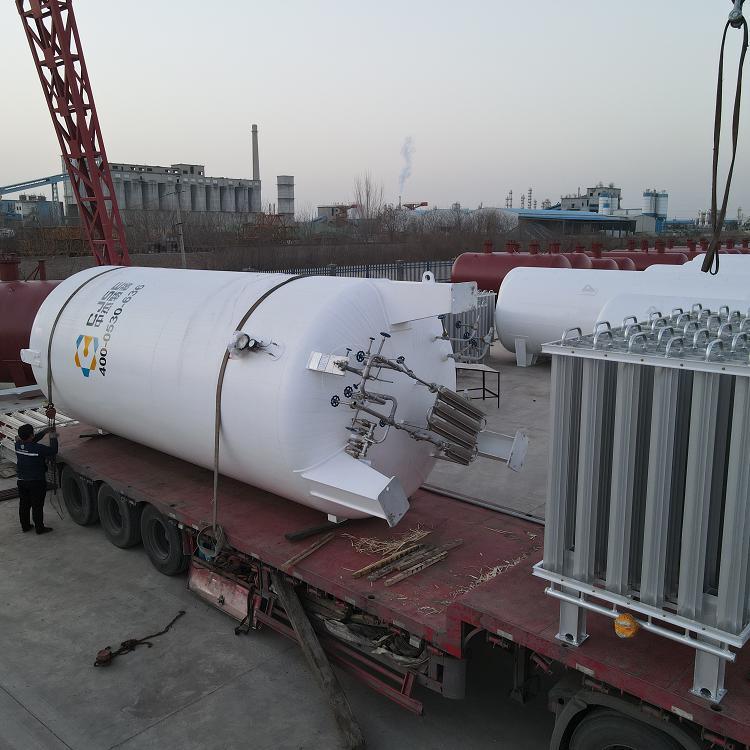

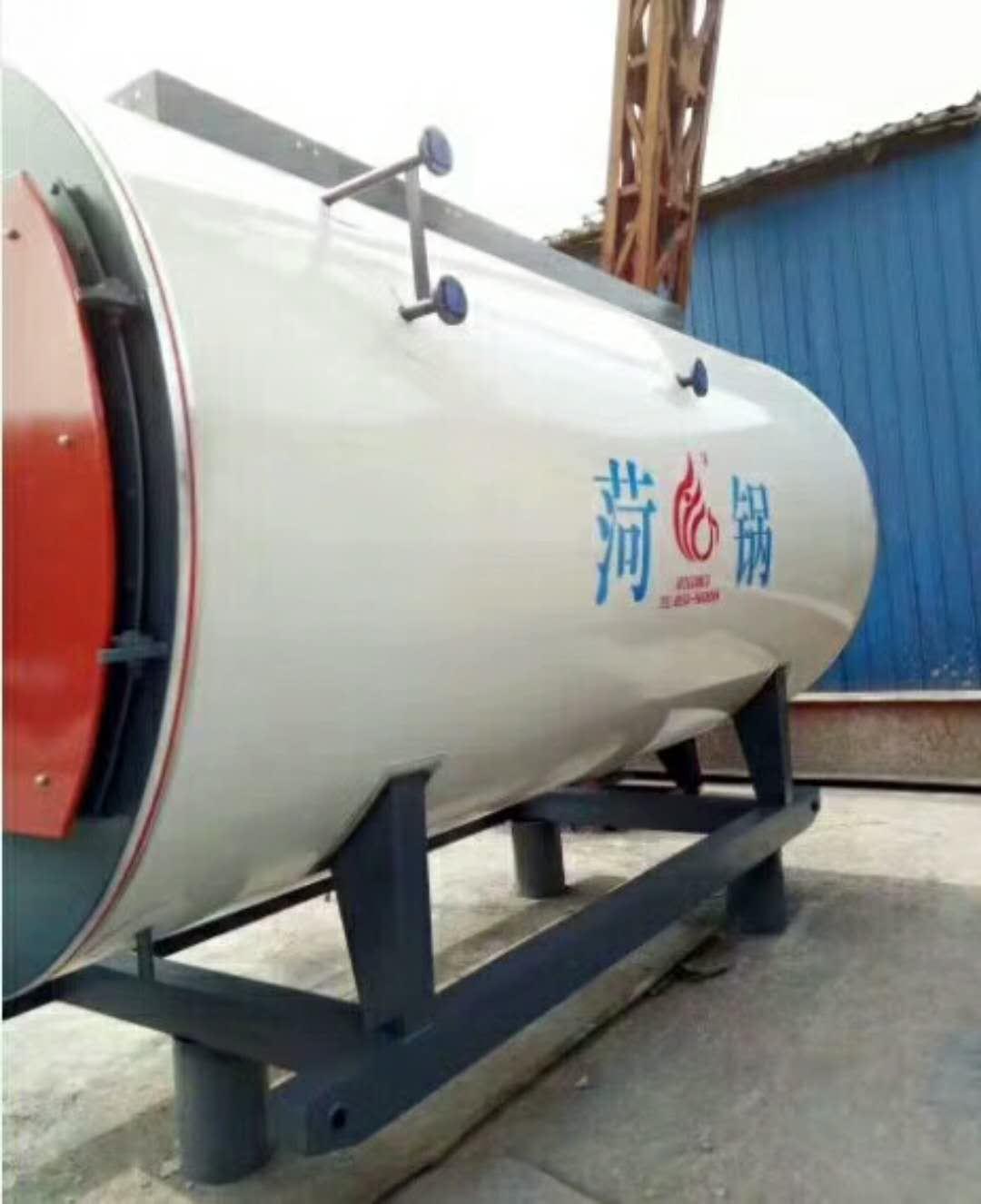


















Shandong Zhongjie Special Equipment (formerly Heze Boiler Factory Co., Ltd.) holds an A-grade boiler manufacturing license, an A2-grade pressure vessel manufacturing license, an A2-grade pressure vessel design license, a B-grade boiler installation license, and GB2/Class, GC2/Class pressure pipeline installation licenses, as well as a mechanical and electrical equipment installation contracting qualification. It is a member of the China Boiler and Water Treatment Association, the China Chemical Equipment Association, and the council member of the Shandong Equipment Manufacturing Association. The company has also passed the ISO9001 Quality Management System, ISO14001 Environmental Management System, OHSAS18001 Occupational Health and Safety Management System certifications, and the American ASME/U2 certification.
When cleaning a low-temperature liquid storage tank, the following steps should be taken:
Safety Preparations: Prior to cleaning, ensure there are no remaining liquids or gases inside the tank, and that the tank has been properly drained and vented. Wear appropriate personal protective equipment, such as protective suits, gloves, and safety shoes.
Cleaning Agent Selection: Choose a cleaning agent suitable for low-temperature environments and liquid storage tank materials. Common cleaning agents include acidic and alkaline solutions, organic solvents, or specialized cleaning agents. Select the appropriate cleaning agent based on the tank's material and the nature of the contaminants.
Cleaning Process: Inject the cleaning agent into the tank and clean the inner wall using appropriate tools (such as a sprayer, brush, or high-pressure water). Multiple cleanings can be performed as needed to ensure removal of contaminants.
Washing and Discharge: After cleaning, rinse with clean water or an appropriate solvent to remove cleaning agents and residues. Ensure the tank is dry and discharge the rinse fluid into an appropriate treatment system.
Inspection and Verification: After cleaning, inspect the tank to ensure no residues of contaminants remain inside. Appropriate detection equipment or methods, such as optical inspection, chemical analysis, or ultrasonic testing, can be used to verify the cleaning effectiveness.
Be mindful that when cleaning low-temperature liquid storage tanks, it's crucial to adhere to relevant safety regulations and operational guidelines. Liquid storage tanks typically have high flammability and low-temperature characteristics, so operators must strictly follow safety procedures to ensure the safety of personnel and equipment. During the cleaning process, be cautious to prevent leaks of cleaning agents and contaminants, and take appropriate measures for their handling and disposal.
Low-temperature industrial gas filling stations are equipment used to fill liquid low-temperature industrial gases (such as liquid oxygen, liquid nitrogen, liquid argon, etc.) into gas storage tanks. Here are the basic facts about low-temperature industrial gas filling stations:
Tank Type: Low-temperature industrial gas tanks typically use double-walled vacuum insulated tanks, with the inner wall for storing liquid gas and the outer wall for insulation to reduce heat transfer and evaporation losses of the liquid gas.
Filling Equipment: Low-temperature industrial gas storage tank filling stations include liquid-gas filling pumps, filling pipelines, flow meters, pressure sensors, and other equipment. Liquid-gas filling pumps are used to extract liquid gas from storage tanks or gas containers and fill it into the target storage tank.
Filling Process: The operational steps at the filling station typically include: Preparations (inspection of equipment, preparation of filling medium), Equipment Connection (connection of filling pumps, pipes, etc.), Equipment Activation (starting the filling pump, adjusting flow and pressure), Filling Operation (filling liquid gas into the target storage tank), Monitoring and Control (monitoring parameters such as pressure and flow during the filling process to ensure safety and quality), and Completion of Operations (shutting down equipment, cleaning the work area).
Safety Measures: Strict adherence to relevant safety operating procedures and standards is required during the operation of low-temperature industrial gas storage tank filling stations. Operators must receive training to understand the properties and safety precautions of liquefied gases. Additionally, filling stations should be equipped with safety equipment such as pressure sensors and safety valves to ensure safety during the filling process.
Quality Control: Quality control is essential during the filling process at the filling station, including monitoring parameters such as flow rate, pressure, and temperature of the filling medium to ensure accuracy and quality of the filling.
It is important to note that the operation of low-temperature industrial gas filling stations must be conducted by trained personnel and strictly adhere to the relevant operational procedures and safety measures. Furthermore, the design and manufacturing of the filling stations should comply with applicable standards and regulations to ensure the safety and reliability of the equipment.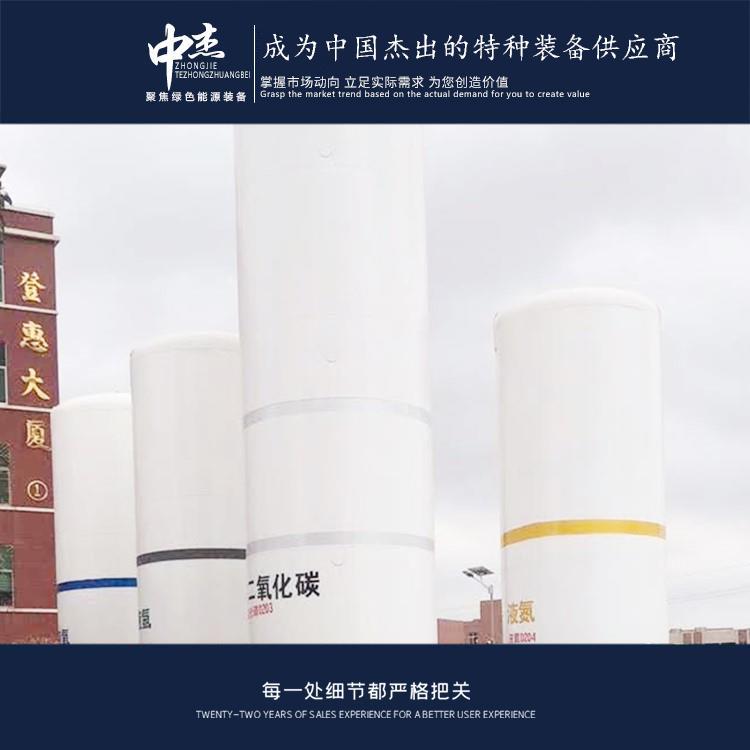
The reasons for the peak popularity of low-temperature liquid storage tanks in recent years are as follows:
Rising Demand: With the development of industries such as manufacturing and scientific research, the demand for cryogenic liquids is continuously increasing. Cryogenic liquid storage tanks can effectively store and supply liquid oxygen, liquid nitrogen, and other cryogenic liquids, meeting the needs of various fields.
Technical Advancements: In recent years, there have been continuous improvements and innovations in the manufacturing and material technologies of low-temperature liquid storage tanks. The application of new insulating materials, advanced refrigeration systems, and safety control devices has enhanced the performance and safety of the tanks, making them more reliable and secure.
Environmental Awareness Enhancement: Low-temperature liquid storage tanks can effectively store and utilize low-temperature liquids, reducing energy waste and environmental pollution. Against the backdrop of enhanced environmental awareness, low-temperature liquid storage tanks, as an environmentally friendly and energy-saving device, have garnered more attention and application.
Emerging Application Fields: The demand for low-temperature liquid storage tanks is increasing in emerging application fields. For instance, the application of liquid nitrogen in frozen food, biopharmaceuticals, and semiconductor manufacturing is becoming more widespread, which has propelled the development of low-temperature liquid storage tanks.
Policy Support: The government has provided support and encouragement for the development of low-temperature liquid storage tanks. Through policy guidance and financial support, the industry has been promoted and expanded.
In summary, the reasons why low-temperature liquid storage tanks have reached a peak in recent years mainly include increasing demand, technological advancements, rising environmental awareness, development in new application fields, and policy support. These factors collectively drive the rapid growth of the low-temperature liquid storage tank industry.
When storing liquid nitrogen in low-temperature storage tanks, please note the following points:
Protective Gear: When handling low-temperature storage tanks, it is mandatory to wear appropriate protective gear, including gloves, protective clothing, and non-slip shoes. This equipment helps safeguard the skin from the low temperatures of liquid nitrogen and other hazards.
Avoid direct contact: Liquid nitrogen is extremely cold and can cause frostbite. Therefore, it is essential to avoid direct contact with liquid nitrogen, especially with the skin. Use tools or equipment for handling to prevent direct hand contact with liquid nitrogen.
Ventilation Requirements: In the operation area of low-temperature storage tanks, adequate ventilation must be ensured to expel gases produced by the evaporation of liquid nitrogen. Maintain air circulation to avoid excessive oxygen concentration, reducing the risk of fire and explosion.
Prevent Leaks: Regularly inspect low-temperature storage tanks for leaks and equip with leak detectors and alarm systems. In case of a leak, take immediate action to control and repair it. Avoid the hazards of liquid nitrogen leaks to personnel and the environment.
Fire Prevention Measures: Liquid nitrogen has a low boiling and freezing point, which is prone to causing fires. To prevent and contain fires, fireproof walls and fire-resistant coatings should be installed around low-temperature storage tanks.
Static Protection: The accumulation of static electricity in low-temperature storage tanks may cause sparks, increasing the risk of fire. Measures such as using static-conductive materials and anti-static equipment should be taken to reduce the accumulation and release of static electricity.
Regular Inspections and Maintenance: Conduct regular checks on the condition of low-temperature storage tanks and associated equipment, including valves, pipes, pressure gauges, etc. Ensure that the equipment is in perfect condition and promptly repair or replace any damaged parts.
Waste Gas Treatment: Low-temperature storage tanks generate waste gas during operation, which requires appropriate waste gas treatment measures to minimize environmental impact.
Above are the precautions to be taken when storing liquid nitrogen in a low-temperature storage tank, to ensure safe operation and the normal functioning of the tank. During the operation, strict adherence to the relevant operational procedures and safety operation requirements is necessary to prevent accidents.
Shandong Zhongjie Special Equipment, welcome customers to our factory for business discussions.
WeChat Official Account

Scan to follow Official Account



















