



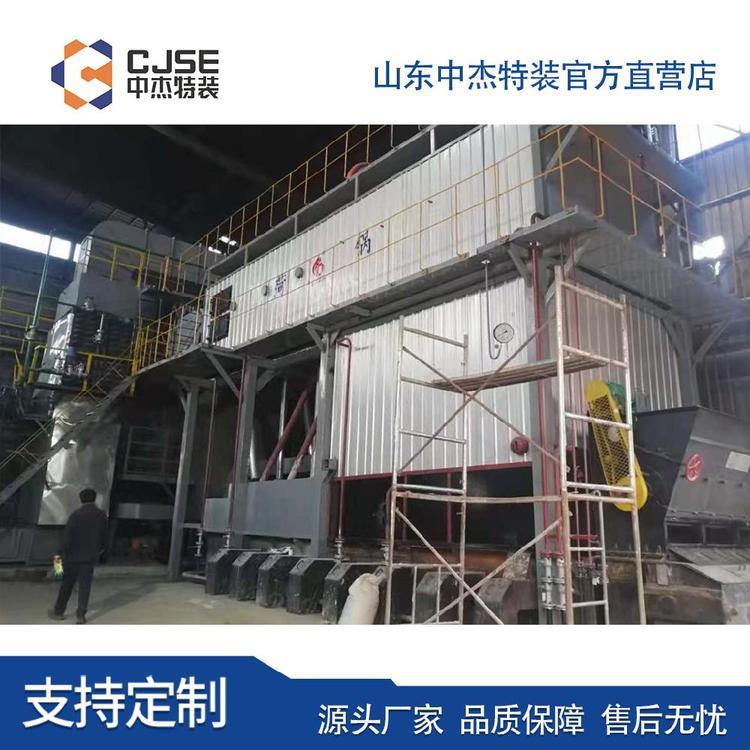


















Shandong Zhongjie Special Equipment (formerly Heze Boiler Factory Co., Ltd.) holds an A-grade boiler manufacturing license, A2-grade pressure vessel manufacturing license, A2-grade pressure vessel design license, B-grade boiler installation, and GB2/Class, GC2/Class pressure pipeline installation licenses, as well as a qualification for electromechanical equipment installation contracts. It is a member of the China Boiler and Water Treatment Association, the China Chemical Equipment Association, and the理事 unit of the Shandong Equipment Manufacturing Association. The company has also passed the ISO9001 Quality Management System, ISO14001 Environmental Management System, OHSAS18001 Occupational Health and Safety Management System certifications, and the U.S. ASME/U2 certification.
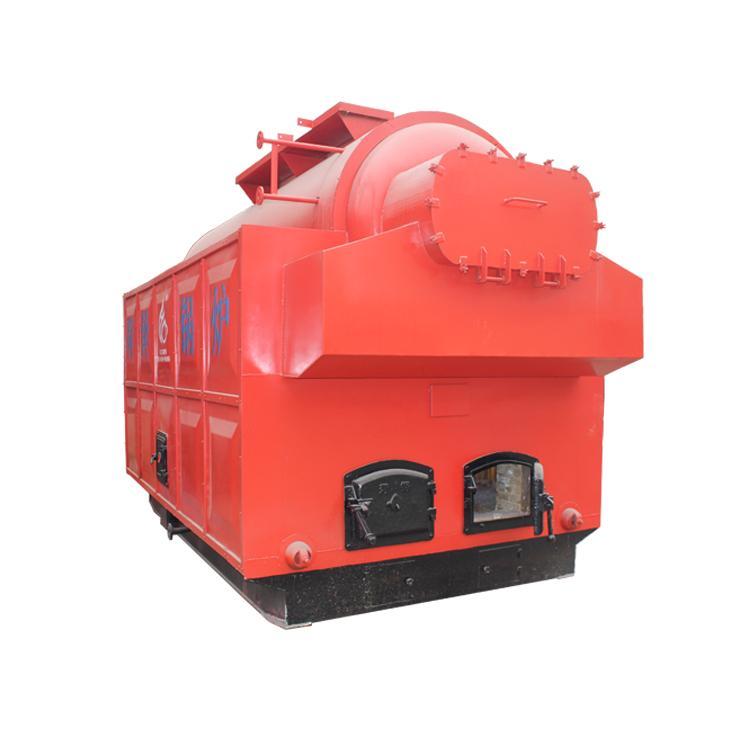
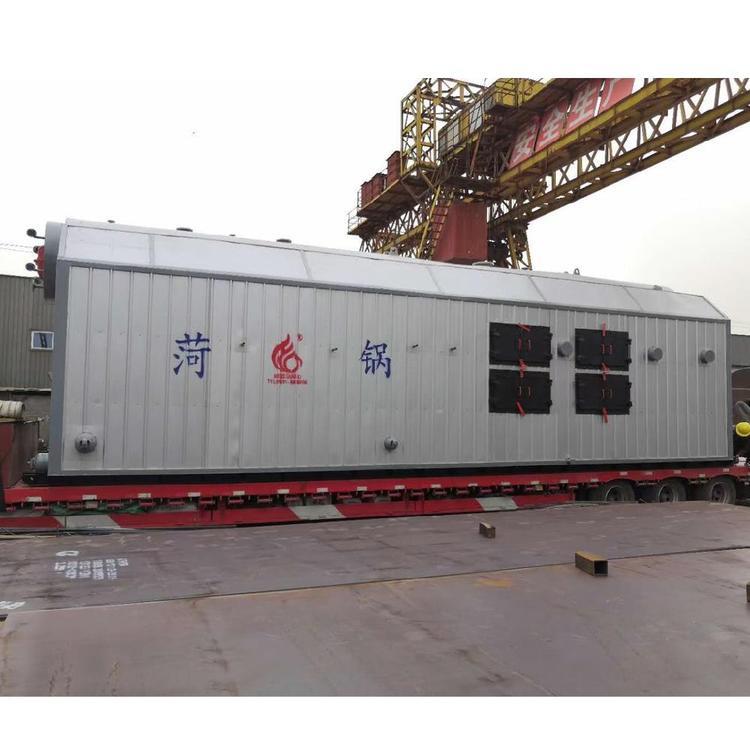
Biomass fuel boilers feature the following product characteristics:
Fuel diversity: Biomass boiler can accommodate a variety of biomass fuels such as wood chips, straw, rice hulls, etc. This diversity allows biomass boilers to be more flexible and sustainable in energy utilization.
Eco-friendly Low Emission: Biomass fuel boilers burn biomass fuel, resulting in relatively low emissions during combustion, such as particulates and nitrogen oxides. Consequently, biomass fuel boilers offer lower carbon emissions and environmental pollution.
Energy-saving: The biomass fuel boiler utilizes advanced combustion technology and heat recovery techniques, enabling efficient combustion and energy utilization. High combustion and thermal efficiency maximize the energy potential of biomass fuel.
Automation Control: The biomass fuel boiler is equipped with an automated control system that accurately regulates and adjusts parameters such as temperature, pressure, and fuel supply. The control system features safety protection functions to ensure the safe operation of the boiler.
High Reliability and Stability: The materials and processes used in biomass fuel boilers offer excellent durability and stability. Rigorous quality control and testing ensure the boiler's high reliability and long-term stable operation.
Versatile Application: Biomass fuel boilers are widely applicable in industries, commerce, and households for heating, heating systems, steam generators, etc. They offer flexible installation options and capacity choices to meet the diverse needs of various users.
Biomass boilers can achieve energy conservation and emission reduction through the following methods:
Combustion Technology: The biomass boiler utilizes advanced combustion technologies such as fluidized bed combustion and pellet combustion, which enhance combustion efficiency, ensuring more effective fuel utilization, and reduce energy waste.
Heat Recovery Utilization: During the combustion process, biomass boilers produce flue gas containing a large amount of heat energy, which can be recovered and utilized through a flue gas waste heat recovery system. For instance, by using a flue gas waste heat boiler or a flue gas heat exchanger, the heat energy in the flue gas is converted into hot water, steam, or other forms of heat energy, enhancing energy utilization efficiency.
Control combustion parameters: Biomass boilers can achieve optimal combustion effects by controlling parameters such as combustion temperature and oxygen supply. Reasonable combustion parameters can enhance combustion efficiency, reduce fuel consumption, and decrease emissions.
Fuel Quality Control: Selecting biomass fuels by volume, such as those with high dryness and low ash content, can enhance combustion efficiency and reduce the generation of ash and pollutants.
Regular maintenance and cleaning: Perform regular maintenance and cleaning on biomass boilers to remove ash and soot from the combustion chamber and flue, ensuring the normal operation and combustion of the boiler.
Our Control System: Utilizes an automatic control system that can monitor and adjust the operational status of biomass boilers in real-time, ensuring the stability of the combustion process.
By implementing these measures, biomass boilers can achieve energy conservation and emission reduction, enhance energy utilization efficiency, decrease carbon emissions and the generation of pollutants, and be more environmentally friendly.
Biofuel boiler furnace ash blowing refers to the cleaning operation of the combustion area within the furnace by means of an ash blowing device. The purpose of ash blowing is to remove ash and slag from the furnace, maintain the unobstructed flow of the combustion area, and enhance the combustion efficiency and operational stability of the boiler.
Furnace ash blowing operations are generally divided into two types: mechanical ash blowing and pulse ash blowing.
Mechanical Ash Blowing: Mechanical ash blowing is a process that uses mechanical devices, such as rotary ash blowers and chain ash blowers, to clean the combustion area within the furnace chamber. The mechanical ash blower rotates or moves periodically, removing ash and soot from the combustion area.
Pulse Blasting: Pulse blasting utilizes high-pressure gas or compressed air,喷射 through nozzles to the combustion area within the furnace, generating shock and vibration to dislodge ash and slag. Pulse blasting is characterized by its effective and quick cleaning performance.
The impact of the furnace ash blowing operation on biomass boilers is mainly reflected in the following aspects:
Clean the combustion area: The furnace ash blowing can burn away the ash and slag in the combustion area, maintaining the畅通 of the combustion area, which is beneficial for the complete combustion of the fuel and improves the combustion efficiency.
Reducing smoke resistance: The furnace ash blowing can burn the ash and slag in the combustion area, reducing the resistance in the smoke passage, which is conducive to the smooth exhaust of smoke, and improves the heat exchange efficiency of the boiler.
The Zhongjie special-purpose biomass boiler body boasts the following technical advantages:
Our combustion technology: The Zhongjie biomass boiler utilizes advanced combustion technologies such as fluidized bed combustion and chain grate combustion, enabling efficient combustion of biomass fuel. It boasts high combustion efficiency and high thermal energy utilization, reducing energy waste.
Multiple Fuel Compatibility: The Zhongjie biomass boiler is adaptable to a variety of biomass fuels such as wood chips, straw, and discarded crops, demonstrating strong fuel versatility. Suitable fuels can be chosen based on actual conditions to achieve diversified energy utilization.
Heat Exchanger Design: The heat exchangers for Zhongjie's biomass boiler installations are designed to maximize the utilization of flue gas heat energy, enhancing thermal efficiency. The material and structural design of the heat exchangers have been optimized for optimal heat conduction and exchange.
Our control system: The control system of our Zhongjie customized biomass boiler allows for precise control and adjustment of parameters such as temperature, pressure, and fuel supply. The control system is equipped with safety protection features, including overheat protection and low water level protection, ensuring the safe operation of the boiler.
Low Emission Environmental Protection: The Zhongjie biomass boiler utilizes advanced combustion and purification technologies to effectively control emissions generated during the combustion process, such as particulate matter and nitrogen oxides. It boasts lower carbon and environmental pollutant emissions.
High Reliability and Stability: The materials and processes used in Zhongjie's customized biomass boiler are known for their durability and stability. Rigorous quality control and testing ensure the boiler's high reliability and long-term stable operation.
Shandong Zhongjie Special Equipment, welcome customers to visit our factory for business discussions.
WeChat Official Account

Scan to follow Official Account



















