


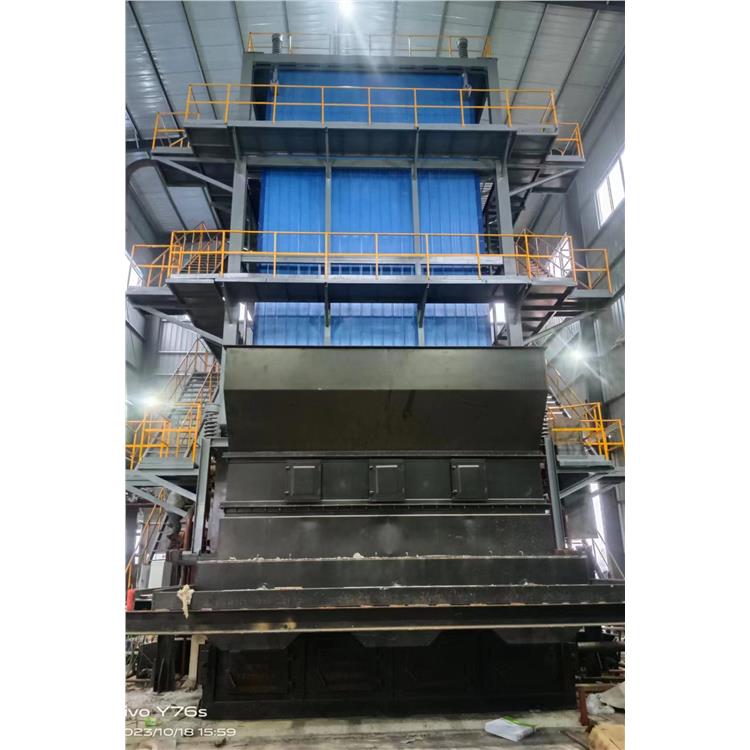

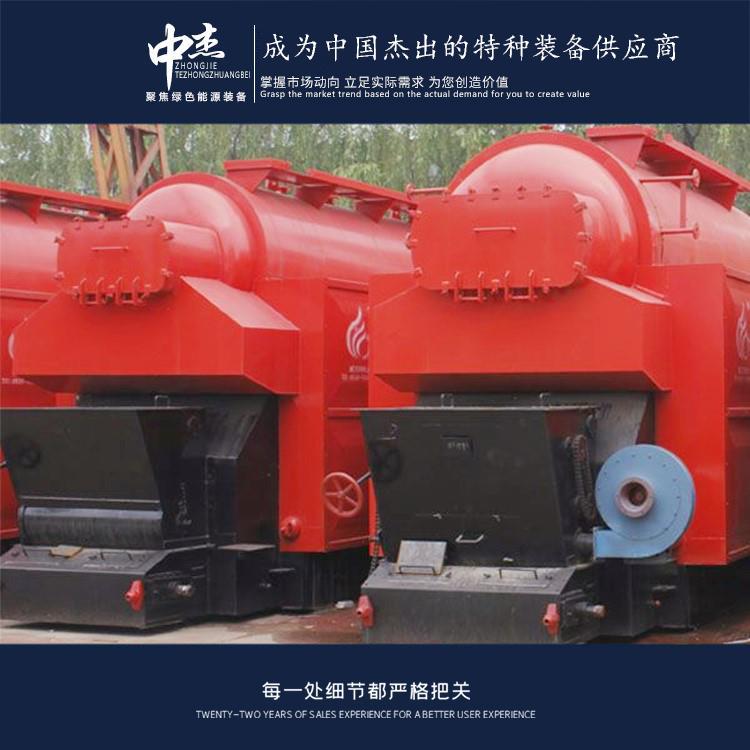
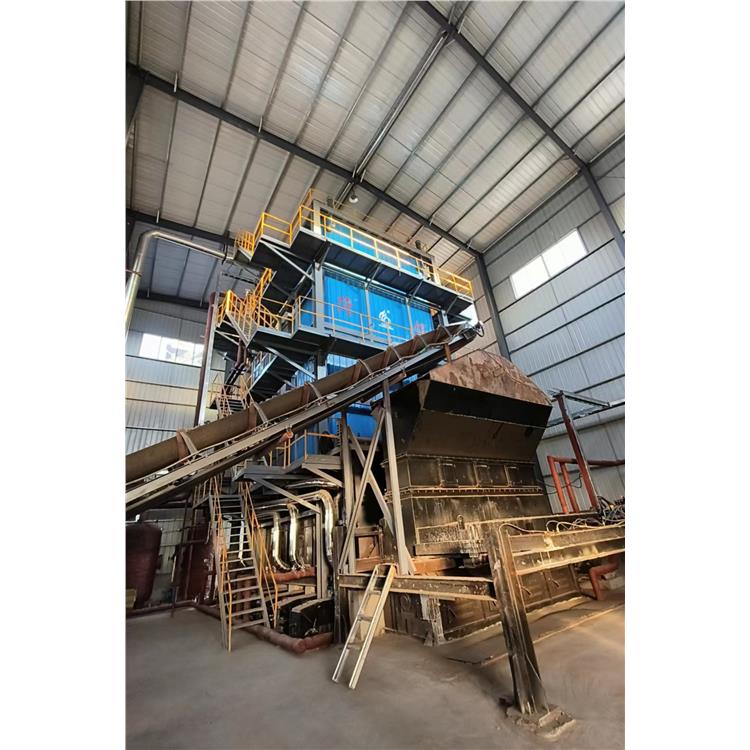


















Shandong Zhongjie Special Equipment (formerly Heze Boiler Factory Co., Ltd.) holds an A-grade boiler manufacturing license, A2-grade pressure vessel manufacturing license, A2-grade pressure vessel design license, B-grade boiler installation license, and GB2/Class, GC2/Class pressure pipeline installation license, as well as an equipment and machinery installation contracting qualification. It is a member of the China Boiler and Water Treatment Association, the China Chemical Equipment Association, and the council unit of the Shandong Equipment Manufacturing Association. The company has also passed the ISO9001 Quality Management System, ISO14001 Environmental Management System, OHSAS18001 Occupational Health and Safety Management System certifications, and the American ASME/U2 certification.
To enhance the thermal efficiency of biomass boilers, consider the following aspects:
Optimize the combustion system: Reasonably adjust the biomass boiler's combustion system, including parameters such as combustion air volume, combustion temperature, and combustion time, to ensure complete fuel combustion and utilization. The adopted combustion technologies, such as fluidized bed combustion and gasification combustion, can enhance combustion efficiency.
Control Excess Air: Properly regulate the air supply during the combustion process of biomass boilers to prevent excessive air from entering the furnace, thereby reducing fuel oxidation and heat loss. Adjust the combustion air flow and distribution to achieve an optimal fuel-air mixture, enhancing combustion efficiency.
Enhanced waste heat recovery: The flue gas produced by biomass boiler combustion contains a large amount of heat energy. This heat can be recovered and utilized through devices like cost-effective air preheaters and economizers, thereby improving the boiler's thermal efficiency.
Optimize boiler operating parameters: Reasonably adjust the operating parameters of biomass boilers, such as boiler water temperature and steam pressure, to enhance thermal efficiency. Adjust the boiler operating mode according to actual demand and load changes, avoiding over-supply or under-supply of heat, and improving energy utilization efficiency.
Regular cleaning and maintenance: Regularly clean and maintain biomass boilers to remove ash and soot from the furnace, ensuring heat exchange efficiency and reducing thermal resistance and losses.
Utilize equipment and materials: Select biomass boiler equipment and materials such as burners, heat exchangers, etc., to enhance thermal conduction and heat exchange efficiency.
By integrating these measures, the thermal efficiency of biomass boilers can be significantly improved, achieving energy utilization.
A biomass boiler safety valve is a device designed to ensure the safety of the boiler system. Its primary function is to automatically open and release excessive pressure when the internal pressure of the boiler exceeds the set value, preventing the boiler from exploding or causing other safety incidents.
Biomass boiler safety valves typically consist of the valve body, valve cover, spring, valve core, and seals. When the internal pressure of the boiler exceeds the set value, the spring is subjected to pressure, pushing the valve core upwards to allow pressure to be discharged through the valve body. Once the pressure drops below the set value, the spring re-closes the valve core, preventing further pressure release.
The setting pressure of a safety valve is typically determined by the design pressure of the boiler and usage requirements. It should be selected and installed according to relevant standards and specifications, and regularly inspected and maintained to ensure proper operation and reliability.
The presence of a biomass boiler safety valve effectively safeguards the boiler system's safety, preventing hazardous situations caused by excessive pressure. It is one of the crucial safety devices in the biomass boiler system.
During the operation of biomass boilers, the following aspects should be noted:
Fuel Selection: Choose a biomass fuel that suits your needs, considering factors such as supply stability, quality, and cost. Additionally, be aware of the fuel's characteristics and combustion properties to ensure it meets the boiler's requirements.
Equipment Selection: Choose appropriate biomass boiler equipment based on actual needs, including boiler type, capacity, and configuration. Consider factors such as fuel characteristics, thermal load requirements, and environmental protection standards to ensure the equipment meets operational needs.
Installation and Commissioning: When installing a biomass boiler, follow relevant specifications and requirements for installation, and conduct necessary adjustments and testing to ensure the safe and reliable operation of the equipment.
Operations Management: Establish and maintain robust operational management systems, encompassing daily operations, maintenance, and care of equipment. Regularly inspect equipment for operational status and promptly address any malfunctions or anomalies.
Combustion Control: Reasonably control the combustion process, including fuel supply, combustion air adjustment, and combustion temperature control. Improve combustion efficiency and environmental performance through optimized combustion parameters.
Flue Gas Treatment: Handles flue gases produced by biomass boiler combustion, including dust removal from particulates, nitrogen oxide denitration, and other decontamination processes. Ensures flue gas emissions compliance.
Safety Protection: Enhance safety measures for equipment, including automated control of combustion systems, monitoring and protection of pressure and temperature. Ensure the safe and reliable operation of the equipment to prevent accidents.
Knowledge Training: Provide necessary training for operators and managers to enhance their understanding and operational skills in biomass boilers. Ensure personnel are capable of correctly operating equipment and promptly addressing operational issues.
When planning and arranging the bag dust collector for biomass boiler, the following aspects should be considered:
Baghouse location: The baghouse should be positioned near the biomass boiler flue gas outlet to effectively capture particulates in the flue gas. Additionally, the location of the baghouse should facilitate operation and maintenance, ensuring ease of cleaning and filter bag replacement.
Arrangement of flue gas进出口: The flue gas进出口 of the bag dust collector should be connected to the flue gas pipeline of the biomass boiler to ensure smooth entry and exit of the flue gas from the collector. The arrangement should consider the uniformity of flue gas flow and minimize resistance to enhance the dust removal efficiency and operating efficiency of the system.
Baghouse dust collector dimensions and capacity: Determine the dimensions and capacity of the baghouse based on the biomass boiler's flue gas flow rate and particulate load. Ensure the baghouse meets the flue gas treatment requirements and achieves the expected dust removal effect.
Bag filter arrangement and selection: Bag filters are the core components of bag dust collectors, and the appropriate filter material and specifications should be chosen based on the characteristics of the flue gas and the nature of the particulate matter. The arrangement of the filters should be reasonable to ensure the flue gas can pass through the filters evenly, maximizing the capture of particulate matter.
Dust removal system arrangement: Bag filters require regular cleaning to maintain filter bag cleanliness and dust removal efficiency. The arrangement of the dust removal system should facilitate operation and maintenance, ensuring the effectiveness and efficiency of cleaning.
Arrangement of emission pipelines: After treatment by the bag filter, flue gas must be discharged into the atmosphere. The arrangement of the emission pipelines should ensure the safety and compliance of flue gas emissions.
When planning and arranging the biomass boiler bag dust collector, it is recommended to collaborate with an environmental engineer or equipment supplier, design and construct based on specific conditions, to ensure the operation and environmental protection effect of the dust removal system.
Our company highly values technological innovation and R&D design, boasting 1 municipal-level enterprise technology center in Heze City. We have established testing facilities for non-destructive testing, physical and chemical testing, welding testing, hydrostatic testing, and more. We are equipped with over 600 pieces of various instruments and equipment, including CNC machine tools, X-ray flaw detectors, digital ultrasonic flaw detectors, mechanical property testing machines, chemical analyzers, spectrometers, tensile testing machines, plasma welding machines, and more. The key products we have developed, such as temperature and pressure vessel welding, biomass boiler emission reduction, and waste heat utilization, have successively been selected for multiple Shandong Provincial Department of Industry and Information Technology science and technology projects, Shandong Provincial key projects, and Heze City innovative and excellent projects. We have cumulatively obtained 27 authorized utility models, 16 authorized inventions, participated in drafting 2 standards, 2 industry standards, and registered 15 trademarks. The technical team of our company, in collaboration with Professor Yajiang Li of Shandong University, has developed deep cryogenic container processing technology using the internationally recognized plasma arc + wire filling tungsten inert gas arc welding (PAW-GTAW) technology. After provincial-level scientific and technological achievement appraisal, the technology level has reached international standards in the field of deep cryogenic container manufacturing. Choose Zhongjie Special Equipment, and let's create brilliance together!
WeChat Official Account

Scan to follow Official Account



















