


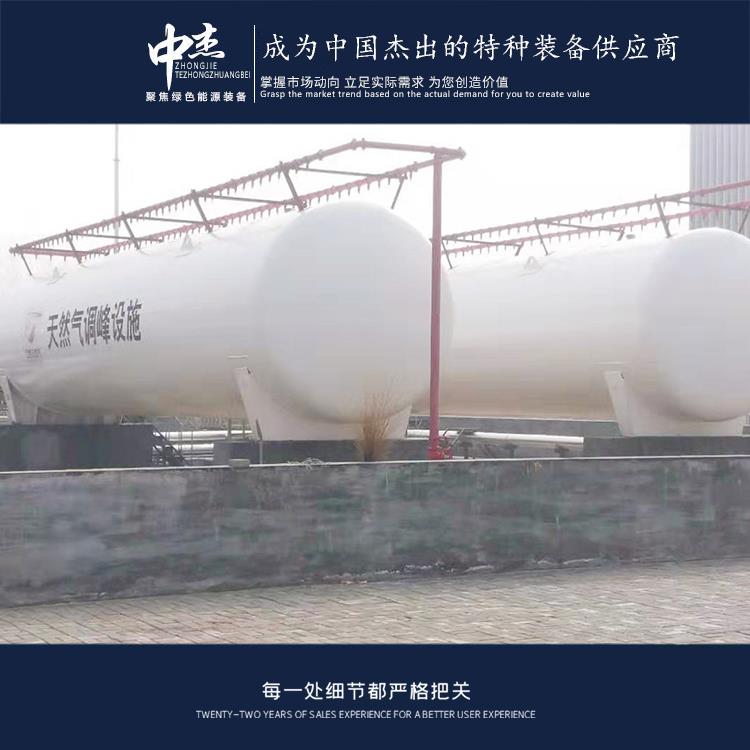

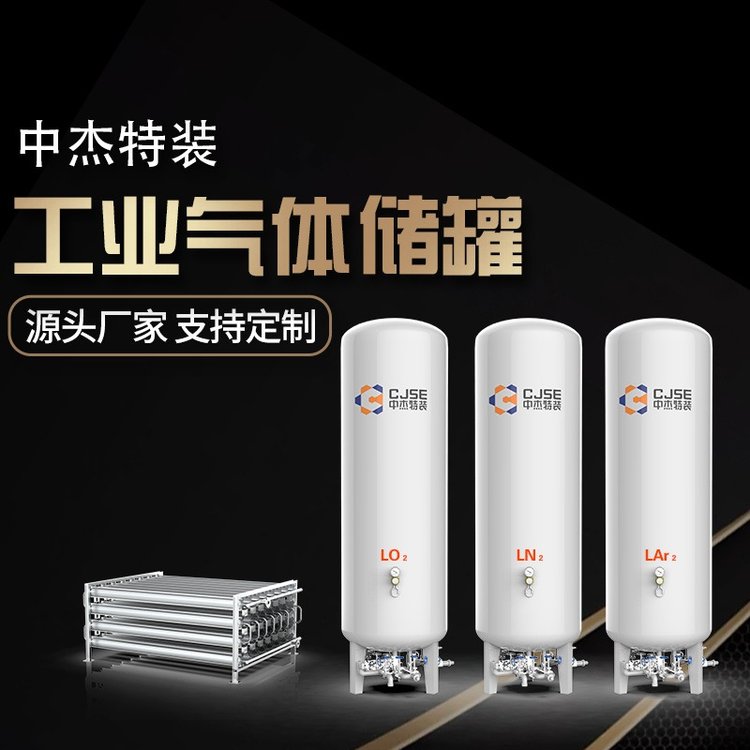
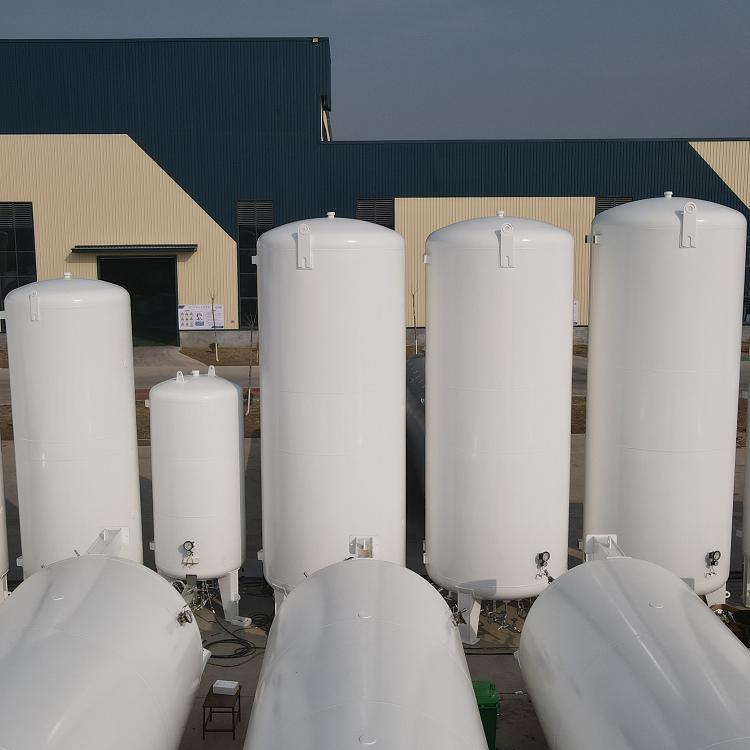


















Shandong Zhongjie Special Equipment (formerly Heze Boiler Factory Co., Ltd.) holds an A-grade boiler manufacturing license, an A2-grade pressure vessel manufacturing license, an A2-grade pressure vessel design license, a B-grade boiler installation license, and GB2/Class, GC2/Class pressure pipeline installation licenses, as well as an electromechanical installation contracting qualification. It is a member of the China Boiler and Water Treatment Association, the China Chemical Equipment Association, and a director unit of the Shandong Equipment Manufacturing Association. The company has also passed the ISO9001 Quality Management System, ISO14001 Environmental Management System, OHSAS18001 Occupational Health and Safety Management System certifications, and the American ASME/U2 certification.
Before using a CO2 storage tank, certain inspection and filling points must be addressed. Here are some common precautions:
- Inspect the tank exterior: Check for any visible damage, corrosion, or signs of leakage. Ensure the tank shell is intact.
- Check valves and fittings: Verify that the tank's valves and fittings are securely fastened and there are no leaks. Ensure proper operation.
- Inspect the pressure gauge: Confirm that the tank's pressure gauge is functioning correctly and readings are accurate. Replace or repair if abnormal.
- Check the level indicator: Ensure the tank's level indicator is working properly and accurately displays the level. Repair or replace if abnormal.
- Inspect the pressure relief device: Check that the tank's pressure relief device (e.g., safety valve) is functioning correctly and the set pressure meets requirements. Repair or replace if abnormal.
- Inspect the filling equipment: Verify that the filling equipment (e.g., filling pipes, pumps) is operating correctly with no leaks or blockages. Ensure safety and reliability.
- Filling operation: During the filling process, pay attention to the following:
- Control the filling speed to avoid too fast or too slow.
- Control the filling pressure to prevent exceeding the tank's rated pressure.
- Monitor the level to ensure filling to the appropriate level.
- Regularly inspect filling equipment and valves to ensure proper operation.
- Safety measures: Adhere to relevant safety regulations and procedures during the filling process. Operators should wear appropriate protective gear, such as static-dissipative clothing, gloves, etc.
- Note that specific inspection and filling points may vary depending on the tank type and application. Before using a CO2 storage tank, conduct inspections and operations according to relevant specifications and standards, and consult with experts to ensure safety and effectiveness.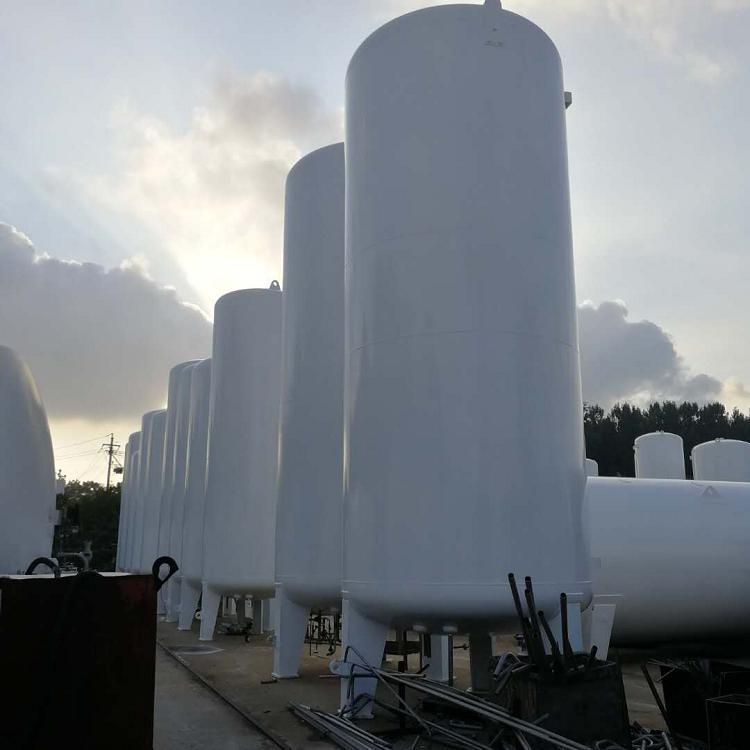
In recent years, the surge in the development of low-temperature liquid storage tanks can be attributed to the following factors:
- Increasing Energy Demand: With economic growth and population expansion, the demand for energy has surged. Low-temperature liquid storage tanks are primarily used for storing liquefied natural gas (LNG), liquid oxygen (LOX), and liquid nitrogen (LIN), among other cryogenic liquids, to meet the growing energy needs.
- Greenhouse Gas Emission Reduction: These tanks can store and transport liquid carbon dioxide (CO2), which is used in carbon capture and storage (CCS) technology to reduce greenhouse gas emissions. As environmental protection and climate change concerns rise, the demand for low-temperature liquid storage tanks in the CCS field also increases.
- Industrial Development Needs: The application of low-temperature liquid storage tanks in the industrial sector is also on the rise. For instance, in industries such as chemicals, pharmaceuticals, food and beverage, there is a need to store and transport cryogenic raw materials or products like liquid nitrogen, liquid oxygen, and liquid ethylene. As these industries grow, so does the demand for low-temperature liquid storage tanks.
- Technological Advancements and Innovation: In recent years, there have been continuous advancements and innovations in the design, manufacturing, and transportation of low-temperature liquid storage tanks. The application of new materials, optimization of tank structures, and improvements in safety control systems have made these tanks safer and more reliable, further propelling their peak development.
In summary, factors such as increasing energy demand, greenhouse gas emission reduction, industrial development needs, and technological advancements and innovation have collectively driven the peak development of low-temperature liquid storage tanks in recent years. As related industries grow and technology progresses,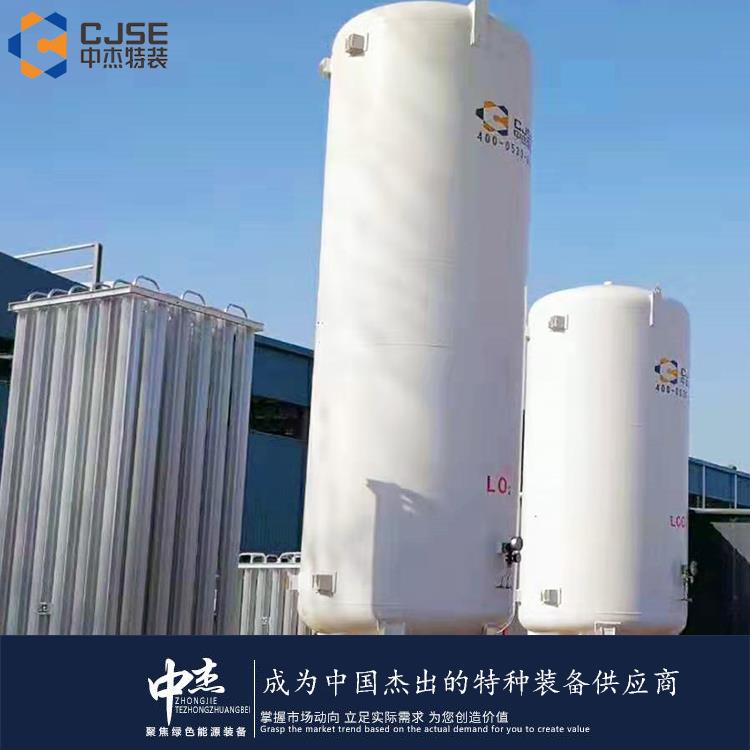
In daily operation, CO2 storage tanks require protection and maintenance to ensure proper functioning and safety. Here are some common protection and maintenance methods:
- Visual Inspection: Regularly check the tank's exterior for signs of corrosion, wear, and cracks. If any abnormalities are found, take prompt repair actions.
- Seal Integrity Check: Periodically inspect the tank's sealing performance, particularly at valves, pipe connections, and the tank itself. Ensure there are no leaks, and address any leaks promptly.
- Temperature Control: Maintain a suitable ambient temperature around the tank and implement appropriate insulation measures to ensure the tank's interior remains at a低温 state.
- Pressure Relief Device Inspection: Regularly check the tank's pressure relief devices, such as safety valves, to ensure they are operating correctly. Verify that the set pressure meets requirements and perform regular maintenance and replacements.
- Level Monitoring: Regularly monitor the tank's liquid level to ensure accurate measurements. If an abnormal level is detected, promptly investigate the cause and take appropriate actions.
- Regular Cleaning: Regularly clean the interior of the tank to remove accumulated debris and dirt. Be cautious during cleaning to avoid using flammable and corrosive substances.
- Regular Testing: Conduct regular pressure testing and leak detection on the tank to ensure its safety performance meets requirements. The frequency and methods of testing should comply with relevant regulations and standards.
- Storage Capacity Control: Control the tank's storage capacity to prevent exceeding the rated capacity. Overfilling can lead to excessive pressure and increase safety risks.
- Note: Specific protection and maintenance methods may vary depending on the type of tank and its application.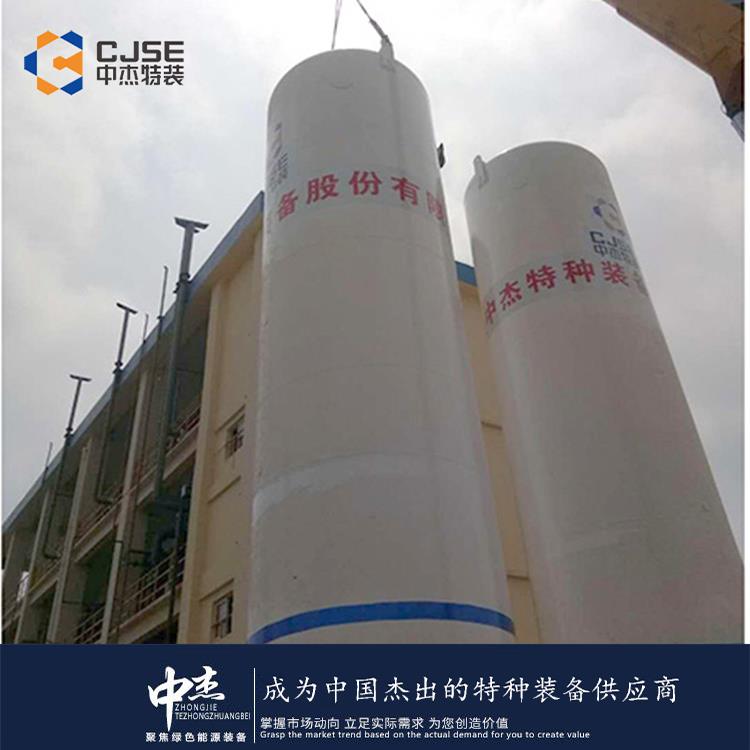
Common drawbacks of corrosion in pressure vessels during use include:
- Chemical media: Some chemical media are corrosive, such as acids, bases, and salts. When these media come into contact with the vessel material, corrosion may occur.
- Humidity and moisture: High humidity environments or long-term exposure to moisture can lead to corrosion on the vessel surface, especially when oxygen is present, which may accelerate the corrosion rate.
- Rusting: When the protective layer on the vessel surface (such as coatings or plating) is damaged or destroyed, the vessel may suffer from rusting. Rusting can damage the vessel's surface and may lead to further corrosion.
- Electrochemical corrosion: When different metals or metals and non-metals come into contact, an electrochemical corrosion battery may form. This type of corrosion can cause localized corrosion on the vessel surface.
- Welding defects: Defects such as weld pores and cracks may be introduced during the welding process. These defects may become starting points for corrosion.
- Corrosion weakens the structural integrity of the vessel, increasing the risk of leakage or rupture. Therefore, regular inspection and maintenance of the corrosion-resistant layer, coating, or plating on pressure vessels are crucial. If corrosion issues are found, appropriate measures should be taken to repair or replace the damaged parts promptly.
- Additionally, selecting appropriate materials and corrosion prevention measures, as well as proper operation and maintenance methods, can reduce the risk of corrosion in pressure vessels. Adhering to relevant safety operating procedures and standards ensures the safe operation of pressure vessels.
Zhongjie Special Equipment adheres to the grand vision of "realizing employees' dreams, creating value for customers, and striving for the prosperity and strength of our motherland," wholeheartedly devoting itself to the development of green energy equipment. We offer the society products and services with high cost-performance!
WeChat Official Account

Scan to follow Official Account



















