


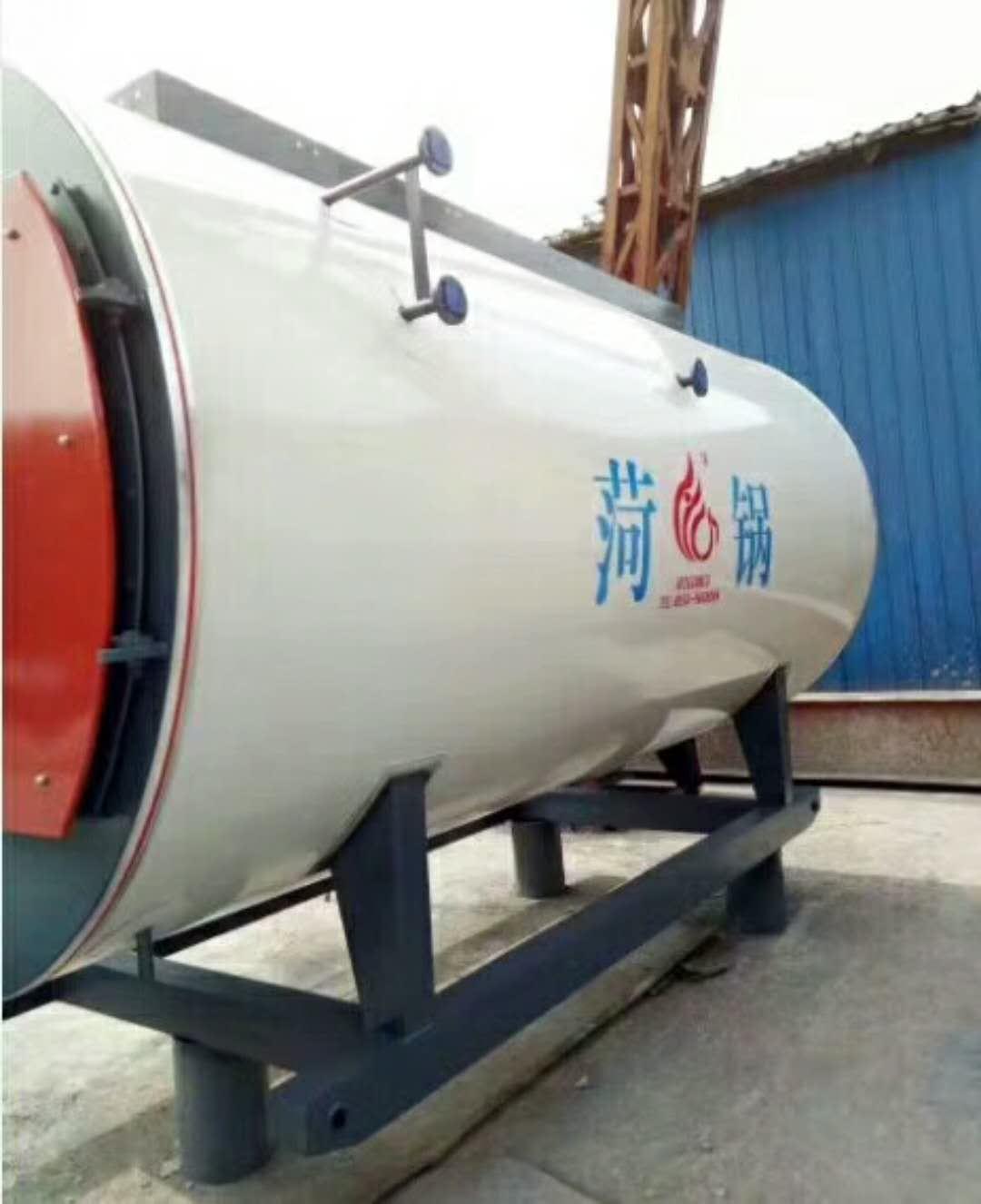

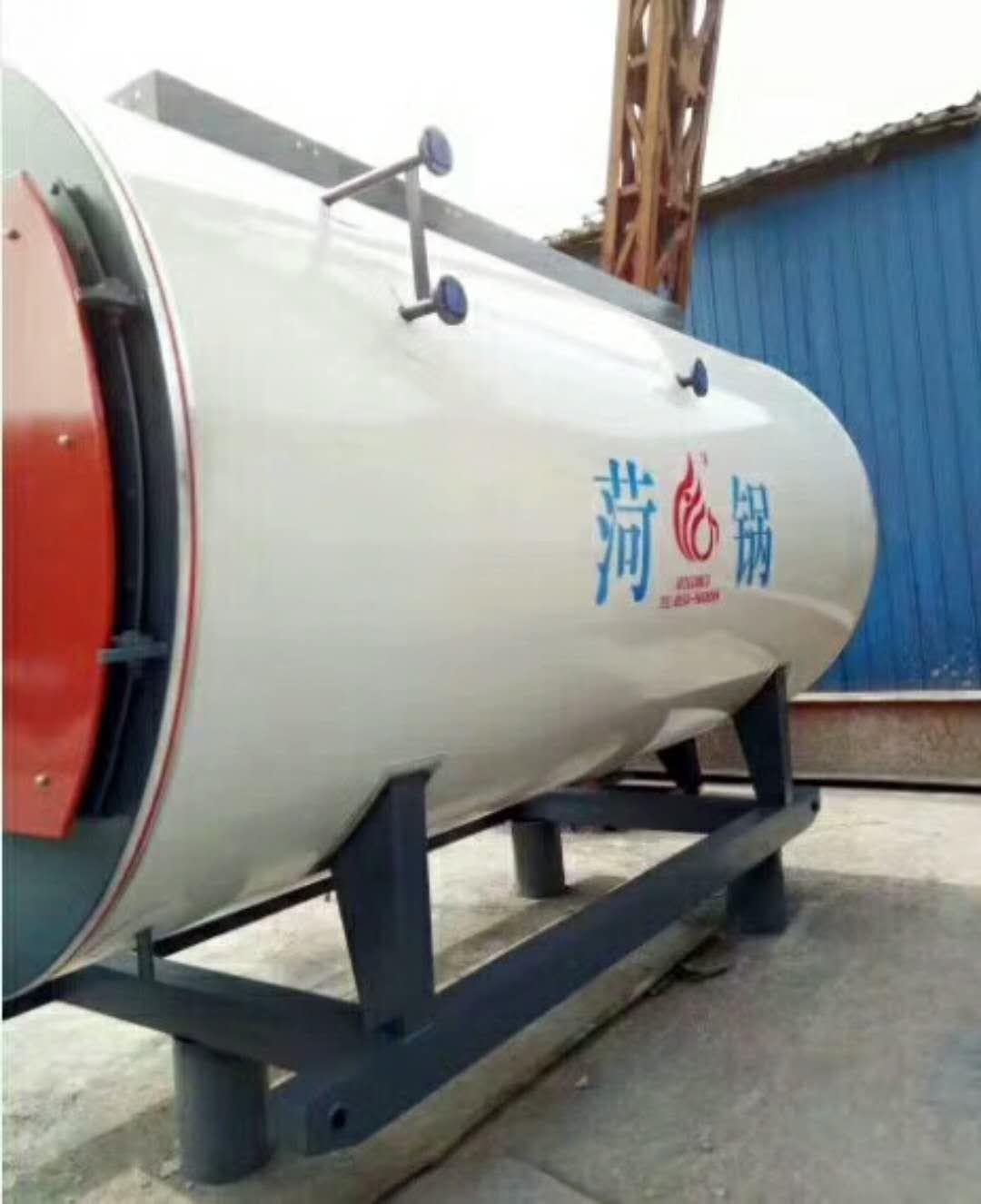
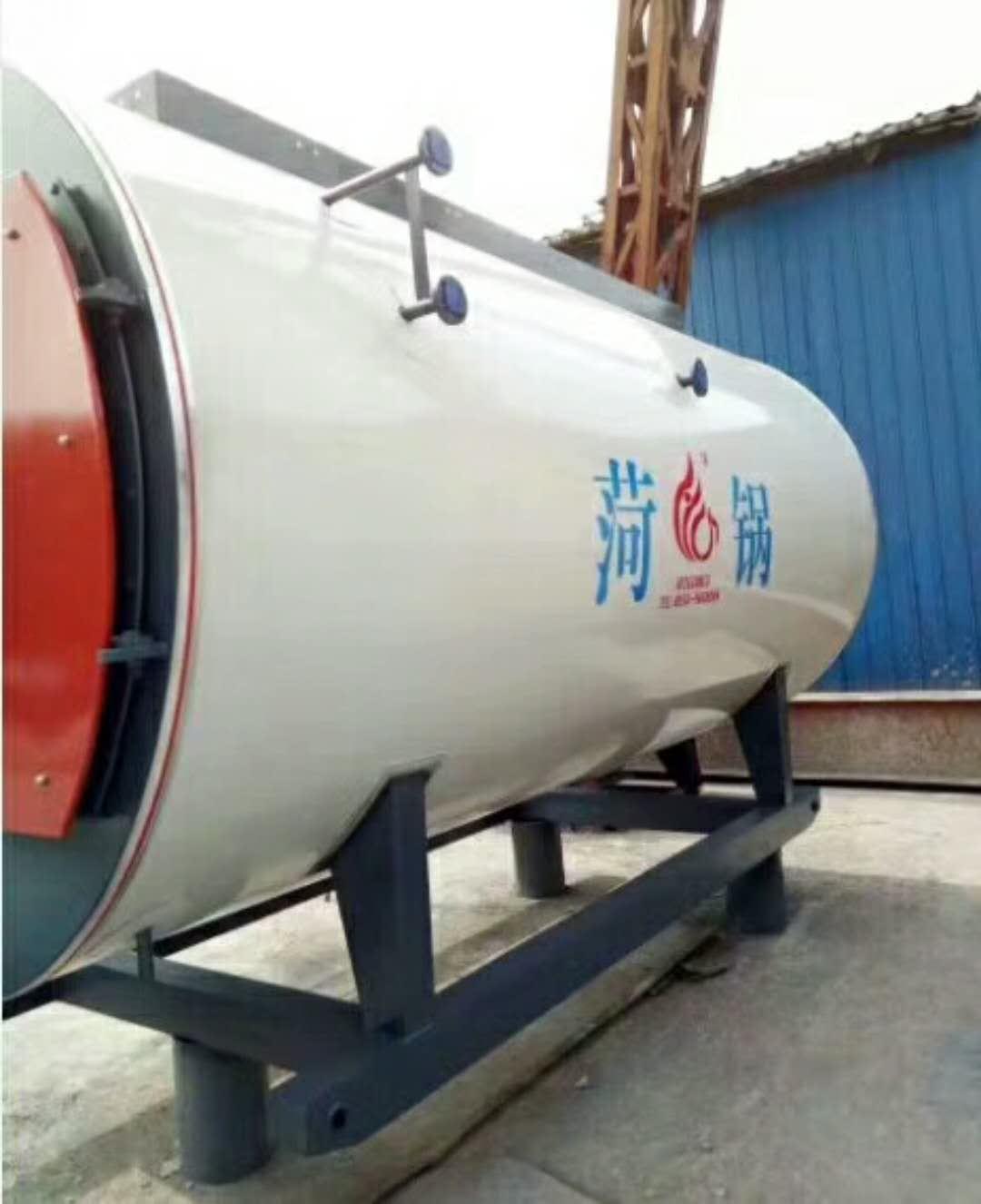


















Shandong Zhongjie Special Equipment (formerly Heze Boiler Factory Co., Ltd.) was established in 2001, located at No. 2218 Jinnan Road, Economic and Technological Development Zone, Heze City. With a registered capital of 50 million yuan and total assets of 500 million yuan, the company has seven business centers: boilers, deep-freeze containers, pressure vessels, central air conditioning, engineering installation, international trade, and Internet of Things. It has three factory sites on Jinnan Road, East Yangtze Road, and Bohai Road, covering a total area of 200,000 square meters, with the main workshop spanning 83,000 square meters. It currently employs 710 people, including 247 engineers and technicians and 82 intermediate-level technicians. In December 2016, it was recognized as a "High-tech Enterprise" by the Science and Technology Department. In June 2021, it was identified as a "Specialized and New Enterprise in Shandong Province" by the Department of Industry and Information Technology. In June 2022, it was recognized as a "Gazelle Enterprise in Shandong Province" and in August 2022, as a "Specialized and New Small Giant Enterprise" by the Ministry of Industry and Information Technology.
The quality of CO2 storage tanks is influenced by several factors:
- Material Quality: The quality of the material used directly impacts the tank's corrosion resistance, strength, and sealing performance. Common materials include carbon steel and stainless steel. Choosing high-quality materials can enhance the tank's quality and lifespan.
- Manufacturing Process: The manufacturing process significantly affects the tank's quality. Welding, heat treatment, and surface treatment during production must comply with relevant standards and regulations to ensure structural integrity and performance stability.
- Design Specifications: The tank's design must adhere to applicable design specifications and standards, such as industry standards. A well-designed tank ensures sufficient strength and safety under normal operating conditions.
- Safety Components: Safety components like relief valves, pressure sensors, and temperature sensors play a crucial role in the tank's quality and safety. Selecting high-quality components and ensuring proper installation and adjustment can improve the tank's quality and safety.
- Inspection and Testing: Inspections and tests, such as material testing, weld inspections, and pressure tests, are required during the manufacturing process. These checks ensure the tank meets quality requirements and complies with safety standards.
- Operation and Maintenance: The tank's operation and maintenance also impact its quality. Proper use and regular maintenance can extend the tank's lifespan and maintain its optimal working condition.
In summary, the quality of CO2 storage tanks is influenced by factors such as material quality, manufacturing process, design specifications, safety components, inspections and testing, and operation and maintenance. When selecting and using storage tanks, attention should be given to these factors to ensure quality and safety.
Key measures to ensure the quality of CO2 storage tanks include the following aspects:
1. Selecting qualified suppliers: Choose suppliers with a good reputation and experience, ensuring that the tanks they provide meet relevant quality standards and regulations. This can be achieved by assessing suppliers' qualifications, referencing customer reviews, and conducting on-site inspections to select suitable suppliers.
2. Strict quality control: Implement strict quality control measures during the manufacturing process of the tanks. This includes selecting and inspecting raw materials, controlling production processes, monitoring process parameters, product testing, and ensuring the tanks meet quality requirements.
3. Compliance with standards and regulations: The design, manufacturing, and installation of the tanks should comply with relevant standards and regulations, such as industry standards and specifications. These include structural design, material selection, welding processes, corrosion prevention measures, safety valves, and pressure sensor configurations.
4. Regular inspections and maintenance: Tanks in use should undergo regular inspections and maintenance to ensure safety and reliability. This involves checking the tank's appearance, seals, valves, and pipe connections, conducting regular pressure tests and leak detection, and addressing any anomalies promptly.
5. Establishing a quality management system: Establish a comprehensive quality management system, including quality control processes, documentation, quality training, and internal audits. By establishing a quality management system, tank quality control and continuous improvement can be ensured.
6. Third-party testing and certification: Delegate tank testing and certification to third-party agencies to verify quality and compliance. Third-party testing and certification bodies are typically independent and objective, providing impartial assessment and certification results.
By implementing these measures, the quality of CO2 storage tanks can be effectively ensured, enhancing their safety and reliability.
For the maintenance and care of low-temperature liquid storage tanks, here are some tips and precautions:
- Regular Inspections: Regularly check the tank's exterior, internal lining, valves, and pipe connections for signs of corrosion, cracks, or oil leaks.
- Cleaning and Drainage: Regularly clean the interior of the tank to remove accumulated impurities and sediments. Also, regularly drain the tank to remove liquid and gas impurities.
- Corrosion Protection: The exterior and inner lining of low-temperature liquid storage tanks should be treated with corrosion protection. Regularly inspect and maintain the protective layer or coating to ensure its integrity and effectiveness.
- Temperature and Pressure Control: The temperature and pressure of the low-temperature liquid storage tank should be controlled within the design limits. Avoid extremes that could damage the tank.
- Safety Equipment Inspection: Check the tank's safety equipment, such as safety valves, pressure sensors, and temperature sensors, to ensure they are functioning properly. Verify that their set parameters meet requirements.
- Maintenance of Level Measurement System: Regularly inspect and calibrate the level measurement system to ensure accuracy and reliability. Clean or replace level sensors as needed.
- Fire Prevention Measures: Fire prevention measures are crucial for low-temperature liquid storage tanks. Ensure that fire protection equipment around the tank is in good condition and conduct regular fire drills.
- Regular Assessment and Monitoring: Regularly assess and monitor the tank, including structural integrity, corrosion, and safety aspects. Take appropriate maintenance and repair actions based on assessment results.
- Operator Training: Operators should receive training on the characteristics, operation requirements, and safety measures of low-temperature liquid storage tanks. Training should include safe operation, leak handling, and emergency procedures.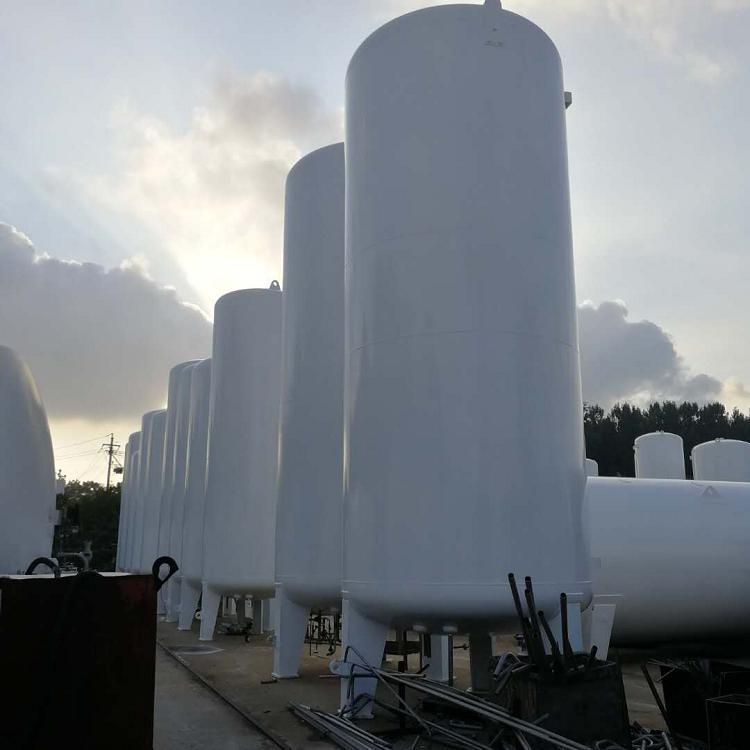
The filling process for carbon dioxide storage tanks typically includes the following steps:
Preparation: Ensure the tank and filling equipment are in good working condition. Check the tank's appearance and valves for damage or leaks. Inspect the filling equipment's connection pipes and valves for looseness or leaks.
Prepare liquid carbon dioxide: Extract liquid carbon dioxide from the supply source and transfer it to the tank of the filling equipment. Ensure the quality and purity of the liquid carbon dioxide meet the requirements.
Connect the filling equipment: Attach the outlet pipe of the filling equipment to the tank's inlet valve. Ensure the connection is secure and there are no leaks.
Open valves: Activate the corresponding valves on the filling equipment and the tank to allow liquid carbon dioxide to flow into the tank. Adjust the valves as needed to control the filling rate and pressure.
Monitor the liquid level: Use a level sensor or other liquid level measuring device to monitor the liquid level of carbon dioxide in the tank in real-time. Ensure the level is within the safe range and avoid over-filling.
Filling complete: When the liquid level in the tank reaches the predetermined filling volume, close the corresponding valves on the filling equipment and the tank to stop the filling of liquid carbon dioxide.
Inspection and cleaning: Check the valves and pipe connections during the filling process for leaks. Clean up any remaining liquid carbon dioxide around the filling equipment and tank.
Documentation and reporting: Record relevant information about the filling process, including the filling date, volume, and level monitoring results. Submit filling reports to relevant departments or managers as needed.
The above is a general carbon dioxide storage tank filling process. Specific operations should be tailored to the tank's characteristics and requirements. When conducting filling operations, follow relevant safety operating procedures and have trained professionals oversee the process.
Zhongjie Special Equipment adheres to the great vision of "realizing employees' dreams, creating value for customers, and striving for the prosperity and strength of our motherland," focusing solely on the development of green energy equipment. We dedicate high-value products and services to society!
WeChat Official Account

Scan to follow Official Account



















