


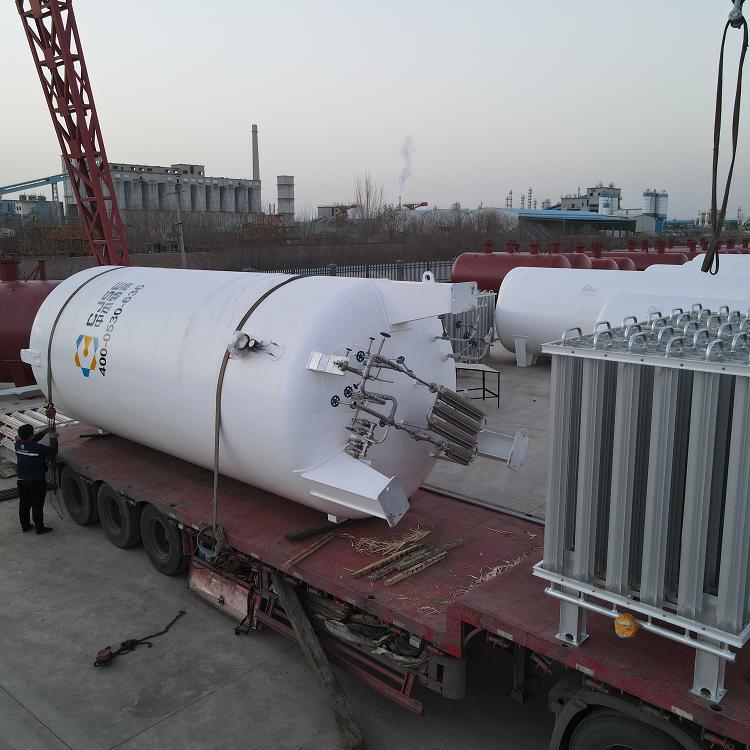

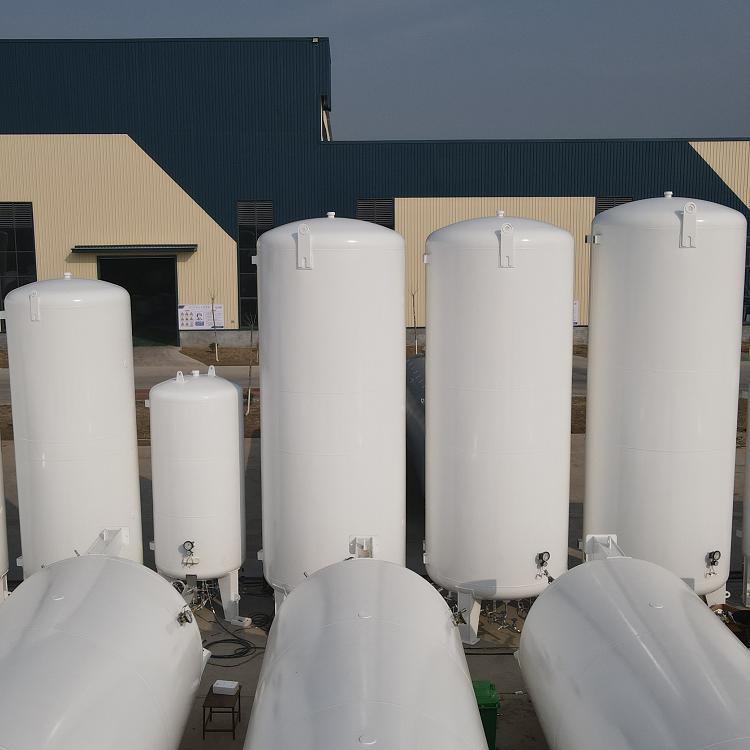
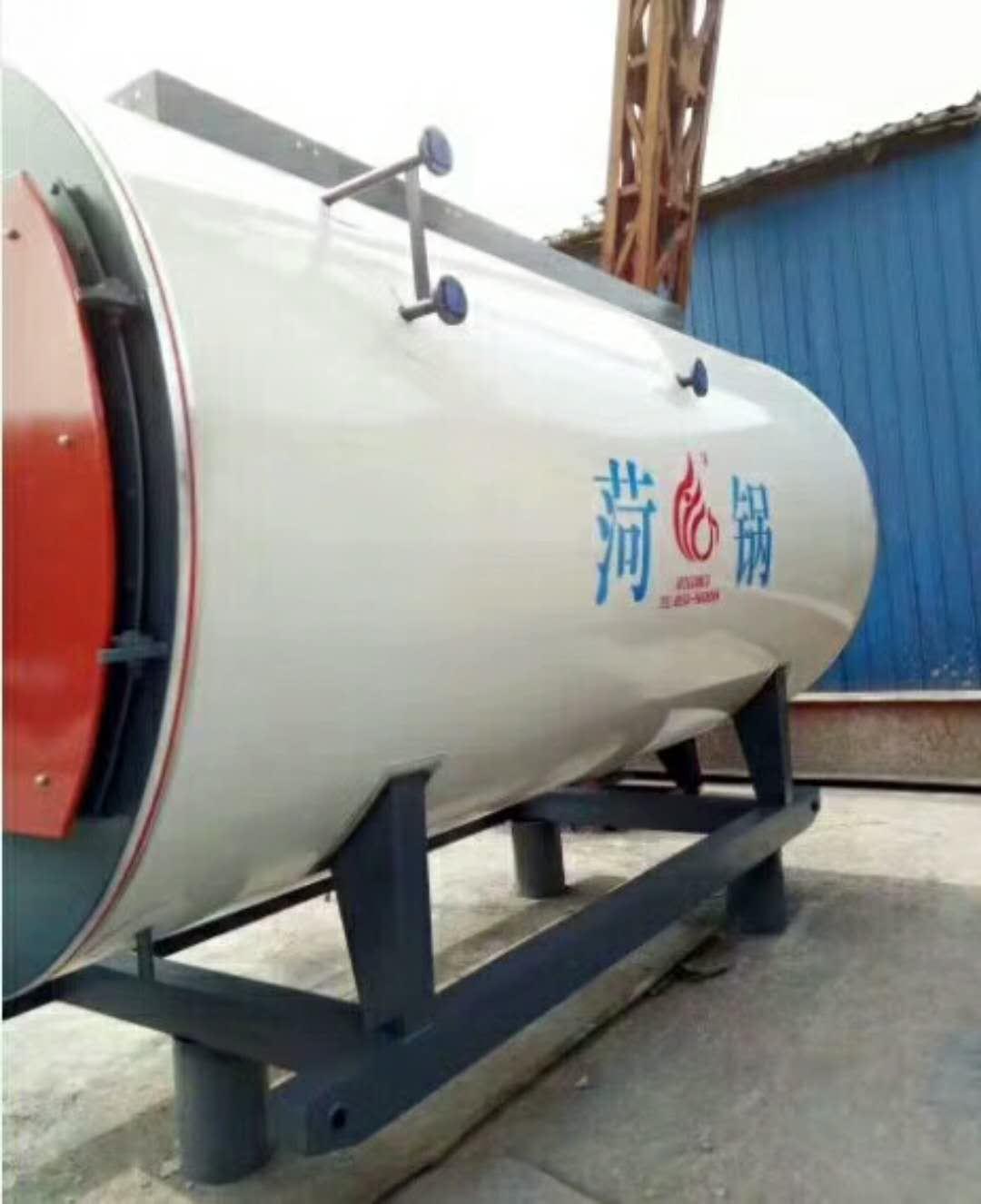


















Shandong Zhongjie Special Equipment (formerly Heze Boiler Factory Co., Ltd.) holds an A-grade boiler manufacturing license, an A2-grade pressure vessel manufacturing license, an A2-grade pressure vessel design license, a B-grade boiler installation license, and GB2/Class, GC2/Class pressure pipeline installation licenses, as well as a mechanical and electrical equipment installation contracting qualification. It is a member of the China Boiler and Water Treatment Association, the China Chemical Equipment Association, and the council member of the Shandong Equipment Manufacturing Association. The company has also passed the ISO9001 Quality Management System, ISO14001 Environmental Management System, OHSAS18001 Occupational Health and Safety Management System certifications, and the American ASME/U2 certification.
When filling liquid carbon dioxide tanks, attention should be given to the following aspects:
Safety Operations: During the filling process, it is mandatory to adhere to relevant safety operation procedures and standards. Operators should receive training to understand the operational requirements and safety measures of the filling equipment and operate strictly according to the procedures.
Tank Inspection: Before filling, the tank must be inspected to ensure its integrity and safety. Check the tank's appearance, sealing, valves, and pipe connections, and promptly repair or replace any abnormalities or damages found.
Filling Equipment: Select appropriate filling equipment, ensuring it complies with relevant standards and requirements. The filling equipment should have a safe and reliable design and operational functions to ensure the safety and efficiency of the filling process.
Filling Rate Control: Controlling the filling rate is crucial. Excessive filling speed can lead to high tank pressure, increasing safety risks. The filling rate should be controlled based on the tank's capacity and design requirements to ensure safe filling.
Pressure Control: During the filling process, the tank's pressure must be strictly controlled. The filling equipment should be equipped with pressure sensors and safety valves to ensure the internal pressure of the tank remains within a safe range.
Leak Protection: During the filling process, it is essential to ensure the sealing of valves and pipes to prevent carbon dioxide leakage. Regularly inspect and replace seals, and promptly address any leakage situations.
Monitoring and Recording: Real-time monitoring and recording of key parameters, such as pressure, temperature, and liquid level, should be conducted during the filling process. This helps in timely detection of abnormalities and appropriate adjustments and handling.
It is important to note that the filling of carbon dioxide tanks should be carried out by trained personnel and in accordance with relevant safety operation procedures and standards. Seek advice and guidance from knowledgeable consultants.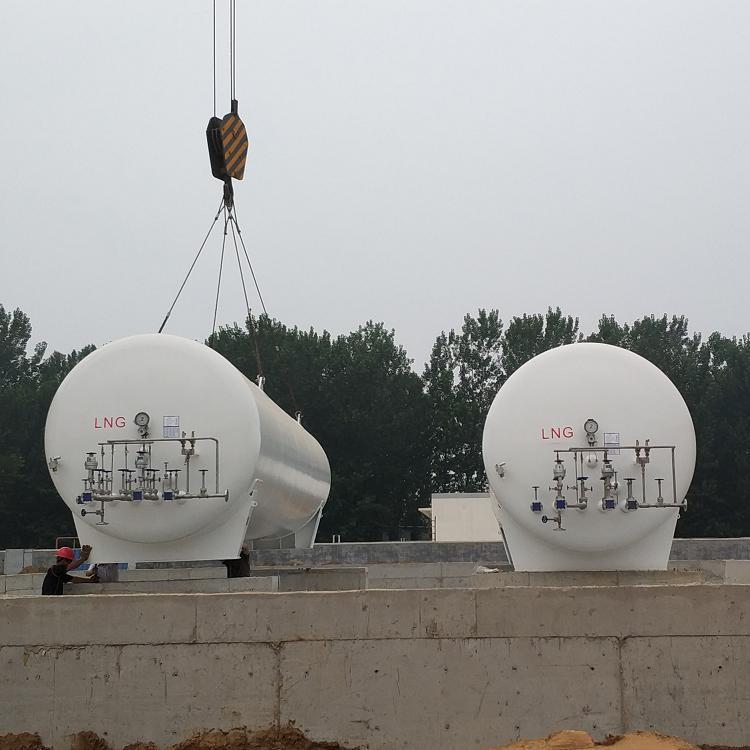
There are several types of carbon dioxide storage tanks: Atmospheric Storage Tanks: These are containers designed for storing carbon dioxide at pressures close to atmospheric pressure. They are suitable for low-pressure applications such as the beverage industry and gas fire suppression systems. High-Pressure Storage Tanks: High-pressure storage tanks are for storing carbon dioxide at pressures above atmospheric pressure. They are commonly used in industrial sectors like chemical processing and refrigeration. Liquid Storage Tanks: Liquid storage tanks are designed for liquefying and storing carbon dioxide at temperatures below room temperature. They are typically used for large-scale storage needs of liquid carbon dioxide, such as food freezing and pharmaceutical manufacturing. Vapor Storage Tanks: Vapor storage tanks are for storing gaseous carbon dioxide after liquefaction, with temperatures and pressures suitable for vaporization. They are often used for scenarios requiring the vaporization of liquid carbon dioxide, such as carbonation in beverages and welding. Insulated Storage Tanks: Insulated storage tanks have excellent thermal insulation properties, reducing heat transfer and liquid evaporation. They are commonly used for long-term storage of liquid carbon dioxide, such as in scientific research and refrigeration. It is essential to select the appropriate type of carbon dioxide storage tank based on specific application needs and scenarios, and to operate and manage them in accordance with relevant regulations and standards.
Carbon dioxide level gauges are devices used for measuring and monitoring the liquid level of CO2 within storage tanks. Depending on different working principles and application requirements, common types of CO2 level gauges include the following:
- Buoy Level Gauges: Utilize the floating and sinking of a buoy to reflect the level of liquid. The liquid level is measured through a mechanical device or electrical signal sensor connected to the buoy.
- Pressure Level Gauges: Measure the level by utilizing the relationship between liquid pressure and level. The level height is calculated by measuring the pressure changes on a pressure sensor due to the liquid.
- Ultrasonic Level Gauges: Measure the level by using the propagation time of ultrasound. An ultrasonic transmitter emits waves, and when the beam encounters the liquid surface, part of it is reflected back. The liquid level height is calculated by measuring the reflection time.
- Capillary Level Gauges: Use the capillary principle to measure the level. By inserting a thin tube into the liquid, the liquid rises within it, and the level height is calculated based on the rise in liquid height.
- Level Gauges: Measure the level using wave reflection. The transmitter emits waves, and when the beam meets the liquid surface, part of it is reflected back. The liquid level height is calculated by measuring the reflection time.
These level gauges can be selected for use in CO2 storage tanks based on specific requirements and tank design. When selecting and installing level gauges, factors such as the nature of the liquid, working environment, precision requirements, and ensuring compatibility with the tank's safe operation and monitoring system should be considered.
For the maintenance and care of low-temperature liquid storage tanks, here are some tips and precautions:
- Regular Inspections: Conduct regular checks on the tank's exterior, internal lining, valves, and pipe connections. Pay attention to signs of corrosion, cracks, or oil leaks.
- Cleaning and Draining: Regularly clean the interior of the tank to remove accumulated impurities and sediments. Also, regularly drain the tank to remove liquid and gas impurities.
- Corrosion Prevention: The exterior and inner lining of low-temperature liquid storage tanks should be treated with corrosion prevention measures. Regularly inspect and maintain the corrosion protection layer or coating to ensure its integrity and effectiveness.
- Temperature and Pressure Control: The temperature and pressure of the low-temperature liquid storage tank should be controlled within the design limits. Avoid extreme temperatures and pressures that could damage the tank.
- Safety Equipment Checks: Inspect the tank's safety equipment, such as safety valves, pressure sensors, and temperature sensors, to ensure they are functioning properly. Verify that their set parameters meet requirements.
- Maintenance of Level Measurement Systems: Regularly check and calibrate the level measurement system to ensure accuracy and reliability. Clean or replace level sensors as needed.
- Fire Prevention Measures: Fire prevention is crucial for low-temperature liquid storage tanks. Ensure that fire protection equipment around the tank is in good condition and conduct fire drills regularly.
- Regular Assessments and Monitoring: Regularly assess and monitor the tank, including structural integrity, corrosion, and safety aspects. Take appropriate maintenance and repair actions based on assessment results.
- Operator Training: Operators should receive training to understand the characteristics, operational requirements, and safety measures of low-temperature liquid storage tanks. Training should include safe operation, leak handling, and emergency procedures.
Zhejiang ZheJie Special Equipment adheres to the grand vision of "realizing employees' dreams, creating value for customers, and striving for the prosperity and strength of our motherland," devoting itself to the development of green energy equipment industry with high cost-performance products and services, contributing to society!
WeChat Official Account

Scan to follow Official Account



















