


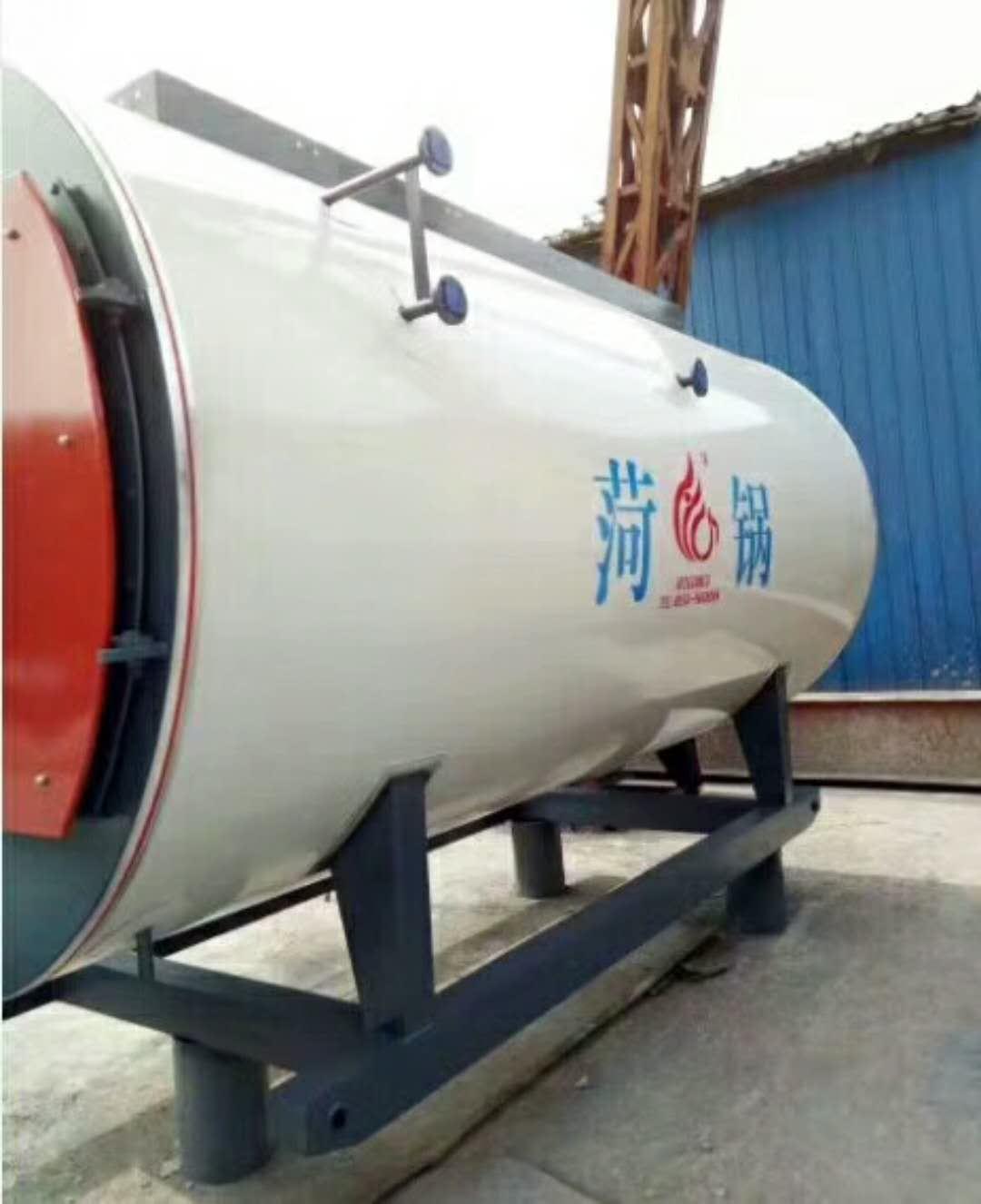

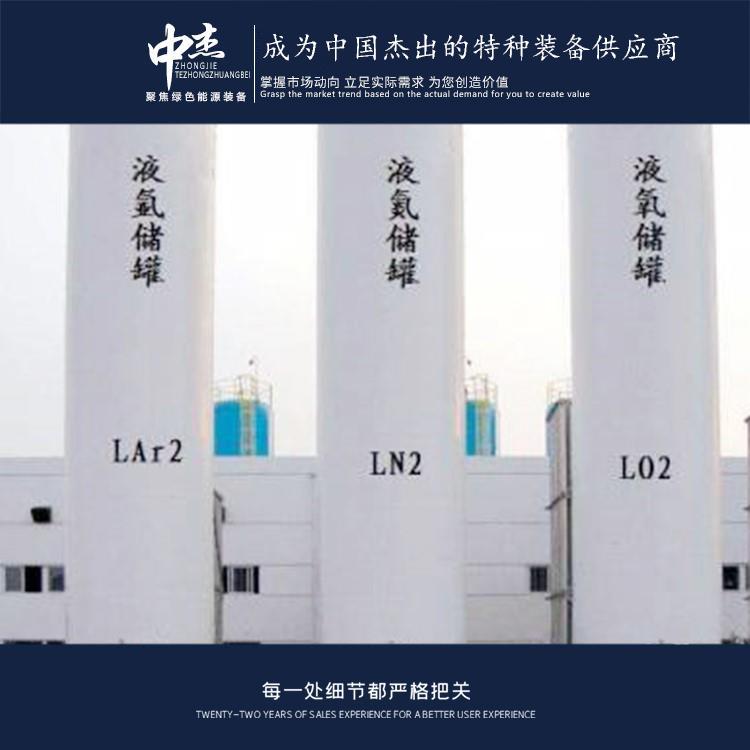
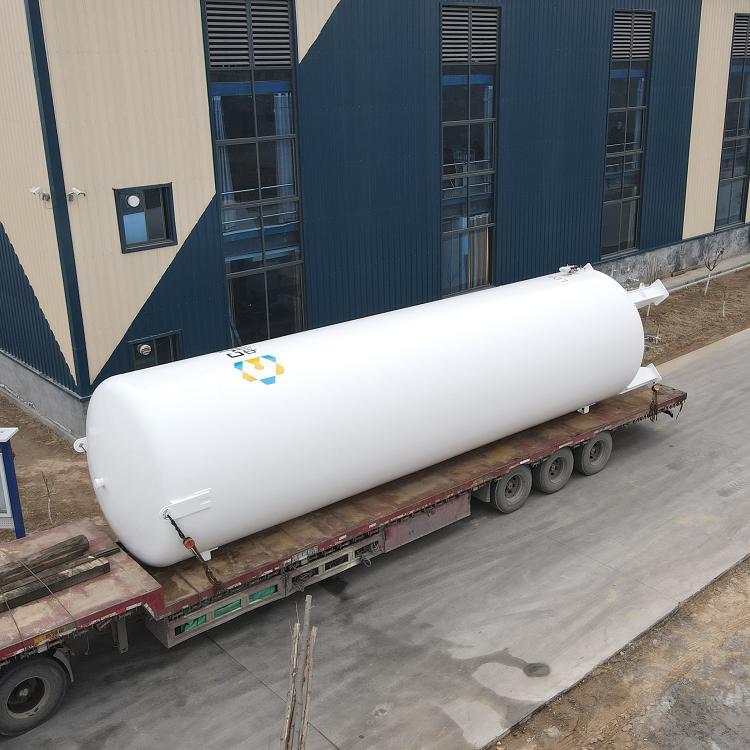


















Shandong Zhongjie Special Equipment's main products include: fuel (gas) boilers, organic heat carrier boilers, biomass boilers, waste heat boilers, and other boiler products; vacuum insulation cryogenic pressure vessels such as LNG tanks, oxygen/nitrogen/argon tanks, and CO2 tanks; pressure vessel products such as denitrification engineering equipment, heat storage and energy storage equipment, and complete chemical equipment; central air conditioning and HVAC equipment such as ground (water) source heat pumps, air source units, water-cooled screw units, and air-cooled modular units. Planned products include large-scale energy centers, LNG transport vehicles, LNG tank containers, and other green energy equipment.
Carbon dioxide tanks are widely used in many different industries. Here are some common applications:
Food and Beverage Industry: Carbon dioxide tanks are used in the production of carbonated drinks, beer, soda, etc. in the food and beverage industry. Carbon dioxide is injected into the beverages to increase their fizz and taste.
Industry: Carbon dioxide tanks are used in applications such as anesthesia, respiration, and emergency care. Liquid carbon dioxide can be used to make refrigerants for freezing and preserving biological samples and tissues.
Fire Suppression: In the fire industry, carbon dioxide tanks are used in fire suppression systems. Carbon dioxide is released into the fire scene to extinguish flames by suppressing oxygen supply.
Gas Supply: Carbon dioxide tanks are also used to supply carbon dioxide gas in industrial and commercial sectors. These gases can be used in welding, gas shielding, semiconductor manufacturing, water treatment, and more.
Climate Control: Carbon dioxide tanks are used in greenhouses and indoor planting to control and increase the concentration of carbon dioxide for plant growth.
Additionally, carbon dioxide tanks can be used in other industries, such as the automotive industry (for airbag systems) and other industries (for propellants and gas supply).
It should be noted that the requirements and applications for carbon dioxide tanks may vary by industry. When using carbon dioxide tanks, it is important to follow relevant regulations and standards, and ensure that the design, manufacture, and use of the tanks meet the corresponding requirements.
When cooling carbon dioxide tanks, be mindful of the following points and familiarize yourself with the basic steps of the cooling process:
Points to Note:
- Safety: Pay attention to safety during the cooling process to ensure the safety of operators and the surrounding environment. Adhere to relevant safety operation procedures and standards, and use appropriate personal protective equipment.
- Equipment Selection: Choose the appropriate cooling equipment and tools, such as cooling mediums (e.g., liquid nitrogen), coolers, and cooling systems. Select the appropriate cooling equipment based on the tank's size and requirements.
- Temperature Control: Control the temperature during the cooling process to avoid overcooling or insufficient temperature. Determine the appropriate cooling temperature range based on the tank's design requirements and operating conditions.
Cooling Process Analysis:
- Preparation: Ensure there are no residual gases or impurities inside the tank to avoid affecting the cooling effect. Check the tank's sealing and the operational status of the safety valve.
- Cooling Medium Injection: Inject the cooling medium (e.g., liquid nitrogen) into the tank to lower its temperature. Control the injection speed and amount during the process to avoid overinjection leading to excessive pressure.
- Cooling Time: Determine the cooling time based on the tank's size and requirements. The cooling time typically needs to be long enough to ensure that the carbon dioxide inside the tank is fully cooled and liquefied.
- Temperature Monitoring: Regularly monitor the tank's temperature during the cooling process to ensure it remains within the appropriate range. Use temperature sensors or infrared thermometers for monitoring.
- Cooling Completion: The cooling process is complete when the tank's temperature reaches the predetermined cooling requirements. At this point, the carbon dioxide inside the tank should be in a liquid state.
It is important to note that the specific cooling process and steps may vary depending on different tank designs and usage scenarios. When performing cooling operations, follow relevant safety operation procedures and standards to ensure the safety and effectiveness of the operation.
清洁低温液体储罐的过程需要谨慎操作,以确保安全性和有效性。以下是一般的清洁步骤: 安全准备:在清洁液体储罐之前,确保储罐内的液体已经完全排空,并且储罐的压力已经释放。确保所有相关的安全设备和阀门处于关闭状态。 防护措施:低温液体储罐通常存储着冷的液体,如液氮或液氧。在进行清洁操作时,必须佩戴适当的个人防护装备,如绝缘手套、、防护服等,以防止冷或其他伤害。 清洁剂选择:选择适合清洁低温液体储罐的清洁剂。清洁剂应具备良好的腐蚀性能和低温适应性。可以咨询清洁剂供应商或储罐制造商以获取建议。 清洁过程:将清洁剂注入储罐中,使用适当的工具(如喷洒器、刷子等)进行清洁。根据储罐的尺寸和污染程度,可以选择手动清洁或使用清洗设备。 冲洗和排放:清洁完成后,使用清水或其他适当的冲洗剂进行冲洗,以确保清洁剂和污物。冲洗完成后,将废水和废液排放到合适的处理系统中,遵循环境保护的相关规定。 检查和验证:清洁完成后,进行储罐的检查和验证,确保储罐内部干净、无残留物,并符合相关的安全和卫生要求。 需要注意的是,清洁低温液体储罐的具体步骤和要求可能会因不同的储罐设计和使用场景而有所差异。在进行清洁操作时,应遵循相关的安全操作规程和标准,确保操作的安全性和有效性。好咨询工程师或储罐制造商以获取具体的清洁指导。
Dry ice is a frozen agent formed by directly converting carbon dioxide gas into a solid under high pressure. It has several applications:
Freezing food and pharmaceuticals: Dry ice is widely used for the transportation and storage of food and pharmaceuticals. Due to its low temperature and rapid cooling speed, it can effectively maintain the freshness and quality of food and medicines.
Special effects and stage performances: Dry ice is also extensively used in special effects and stage performances. When it comes into contact with environmental heat, it quickly turns into gas, producing a large amount of white smoke effect, creating a mysterious and dramatic atmosphere.
Cleaning and disinfection: Dry ice can also be used for cleaning and disinfection. When it comes into contact with surfaces, the combination of temperature reduction and the physical impact of the vaporization process can effectively remove dirt, bacteria, and viruses without leaving residues.
Laboratories and scientific research: Dry ice also finds applications in laboratories and scientific research. It can be used to freeze samples, create low-temperature experimental environments, and manufacture cold traps and condensers, among others.
It is important to note that safety should be a priority when using dry ice, avoiding direct contact with skin and eyes, and not using it in confined spaces to prevent the accumulation of carbon dioxide, which can lead to oxygen deficiency.
Our company attaches great importance to technological innovation and research and development design. We have 1 municipal enterprise technology center in Heze City, and established test facilities for non-destructive testing, physical and chemical testing, welding testing, hydrostatic testing, etc. We are equipped with over 600 types of equipment and instruments, including CNC machine tools, X-ray flaw detectors, digital ultrasonic flaw detectors, mechanical property testing machines, chemical analyzers, spectrometers, tensile testing machines, plasma welding machines, and more. The key products we have developed, such as thermal-pressure vessel welding, biomass boiler emission reduction, and waste heat recovery, have successively been selected for multiple Shandong Province Department of Industry and Information Technology science and technology innovation projects, Shandong Province key projects, and Heze City innovative and excellent projects. We have累计 obtained 27 authorized utility model patents, 16 authorized invention patents, participated in drafting 2 standards, 2 industry standards, and registered 15 trademarks. Our technical team, in collaboration with Professor Yijiang Li of Shandong University, has developed deep cryogenic container processing technology using the internationally recognized plasma arc + filler wire argon arc welding (PAW-GTAW) technology, which has been appraised as an international-level technology in the field of deep cryogenic container manufacturing by the provincial-level science and technology achievement assessment. Choose ZJ Special Equipment, let's work together to create brilliance!
WeChat Official Account

Scan to follow Official Account



















