


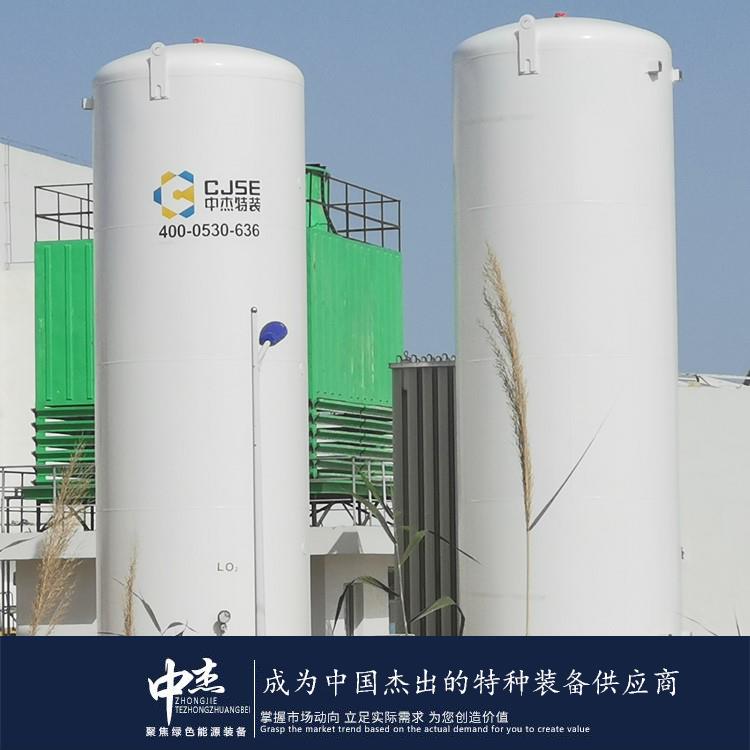

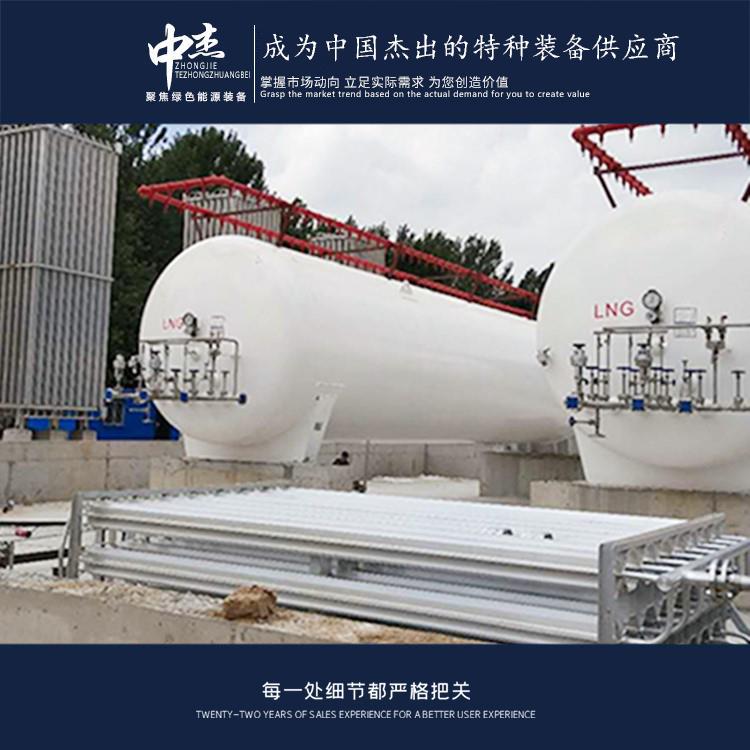
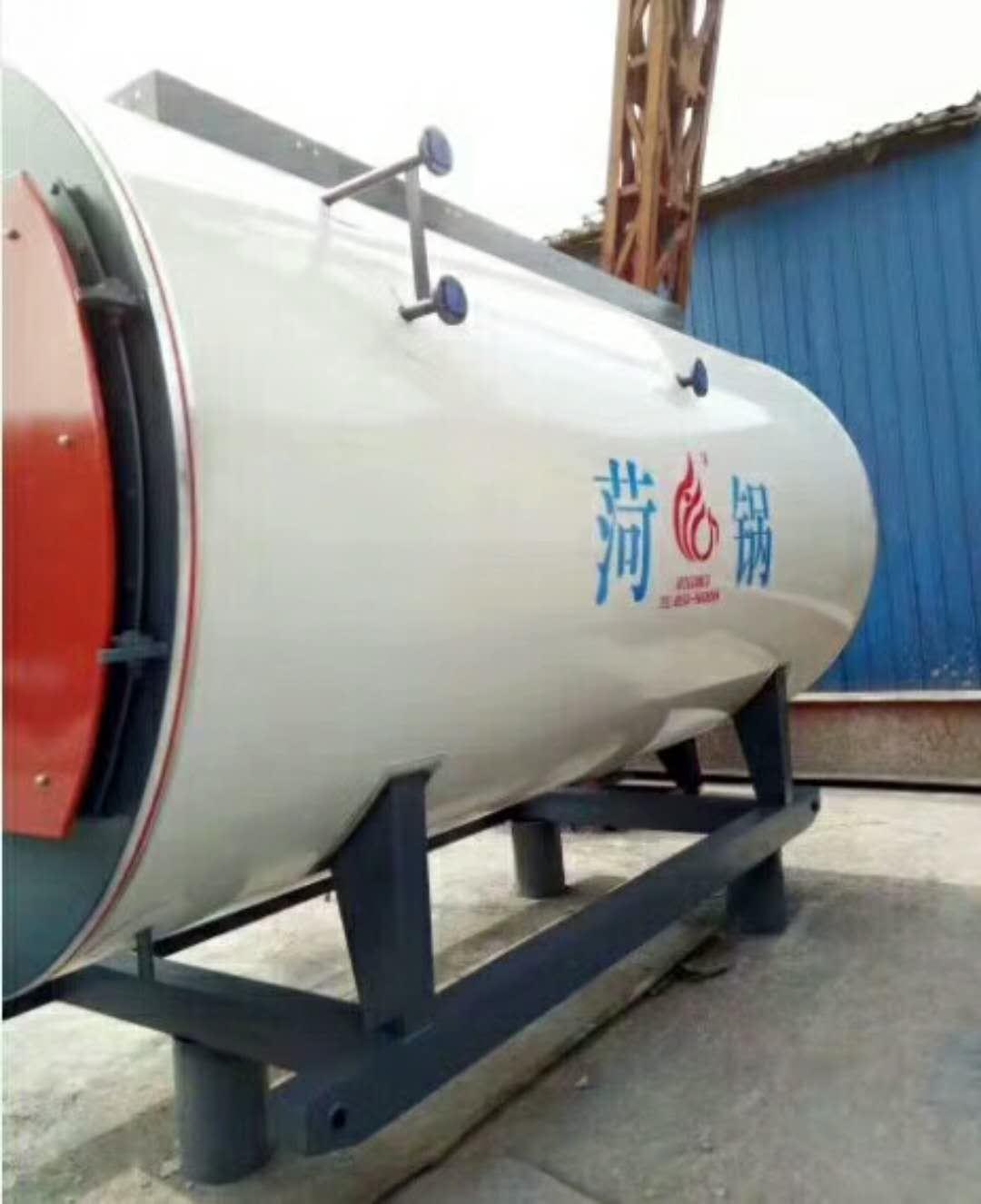


















Shandong Zhongjie Special Equipment specializes in: fuel (gas) boilers, organic heat carrier boilers, biomass boilers, waste heat boilers, and other boiler products; vacuum insulated cryogenic pressure vessels such as LNG tanks, oxygen/nitrogen/argon tanks, CO2 tanks; pressure vessel products including denitrification engineering equipment, heat storage equipment, and complete chemical equipment; central air conditioning and HVAC equipment such as ground (water) source heat pumps, air source units, water-cooled screw units, and air-cooled modular units. Planned products include large-scale energy centers, LNG transport vehicles, LNG tank containers, and other green energy equipment.
To prevent the dangers associated with liquid oxygen storage tanks, the following precautions can be taken:
Safety Operations and Management: Establish and enforce stringent safety operations and management systems, including proper use of storage tanks, operational procedures, and safety training. Ensure operators possess the necessary safety awareness and skills, adhere to operational procedures, and minimize operational errors and the likelihood of accidents.
Regular Inspections and Maintenance: Conduct regular inspections and maintenance on liquid oxygen tanks, including visual inspections, pressure tests, and leak detection. Promptly identify and address any issues with the tanks to ensure their safety and reliability.
Safety devices and protective equipment: Tanks should be equipped with necessary safety devices, such as pressure relief valves, level alarms, etc., as well as protective equipment, like firewalls, explosion-proof devices, etc. These devices and equipment can take timely measures in abnormal situations to ensure the safety of the tank.
Fire Prevention Measures: Liquid oxygen contains a high oxygen content, which is prone to cause fires. Therefore, fire prevention measures such as firewalls and fire extinguishers should be installed around the storage tank to prevent the spread and enlargement of fires.
Leakage Control and Emergency Response Plan: Establish a liquid oxygen tank leakage control and emergency response plan, including leakage control measures, emergency response procedures, and evacuation plans. In the event of a leakage incident, the plan allows for prompt action to control the leak and ensure personnel safety.
Training and Awareness Enhancement: Conduct regular safety training for personnel using liquid oxygen tanks to enhance their safety awareness and emergency response capabilities. Strengthen safety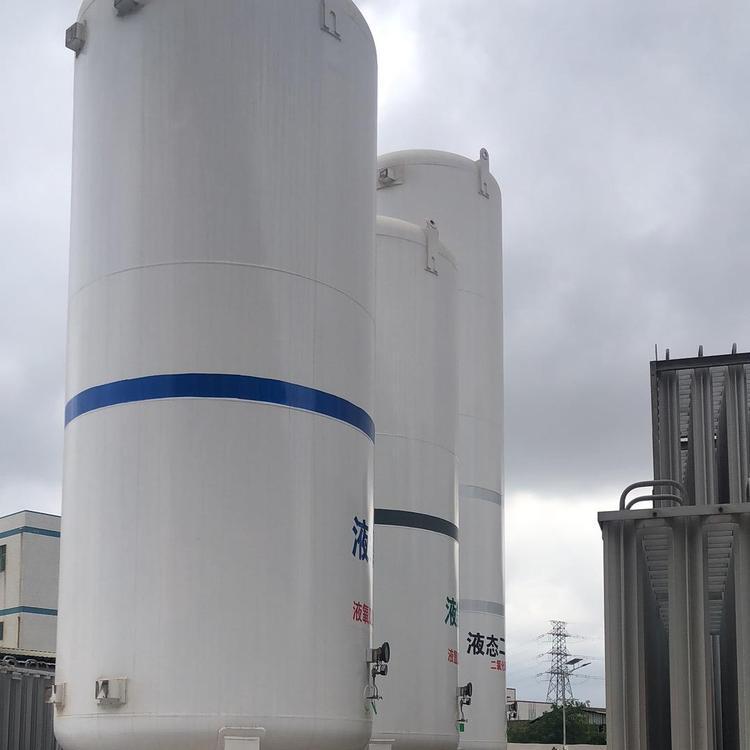
When first using a liquid nitrogen tank, there are some precautions to consider for safe and effective operation. Here are some suggested points to note:
Safe Operation: Liquid nitrogen is a low-temperature liquid with strong refrigerating and asphyxiating effects. When handling liquid nitrogen tanks, it is mandatory to wear appropriate personal protective equipment, such as insulated gloves and protective suits. Avoid direct contact with liquid nitrogen to prevent injury or other harm.
Ventilation Environment: Liquid nitrogen, upon evaporation, produces a substantial amount of gas that may displace other gases, leading to a decrease in oxygen levels in the air. Therefore, when using liquid nitrogen tanks, it is essential to ensure proper ventilation in the operating area to prevent oxygen deficiency.
Tank Inspection: Before the initial use of the liquid nitrogen tank, a thorough inspection of its appearance and seal integrity is required. Ensure there are no visible damages, leaks, or other safety hazards. If any issues are found, they should be addressed promptly by repair or replacement of the tank.
Tank Filling: Prior to the first use of a liquid nitrogen tank, it is necessary to fill the tank with liquid nitrogen. During the filling process, follow the correct operational steps and safety protocols to ensure a safe and reliable filling. Additionally, be mindful to control the filling speed and pressure to avoid excessive tank pressure and temperature rise.
Labeling and Record Keeping: Prior to the initial use of the liquid nitrogen tank, relevant information should be labeled on the tank, such as the storage medium, capacity, manufacturing date, etc. It is also recommended to establish a tank usage record, including filling dates, filling quantities, usage details, etc., for future tracking and management.
Note that the use of liquid nitrogen tanks involves safety risks such as low temperatures and high pressures. Operators should receive training and strictly adhere to the relevant operational procedures and safety measures. If unfamiliar with the operation or have doubts, it is recommended to consult with individuals or relevant institutions for guidance.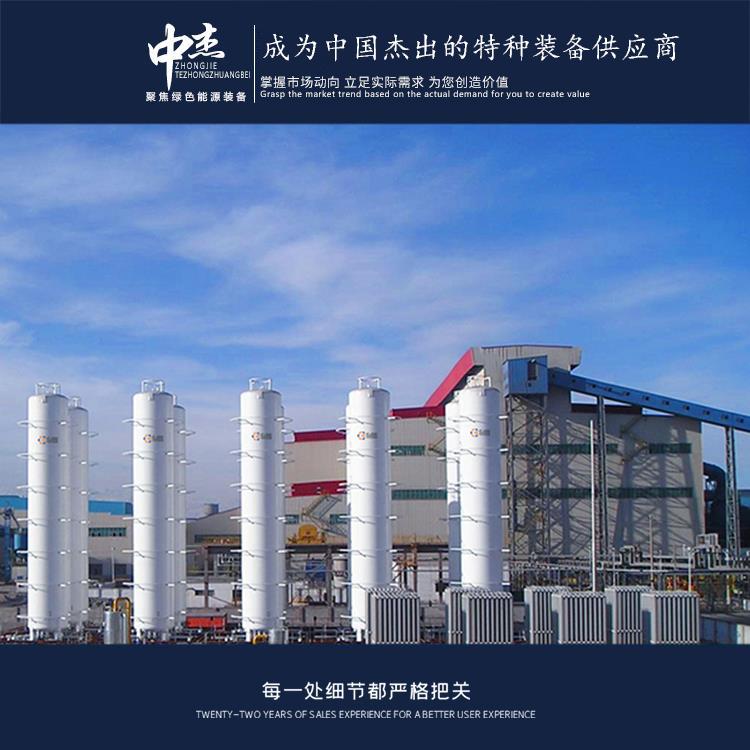
The application of strain-hardening in austenitic stainless steel on low-temperature pressure vessels is a common method, which can enhance the material's strength and durability. Below are some details regarding the application of strain-hardening in austenitic stainless steel on low-temperature pressure vessels:
Principle of Strain Hardening: Strain hardening is achieved by introducing plastic deformation into the material, which alters the crystal structure and thereby increases the material's strength. In Austenitic stainless steel, strain can be introduced through methods such as cold working (e.g., cold rolling, cold drawing) or heat treatment (e.g., solution treatment and cold deformation), leading to dislocations and grain boundary sliding in the crystal structure, thereby enhancing the material's strength.
Low-Temperature Application Advantages: Austenitic stainless steel exhibits excellent corrosion resistance and low-temperature toughness in cold environments. Strain hardening further enhances the strength and durability of Austenitic stainless steel, enabling it to perform in low-temperature pressure vessels. Under low-temperature conditions, strain hardening effectively resists plastic deformation and fracture, improving the material's tensile strength and impact resistance.
Application Cases: Austenitic stainless steel strain-hardening is widely used in low-temperature pressure vessels. For example, in low-temperature containers such as liquid nitrogen tanks, liquid oxygen tanks, and liquid argon tanks, strain-hardened austenitic stainless steel is commonly used as a structural material. These containers must withstand high pressure and impact loads at low temperatures; strain-hardening enhances the material's strength and durability, ensuring safe operation of the vessels.
It is important to note that the strain hardening of austenitic stainless steel should be carried out at appropriate temperatures and deformation conditions to avoid excessive deformation and material embrittlement. When designing and manufacturing low-temperature pressure vessels, the specific engineering requirements and material characteristics should be considered to rationally select and apply the strain hardening of austenitic stainless steel.
Liquid nitrogen tanks are widely used in meat freezing. The following are several main applications of liquid nitrogen tanks in meat freezing:
Rapid Freezing: Liquid nitrogen tanks can provide low temperatures for quickly freezing meat to the desired temperature. Due to the low-temperature properties of liquid nitrogen, the temperature of the meat can be rapidly reduced in a short time, effectively preserving its quality and texture.
Chilled Storage: Liquid nitrogen tanks are suitable for long-term freezing storage of meat products. Placing meat in a liquid nitrogen tank maintains it at low temperatures, preventing the growth of bacteria and microorganisms, and extending the shelf life of the meat.
Refrigerated Transport: Liquid nitrogen tanks are suitable for the frozen transportation of meat products. Placing the meat in a liquid nitrogen tank maintains its低温 condition, ensuring the quality and freshness of the meat throughout transportation.
Chilled Processing: Liquid nitrogen tanks can be used for meat chilling. By exposing meat to liquid nitrogen, the surface can be quickly frozen, forming a frozen layer, thereby preserving the meat's moisture and nutritional content.
Chilled Processing: Liquid nitrogen tanks are suitable for meat freezing processing. Placing meat in liquid nitrogen makes it harder and crisper, facilitating cutting, slicing, and processing.
Note that when using liquid nitrogen tanks for meat freezing, it is essential to follow the relevant safety operation procedures and guidelines. Ensure that operators have the necessary safety awareness and operating skills to prevent any accidental incidents. Additionally, consult with food safety experts.
Our company places great emphasis on technological innovation and R&D, boasting one municipal-level enterprise technology center in Heze City. We have established testing facilities for non-destructive testing, physical and chemical testing, welding testing, hydrostatic testing, and more. We are equipped with over 600 pieces of equipment, including CNC machine tools, X-ray flaw detectors, digital ultrasonic flaw detectors, mechanical property testing machines, chemical analyzers, spectrometers, tensile testing machines, plasma welding machines, and others. The key products and technologies we have developed, such as temperature and pressure vessel welding, biomass boiler emission reduction, and waste heat utilization, have successively been shortlisted for multiple Shandong Provincial Department of Industry and Information Technology science and technology innovation projects, key projects in Shandong Province, and Heze City innovation and excellence projects. We have cumulatively obtained 27 authorized utility model patents, 16 authorized invention patents, participated in drafting 2 standards, 2 industry standards, and registered 15 trademarks. Our technical team, in collaboration with Professor Yajiang Li of Shandong University, has developed deep cryogenic container processing technology using the international plasma arc + filler wire tungsten inert gas arc welding (PAW-GTAW) technology. After being appraised as a provincial-level scientific and technological achievement, our technology level has reached international standards in the field of deep cryogenic container manufacturing. Choose Zhongjie Special Equipment, and let's create brilliance together!
WeChat Official Account

Scan to follow Official Account



















