


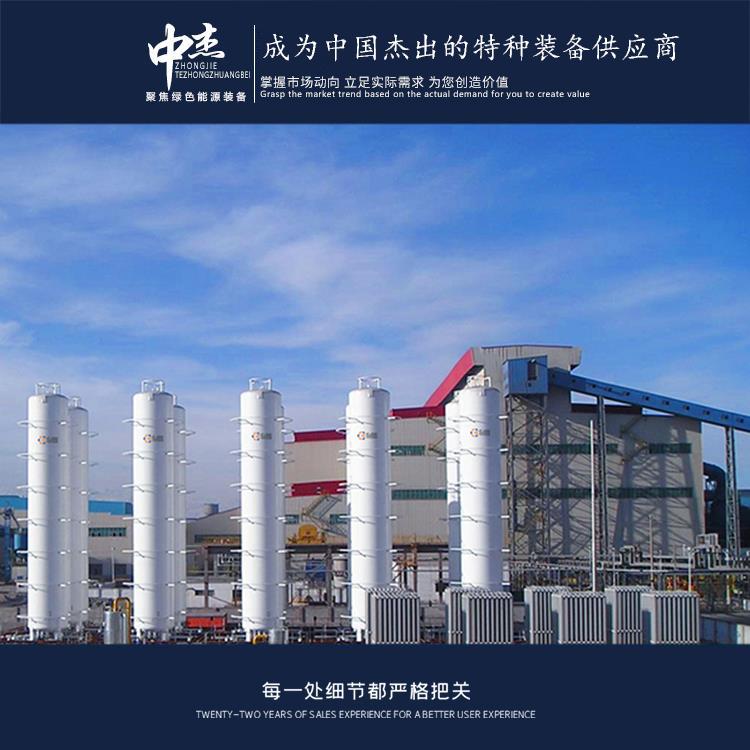

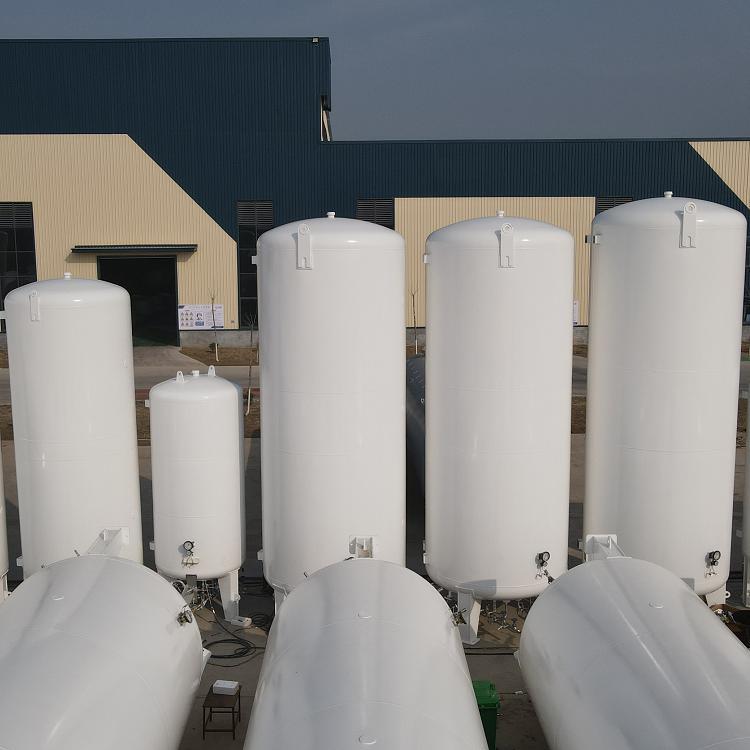
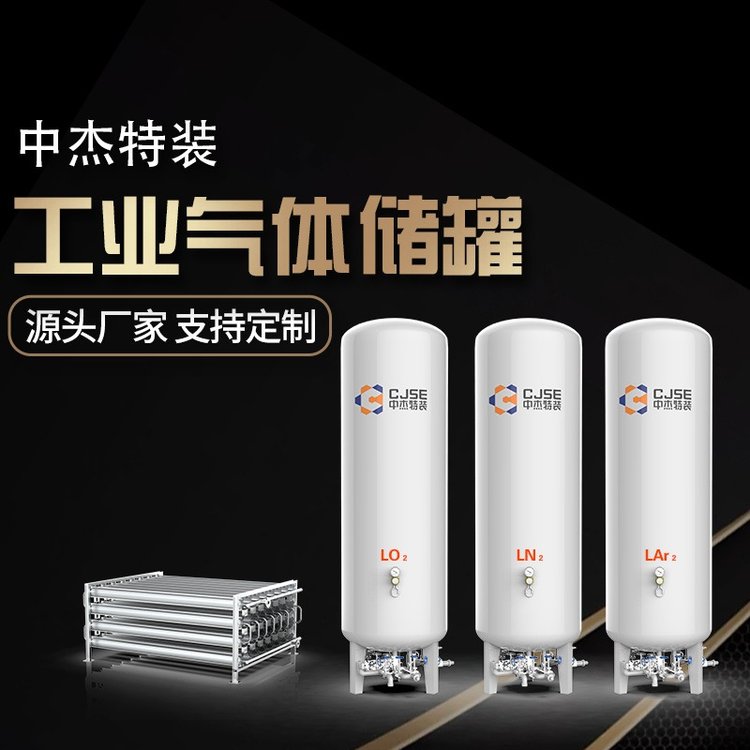


















Shandong Zhongjie Special Equipment (formerly Heze Boiler Factory Co., Ltd.) was established in 2001, located at No. 2218 Jinnan Road, Development Zone, Heze City, with a registered capital of 50 million yuan and total assets of 500 million yuan. The company has 7 business centers: boilers, deep-freeze containers, pressure vessels, central air conditioning, engineering installation, international trade, and Internet of Things. It has three factory sites on Jinnan Road, East Changjiang Road, and Bohai Road, covering a total area of 200,000 square meters, with the main workshop spanning 83,000 square meters. It currently employs 710 people, including 247 engineers and technicians and 82 intermediate-level technicians. In December 2016, it was recognized as a "High-tech Enterprise" by the Science and Technology Department. In June 2021, it was identified as a "Specialized and New Enterprise in Shandong Province" by the Ministry of Industry and Information Technology. In June 2022, it was recognized as a "Gazelle Enterprise in Shandong Province" and in August 2022, it was identified as a "Specialized and New Small Giant Enterprise" by the Ministry of Industry and Information Technology.
Liquid oxygen storage tanks are widely used in various industries, primarily in the following aspects:
Industry: Liquid Oxygen Tanks are widely used in various fields for storing and supplying liquid oxygen as fuel and oxidizer. Liquid Oxygen Tanks play a crucial role in engine, propulsion systems, and oxygen supply systems.
Chemical Industry: Liquid oxygen tanks are used in chemical processes for storing and supplying liquid oxygen, employed in oxidation reactions, combustion reactions, and oxygen supply, etc. Chemical plants, refineries, and chemical manufacturers are among the entities that may use liquid oxygen tanks.
Industry: Liquid Oxygen Tanks are used in the field for storing and supplying liquid oxygen, utilized for oxygen therapy, respiratory support, surgeries, and more. Liquid Oxygen Tanks are widely used in hospitals, clinics, and care facilities, among other institutions.
Experimental Research: Liquid Oxygen Tanks are used in scientific research and laboratories to provide liquid oxygen as experimental materials and fuel. Liquid Oxygen Tanks play a significant role in experimental research across various fields such as physics, chemistry, biology, and materials science.
Metalworking Industry: Liquid oxygen tanks are used in the metalworking and welding industries to supply high-purity oxygen for processes such as metal cutting, welding, and heat treatment.
Other Industries: Liquid Oxygen Storage Tanks are also used in various other sectors such as the energy industry, environmental protection industry, and food industry, among others. These tanks are utilized in energy production, environmental management, and food processing fields.
It's important to note that the use of liquid oxygen tanks must strictly adhere to relevant safety regulations and operational guidelines to ensure safe operation and usage of the tanks.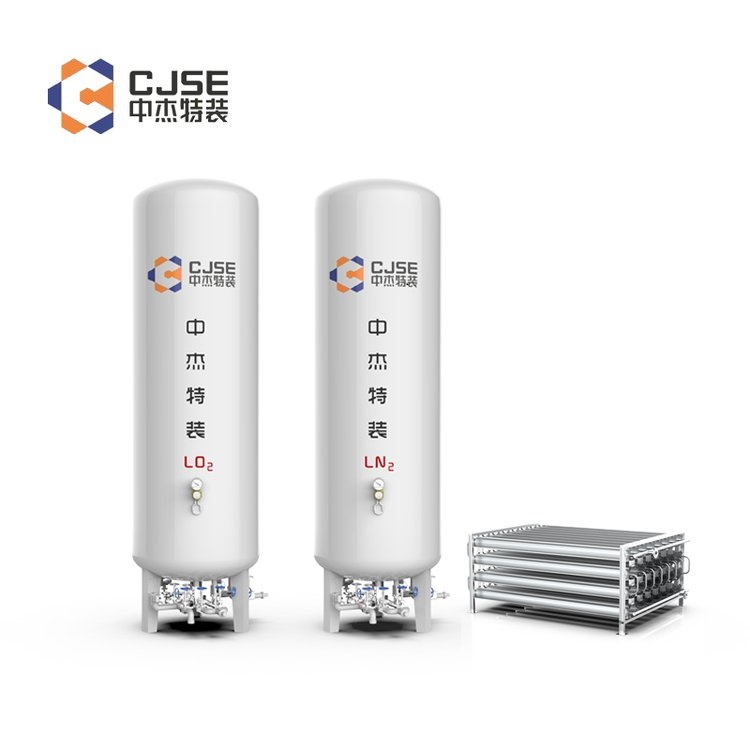
The process of using liquid oxygen storage tanks for pressure-regulated oxygen supply typically includes the following steps:
Liquid Oxygen Storage Tank Oxygen Supply System: Typically, a liquid oxygen storage tank oxygen supply system is installed, which includes a liquid oxygen storage tank, liquid oxygen transmission pipelines, and pressure regulating devices. The liquid oxygen in the storage tank is transported through the pipelines to the pressure regulating device.
Pressure Regulator: The pressure regulator is used to convert high-pressure liquid oxygen into the required low-pressure oxygen. It typically includes a pressure valve, a reducer, and a flowmeter. The pressure valve is used to control the oxygen pressure, the reducer is used to reduce the high-pressure liquid oxygen to the required low pressure, and the flowmeter is used to measure the oxygen flow rate.
Oxygen Supply Pipeline: Low-pressure oxygen released from the pressure regulating device is transported through pipelines to areas requiring oxygen supply, such as wards and operating rooms. The pipelines are typically made of stainless steel or plastic, offering excellent airtightness and corrosion resistance.
Oxygen Interface: Install oxygen interfaces at locations requiring oxygen supply, such as hospital beds or operating tables. Oxygen interfaces typically include an oxygen flow regulator and oxygen connectors, used for adjusting oxygen flow and connecting oxygen masks or tubes.
Oxygen Supply and Regulation: Adjust the pressure and flow of oxygen by manipulating the pressure regulating valve of the pressure regulator. Tailor the flow and concentration of oxygen according to the patient's needs, ensuring an adequate oxygen supply for the patient.
Be mindful that when using liquid oxygen tanks for pressure regulation and oxygen supply, it is crucial to adhere to the equipment usage and safety operation procedures. Operators must possess relevant training and skills to ensure the normal and safe operation of the oxygen supply system. Additionally, conduct regular inspections and maintenance of the system's equipment and pipelines to guarantee their proper functioning and safety.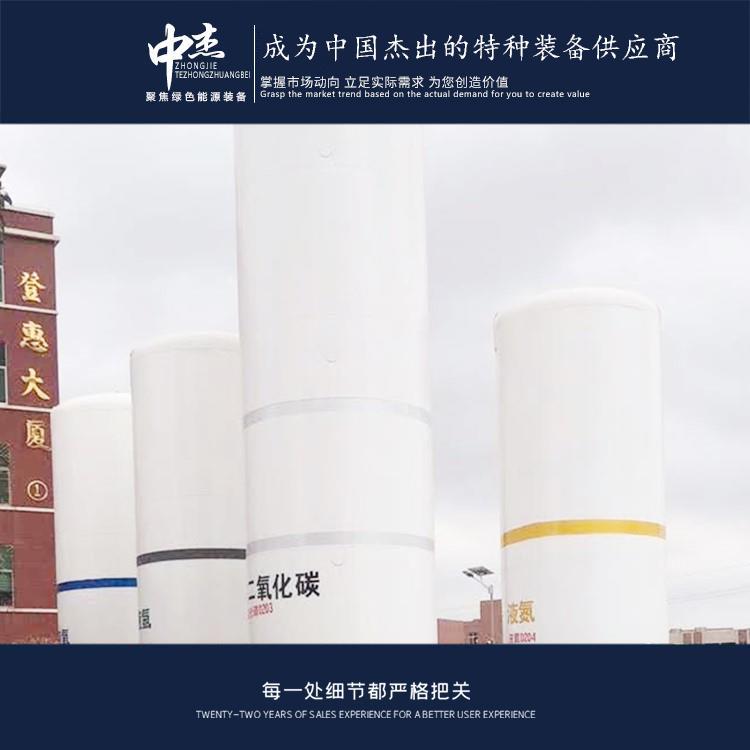
Liquid Argon Storage Tanks are equipment used for storing and transporting liquid argon, featuring the following characteristics:
Low-temperature Retention Performance: The liquid argon storage tank is equipped with special insulation materials and structural design, enabling effective maintenance of the low-temperature state of liquid argon. The tank interior features an insulation layer, reducing heat conduction and loss, ensuring long-term storage of liquid argon.
High-sealing performance: Liquid argon storage tanks feature excellent sealing properties, effectively preventing leakage and evaporation of liquid argon. The valves, fittings, and seals of the tank are precision-designed and manufactured to ensure reliable sealing performance.
High strength and corrosion resistance: The liquid argon tank is made of high-strength materials, capable of withstanding the high pressure and low temperature of liquid argon. The internal and external surfaces of the tank are specially treated, offering excellent corrosion resistance and resistance to corrosion and oxidation by liquid argon.
Safety Performance: The liquid argon storage tank is equipped with multiple safety protection measures, including safety valves, pressure sensors, and level monitoring devices. These devices can monitor and control the tank's pressure, temperature, and level, ensuring the tank operates within a safe range.
Reliability and Stability: The liquid argon storage tank has undergone rigorous design, manufacturing, and testing, offering excellent reliability and stability. The tank is capable of long-term stable storage and transportation of liquid argon, ensuring the quality and performance of the liquid argon remain unaffected.
Easy to Operate and Maintain: The liquid argon tank is relatively simple to operate and maintain, equipped with valves and fittings that are easy to use. The maintenance work mainly includes regular inspections, cleaning, and repairs, which can extend the service life of the tank.
The performance characteristics of liquid argon tanks make them essential for storing and transporting liquid argon, widely used in scientific research, industry, and other fields. When using liquid argon tanks, it is crucial to strictly adhere to the relevant operational specifications and safety requirements to ensure safe usage.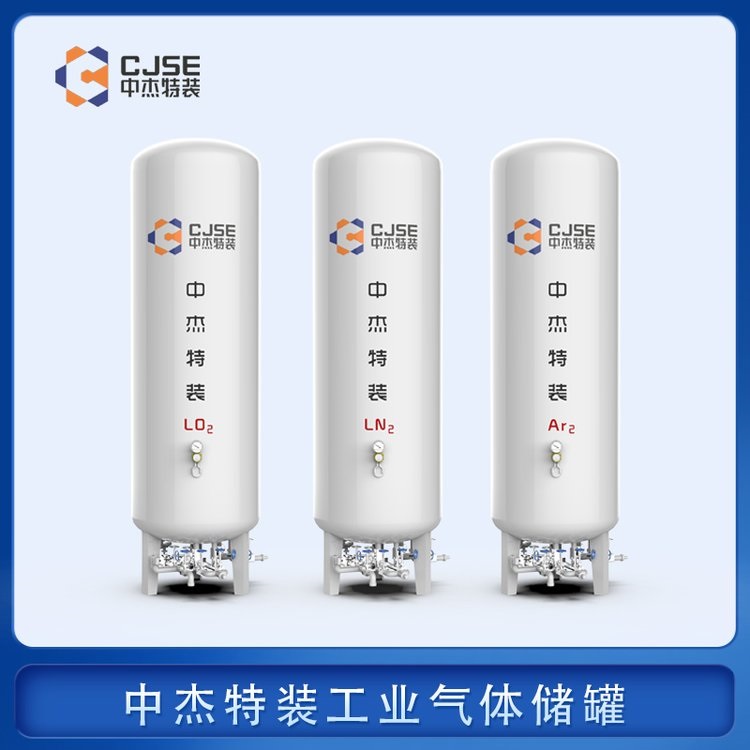
Standard specifications for liquid oxygen storage tanks may vary by region. Here are examples of some common standards:
- U.S. Standards: The American National Standards Institute (ANSI) and the American Petroleum Institute (API) have issued a series of standards for liquid oxygen storage tanks, such as ANSI/API Standard 2510 "Design and Construction of Liquid Oxygen Storage Tanks" and ANSI/API Standard 2510A "Supplement to the Design and Construction of Liquid Oxygen Storage Tanks."
- European Standards: The European Committee for Standardization (CEN) has published a series of standards for liquid oxygen storage tanks, including EN 13458 "Liquid Oxygen Storage Tanks. Design and Manufacturing" and EN 14015 "Vertical Welded Steel Fixed Storage Tanks. Design and Manufacturing."
- Chinese Standards: The Standardization Administration of the People's Republic of China (SAC) has issued a series of standards for liquid oxygen storage tanks, such as GB/T 18442 "Design Code for Liquid Oxygen Storage Tanks" and GB/T 18443 "Construction and Acceptance Code for Liquid Oxygen Storage Tanks."
These standards typically cover requirements for design, manufacturing, installation, operation, maintenance, and inspection of liquid oxygen storage tanks. They encompass provisions for the tank's structure, materials, safety valves, insulation, leak control, fire protection measures, and safety distances to ensure the safety and reliability of the storage tanks.
When designing, manufacturing, and using liquid oxygen storage tanks, it is essential to follow applicable standards and regulations, and to cooperate with local regulatory authorities and personnel to ensure compliance with relevant safety requirements and regulations.
Zhongjie Special Equipment adheres to the great vision of "Realizing employee dreams, creating customer value, and striving for the prosperity and strength of our motherland," and is dedicated to the development of the green energy equipment industry. We offer the society high-quality and cost-effective products and services!
WeChat Official Account

Scan to follow Official Account



















