


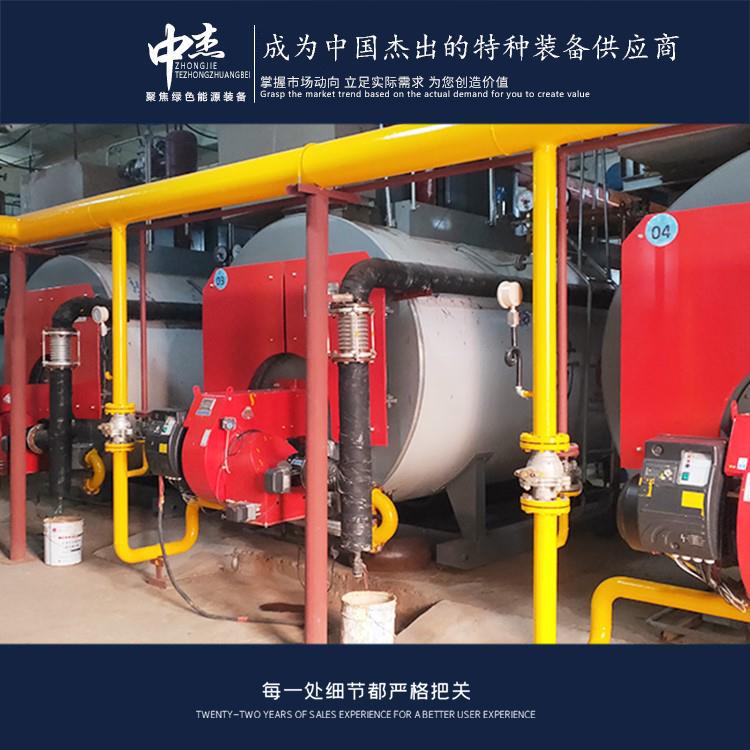

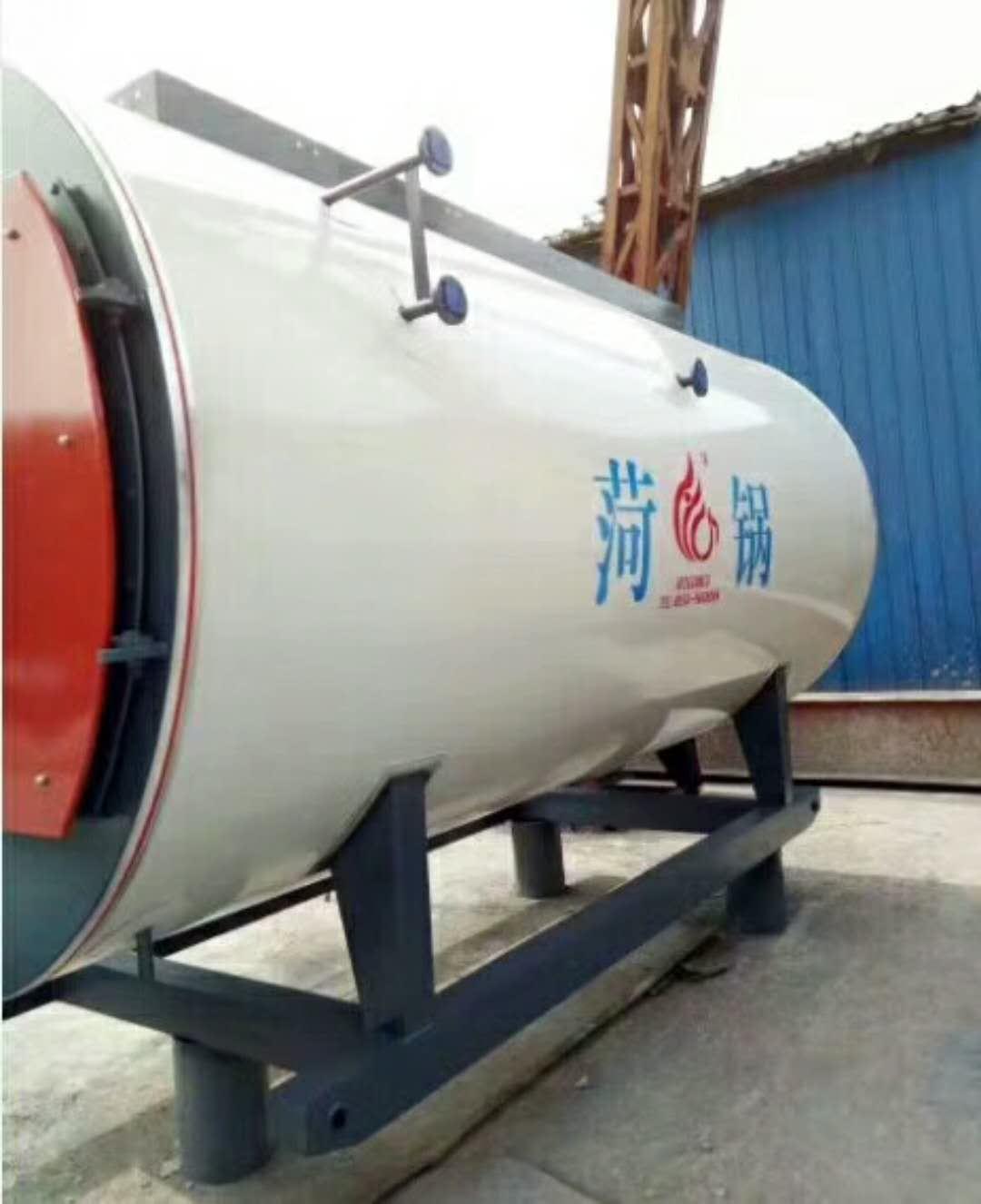
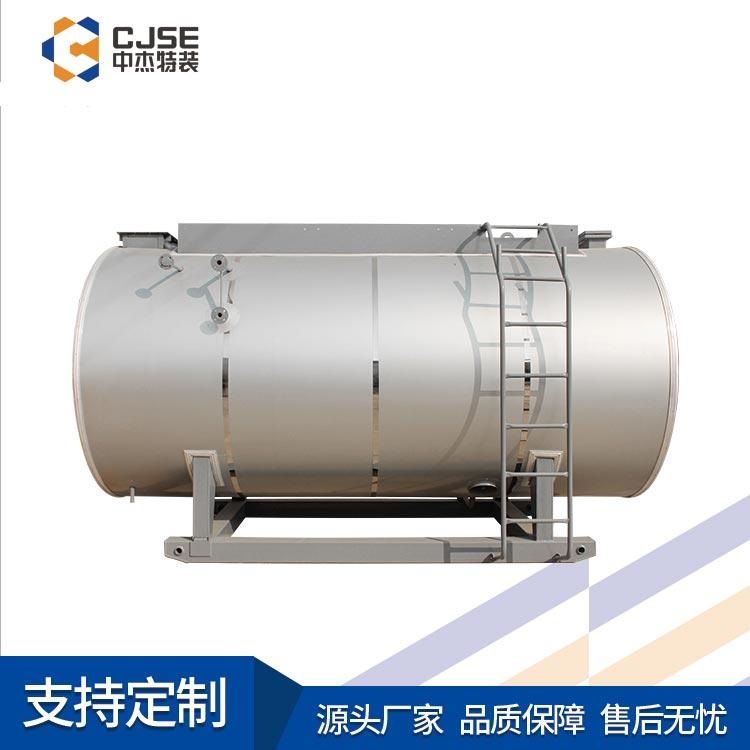


















Shandong Zhongjie Special Equipment (formerly Heze Boiler Factory Co., Ltd.) holds an A-grade boiler manufacturing license, an A2-grade pressure vessel manufacturing license, an A2-grade pressure vessel design license, a B-grade boiler installation license, and GB2/Class, GC2/Class pressure pipeline installation licenses, as well as an electromechanical equipment installation contracting qualification. It is a member of the China Boiler and Water Treatment Association, the China Chemical Equipment Association, and the director unit of the Shandong Equipment Manufacturing Association, and has passed the ISO9001 Quality Management System, ISO14001 Environmental Management System, OHSAS18001 Occupational Health and Safety Management System certifications, and the American ASME/U2 certification.
Chemical cleaning of industrial boilers is a common method used to effectively remove dirt and deposits from within the boiler, enhancing heat exchange efficiency and extending the boiler's lifespan. Below are the general steps and procedures for industrial boiler chemical cleaning:
Preparation: Turn off the boiler's power and gas supply, drain the water and steam from the boiler, ensuring the boiler is in a safe condition. Prepare the necessary chemical cleaning agents and equipment.
Cleaning Agent Selection: Choose an appropriate chemical cleaning agent based on the boiler's material and the nature of the dirt. Common cleaning agents include acidic cleaners, alkaline cleaners, and chelating agents.
Cleaning Agent Circulation: Dissolve the cleaning agent in an appropriate amount of water, and circulate it into the boiler using a pump. Determine the circulation time and temperature of the cleaning agent based on the size of the boiler and the extent of the dirt.
Cleaning Agent Action: During circulation, the cleaning agent reacts chemically with the dirt within the boiler, dissolving and decomposing it. Acidic cleaners can remove rust and scale, while alkaline cleaners can remove grease and organic matter.
Rinsing and Neutralizing: After the cleaning agent circulation is complete, rinse the boiler with clean water to flush out the cleaning agent and dissolved dirt. Use a neutralizing agent to neutralize any remaining acidic or alkaline substances, ensuring the boiler's neutrality.
Inspection and Maintenance: After cleaning, inspect the boiler to ensure the cleaning effect and normal operation. Perform necessary maintenance and repairs as needed.
Points to note when performing industrial boiler chemical cleaning:
1. Strictly follow the usage instructions and safety operating procedures for chemical cleaning agents to ensure the safety of the operators.
2. Choose the appropriate cleaning agent and method based on the boiler's material and the properties of the cleaning agent.
3. Control the concentration, temperature, and circulation time of the cleaning agent to avoid unnecessary damage to the boiler.
4. Monitor the concentration and pH of the cleaning agent in real-time during the cleaning process and adjust the cleaning conditions as needed.
5. Flush the boiler after cleaning to ensure that the cleaning agent and dirt are completely removed.
6. After cleaning, promptly carry out maintenance and repair of the boiler to ensure its normal operation and long-term use.
A thermal oil heater is a device that uses thermal oil as the heat medium to transfer heat energy, generated by combustion or electric heating, to the equipment or process requiring heating. The working principle of a thermal oil heater involves heating the thermal oil to a certain temperature and then circulating it through a pump to the heated equipment or process, transferring heat to the heated object. The thermal oil exchanges heat with the heated object in the heat exchanger, raising the object's temperature while cooling down the thermal oil, which then returns to the furnace for reheating in a continuous cycle. The heat transfer process in a thermal oil heater primarily relies on the thermal conductivity of the thermal oil. With a high thermal conductivity, the oil can quickly transfer heat to the heated object, achieving efficient heating. Additionally, thermal oil boasts high thermal stability, allowing it to operate stably at high temperatures without decomposition or oxidation.
A thermal oil heater typically consists of the furnace body, combustion system, flue gas system, heat exchanger, circulating pump, and control system. The furnace body is the main part of the thermal oil heater, used to contain the thermal oil and the combustion system. The combustion system is responsible for burning fuel to produce heat and heat the thermal oil. The flue gas system is used to expel the exhaust gases produced by combustion. The heat exchanger is the equipment where the thermal oil exchanges heat with the heated object. The circulating pump is responsible for circulating the thermal oil back to the furnace for reheating. The control system monitors and controls the operation of the thermal oil heater to ensure safe and stable operation.
Thermal oil heaters offer advantages such as high temperature control accuracy, fast heating speed, low energy consumption, and easy operation, making them widely used in industrial fields like chemicals, textiles, food processing, papermaking, and in some special heating processes.
Industrial Boiler Thermal Deoxygenation is a common deoxygenation method featuring: Deoxygenation: Thermal deoxygenation releases dissolved oxygen from boiler water by heating it, utilizing heat to dissipate the oxygen. As the water temperature rises during the thermal deoxygenation process, the solubility of oxygen decreases, allowing for effective removal of oxygen from the water. No Chemicals Required: Unlike other deoxygenation methods, thermal deoxygenation does not require chemicals, thus avoiding environmental pollution and equipment corrosion caused by chemicals. Additionally, it reduces operational costs and complexity. Automated Control: Thermal deoxygenation can be achieved through automated control systems, which adjust water temperature and flow based on the boiler's operating status and water quality to achieve optimal deoxygenation. Wide Application Range: Thermal deoxygenation is suitable for various types of industrial boilers, including coal-fired, gas-fired, and oil-fired boilers. Whether for small or large boilers, thermal deoxygenation can be employed for deoxygenation treatment. Enhanced Boiler Efficiency: Removing dissolved oxygen from the water reduces corrosion and oxidation reactions within the boiler, extending its service life. Moreover, reducing the presence of oxygen can improve the boiler's thermal efficiency and reduce energy consumption. It is important to note that while thermal deoxygenation effectively removes oxygen from the water, it may not address other water quality issues such as hardness and alkalinity. Therefore, in practical applications, it is necessary to consider water quality characteristics and boiler requirements to select the appropriate deoxygenation method.
Steam boiler energy saving is an urgent mission for the following reasons: Energy Consumption: Steam boilers typically use fuel to generate steam, and fuel consumption directly impacts energy use. With the increasing scarcity of energy resources and rising energy prices, energy saving has become a crucial task. Environmental Protection: The emissions and waste smoke from fuel combustion pollute the environment, including air pollution and greenhouse gas emissions. By reducing fuel consumption through energy saving, the impact on the environment and carbon emissions can be minimized. Economic Benefits: Energy saving can lower energy consumption and operational costs, improving energy utilization efficiency. By implementing energy-saving measures, companies can reduce energy expenses and enhance economic benefits. Sustainable Development: Energy saving is a key component of sustainable development. By reducing energy consumption, the lifespan of energy resources can be extended, providing more energy reserves for future development. Legal and Regulatory Requirements: Many regions have established laws, regulations, and policies for energy conservation and emission reduction, requiring companies to adopt energy-saving measures and reduce energy consumption and environmental pollution. Therefore, steam boiler energy saving is an urgent task. By implementing effective energy-saving measures, energy consumption can be reduced, environmental pollution can be minimized, economic benefits can be improved, and sustainable development can be achieved.
Shandong Zhongjie Special Equipment, welcome customers to visit our factory for business talks.
WeChat Official Account

Scan to follow Official Account



















