


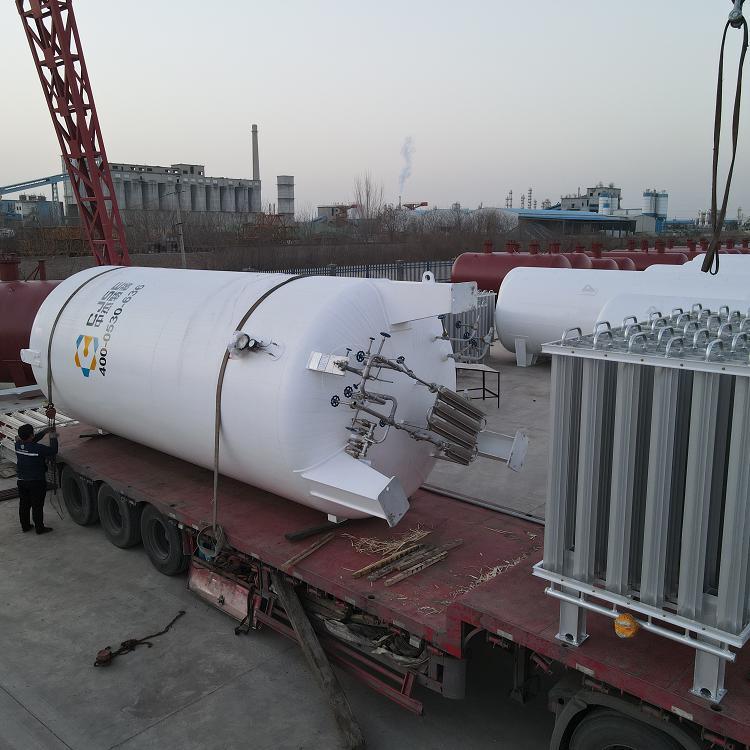

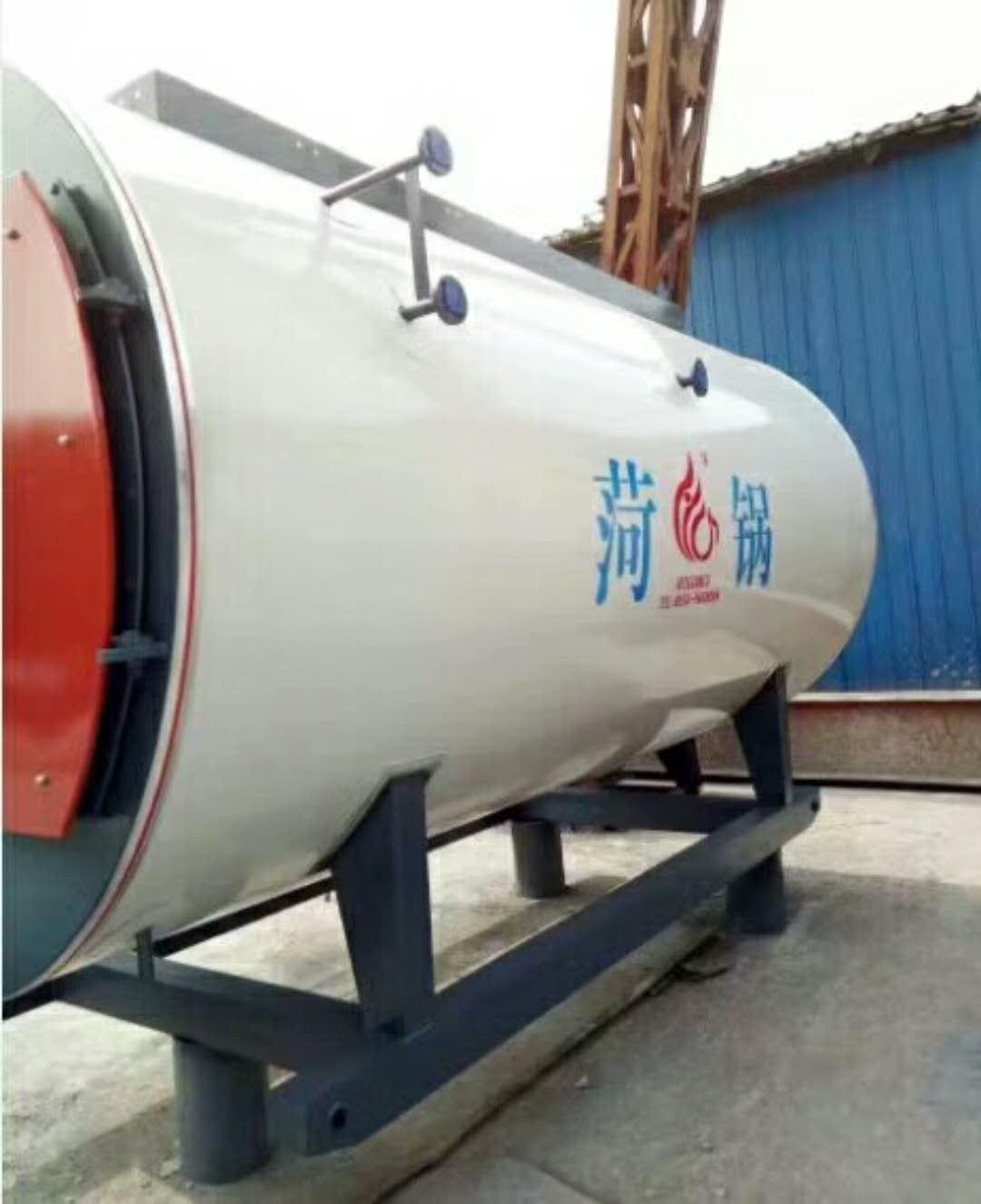
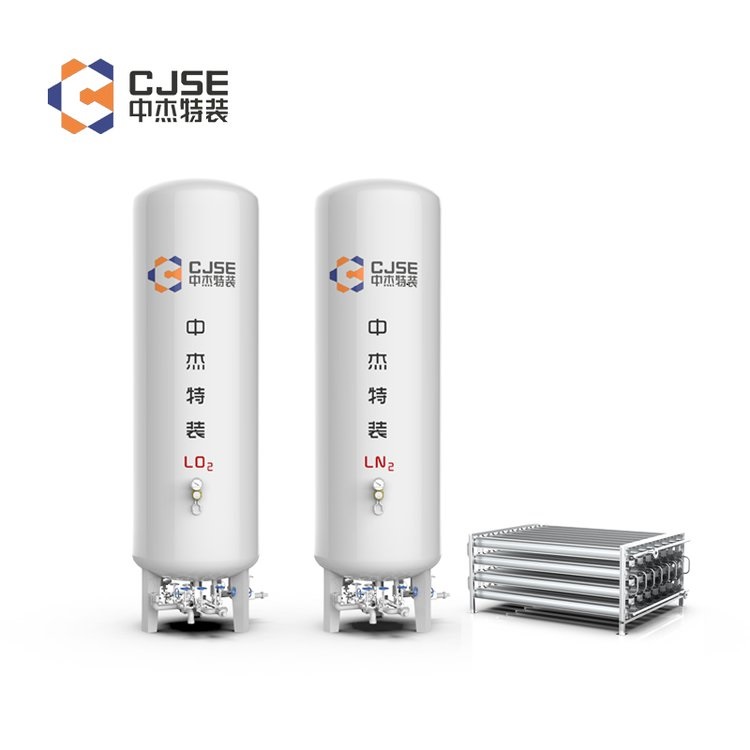


















Shandong Zhongjie Special Equipment's main products include: fuel (gas) boilers, organic heat carrier boilers, biomass boilers, waste heat recovery boilers, and other boiler products; vacuum insulation cryogenic pressure vessels such as LNG tanks, oxygen/nitrogen/argon tanks, and CO2 tanks; pressure vessel products like denitrification engineering equipment, heat storage and energy storage equipment, and complete chemical equipment sets; central air conditioning and HVAC equipment such as ground (water) source heat pumps, air source units, water-cooled screw units, and air-cooled modular units. Planned products include large-scale energy centers, LNG transport vehicles, LNG tank containers, and other green energy equipment.
Routine inspection of liquid nitrogen storage tanks involves regular checks and maintenance to ensure safe operation and efficient use. Here is a common introduction to the routine inspection of liquid nitrogen storage tanks:
Visual Inspection: Regularly inspect the exterior of the storage tank, including the tank body, insulation layer, valves, and pipelines, etc. Note any cracks, corrosion, wear, or other damage. Also, check that the insulation layer is intact, without any damage or detachment.
Level Inspection: Regularly check the liquid nitrogen tank's level to ensure it remains within the normal range. Inspections can be conducted using level gauges or level scales, among other equipment.
Pressure Check: Inspect the tank's pressure to ensure it is within the safe range. Devices such as pressure gauges or pressure sensors can be used for the check.
Leak Inspection: Check for signs of liquid nitrogen leakage around the storage tank, such as evaporated mist, frosting, or freezing. If a leak is detected, take prompt action to repair it.
Valve and pipeline inspection: Check that the tank's valves and pipelines are functioning properly, with no leaks or blockages. Ensure the tightness and unobstructed flow of the valves and pipelines.
Safety Device Inspection: Examine the safety devices of the storage tank, such as pressure relief valves, temperature sensors, and level alarms, to ensure they are functioning properly.
Maintenance Records: Timely record the inspection results and maintenance records of the storage tank, including liquid level, pressure, insulation layer condition, leakage status, etc. These records help monitor the tank's operational status and identify issues promptly.
It's important to note that the inspection of liquid nitrogen tanks should adhere to relevant safety regulations and operational guidelines. Liquid nitrogen is highly flammable at low temperatures, so operators must wear appropriate personal protective equipment and ensure the operating environment is free of any ignition sources. Regular inspections help identify issues promptly and allow for corrective measures, ensuring the safe and efficient operation of the tank.
In pressure vessel design, several common "thickness" parameters must be considered:
Wall Thickness: The wall thickness refers to the actual thickness of the pressure vessel wall. The selection of wall thickness needs to consider factors such as the design pressure of the vessel, the strength of the material, and its corrosion resistance, to ensure the strength and safety of the container.
Bend Allowance: The bend allowance refers to the additional thickness added to the wall thickness during the manufacturing process to ensure the strength and shape of the container's bending sections. The calculation and selection of the bend allowance must consider factors such as the container's bending radius and the material's bendability.
Corrosion Allowance: The corrosion allowance refers to the additional thickness added to the wall thickness to account for corrosion effects on either the internal or external surfaces of the container. The selection of the corrosion allowance should consider the working environment of the container and the corrosive nature of the medium it encounters, to ensure the container can withstand corrosion effects throughout its service life.
These "thickness" parameters play a crucial role in pressure vessel design, affecting the container's strength, corrosion resistance, and safety. During the design process, it is necessary to select and calculate these thickness parameters reasonably, based on relevant standards and specifications, in conjunction with the container's usage conditions and requirements, to ensure that the design and manufacturing meet the standards.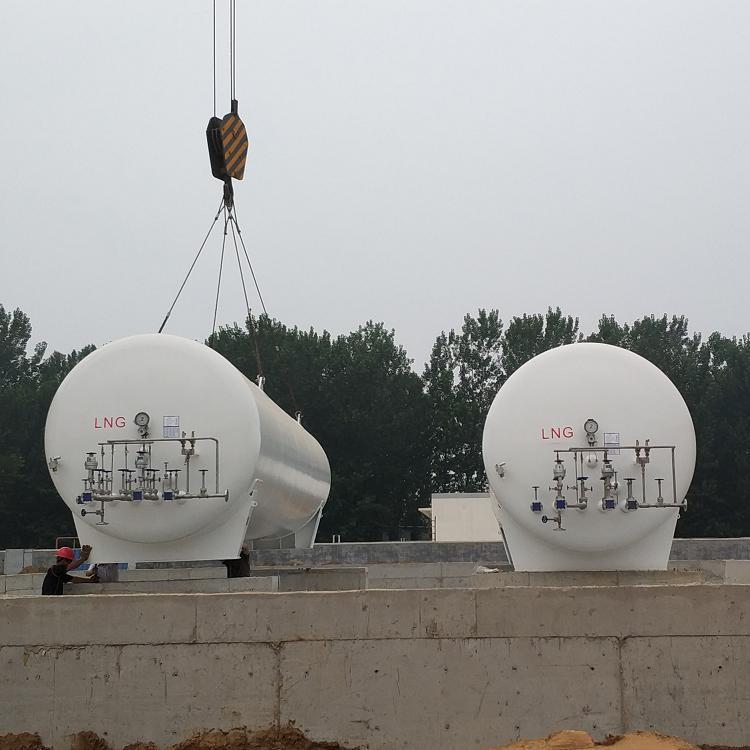
When storing liquid nitrogen in low-temperature storage tanks, please note the following points:
Protective Gear: When operating low-temperature storage tanks, it is mandatory to wear appropriate protective gear, including gloves, protective suits, and non-slip shoes. This gear helps protect the skin from the low temperatures of liquid nitrogen and other hazards.
Avoid direct contact: Liquid nitrogen is extremely cold and can cause frostbite. Therefore, it is essential to avoid direct contact with liquid nitrogen, especially with the skin. Use tools or equipment for handling to prevent hands from coming into direct contact with liquid nitrogen.
Ventilation Requirements: In the operation area of low-temperature tanks, adequate ventilation must be ensured to expel gases produced by the evaporation of liquid nitrogen. Maintain air circulation to avoid excessive oxygen concentration, and reduce the risk of fire and explosion.
Prevent Leaks: Regularly inspect the low-temperature storage tanks for leaks and equip with leak detection and alarm systems. In case of a leak, take immediate measures to control the leak and perform repairs. Avoid the harm caused by liquid nitrogen leaks to personnel and the environment.
Fire Prevention Measures: Liquid nitrogen has a low boiling and freezing point, which is prone to causing fires. Measures such as setting up fire barriers around low-temperature storage tanks and using fire-resistant coatings are taken to prevent fires from occurring and spreading.
Static protection: Electrostatic buildup in low-temperature tanks may cause sparks, increasing the risk of fire. Measures such as using static-conductive materials and anti-static equipment should be taken to reduce the accumulation and release of static electricity.
Regular Inspections and Maintenance: Conduct regular checks on the status of low-temperature storage tanks and related equipment, including valves, pipes, pressure gauges, etc. Ensure the equipment is in perfect condition without any damage, and promptly repair or replace any damaged parts.
Waste Gas Treatment: Low-temperature storage tanks produce waste gas during operation, which necessitates appropriate waste gas treatment measures to minimize environmental impact.
Above are the precautions to be taken when storing liquid nitrogen in a low-temperature storage tank, ensuring operational safety and the normal operation of the tank. During the operation, strict adherence to relevant operational procedures and safety requirements should be maintained to avoid accidents.
Proper installation of the liquid oxygen tank safety valve is a crucial step in ensuring the safe operation of the liquid oxygen tank. Here are the installation steps for the liquid oxygen tank safety valve:
Select the appropriate safety valve: Choose a safety valve that meets the design pressure and flow requirements of the liquid oxygen tank. Ensure the rated pressure and flow of the safety valve comply with the tank's specifications and adhere to relevant safety standards and regulations.
Valve Installation Location: Select a suitable location for installing the safety valve. Typically, the safety valve should be mounted on the top or side of the liquid oxygen storage tank to ensure timely pressure release in case of overpressure situations.
Preparation for installation interfaces: Prepare the corresponding interfaces based on the connection method of the safety valve. This may include welding interfaces, threaded interfaces, or flange interfaces, etc. Ensure the tightness and firmness of the connections.
Install the safety valve: Mount the safety valve onto the prepared interface. Follow the installation instructions for the safety valve to ensure it is properly connected and securely fastened.
Adjustment and Testing: After installation, adjust and test according to the safety valve requirements. Ensure the opening and closing pressures of the safety valve meet the design specifications, and conduct a leak test to ensure sealing.
Identification and Documentation: Label the safety valve with relevant information, such as rated pressure, flow rate, and installation date. Also, record the installation details and test results of the safety valve for future reference and maintenance.
When installing the liquid oxygen storage tank safety valve, it is essential to follow the relevant safety regulations and operating guidelines. If you lack the necessary experience and knowledge, it is advisable to seek assistance and guidance from experts to ensure the correct installation and reliable operation of the safety valve.
Our company attaches great importance to technological innovation and R&D design. We have one municipal-level enterprise technology center in Heze City, equipped with testing facilities for non-destructive testing, physical and chemical testing, welding testing, hydrostatic testing, etc. We have over 600 various instruments and equipment, including CNC machine tools, X-ray flaw detectors, digital ultrasonic flaw detectors, mechanical property testing machines, chemical analyzers, spectrometers, tensile testing machines, plasma welding machines, and more. The key products and technologies we have developed, such as temperature and pressure vessel welding, biomass boiler emission reduction, and waste heat utilization, have successively been selected for multiple Shandong Provincial Department of Industry and Information Technology science and technology innovation projects, Shandong Provincial key projects, and Heze City innovation and excellence projects. We have accumulated a total of 27 authorized utility models, 16 authorized inventions, participated in drafting 2 standards, 2 industry standards, and registered 15 trademarks. The technical team of our company, in collaboration with Professor Yajiang Li of Shandong University, has developed deep cryogenic container processing technology using the international plasma arc + filler wire tungsten inert gas arc welding (PAW-GTAW) technology. After the provincial-level scientific and technological achievement evaluation, the technology level has reached an international standard in the field of deep cryogenic container manufacturing. Choose Zhongjie Special Equipment, and let's create brilliance together!
WeChat Official Account

Scan to follow Official Account



















