



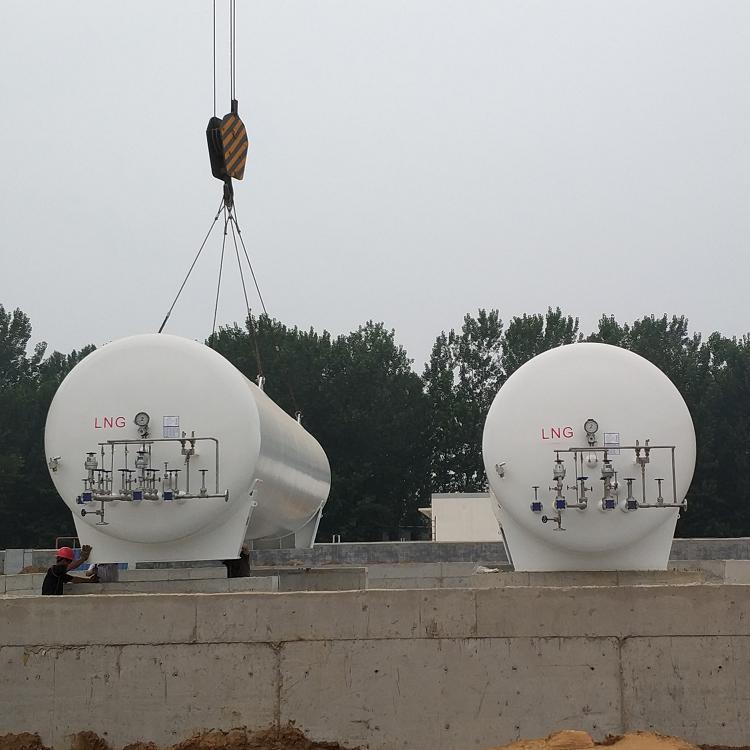
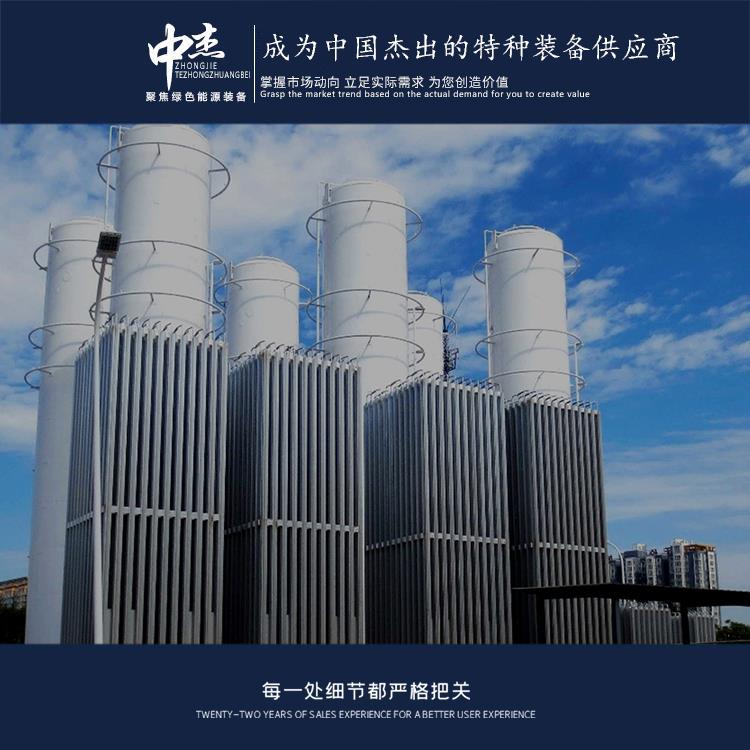


















Shandong Zhongjie Special Equipment Co., Ltd. specializes in the following products: fuel (gas) boilers, organic heat carrier boilers, biomass boilers, waste heat recovery boilers, and other boiler products; vacuum insulation cryogenic pressure vessels such as LNG tanks, oxygen/nitrogen/argon tanks, and CO2 tanks; pressure vessel products including denitrification engineering equipment, heat storage and energy storage equipment, and complete chemical equipment; central air conditioning and HVAC equipment such as ground (water) source heat pumps, air source units, water-cooled screw units, and air-cooled modular units. Planned products include large-scale energy centers, LNG transport vehicles, LNG tank containers, and other green energy equipment.
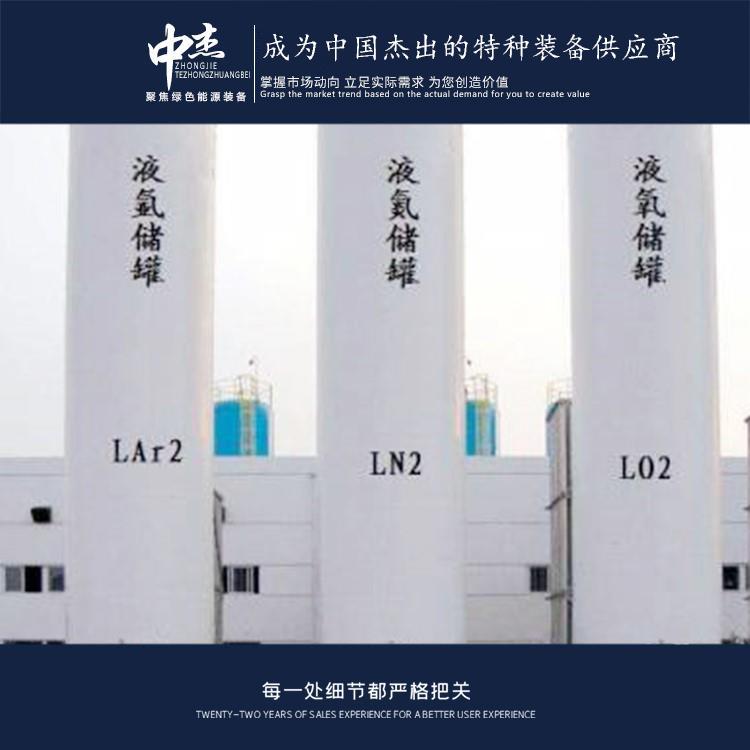
Liquid Argon Storage Tank is a specialized equipment designed for storing liquid argon, featuring the following parameters, functions, and characteristics:
Parameters:
Tank Capacity: The capacity of liquid argon tanks can be customized to meet requirements, typically available in various sizes such as 500L, 1000L, 2000L, and so on.
Working Pressure: The working pressure of liquid argon tanks is typically atmospheric or slightly above atmospheric pressure.
Storage Temperature: Liquid argon storage tanks are typically stored at -196°C, which is the boiling point of argon, maintaining its liquid state.
Function:
Store Liquid Argon: Liquid argon tanks are primarily used for storing liquid argon, maintaining its liquid state at low temperatures for supply and usage.
Insulation and Thermal Protection: The liquid argon storage tank utilizes advanced insulation materials and structural design to minimize heat transfer and maintain the低温 state of liquid argon.
Safety Control: The liquid argon storage tank is equipped with safety devices such as pressure relief valves and level alarms to ensure safe operation and use.
Features:
High Purity Supply: Liquid argon tanks offer high purity liquid argon supply to meet the requirements of applications such as cryogenic storage, gas shielded welding, and semiconductor manufacturing.
Long-term Storage: Liquid argon tanks are designed for long-term storage of liquid argon, extending their service life. By controlling the temperature inside the tank and the performance of the insulation layer, the evaporation and oxidation of liquid argon are slowed down.
Versatile Applications: Liquid argon storage tanks are widely used in various fields such as industry and scientific research, including refrigeration and semiconductor manufacturing.
Environmental Protection and Energy Saving: Liquid Argon Storage Tanks effectively store and utilize liquid argon, reducing energy waste and environmental pollution.
In summary, liquid argon storage tanks are designed for storing liquid argon, thermal insulation, and safety.
Liquid nitrogen tanks are equipment used for storing and transporting liquid nitrogen. To ensure their safe operation, here are some common operational safety procedures for liquid nitrogen tanks:
Tank Installation: Tanks should be installed on a solid and level foundation, away from fire sources and flammable materials. Good ventilation around the tank is essential to prevent gas accumulation. The tank should maintain a safe distance from other equipment and buildings.
Liquid Nitrogen Filling: When filling with liquid nitrogen, appropriate liquid nitrogen transfer equipment should be used to avoid direct contact. During the filling process, attention should be given to controlling the flow and pressure of liquid nitrogen to prevent over-filling and excessive tank pressure.
Tank Pressure Control: Tanks should be equipped with pressure control devices to ensure internal tank pressure remains within safe limits. Regularly inspect and maintain these devices to ensure proper functioning.
Leak Detection and Alarm Systems: Storage tanks should be equipped with leak detection and alarm systems to promptly detect and alert of any tank leaks. Regularly inspect and maintain the leak detection equipment to ensure proper functioning.
Fire and explosion prevention measures: A fire-resistant isolation area should be set around the storage tank, away from fire sources and flammable materials. The tank itself should implement fire and explosion prevention measures, such as fire-resistant coatings, explosion-proof devices, etc., to prevent fires and explosions.
Regular Inspections and Maintenance: Regularly inspect the tank's exterior, valves, and fittings to ensure they are intact and undamaged. Conduct regular leak tests and pressure tests to ensure the tank's safety performance meets requirements.
Safety Training and Awareness Enhancement: Conduct safety training for operators to enhance their awareness and ability in the safe operation of liquid nitrogen tanks. Regularly hold safety training and drills to respond to emergencies.
Manage records and documents: Establish comprehensive management records and documentation, including tank usage, inspection, and maintenance records. Regularly review and update records to ensure safe management and maintenance of tanks.
Note that the above are common protective procedures, but specific procedures may vary depending on the type of tank and application. When using a liquid nitrogen tank, operate according to relevant specifications and standards, and consult with experts to ensure safety and effectiveness.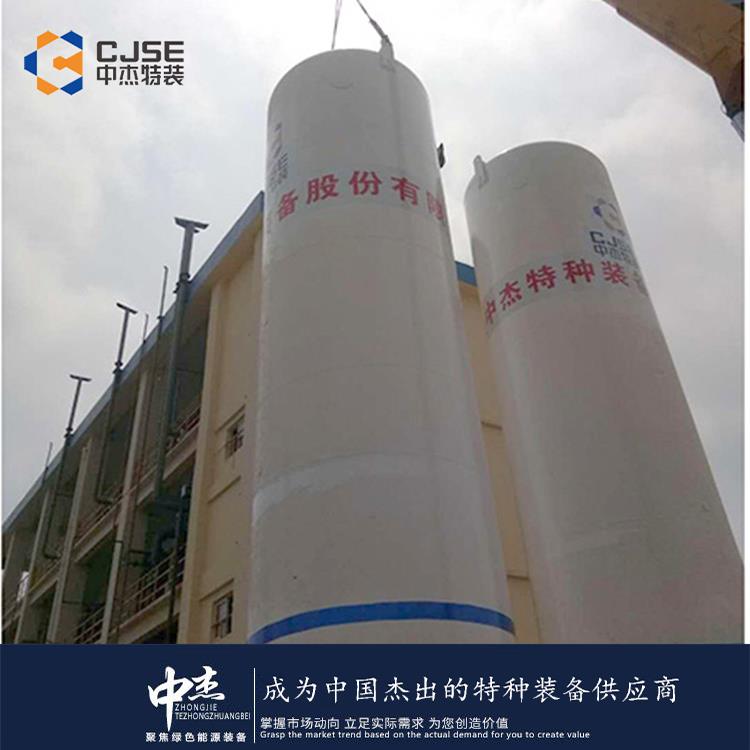
Zhongjie Special Equipment Co., Ltd. is a company specializing in the production of low-temperature liquid storage tanks. They offer a range of low-temperature liquid storage tanks in various specifications and capacities, including liquid nitrogen tanks, liquid oxygen tanks, liquid argon tanks, and more.
The Chongjie低温 liquid storage tanks are constructed with high-quality materials and advanced manufacturing techniques, ensuring their strength and seal integrity. The internal design features special insulation materials and structures, effectively reducing evaporation losses of the liquid.
The low-temperature liquid storage tanks from Zhongjie are characterized by the following features:
High Safety: Tanks are constructed from materials with excellent pressure resistance and sealing properties, ensuring safe storage of low-temperature liquids.
Low evaporation loss: Insulation materials and structural design used inside the tank effectively reduce liquid evaporation loss, enhancing the tank's economic efficiency.
Multiple specification and capacity options: Zhongjie offers a variety of specifications and capacities for low-temperature liquid storage tanks to meet different customer requirements.
Customized Design: Based on the specific requirements of the client, ZJTECH can offer customized design and manufacturing services to accommodate various application scenarios.
Quantity Manufacturing Process: With state-of-the-art manufacturing equipment and a skilled technical team, Zhongjie Special Equipment can ensure the quality and performance of the storage tanks.
In summary, Zhongjie's custom-made low-temperature liquid storage tanks offer high safety, low evaporation loss, and a variety of specifications, making them suitable for storage and transportation needs of low-temperature liquids.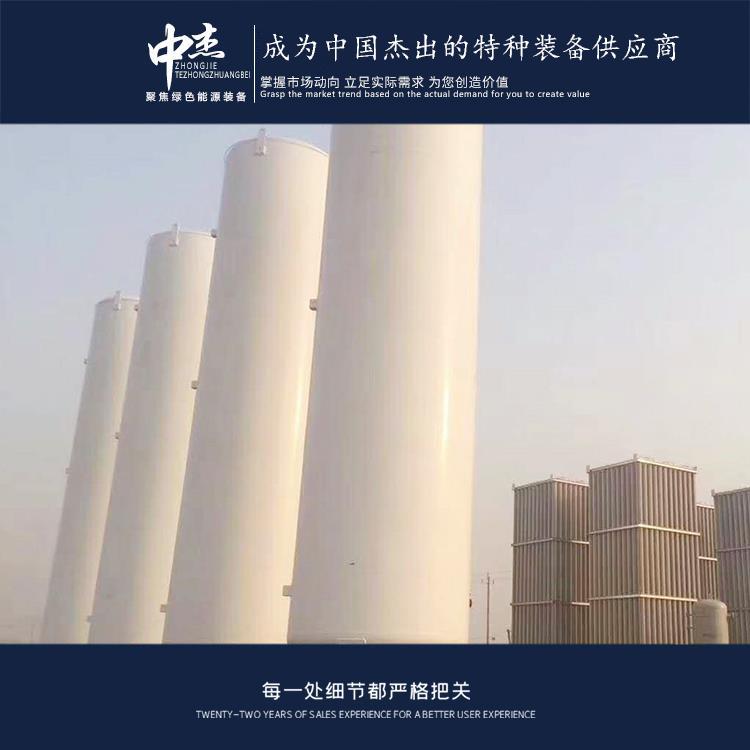
When storing liquid nitrogen in low-temperature storage tanks, be mindful of the following points:
Protective Gear: When handling low-temperature storage tanks, it is mandatory to wear appropriate protective gear, including gloves, protective suits, and non-slip shoes. This gear helps protect the skin from the low temperatures of liquid nitrogen and other hazards.
Avoid direct contact: Liquid nitrogen is extremely cold and can cause frostbite. Therefore, it is essential to avoid direct contact with liquid nitrogen, especially with skin. Use tools or instruments for handling, and never touch liquid nitrogen with your hands.
Ventilation Requirements: In the operation area of low-temperature storage tanks, adequate ventilation must be ensured to exhaust gases produced by the evaporation of liquid nitrogen. Maintain air circulation to avoid excessive oxygen concentration, reducing the risk of fire and explosion.
Prevent Leaks: Regularly inspect low-temperature storage tanks for leaks and equip with leak detectors and alarm systems. In case of a leak, take immediate action to control and repair it. Avoid the hazards of liquid nitrogen leaks to personnel and the environment.
Fire Prevention Measures: Liquid nitrogen has a low boiling and freezing point, which is prone to cause fires. To prevent and contain fires, fireproof walls are set up around low-temperature storage tanks, and fire-retardant coatings are used.
Static Protection: The accumulation of static electricity in low-temperature storage tanks may cause sparks, increasing the risk of fire. Measures such as using static-conductive materials and anti-static equipment are taken to reduce the buildup and release of static electricity.
Regular inspections and maintenance: Conduct regular checks on the status of low-temperature storage tanks and related equipment, including valves, pipelines, pressure gauges, etc. Ensure that the equipment is in good condition without damage, and promptly repair or replace any damaged parts.
Waste Gas Treatment: Low-temperature storage tanks produce waste gas during operation, which requires appropriate waste gas treatment measures to minimize environmental impact.
Above are the precautions to be taken when storing liquid nitrogen in a low-temperature storage tank, ensuring operational safety and the normal operation of the tank. During the operation, strictly follow the relevant operational procedures and safety requirements to avoid accidents.
Shandong Zhongjie Special Equipment, welcome customers to our factory for business discussions.
WeChat Official Account

Scan to follow Official Account



















