


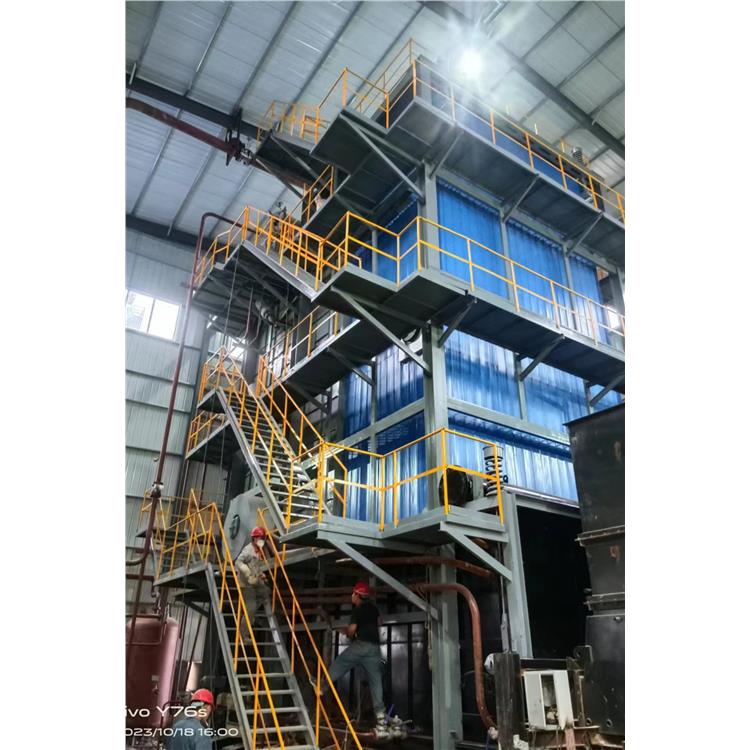

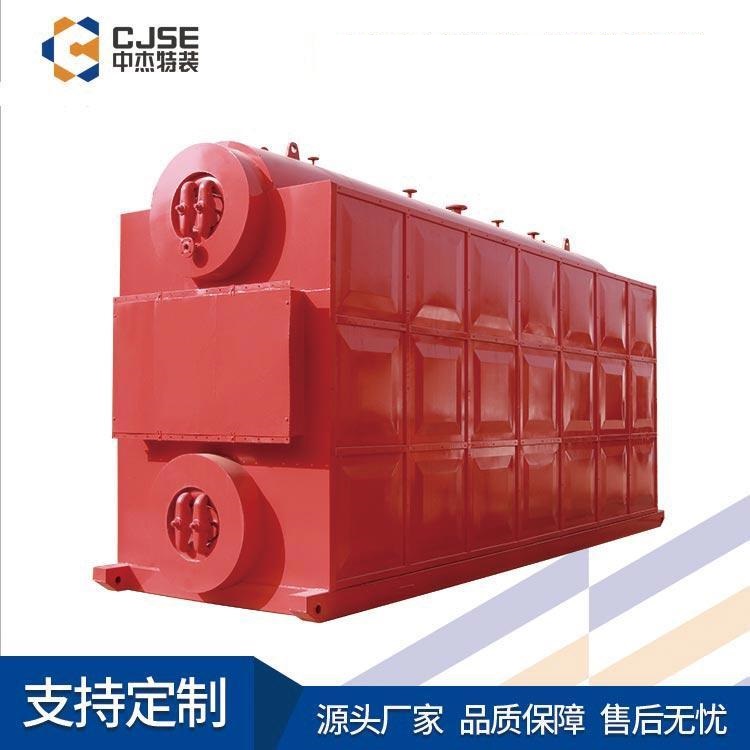
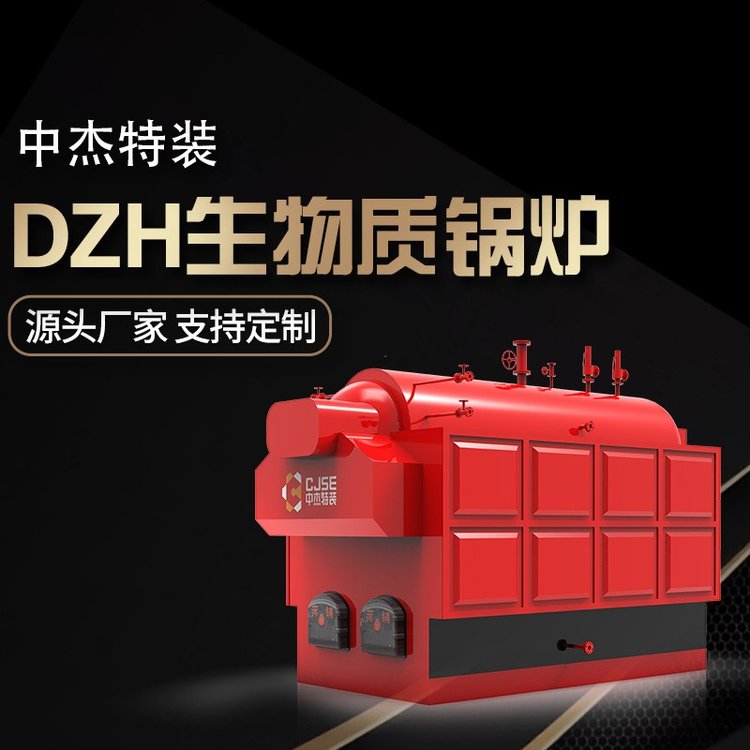


















Shandong Zhongjie Special Equipment's main products include: fuel (gas) boilers, organic heat carrier boilers, biomass boilers, waste heat recovery boilers, and other boiler products; vacuum insulation cryogenic pressure vessels such as LNG tanks, oxygen/nitrogen/argon tanks, and CO2 tanks; pressure vessel products such as denitrification engineering equipment, heat storage equipment, and complete chemical equipment sets; central air conditioning and heating ventilation equipment such as ground (water) source heat pumps, air source units, water-cooled screw units, and air-cooled modular units. Planned products include large-scale energy centers, LNG transport vehicles, and LNG tank containers, among other green energy equipment.
When purchasing biomass boilers, the following factors should be considered:
Fuel Adaptability: Different types of biomass boilers are suitable for various fuel types, such as wood chips, straw, and waste crops. When selecting a biomass boiler, consider the availability and cost of the required fuel to ensure the boiler can adapt to the fuel type used.
Boiler Power and Heat Load: Select an appropriate biomass boiler power based on the heating area required and the size of the heat load. An undersized boiler power may not meet the heating needs, while an oversized boiler power would result in energy waste.
Combustion Efficiency: Combustion efficiency is a crucial indicator of a boiler's energy utilization efficiency. Choosing biomass boilers with high combustion efficiency can reduce energy consumption and carbon emissions.
Equipment Quality and Reliability: Choose a biomass boiler manufacturer with an excellent reputation to ensure reliable equipment with stable operation, reducing downtime and maintenance costs.
Environmental Performance: Focus on the environmental performance of biomass boilers, including emission standards and flue gas treatment systems. Choose boilers that minimize environmental pollution.
Control Systems and Automation Level: The advanced control systems and automation level enhance the operational efficiency and stability of biomass boilers, reducing labor and management costs.
After-sales Service and Technical Support: Choose suppliers with excellent after-sales service and technical support to ensure timely access to technical assistance and repair services during use.
In summary, when selecting biomass boilers, consider fuel adaptability, boiler power and heat load, combustion efficiency, equipment quality and reliability, environmental performance, control systems, and degree of automation.
Biomass boiler pellets are a common form of biomass fuel, also known as biomass pellets or wood pellets. They are small granular fuels made by processing biomass raw materials (such as sawdust, straw, wheat straw, fruit shells, etc.) through processes like crushing, drying, and pressing.
Biomass boiler pellet fuel boasts the following features:
High Energy Density: Biomass pellets offer a high energy density, allowing for more energy to be stored in a relatively smaller volume, which is convenient for transportation and storage.
Easier to Burn: Biomass pellets have a regular shape and uniform size, ensuring a stable combustion process, easy control of combustion parameters, and enhanced efficiency.
Low humidity and low ash content: Biomass pellet fuel is dried and processed, resulting in low humidity and relatively low ash content. This reduces water evaporation and ash residue during combustion, enhancing combustion efficiency and minimizing pollutant emissions.
Renewable and Eco-friendly: Biomass pellet fuel is a renewable energy source, which can be recycled through the regeneration process. The carbon dioxide released during combustion can be absorbed by biomass regeneration, forming a cycle with minimal environmental impact.
Wide燃烧 adaptability: Biomass pellet fuel is suitable for biomass boilers and boasts strong combustion adaptability. Different types and specifications of pellet fuel can be chosen according to actual conditions to meet the needs of various boilers.
Biomass pellets are widely used in biomass boilers, representing a clean and renewable energy source that is crucial for reducing carbon emissions and protecting the environment.
Coking in biomass boilers refers to the phenomenon where ash and other impurities in the fuel settle and form slag inside the furnace during the combustion process. Coking can adversely affect the normal operation and thermal efficiency of biomass boilers. Below are the hazards of coking and corresponding measures:
Reducing thermal efficiency: Coking can lead to carbon accumulation on the inner walls of the furnace and the heat exchange area, increasing thermal resistance and lowering the efficiency of heat conduction, thereby reducing the boiler's thermal efficiency. Lowering thermal efficiency can result in energy waste and increased operating costs.
Measures: Regularly clean the slag and accumulated carbon inside the furnace chamber to maintain the cleanliness of the inner wall and enhance heat exchange efficiency.
Impact on combustion stability: Coking can lead to unevenness during the combustion process, reducing combustion stability and potentially causing incomplete combustion and unstable flames.
Measures: Reasonably adjust combustion parameters such as combustion temperature and air volume to maintain stability during the combustion process.
Increased equipment wear and maintenance costs: Carbon coking can lead to carbon accumulation on the inner walls of the furnace and flue pipes, thereby increasing the wear and maintenance costs of the equipment.
Measures: Regularly clean and maintain boiler equipment to prevent the formation of slagging and carbon deposition.
Increased environmental pollution: Coking can lead to an increase in pollutant emissions during the combustion process, affecting the environment.
Measures: Reasonably control the combustion process to ensure complete and thorough combustion, reducing emissions of pollutants.
In summary, measures to prevent biomass boiler slagging include regular cleaning and maintenance of equipment, reasonable adjustment of combustion parameters, and control
Possible reasons for incomplete combustion of fuel in biomass boilers may include the following aspects:
Inappropriate combustion conditions: If the combustion temperature is too low, oxygen supply is insufficient, or combustion time is inadequate during the burning process, it will lead to incomplete fuel combustion. This may be caused by improper burner settings, an unreasonable ventilation system, or inaccurate adjustment of combustion parameters.
Fuel Quality Issues: The quality of fuel can also affect combustion efficiency. If fuel contains excessive moisture, impurities, or ash, it can impact the calorific value and combustion performance during the combustion process, leading to incomplete combustion.
Improper combustion chamber design: The design of the combustion chamber significantly affects the combustion efficiency. An unreasonably structured combustion chamber, insufficient combustion space, or uneven airflow distribution within the chamber can all lead to incomplete fuel combustion.
Fault in combustion system: A failure in the combustion system can also lead to incomplete fuel combustion. For example, issues such as clogged burner nozzles, faults in the ignition system, or abnormal operation of the combustion fan can all affect combustion efficiency.
Lack of maintenance and cleaning: Regular maintenance and cleaning of biomass boilers are crucial for maintaining combustion efficiency. Issues such as accumulated ash, slagging, or blockages inside the boiler can affect the normal combustion of fuel, leading to incomplete combustion.
To address issues with incomplete fuel combustion, the following measures can be taken: adjust combustion parameters to ensure proper combustion temperature, oxygen supply, and duration; select the appropriate amount of fuel and ensure its storage and handling meet requirements; perform regular maintenance and cleaning of the boiler to maintain the normal operation of the combustion system. Additionally, depending on the specific situation, it may be necessary to consult with boiler maintenance personnel or manufacturers for more detailed and accurate solutions.
Zhongjie Special Equipment upholds the grand vision of "realizing employees' dreams, creating customer value, and striving for the prosperity and strength of our motherland," and is dedicated to the development of the green energy equipment industry. We commit to society with high-quality, cost-effective products and services!
WeChat Official Account

Scan to follow Official Account



















