


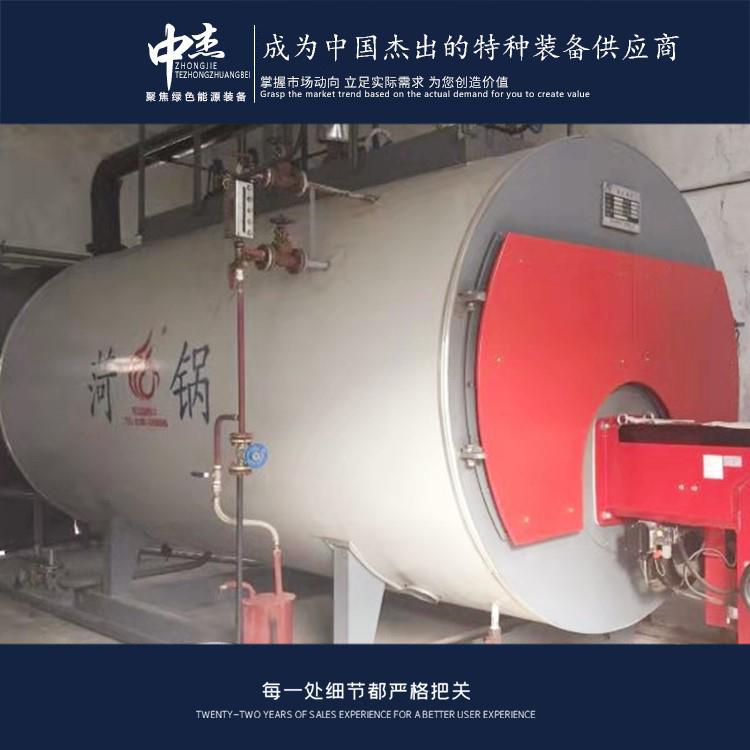

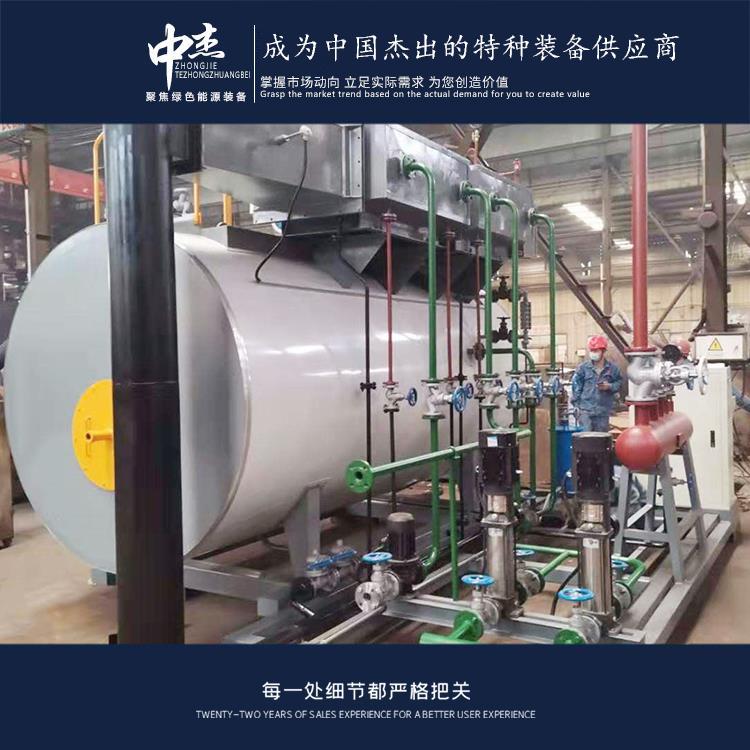
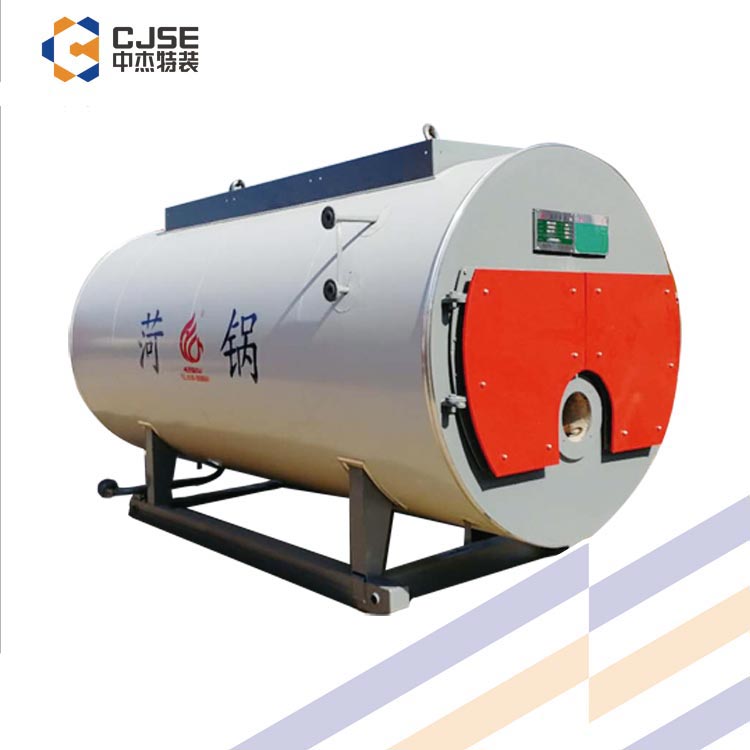


















Shandong Zhongjie Special Equipment (formerly Heze Boiler Factory Co., Ltd.) holds an A-grade boiler manufacturing license, an A2-grade pressure vessel manufacturing license, an A2-grade pressure vessel design license, B-grade boiler installation, and GB2/Class and GC2/Class pressure pipeline installation licenses, as well as equipment and machinery installation contracting qualifications. It is a member of the China Boiler and Water Treatment Association, the China Chemical Equipment Association, and the Council Member of the Shandong Equipment Manufacturing Association, and has passed certifications for the ISO9001 Quality Management System, ISO14001 Environmental Management System, OHSAS18001 Occupational Health and Safety Management System, and the U.S. ASME/U2 certification.
Steam boilers generate a certain amount of waste water during operation, which requires effluent treatment. Here are the general steps for steam boiler effluent discharge:
Preparation: Before discharging, ensure the steam boiler is shut down and the pressure inside has been reduced to a safe level.
Open the Drain Valve: Locate the corresponding drain valve according to the steam boiler's design and open it. The drain valve is typically found on the bottom or near the bottom of the drain pipe.
Discharge Waste Water: After opening the drain valve, waste water will flow out of the drain pipe. Depending on the need, use a drain pump or gravity to expel the waste water.
Observe the Waste Water: During the discharge, monitor the waste water's color, turbidity, and odor to determine if there are any abnormalities, such as sediment, impurities, or strange smells.
Close the Drain Valve: Once the waste water has been discharged or the predetermined effluent target is reached, close the drain valve.
Clean the Drain System: Regularly clean the drain system to prevent blockages or buildup, ensuring the free flow of the system.
Note that the specific steps and frequency of steam boiler effluent discharge may vary depending on the boiler model, usage conditions, and operational requirements. Therefore, when performing steam boiler effluent discharge operations, it's advisable to refer to the boiler's operation manual or consult with experts to ensure proper and safe procedures.
Hot water boilers and steam boilers are two common types of boilers, differing in their working principles, application scenarios, and operating parameters:
- Working Principle: Hot water boilers provide heat by heating water, which is then circulated through the heating system. Steam boilers, on the other hand, produce steam by heating water, which is then sent to the heating system.
- Operating Temperature and Pressure: Hot water boilers typically operate at temperatures between 60°C and 100°C with lower pressures. Steam boilers usually operate at temperatures between 100°C and 200°C, with higher pressures, typically ranging from 0.7MPa to 2.5MPa.
- Heating Method: Hot water boilers circulate hot water through the heating system using a circulating pump, primarily through conduction and convection. Steam boilers transport steam through steam pipes to the heating system, mainly through steam conduction.
- Application Scenarios: Hot water boilers are suitable for heating, bathing, swimming pool heating, and other scenarios where hot water is needed in industrial processes. Steam boilers are used in industrial processes requiring steam, such as power plants, chemical factories, and textile mills.
- Equipment Structure: Hot water boilers are generally simpler and have a smaller structure, occupying less space. Steam boilers are typically more complex, with a larger structure and greater space requirements.
- Note: In some specific application scenarios, there may be overlap between hot water and steam boilers, such as in industrial processes where both hot water and steam are needed. Therefore, when selecting a boiler type, it is necessary to consider the specific requirements and application scenarios.
The necessity of flow control in thermal oil heaters is primarily reflected in the following aspects: thermal energy transfer efficiency: The efficiency of thermal energy transfer in thermal oil heaters is closely related to the flow rate of the thermal oil. An appropriate flow rate of thermal oil can ensure the full transfer of thermal energy in the heat exchanger, improving the efficiency of energy utilization. An excessively low flow rate may result in insufficient heat exchange and affect the transfer effect of thermal energy; on the other hand, an excessively high flow rate will increase energy consumption and operating costs. temperature control: The flow control of thermal oil heaters is also closely related to temperature control. By adjusting the flow rate of thermal oil, the temperature inside the furnace can be controlled, ensuring stable operation within the set working temperature range. An excessively low flow rate may lead to excessively high temperatures, while an excessively high flow rate may cause temperatures to drop too low, both of which can affect the normal operation of the equipment. system stability: An appropriate flow rate of thermal oil can enhance system stability. Through flow control, the supply and demand of thermal energy can be balanced, preventing overheating or underheating and maintaining stable system operation. Stable operation helps extend the service life of the equipment and reduce the frequency of failures and repairs. safety: The flow control of thermal oil heaters is also closely related to safety. Appropriate flow control can prevent excessive accumulation of thermal oil in the system, reducing the risk of leaks and explosions. At the same time, flow control can ensure that the system pressure remains within a safe range, avoiding overpressure and other safety issues. In summary, flow control in thermal oil heaters is necessary for improving thermal energy transfer efficiency, temperature control, system stability, and safety. Through reasonable flow control, the operation of thermal oil heaters can be optimized, energy utilization efficiency can be increased, operating costs can be reduced, and the safety and stable operation of the equipment can be ensured.
When designing a fuel-gas boiler room, the following points should be considered:
Safety Considerations: Ensure the boiler room design complies with relevant safety standards and regulations. Assess fire risks and install appropriate firewalls, fire doors, and fire isolation facilities. Ensure good ventilation in the boiler room with suitable ventilation equipment and flue systems to expel harmful gases produced by combustion.
Space and Layout: Plan the space and layout of the boiler room based on the number and size of the boilers. Ensure there is sufficient space for operation, maintenance, and cleaning. Arrange the boilers, fuel storage equipment, flue systems, and piping in a manner that facilitates operation and maintenance.
Fuel Supply and Storage: Consider the requirements for fuel supply and storage. Ensure the safety and reliability of fuel supply pipelines and equipment to avoid leaks and contamination. Plan the capacity and location of fuel storage equipment reasonably to ensure an adequate fuel supply and compliance with relevant safety requirements.
Emission and Exhaust Gas Treatment: Consider the emissions and treatment of exhaust gases produced by combustion. Install suitable flue systems and exhaust gas treatment equipment to minimize the impact of emissions on the environment. Ensure the design and layout of the flue system are reasonable and capable of effectively expelling smoke and exhaust gases.
Control and Monitoring Systems: Design appropriate control and monitoring systems to ensure the safety and operation of the boilers. This includes monitoring and control equipment for parameters such as temperature, pressure, and flow, as well as alarm and automatic shutdown devices. Ensure operators can promptly understand the operating status of the boilers and take appropriate actions.
Zhongjie Special Equipment upholds the grand vision of "realizing employees' dreams, creating value for customers, and striving for the prosperity and strength of our motherland," and is dedicated to the development of the green energy equipment industry. We offer society products and services with high cost-performance!
WeChat Official Account

Scan to follow Official Account



















