


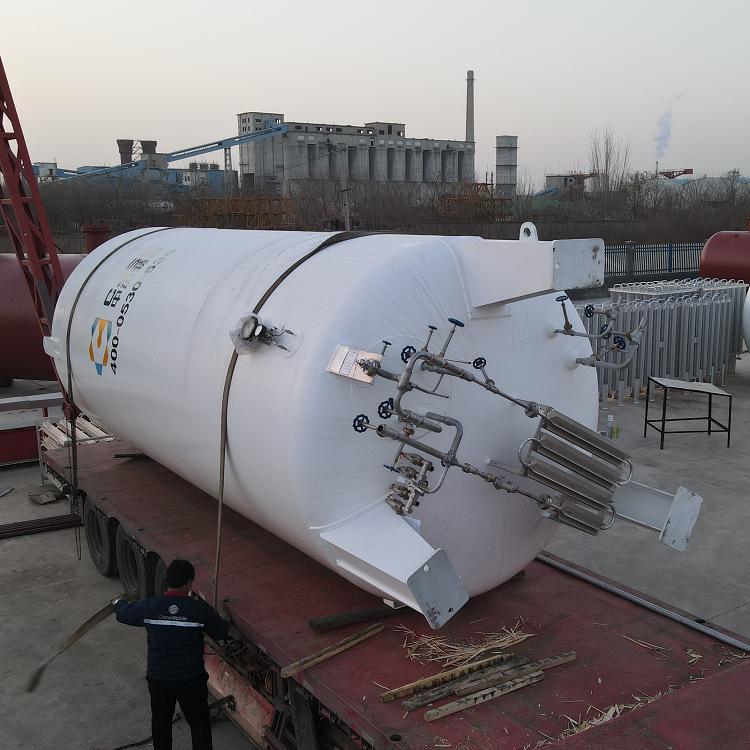

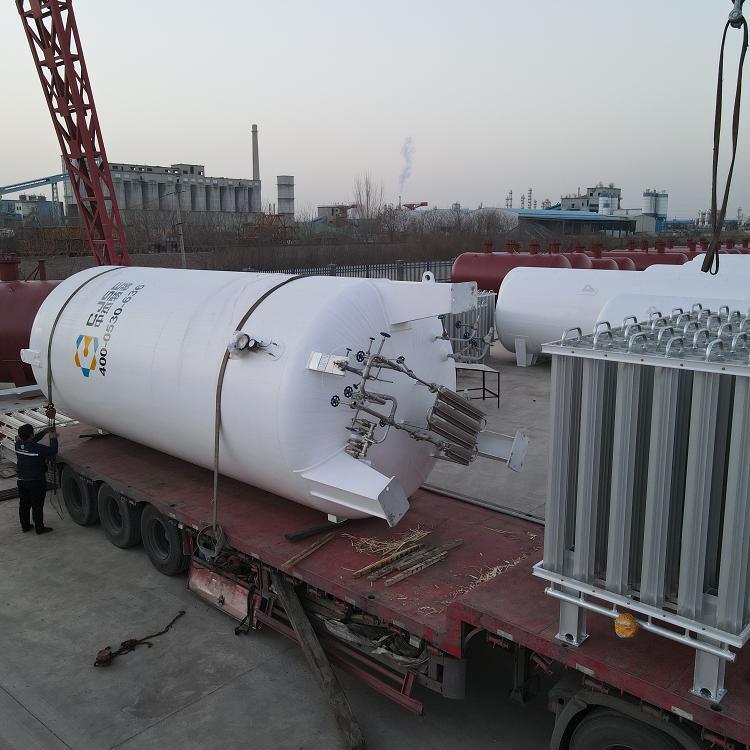
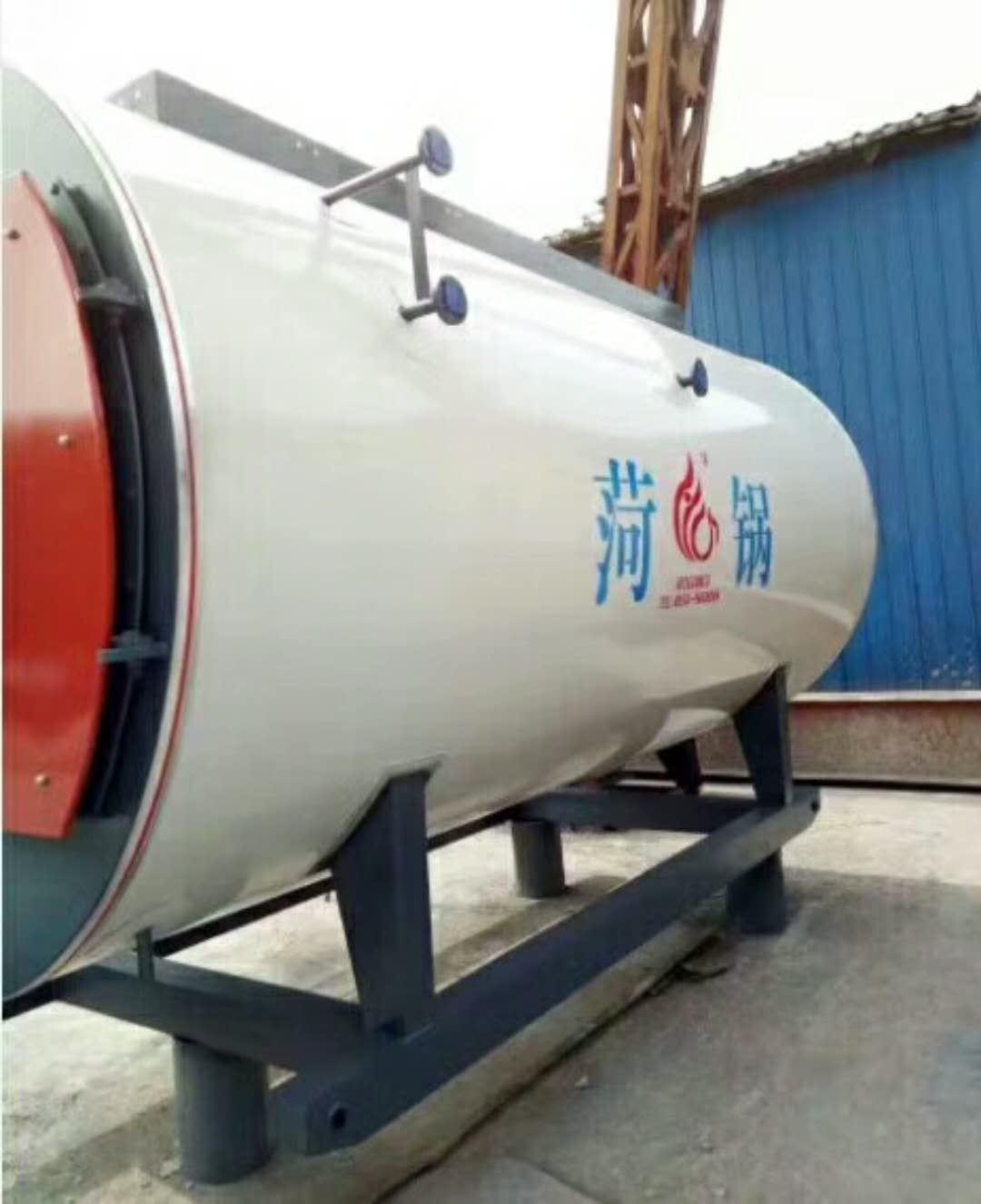


















Shandong Zhongjie Special Equipment (formerly Heze Boiler Factory Co., Ltd.) holds an A-grade boiler manufacturing license, an A2-grade pressure vessel manufacturing license, an A2-grade pressure vessel design license, a B-grade boiler installation license, and GB2/Class and GC2/Class pressure pipeline installation licenses, as well as a mechanical and electrical equipment installation contracting qualification. It is a member of the China Boiler and Water Treatment Association, the China Chemical Equipment Association, and the理事 member of the Shandong Equipment Manufacturing Association. The company has also passed the ISO9001 Quality Management System, ISO14001 Environmental Management System, OHSAS18001 Occupational Health and Safety Management System certifications, and the American ASME/U2 certification.
The use of liquid nitrogen storage tanks in rapid freezing technology offers several advantages:
Rapid Freezing Speed: The temperature of liquid nitrogen is low, approximately -196 degrees Celsius. Using a liquid nitrogen tank for rapid freezing can quickly lower the surface temperature of food, achieving fast freezing. Compared to traditional freezing methods, liquid nitrogen rapid freezing can significantly reduce freezing time while preserving the quality and texture of the food.
Uniformly Frozen Effect: The liquid nitrogen rapid freezing technology achieves quick and even freezing of food. Liquid nitrogen is喷射ed onto the food surface in a gaseous state, quickly absorbing heat and turning into a liquid, thereby ensuring even freezing of the food and preventing crystallization and lumping during the freezing process.
Maintain Food Quality: Liquid nitrogen rapid freezing quickly chills food, reducing crystallization and caking during the freezing process, thereby preserving the quality and texture of the food. During the rapid freezing process, liquid nitrogen rapidly lowers the surface temperature of the food, forming tiny frozen structures, effectively retaining the food's moisture and nutritional content.
Flexibility and Adaptability: Liquid nitrogen tanks can be adjusted and controlled to cater to different types of food and freezing requirements. The speed and angle of liquid nitrogen喷射 can be modified based on the size, shape, and freezing needs of the food to achieve optimal freezing results.
Environmental Protection and Energy Saving: The rapid freezing technology with liquid nitrogen is more energy and resource-efficient compared to traditional freezing methods. Liquid nitrogen rapidly evaporates during the freezing process, causing environmental pollution and generating waste water and gas.
Be mindful that when using liquid nitrogen tanks for rapid freezing, it is crucial to adhere to the relevant safety operation procedures and guidelines. Ensure that operators are equipped with the necessary safety awareness and operational skills to prevent any accidents. Additionally, consult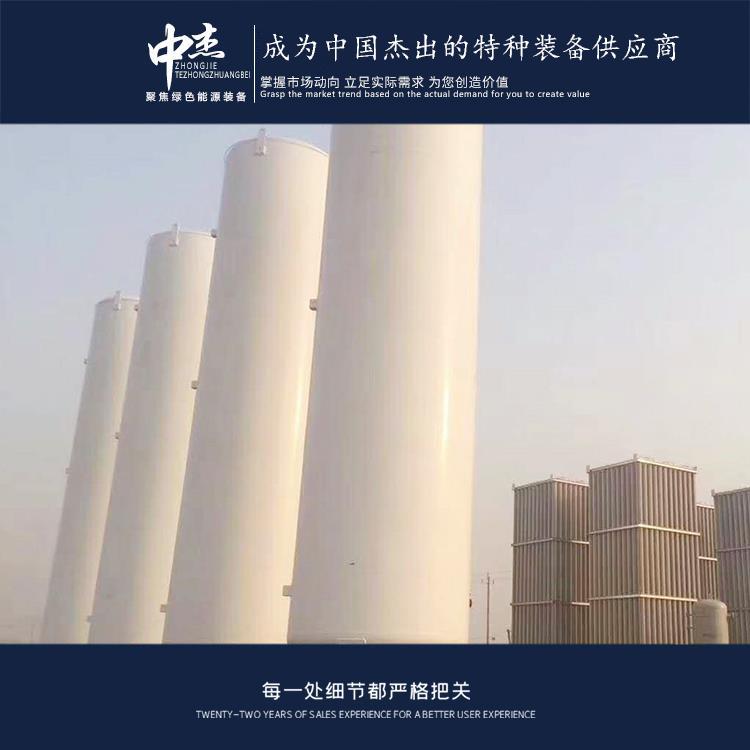
To prevent the explosion of liquid oxygen tanks, the following measures can be taken:
Regular inspections and maintenance: Conduct regular checks and maintenance on liquid oxygen tanks, including inspecting the tank's exterior, welds, valves, and connections, to ensure they are in perfect condition and free from damage. Regularly clean the tanks to remove impurities and dirt adhered to the surface.
Pressure Control: Storage tanks should be equipped with pressure control devices to ensure the internal pressure of the tank remains within a safe range. Regularly inspect and adjust the pressure control devices to ensure proper operation.
Temperature Control: Liquid oxygen tanks should be maintained within an appropriate temperature range to prevent excessive heat from causing pressure increase. Ensure the insulation layer of the tank is intact to minimize heat conduction and loss.
Fire Prevention Measures: Liquid oxygen has a high oxygen content and flammability, thus stringent fire prevention measures are required. A fire separation zone should be established around the storage tank, with smoking and open flames prohibited. Ensure an adequate fire separation distance between the tank and other facilities.
Pressure relief devices and safety valves: Liquid oxygen storage tanks should be equipped with pressure relief devices and safety valves to prevent overpressure and sudden pressure increases. Regularly inspect and test the operational status of the pressure relief devices and safety valves to ensure they are functioning properly.
Tank Operation Guidelines: Adhere strictly to the operation specifications and safety requirements for liquid oxygen tanks. Operators must be trained and familiar with the tank's characteristics and operation techniques. Avoid operational errors and unauthorized actions.
Emergency Preparedness: Establish emergency response plans and conduct drills to address potential accidents. Train operators in emergency response capabilities to ensure timely and effective actions.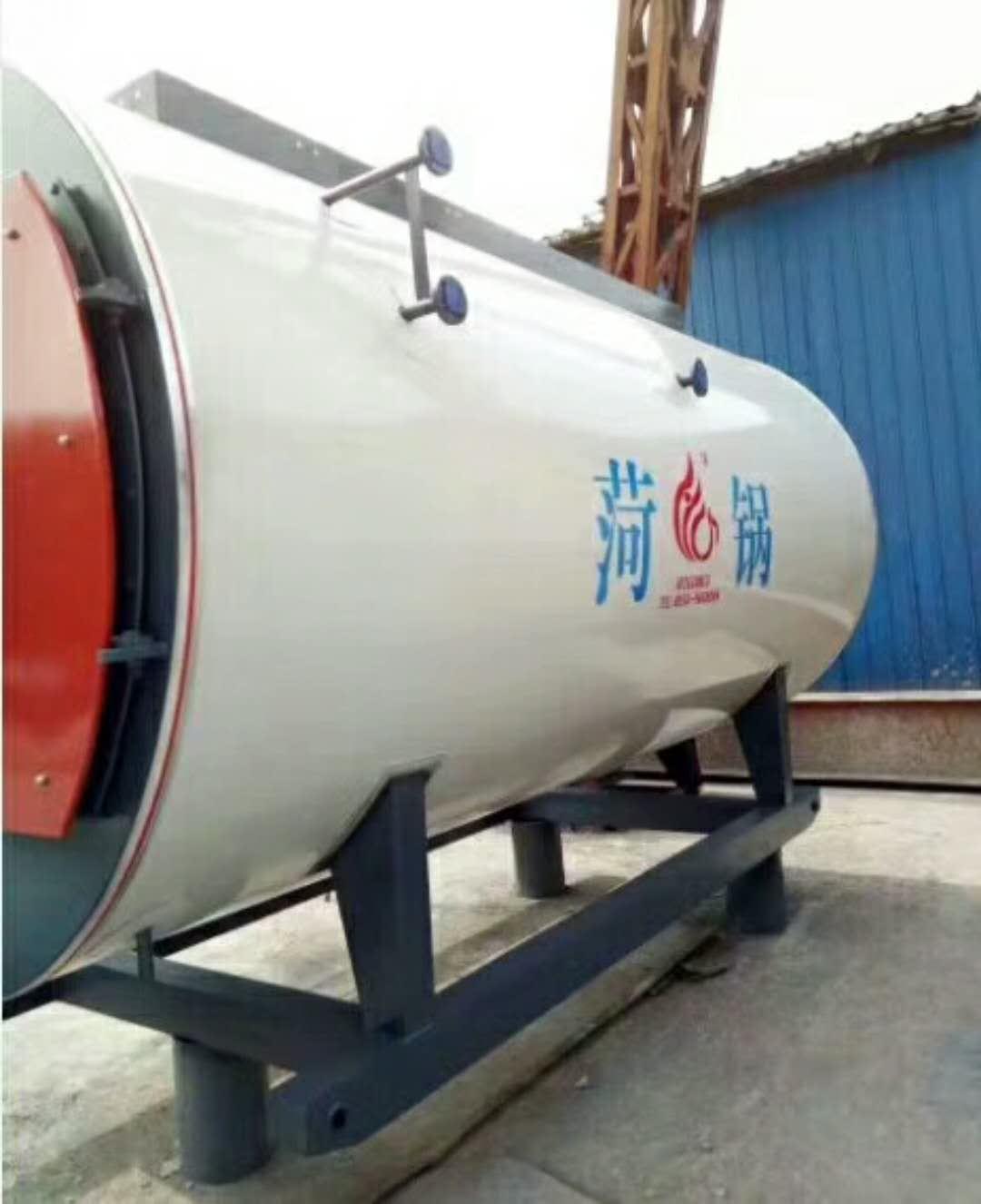
The maintenance and protection of liquid argon tank accessories are crucial for ensuring the normal operation and extending the service life of the tank. The following are general methods for maintaining and protecting liquid argon tank accessories:
Valve Maintenance: Regularly inspect and maintain valves within the storage tank accessories, including intake valves, exhaust valves, and safety valves. Ensure valves operate smoothly and reliably with no leaks or obstructions. Regularly lubricate the valves and remove any debris and dirt.
Pressure Relief Device Maintenance: The pressure relief devices (such as safety valves) in the liquid argon storage tank accessories are critical components for ensuring the safety of the internal pressure within the tank. Regularly inspect and test the operational status of the pressure relief devices to ensure their proper functioning. Clean and repair as necessary.
Sensor and Instrument Maintenance: Sensors and instruments in the liquid argon storage tank accessories are used for monitoring and controlling parameters such as tank temperature and pressure. Regularly calibrate and inspect the accuracy and reliability of the sensors and instruments. Keep the sensors and instruments clean and functioning properly.
Insulation Protection: The insulation layer of liquid argon storage tank accessories is crucial for maintaining the low temperature state of liquid argon. Regularly inspect the integrity and insulation performance of the insulation layer, and repair or replace damaged insulation materials. Avoid mechanical damage or contamination to the insulation layer.
Cleaning and Corrosion Protection: Regularly clean the accessories of the tank, removing impurities and dirt from the surfaces. Periodically inspect and maintain the corrosion-resistant coating on the accessories to prevent corrosion and oxidation.
Regular Inspections and Maintenance: Conduct comprehensive inspections and maintenance of liquid argon cylinder accessories on a regular basis, including the exterior, fittings, and seals. Promptly identify and address any damage, leaks, or other issues with the accessories.
Record and Document Management: Document each maintenance and service result, including the maintenance date, service content, issues found, and corrective measures. Establish comprehensive management records and documents for tracking and managing the operation of the attachments.
Note that maintenance and protection of liquid argon tank accessories should be carried out by trained personnel, following relevant specifications and standards. Ensure safety during maintenance and operations, and consult experts for accurate guidance.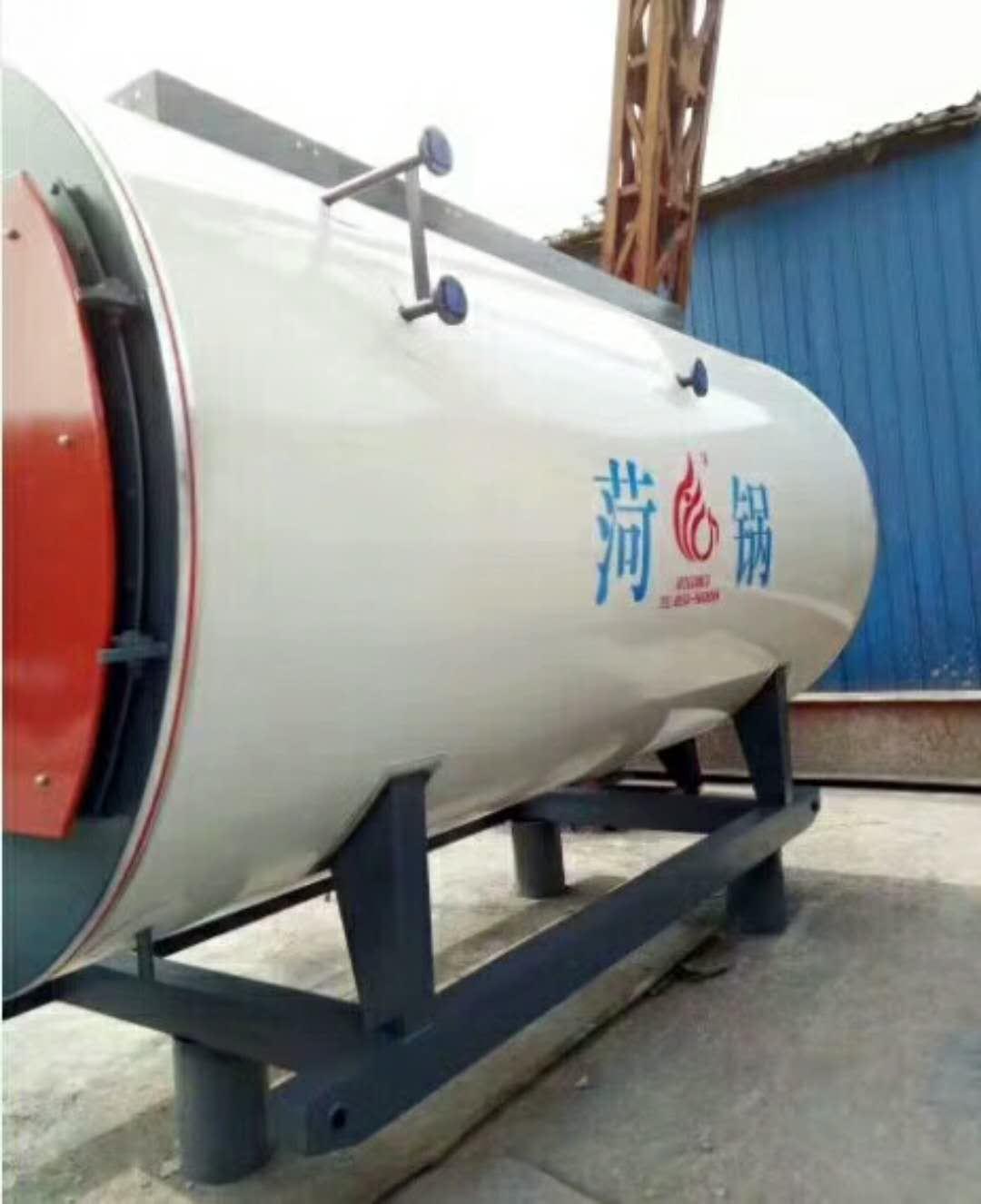
During the use of low-temperature liquid storage tanks, the following points should be noted:
Protective Gear: When handling low-temperature liquid storage tanks, appropriate protective gear must be worn, including gloves, protective clothing, and non-slip shoes. This equipment helps shield the skin from the harm of low-temperature liquids.
Avoid direct contact: Low-temperature liquids can be cold, which may cause discomfort. Hence, it is essential to avoid direct contact with low-temperature liquids, especially with the skin. Use tools or equipment for handling to prevent direct hand contact with low-temperature liquids.
Ventilation Requirements: Ensure adequate ventilation in the operating area of low-temperature liquid storage tanks to expel gases produced by the evaporation of the low-temperature liquid. Maintain air circulation to avoid excessive oxygen concentration and reduce the risk of fire and explosion.
Prevent Leaks: Regularly inspect the leakage conditions of low-temperature liquid storage tanks, equip with leak detection and alarm systems. In case of a leak, take immediate measures to control and repair it. Avoid the hazards of low-temperature liquid leaks to personnel and the environment.
Fire Prevention Measures: Low-temperature liquids have low boiling and freezing points, which are prone to cause fires. Measures such as setting up fire barriers around low-temperature liquid storage tanks and using fire-retardant coatings are taken to prevent the occurrence and spread of fires.
Static Dissipation: Handling low-temperature liquids can generate static electricity, increasing the risk of fire from sparks. Measures such as using static-conductive materials and anti-static equipment are taken to reduce the accumulation and release of static electricity.
Regular inspections and maintenance: Conduct regular checks on the condition of low-temperature liquid storage tanks and related equipment, including valves, pipelines, pressure gauges, etc. Ensure the equipment is in perfect condition, and promptly repair or replace any damaged parts.
Waste Gas Treatment: During the process of using low-temperature liquids, waste gas is produced, and appropriate waste gas treatment measures must be taken to minimize environmental impact.
Above are the precautions to be taken when using low-temperature liquid storage tanks, ensuring safe operation and normal tank performance. During operation, strict adherence to relevant operational procedures and safety requirements is mandatory, avoiding...
Zhongjie Special Equipment upholds the great vision of "realizing employees' dreams, creating value for customers, and striving for the prosperity and strength of our motherland," and is dedicated to the development of the green energy equipment industry. We offer society products and services with high cost-performance!
WeChat Official Account

Scan to follow Official Account



















