


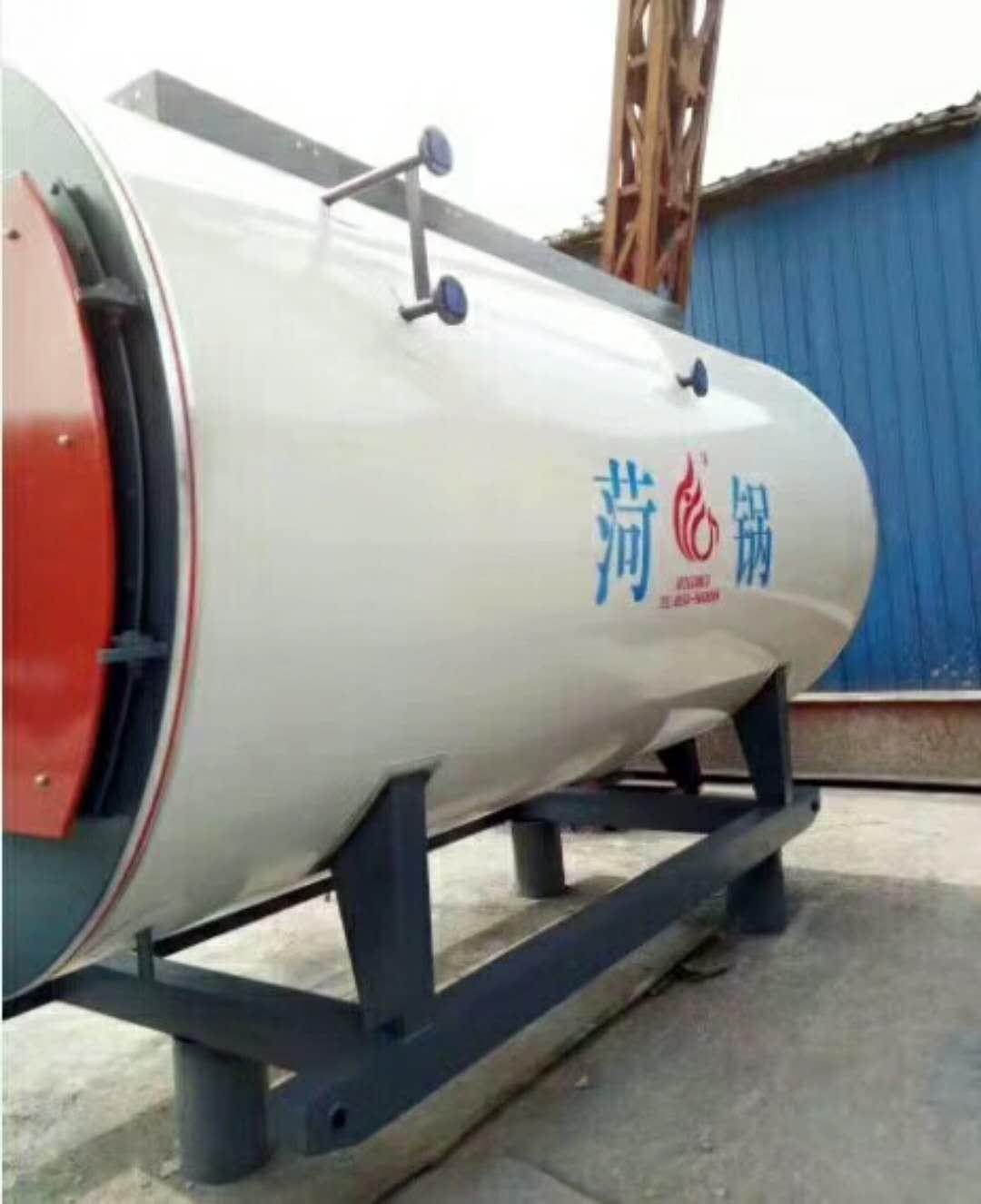

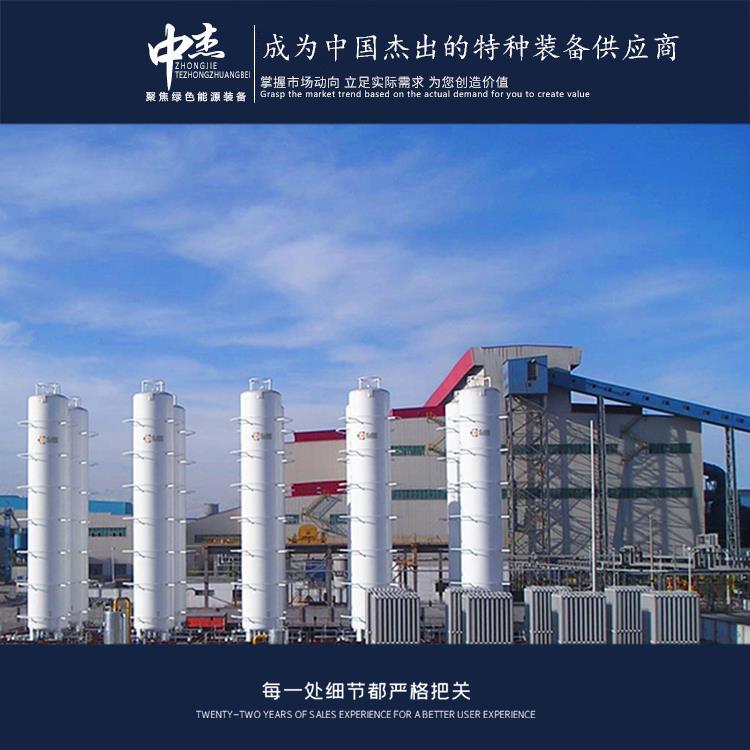


















Shandong Zhongjie Special Equipment (formerly Heze Boiler Factory Co., Ltd.) holds an A-grade boiler manufacturing license, an A2-grade pressure vessel manufacturing license, an A2-grade pressure vessel design license, a B-grade boiler installation license, as well as GB2 and GC2 grade pressure pipeline installation licenses and equipment and electrical installation contracting qualifications. It is a member of the China Boiler and Water Treatment Association, the China Chemical Equipment Association, and the director unit of the Shandong Equipment Manufacturing Association. The company has also passed certifications for the ISO9001 Quality Management System, ISO14001 Environmental Management System, OHSAS18001 Occupational Health and Safety Management System, and the American ASME/U2 certification.
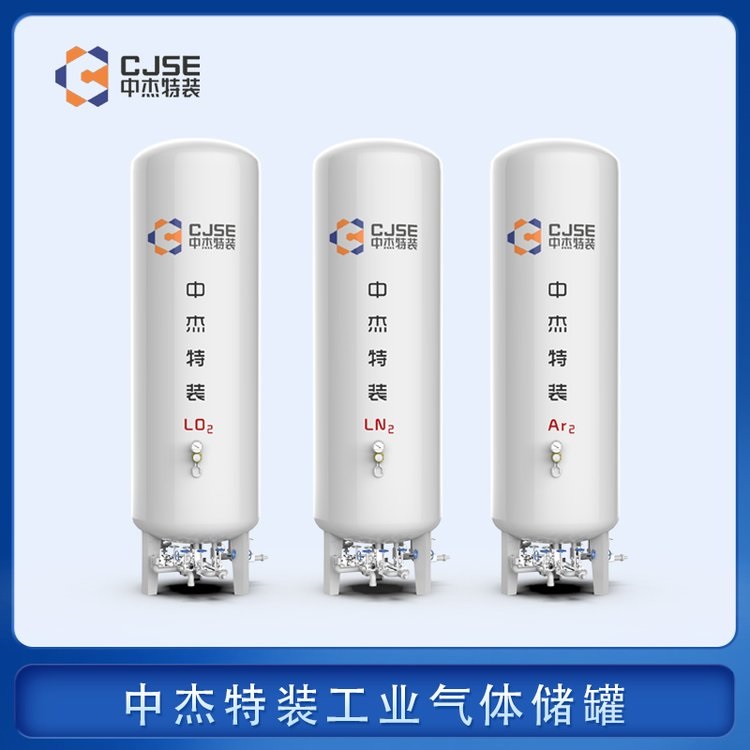
The dimensions and structure of liquid oxygen storage tanks can vary based on specific requirements and applications. Here are common dimensions and structures of liquid oxygen storage tanks:
Dimensions: The size of liquid oxygen tanks is typically determined by the storage or transportation capacity of liquid oxygen. Common capacities range from a few thousand liters to several hundred thousand liters.
Structure: The structure of the liquid oxygen storage tank mainly includes the inner shell, outer shell, insulation layer, and supporting structure, etc.
Inner Tank: The inner tank of the liquid oxygen cylinder is designed to store liquid oxygen, commonly made of stainless steel or aluminum alloy, offering excellent corrosion resistance and sealing properties.
Shell: The shell of the liquid oxygen tank is the external structure that protects the inner lining, typically made of carbon steel or stainless steel, offering sufficient strength and corrosion resistance.
Insulation Layer: The insulation layer of the liquid oxygen tank is used to reduce heat conduction and loss, maintaining the low-temperature state of liquid oxygen. Common insulation materials include polyethylene foam, glass fiber, and aerogel, etc.
Support Structure: The support structure for the liquid oxygen tank is designed to support and secure the inner shell and outer casing of the tank. Typically made of steel, it offers sufficient strength and stability.
The dimensions and structural design of liquid oxygen storage tanks must consider the properties of liquid oxygen, storage or transportation requirements, safety standards, and other factors. When using liquid oxygen storage tanks, it is essential to strictly adhere to relevant operational specifications and safety requirements to ensure safe usage.
Protective tips for liquid nitrogen tanks include the following:
Wear protective gear: When operating liquid nitrogen tanks, it is mandatory to wear appropriate protective gear, including gloves, protective clothing, and non-slip shoes. This gear protects the skin from the low temperatures of liquid nitrogen and other hazards.
Avoid direct contact: Liquid nitrogen is extremely cold and can cause chilling. Therefore, avoid direct contact with liquid nitrogen, especially with the skin. Use tools or utensils for handling to prevent direct hand contact with liquid nitrogen.
Note ventilation: In the operational area of the liquid nitrogen storage tank, ensure adequate ventilation to expel gases produced by the evaporation of liquid nitrogen. Maintain air circulation to avoid excessive oxygen concentration, and reduce the risk of fire and explosion.
Prevent Leaks: Regularly inspect liquid nitrogen storage tanks for leaks, and equip with leak detectors and alarm systems. In the event of a leak, take immediate action to control the leak and carry out repairs. Avoid any harm to personnel and the environment caused by the leakage of liquid nitrogen.
Fire prevention measures: Liquid nitrogen has a low boiling and freezing point, which is prone to causing fires. To prevent and contain fires, firewalls should be set up around liquid nitrogen storage tanks, and fire-retardant coatings should be used.
Electrostatic Protection: Electrostatic buildup in liquid nitrogen tanks can cause sparks, increasing the risk of fire. Measures such as using electrostatic conductive materials and anti-static equipment should be taken to reduce the accumulation and release of static electricity.
Regular Inspections and Maintenance: Conduct regular checks on the status of liquid nitrogen tanks and related equipment, including valves, pipes, pressure gauges, etc. Ensure that the equipment is in perfect condition without any damage, and promptly repair or replace any damaged parts.
Waste Gas Treatment: Liquid nitrogen tanks produce waste gas during operation, which must be properly treated.
Prior to cooling the liquid oxygen tank, the following prerequisites must be met:
Clean Tanks: Ensure the interior of the tank is clean, free of impurities and contaminants. The tank should be properly cleaned and flushed to maintain its internal cleanliness.
Drainage and Exhaust: To empty the gas from the storage tank and expel it through the exhaust system to reduce the gas content inside the tank. This helps minimize the interference of gas on the cooling process.
Safety Precautions: Necessary safety measures must be taken prior to cooling the liquid oxygen tank. Liquid oxygen is highly flammable and has low-temperature properties. Operators should wear appropriate protective clothing, gloves, and other personal protective equipment to ensure safe operation.
Temperature Control: During the cooling process of the liquid oxygen storage tank, it is necessary to control the tank's temperature. Typically, low-temperature mediums such as liquid nitrogen are used to cool the tank, ensuring the temperature gradually drops below the boiling point of liquid oxygen.
Insulation and Heat Retention: Liquid oxygen tanks are typically designed with double or multi-layer structures, filled with insulating material in between to minimize heat transfer and evaporation of the liquid oxygen. Ensuring the integrity and excellent insulation of the insulating layer enhances the cooling efficiency of the tank.
Under the aforementioned preconditions, the cooling operation of the liquid oxygen tank may be conducted. The cooling process must strictly adhere to the relevant safety regulations and operational guidelines to ensure the safe operation and use of the tank.
The filling of low-temperature liquid nitrogen tanks refers to the process of transferring liquid nitrogen from an external supply source into the tank. Below is an explanation of the filling process for low-temperature liquid nitrogen tanks:
Preparation: Prior to filling the liquid nitrogen tank, preparation work is required. This includes inspecting the tank's condition and safety, ensuring the interior is clean, free of impurities and contaminants. Additionally, check the quality of the liquid nitrogen from the supply source and the safety of the supply pipeline.
Connect supply source: Link the liquid nitrogen supply source to the liquid outlet of the storage tank. Ensure the connection is securely fastened to prevent leaks.
Control Liquid Level: During the bottling process, it's necessary to control the liquid nitrogen level to prevent overfilling or spillage. A level gauge or level control system can be used to monitor and control the liquid level.
Slow Injection: The injection of liquid nitrogen should be slow to prevent rapid vaporization and increased pressure. Appropriate valves and flow control devices can be used to regulate the injection rate.
Monitor Pressure: During the canning process, it is necessary to monitor the pressure of the storage tank to ensure it stays within a safe range. Pressure gauges or pressure sensors and other equipment can be used for monitoring.
Canning completed: Stop injecting liquid nitrogen when the liquid level reaches the predetermined filling amount or the tank's capacity limit. Disconnect from the supply source and ensure the sealing integrity of the filling port.
Safe Operation: Throughout the bottling process, relevant safety regulations and operation guidelines must be followed. Liquid nitrogen is highly flammable and cryogenic, so operators must wear appropriate personal protective equipment and ensure the operation environment is free of ignition sources.
When bottling liquid nitrogen, be mindful of its low-temperature properties and safety. Ensure safe operation and control during the bottling process to guarantee the safe operation of the storage tank and effective storage of the liquid nitrogen.
Our company attaches great importance to technological innovation and R&D, boasting one municipal enterprise technology center in Heze City. We have established testing facilities for non-destructive testing, physical and chemical testing, welding testing, hydrostatic testing, and more. We are equipped with over 600 types of instruments and equipment, including CNC machines, X-ray flaw detectors, digital ultrasonic flaw detectors, mechanical property testing machines, chemical analyzers, spectrometers, tensile testing machines, plasma welding machines, and others. Our key products and technologies, such as thermal pressure vessel welding, biomass boiler emission reduction, and waste heat utilization, have successively been selected for multiple Shandong Provincial Department of Industry and Information Technology science and technology innovation projects, key provincial projects, and Heze City innovative and excellent projects. We have accumulated a total of 27 authorized utility models, 16 authorized inventions, participated in drafting 2 standards, 2 industry standards, and registered 15 trademarks. Our technical team, in collaboration with Professor Li Yajiang of Shandong University, has jointly developed deep cryogenic vessel processing technology, utilizing the internationally recognized plasma arc + filled wire tungsten inert gas arc welding (PAW-GTAW) technology. After provincial-level scientific and technological achievement assessment, our technology level has reached international standards in the field of deep cryogenic vessel manufacturing. Choose Zhongjie Special Equipment, and let's create brilliance together!
WeChat Official Account

Scan to follow Official Account



















