


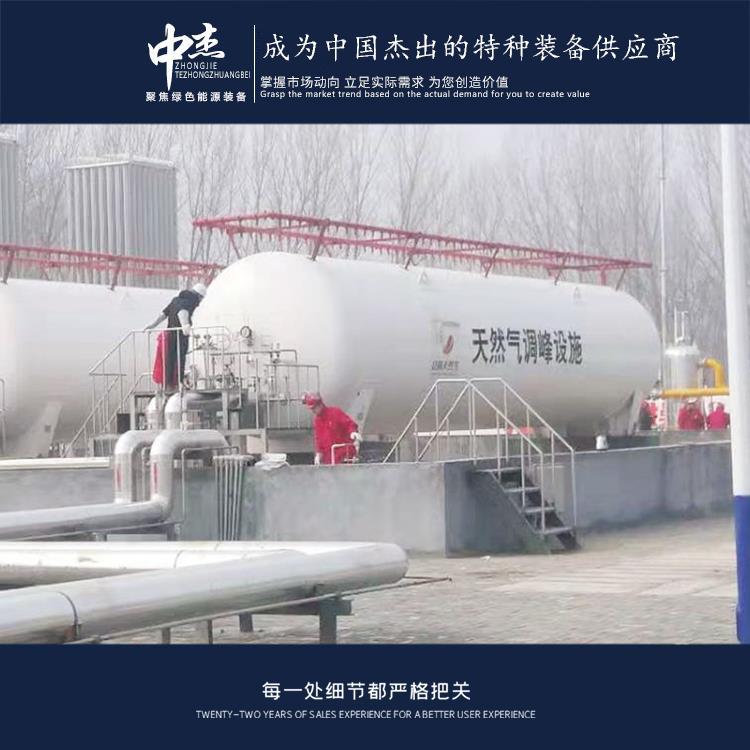

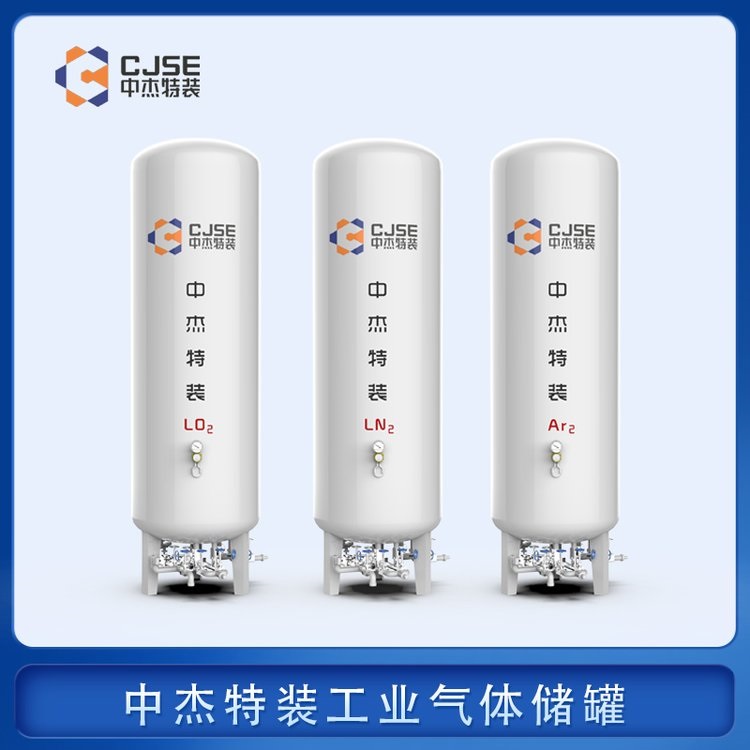
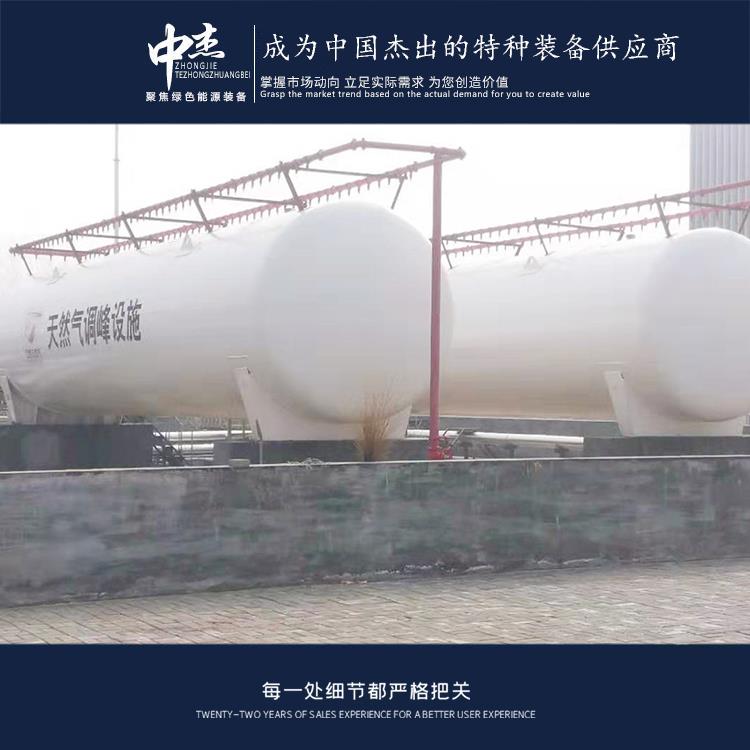


















Shandong Zhongjie Special Equipment Co., Ltd. specializes in the following products: fuel (gas) boilers, organic heat carrier boilers, biomass boilers, waste heat recovery boilers, and other boiler products; vacuum insulation cryogenic pressure vessels such as LNG tanks, oxygen/nitrogen/argon tanks, and CO2 tanks; pressure vessel products including denitrification engineering equipment, heat storage and energy storage equipment, and complete chemical equipment sets; central air conditioning and HVAC equipment such as ground (water) source heat pumps, air source units, water-cooled screw units, and air-cooled modular units. Planned products include large-scale energy centers, LNG transport vehicles, and LNG tank containers, among other green energy equipment.
Liquid CO2 Filling into Storage Tanks: The process of filling liquid CO2 into storage tanks. Here are some important considerations for CO2 tank filling:
- Safe Operation: Adhere to relevant safety protocols during CO2 tank filling. Operators must be trained and aware of the tank's characteristics and safety precautions to ensure safe operations.
- Tank Capacity Control: Ensure that the filling process does not exceed the tank's rated capacity. Overfilling may lead to excessive pressure, increasing safety risks.
- Filling Rate Control: Maintain a moderate filling rate to avoid both too fast and too slow filling. Excessive speed may cause high internal pressure, while slow speed may prolong filling time.
- Temperature Control: Regulate the temperature of the liquid CO2 during filling. High temperatures can cause rapid evaporation, and low temperatures can lead to solidification.
- Pressure Control: Monitor and control the internal pressure of the tank during filling. High pressure may cause tank rupture or leakage, while low pressure may result in incomplete filling.
- Level Monitoring: Regularly check the tank's liquid level during filling to ensure accurate measurements and prevent overfilling or underfilling.
- Pressure Relief Devices: Equip the tank with pressure relief devices such as safety valves to control internal pressure. The set pressure should meet relevant requirements and be inspected and maintained regularly.
- Environmental Protection: Pay attention to environmental protection during filling to prevent CO2 leakage and pollution. Use appropriate protective measures like sealed connections and protective devices.
- The above are some important considerations for CO2 tank filling. Follow relevant safety regulations and standards during filling operations and consult with experts to ensure safety and effectiveness.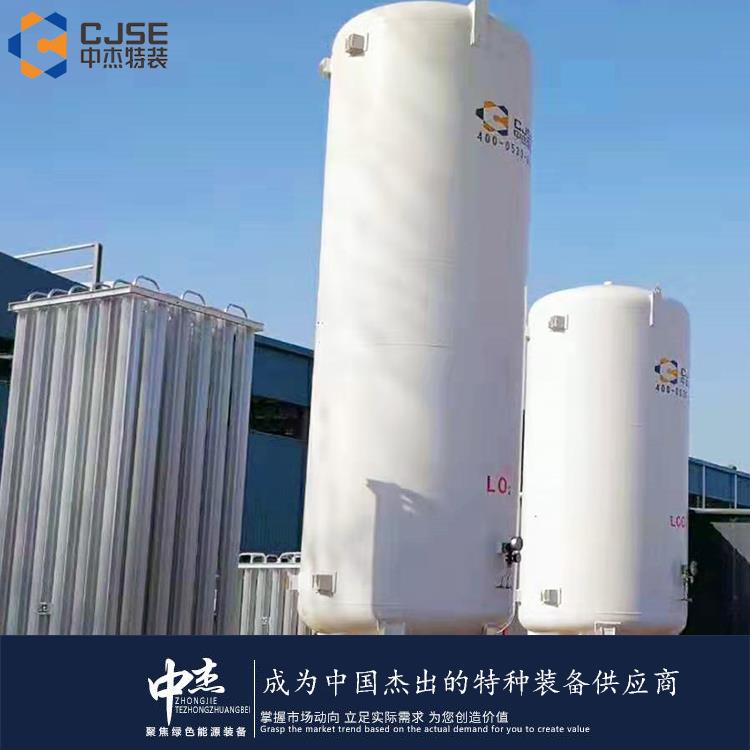
Carbon dioxide capture and recovery is a technology designed to capture carbon dioxide from industrial emission sources or the atmosphere and store or utilize it to reduce CO2 emissions. Here are some common carbon dioxide recovery technologies:
1. Coal-fired Power Plant Carbon Dioxide Recovery: In coal-fired power plants, the carbon dioxide produced by burning coal can be captured and recovered. Common methods include carbon capture technology, which separates CO2 from flue gas and stores or utilizes it.
2. Industrial Emission Source Carbon Dioxide Recovery: Many industrial processes produce CO2 that can be treated through capture and recovery techniques. For instance, CO2 emitted during the production processes of industries such as steel, cement, and chemicals can be recovered to reduce emissions.
3. Atmospheric Carbon Dioxide Capture: Carbon dioxide in the atmosphere can also be recovered using direct air capture technology. This technique uses adsorbents or chemical reactions to capture and separate CO2 from the atmosphere, then store or utilize it.
4. Carbon Dioxide Utilization: Captured CO2 can be utilized to produce valuable chemicals and fuels. For example, through CO2 catalytic conversion technology, CO2 can be converted into fuels or chemical raw materials like ethanol.
The development of carbon dioxide recovery technologies aims to reduce greenhouse gas emissions and mitigate climate change. However, these technologies are still in continuous development and research, requiring further technological breakthroughs and practical validation for large-scale application.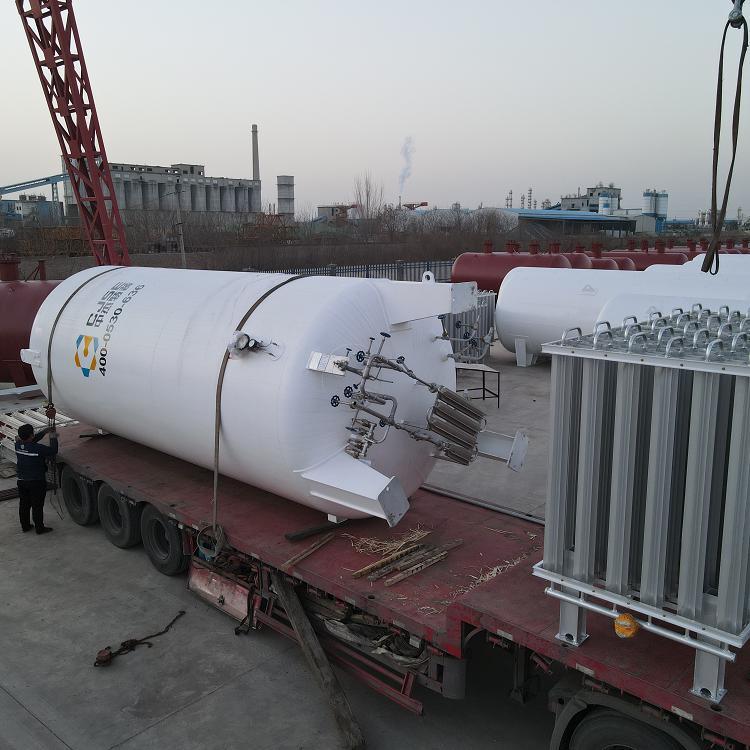
Leakage defects in CO2 storage tanks may be caused by the following reasons: Material Corrosion: CO2 has some corrosive properties, and prolonged contact may lead to corrosion of the tank material. Corrosion can damage the tank's surface protective layer, causing it to lose its seal, and resulting in leakage. Welding Defects: Welding joints of the tank may contain defects, such as weld cracks and gas pockets, which can weaken the strength of the welding area and cause leakage. Design Defects: Inadequate design or defects in the tank may also lead to leakage. For example, poorly designed interfaces and unreasonable structural design can all contribute to leakage issues. Excessive Pressure: If the internal pressure of the tank exceeds its capacity, it may cause deformation or破裂 of the tank, leading to leakage. Temperature Fluctuations: During temperature changes, due to thermal expansion and contraction, CO2 storage tanks may deform or experience stress concentration, causing leakage. Improper Operation: Incorrect operation and maintenance can also lead to tank leakage. For instance, over-tightening valves and improper maintenance measures can reduce the tank's sealing performance. External Damage: External impacts, scratches, or corrosion on the tank may cause surface damage or corrosion, resulting in leakage. To avoid leakage issues in CO2 storage tanks, it is important to select appropriate materials, adopt reasonable design and manufacturing processes, and conduct regular inspections and maintenance. Additionally, operators should receive training and adhere to operational procedures to ensure safe tank operation.
Technical specifications for carbon dioxide storage tanks can be established based on different application fields and/or regional standards. Below are some common technical specifications and standards for reference:
- ASME Standards: The American Society of Mechanical Engineers (ASME) has issued a series of standards for pressure vessels, including specifications for carbon dioxide storage tanks, such as ASME BPVC Section VIII Division 1 and ASME BPVC Section VIII Division 2.
- ISO Standards: The International Organization for Standardization (ISO) has published some standards related to pressure vessels, like ISO 9809-1 and ISO 9809-2, covering design, manufacturing, and inspection requirements for steel gas cylinders.
- GB Standards: The China National Bureau of Standards has issued a series of standards related to pressure vessels, such as GB 150 "Pressure Vessels" and GB 5099 "Steel Gas Cylinders," which include design, manufacturing, and inspection requirements for carbon dioxide storage tanks.
- DOT Standards: The United States Department of Transportation (DOT) has issued some standards related to pressure vessels and cylinders, such as DOT-3AA and DOT-4BA, covering design, manufacturing, and transportation requirements for liquefied gas storage tanks.
- EN Standards: The European Committee for Standardization (CEN) has published some standards related to pressure vessels, like EN 13445 and EN 14382, covering design, manufacturing, and inspection requirements for liquefied gas storage tanks.
- Additionally, other industry-specific standards and specifications may apply to carbon dioxide storage tanks based on specific application needs, such as relevant standards in the food and beverage industry and industry-specific standards.
When using carbon dioxide storage tanks, it is essential to select applicable technical specifications based on specific application requirements and local regulations, ensuring that the tank's design, manufacturing, and use comply with the corresponding standards and specifications.
Our company attaches great importance to technological innovation and R&D design. We have one municipal-level enterprise technology center in Heze City, equipped with non-destructive testing, physical and chemical testing, welding testing, hydrostatic testing, and other testing facilities. We have over 600 various instruments and equipment, including CNC machines, X-ray flaw detectors, digital ultrasonic flaw detectors, mechanical property testing machines, chemical analyzers, spectrometers, tensile testing machines, plasma welding machines, etc. The key products and technologies we have developed, such as temperature and pressure vessel welding, biomass boiler emission reduction, and waste heat utilization, have successively been selected for multiple Shandong Provincial Department of Industry and Information Technology science and technology innovation projects, key projects of Shandong Province, and Heze City innovation and excellence projects. We have cumulatively obtained 27 authorized utility model patents, 16 authorized invention patents, participated in drafting 2 standards, 2 industry standards, and registered 15 trademarks. The technical team of our company, in collaboration with Professor Yajiang Li of Shandong University, has developed deep cryogenic container processing technology using the international plasma arc + filler wire tungsten inert gas arc welding (PAW-GTAW) technology. After being appraised as a provincial-level scientific and technological achievement, the technology level has reached an international standard in the field of deep cryogenic container manufacturing. Choose Zhongjie Special Equipment, and let's create brilliance together!
WeChat Official Account

Scan to follow Official Account



















