


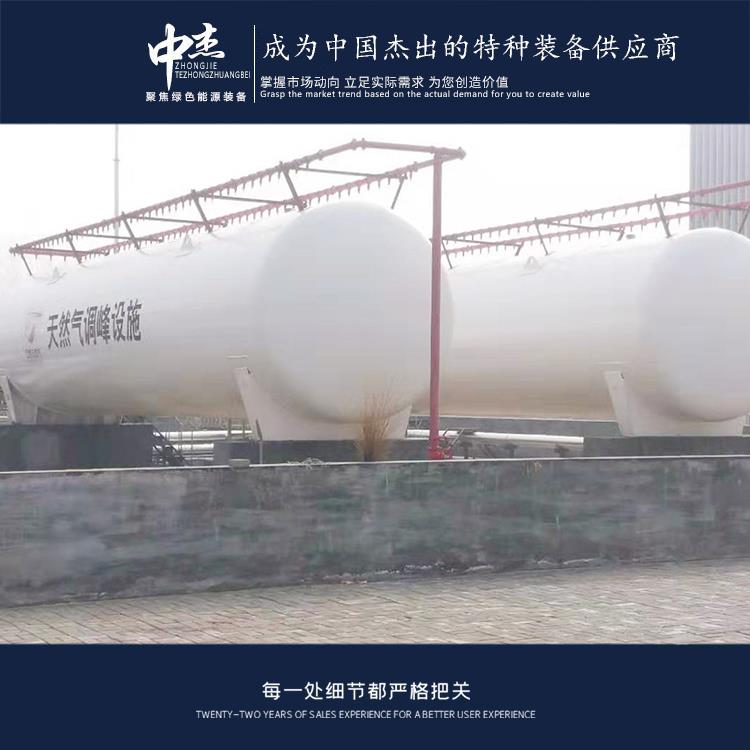

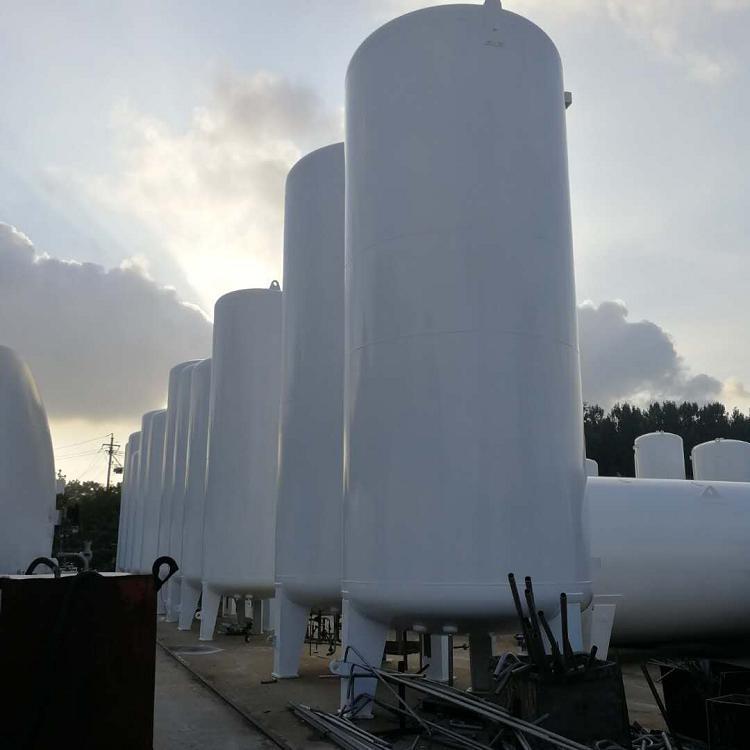
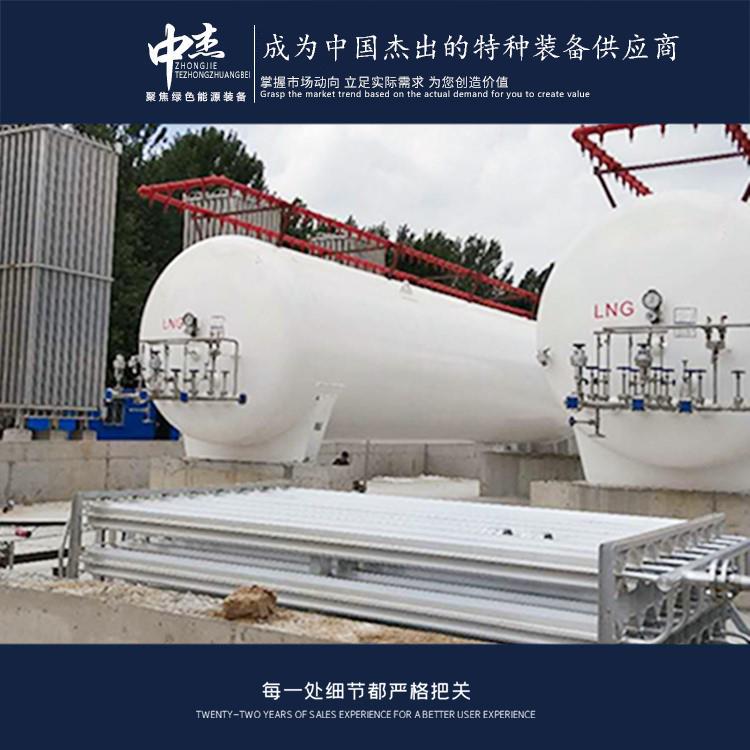


















Shandong Zhongjie Special Equipment Co., Ltd. specializes in the following products: fuel (gas) boilers, organic heat carrier boilers, biomass boilers, waste heat recovery boilers, and other boiler products; vacuum insulation cryogenic pressure vessels such as LNG tanks, oxygen/nitrogen/argon tanks, and CO2 tanks; pressure vessel products including denitrification engineering equipment, heat storage and energy storage equipment, and complete chemical equipment sets; central air conditioning and ventilation equipment such as ground (water) source heat pumps, air source units, water-cooled screw units, and air-cooled modular units. Planned products include large-scale energy centers, LNG transport vehicles, LNG tank containers, and other green energy equipment.
For the maintenance of CO2 storage tanks, here are some recommended methods:
Regular Inspections: Conduct regular inspections of the tank's exterior and interior for signs of corrosion, cracks, or leaks. Non-destructive testing methods, such as ultrasonic testing, can be used to assess the tank's integrity.
Cleaning and Corrosion Protection: Regularly clean the tank's exterior to remove dirt and debris. For tanks coated with corrosion-resistant paint, regularly inspect the coating condition and perform repairs or recoating to protect against corrosion.
Leak Detection: Regularly perform leak detection to ensure there are no leakage issues. Use gas detectors or leak detectors for testing, or conduct pressure tests to evaluate the tank's sealing performance.
Safety Valve Inspection: Regularly check and test the operational status of safety valves to ensure they function properly under overpressure conditions. Adjust and test according to the specifications and requirements of the safety valves.
Pipe and Valve Maintenance: Regularly inspect and maintain the pipes and valves connected to the tank to ensure proper operation and sealing performance. Clean and lubricate valves, and check for leaks at pipe connections.
Documentation: Record the dates, contents, and results of maintenance, establishing a maintenance record for the tank. Retain relevant documents and reports for future reference and review.
Please note that for the maintenance of CO2 storage tanks, it is recommended to follow relevant safety operating procedures and standards. If you do not possess the necessary knowledge and experience, it is advisable to consult personnel or manufacturers for maintenance work.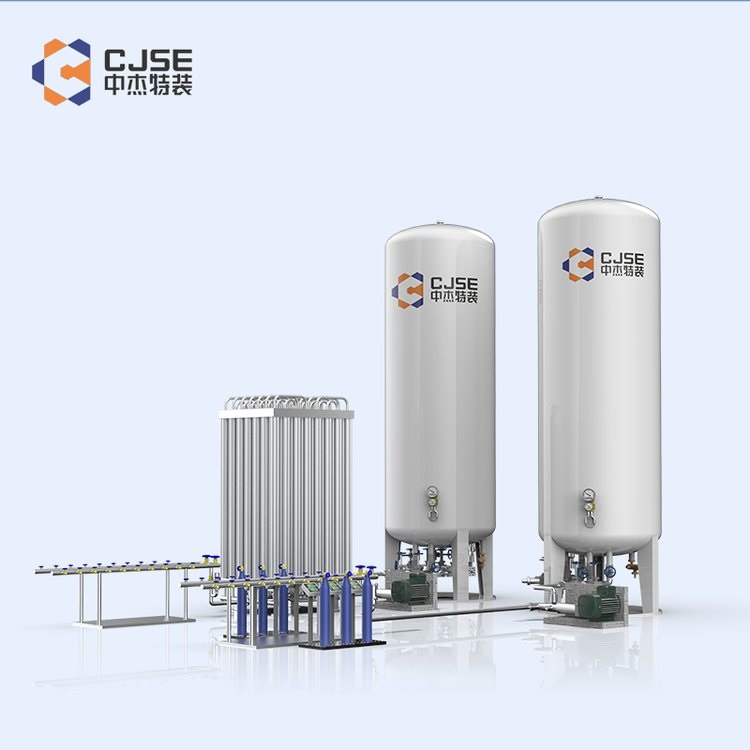
Carbon dioxide storage tanks are classified as pressure vessels. Pressure vessels are sealed containers capable of withstanding internal pressure, used for storing and transporting gases, liquids, or mixtures. Carbon dioxide storage tanks are pressure vessels designed for storing and transporting carbon dioxide, featuring special designs and structures to ensure safe storage and usage. Depending on design and application, they can be either vertical or horizontal, with varying capacities and pressure ratings. When using carbon dioxide storage tanks, it is essential to comply with relevant regulations and standards to ensure their safe operation and use.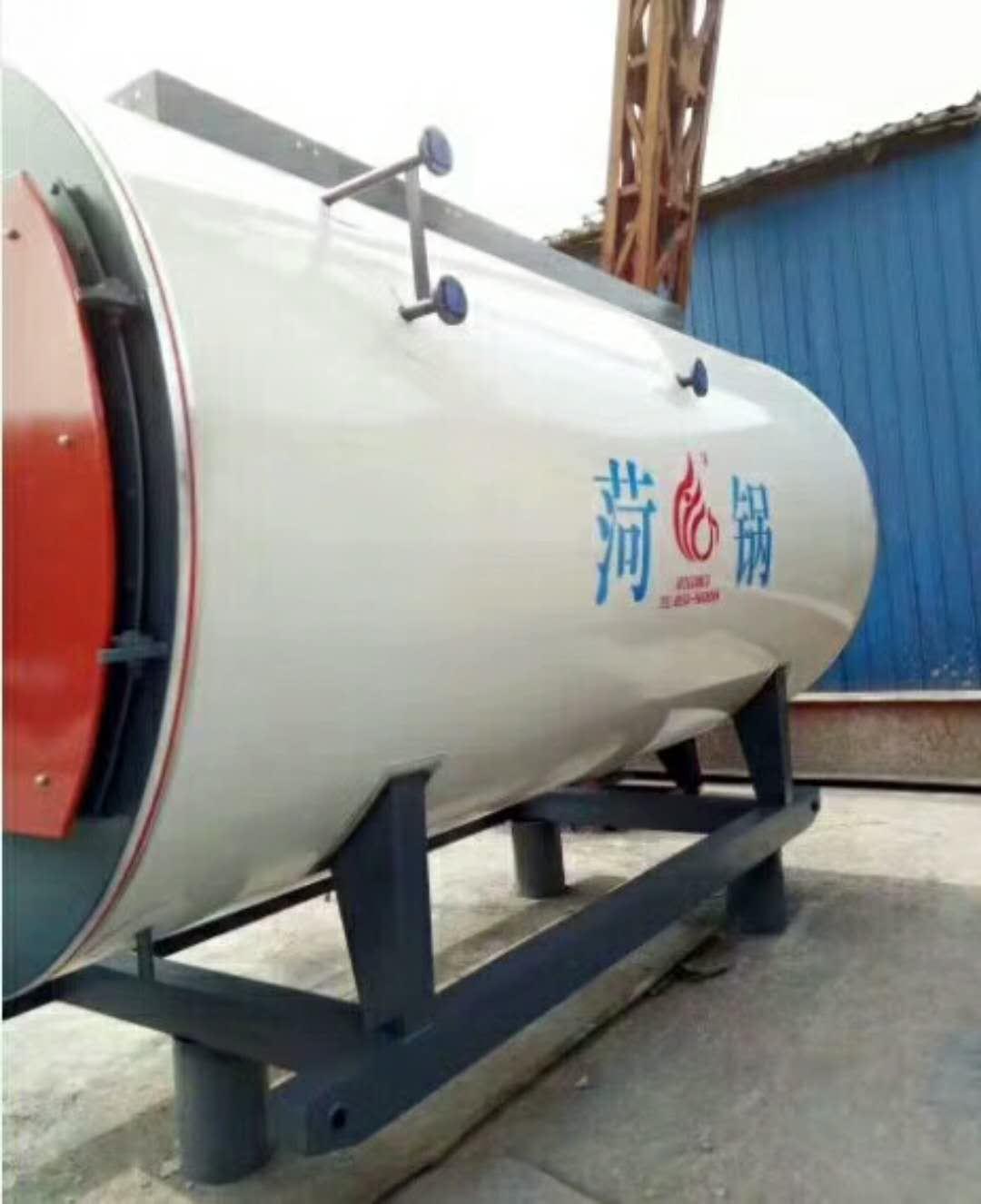
Carbon dioxide is widely used as a shielding gas in metal welding processes. Here are the main applications of carbon dioxide in welding:
Gas Metal Arc Welding (GMAW): Carbon dioxide is commonly used as the shielding gas in GMAW processes. In GMAW, the arc generates high temperatures in the welding area, which can also cause oxidation reactions with oxygen and water vapor, degrading weld quality. By introducing carbon dioxide gas into the welding area, a protective atmosphere is formed, preventing oxygen and water vapor from entering, thereby enhancing the quality and strength of the weld.
Mixed Gas Shielding Welding (GMAW): Carbon dioxide is also often mixed with other gases (such as argon) to form a mixed gas shielding welding. The use of mixed gases can regulate arc stability, molten pool formation, and weld quality during the welding process, improving welding performance.
Gas Shielded Brazing: Carbon dioxide can also be used in gas shielded brazing processes. During brazing, the carbon dioxide gas provides a protective atmosphere, preventing oxidation and contamination in the brazing area, ensuring the quality of the brazed joint.
Gas Shielded Cutting: Carbon dioxide can also be used in gas shielded cutting processes. In gas shielded cutting, introducing carbon dioxide gas into the cutting area forms a protective atmosphere, preventing oxidation and contamination, and improving cutting quality and speed.
It is important to note that the application of carbon dioxide in welding should be adjusted and optimized based on specific welding materials, methods, and requirements. When using carbon dioxide for welding, it is necessary to follow relevant safety operation procedures and guidelines to ensure the safety and quality of the welding process.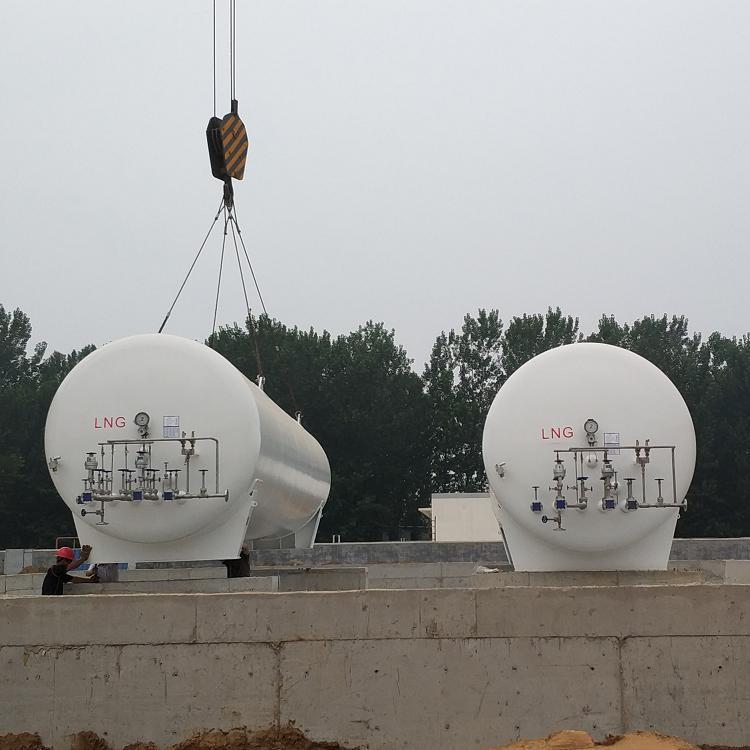
Carbon dioxide synthesis is a chemical reaction that utilizes carbon dioxide. This process has several applications:
- Fertilizer production: It is a crucial raw material for manufacturing fertilizers, and carbon dioxide synthesis represents a sustainable production method. By reacting with carbon dioxide, it can synthesize nitrogenous fertilizers such as urea, reducing reliance on fossil fuels used in traditional production methods and lowering greenhouse gas emissions.
- Energy storage: Carbon dioxide synthesis can also serve as a form of energy storage. By converting carbon dioxide into a reactive form, energy can be stored as chemical bonds. When energy is needed, the reverse reaction can decompose it back into carbon dioxide and, releasing the stored energy.
- Fuel cells: It can act as a clean fuel for fuel cells. By synthesizing carbon dioxide into a reactive form and then using it in fuel cells, electricity can be generated, with only water and nitrogen as byproducts, reducing environmental pollution.
- Chemical synthesis: It is an essential raw material for the synthesis of many chemicals. Carbon dioxide synthesis can provide a sustainable supply for the chemical industry, used to synthesize other chemicals such as etc.
The development of carbon dioxide synthesis technology aims to reduce dependence on fossil fuels used in traditional production methods, lower greenhouse gas emissions, and promote the development of sustainable energy and the chemical industry. However, this technology is still in continuous development and research, requiring further technological breakthroughs and practical verification to achieve large-scale application.
Shandong Zhongjie Special Equipment, welcome clients to our factory for business discussions.
WeChat Official Account

Scan to follow Official Account



















