


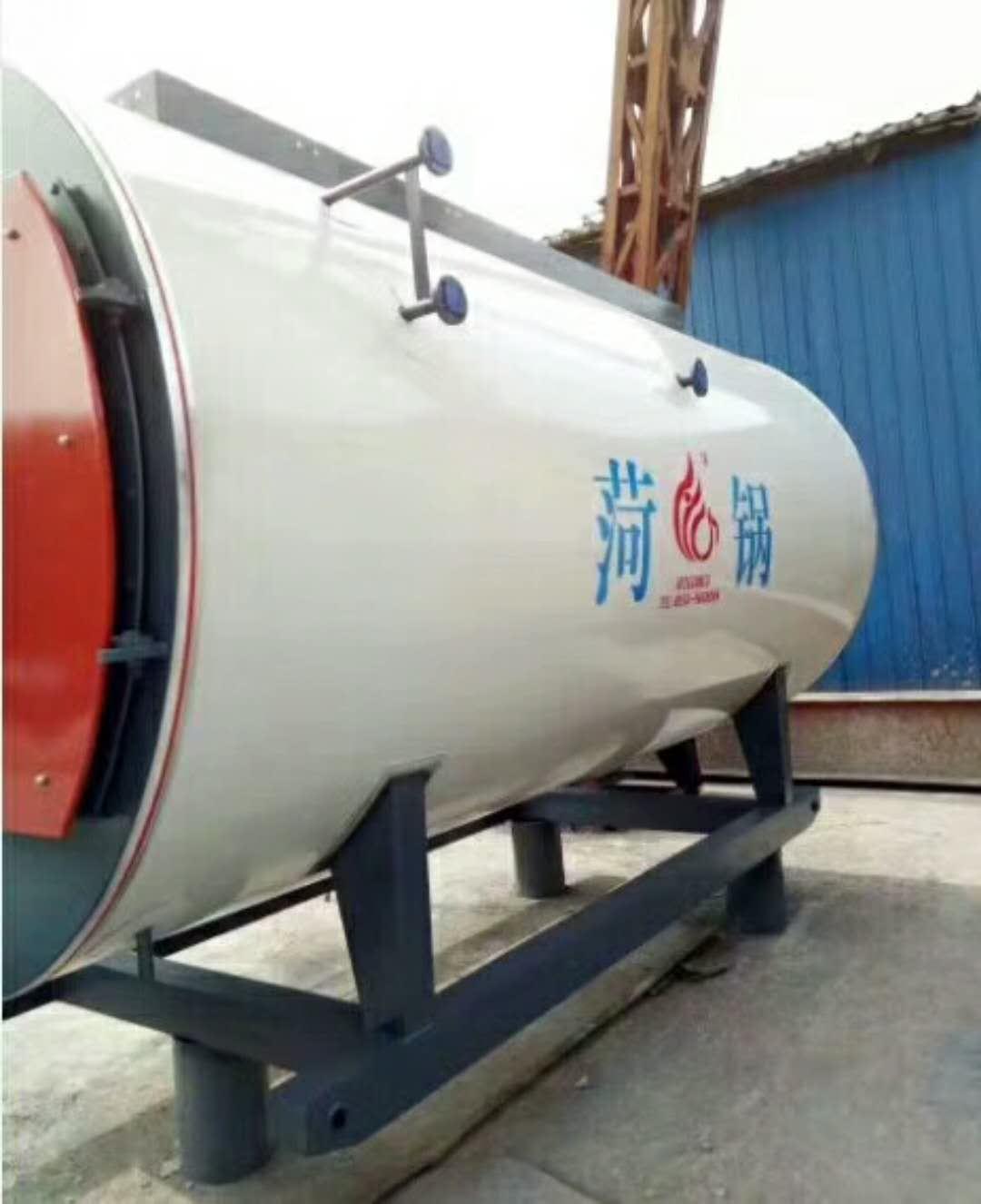

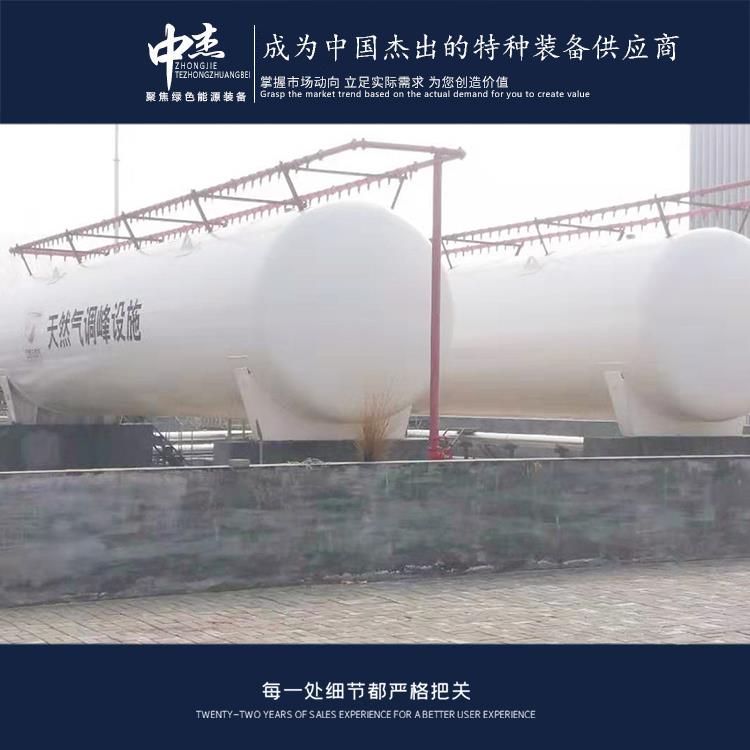


















Shandong Zhongjie Special Equipment (formerly Heze Boiler Factory Co., Ltd.) holds an A-grade boiler manufacturing license, an A2-grade pressure vessel manufacturing license, an A2-grade pressure vessel design license, B-grade boiler installation, and GB2/Class, GC2/Class pressure pipeline installation licenses, as well as an equipment and machinery installation contracting qualification. It is a member of the China Boiler and Water Treatment Association, the China Chemical Equipment Association, and the理事 member of the Shandong Equipment Manufacturing Association. The company has also passed certifications for the ISO9001 Quality Management System, ISO14001 Environmental Management System, OHSAS18001 Occupational Health and Safety Management System, and the American ASME/U2 certification.
In daily use, CO2 storage tanks require protection and maintenance to ensure proper operation and safety. Here are some common protection and maintenance methods:
- Visual Inspection: Regularly check the tank's exterior for signs of corrosion, wear, and cracks. Take prompt corrective actions if any anomalies are detected.
- Sealing Integrity Check: Regularly inspect the tank's sealing performance, particularly at valve connections, pipe joints, and the tank's own seal. Ensure no leaks are present; if leaks occur, repair them immediately.
- Temperature Control: Maintain a suitable ambient temperature around the tank and implement appropriate insulation measures to ensure the tank's internal low-temperature state.
- Pressure Relief Device Inspection: Regularly check the tank's pressure relief devices, such as safety valves, to ensure proper functioning. Verify that the set pressure of the relief devices meets requirements and perform regular maintenance and replacements.
- Level Monitoring: Regularly monitor the tank's liquid level to ensure accurate measurements. If an abnormal level is detected, promptly investigate the cause and take appropriate actions.
- Regular Cleaning: Regularly clean the interior of the tank to remove accumulated impurities and dirt. Exercise safety during cleaning and avoid using flammable and corrosive substances.
- Regular Testing: Regularly conduct pressure tests and leak checks on the tank to ensure safety performance meets requirements. The frequency and methods of testing should comply with relevant regulations and standards.
- Storage Capacity Control: Control the tank's storage capacity to prevent exceeding the rated capacity. Overfilling may lead to excessive tank pressure, increasing safety risks.
- Note: Specific protection and maintenance methods may vary depending on the type of tank and its application.
Carbon dioxide tanks are devices used for storing carbon dioxide gas. They are typically made of high-strength materials with sealing capabilities to prevent the leakage of stored CO2. The design and capacity of the tanks can be adjusted as needed to accommodate various applications. Carbon dioxide tanks are widely used across various fields, including industrial production, food processing, and more. In the industrial sector, they are commonly used for storing and supplying CO2 gas for processes such as welding, gas shielding, and fire suppression. In the food processing industry, they can be used to produce carbonated beverages and frozen foods. In the medical field, carbon dioxide tanks can be used to manufacture medical gases like breathing gases and anesthetic gases. The development and manufacturing of carbon dioxide tanks involve multiple manufacturers and technologies. Different companies may employ various design and manufacturing processes to meet different customer requirements. Additionally, relevant safety standards and regulations must be adhered to ensure the safe operation and use of the tanks.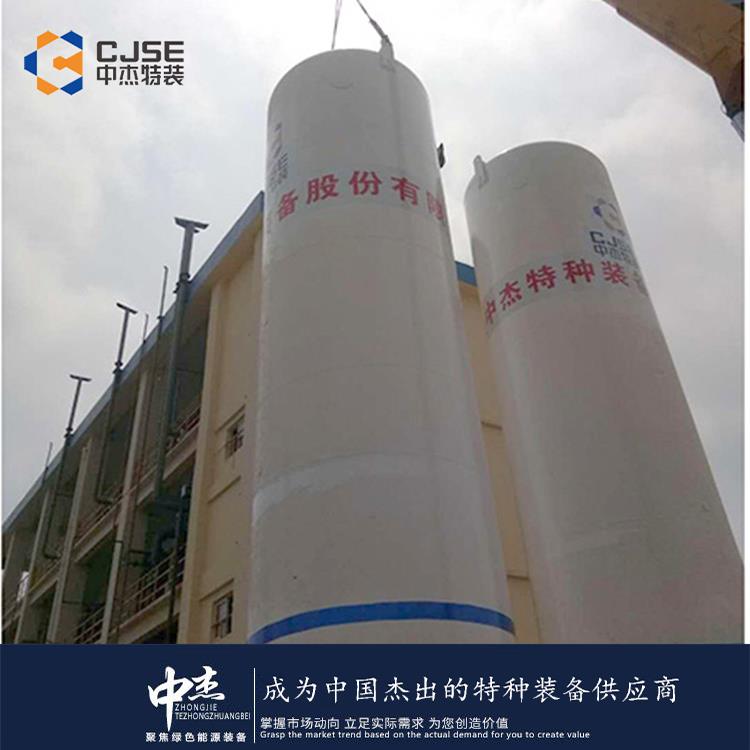
The reason for regular inspections of low-temperature liquid carbon dioxide storage tanks is to ensure their safety performance and normal operation. Due to the tanks' exposure to low temperatures and high pressures, there are inherent safety risks, such as leaks or structural failures. Regular inspections help identify potential issues early, allowing for corrective actions or maintenance to ensure safe tank operation. The specific inspection frequency should be determined according to relevant regulations and standards, and it is generally recommended to conduct regular inspections and maintenance. Typically, the interval for routine inspections of low-temperature liquid carbon dioxide storage tanks is between 1 to 3 years, though this may vary based on usage, age, and design standards. The content of regular inspections usually includes visual checks of the tank, examination of valves and connections, leak detection, pressure testing, and periodic checks and maintenance of the insulation to ensure thermal performance. It is important to note that the specific frequency and content of inspections should be determined in accordance with local laws, standards, and the manufacturer's recommendations. Inspections should be conducted by qualified personnel, and maintenance records should be kept to track and manage the tank's safety performance.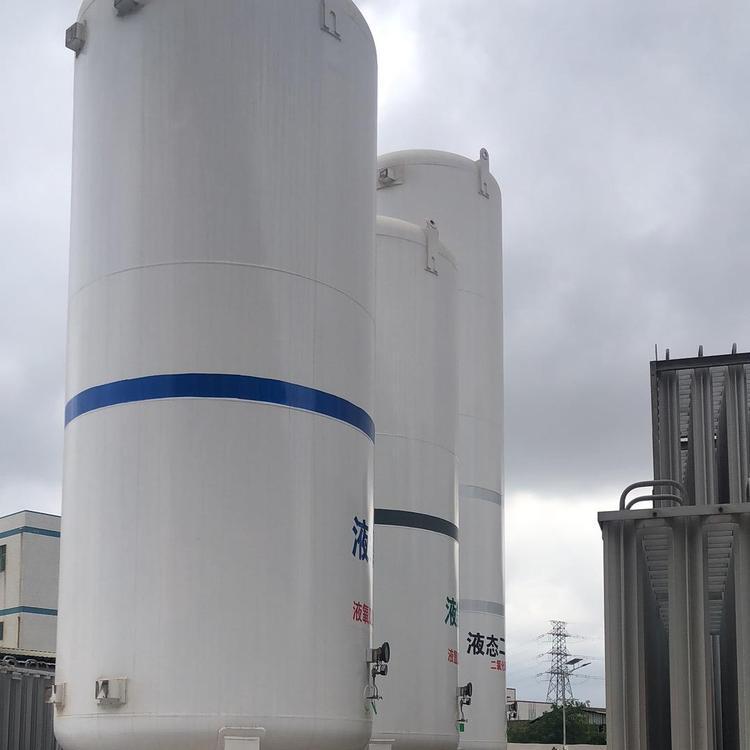
If a leak in the CO2 storage tank is detected, the following procedures should be taken immediately:
Confirm the leak location: First, determine the exact position of the leak. This can be done by listening, observing, or using gas detection equipment.
Emergency response: In the event of a leak, immediate action is required to ensure personnel safety. Evacuate personnel to a safe area and notify relevant personnel and emergency services.
Cut off the gas supply: As quickly as possible, shut off the CO2 supply source by closing valves or cutting power to stop the flow of CO2.
Locate the leak: In a safe manner, use gas detection equipment or visual inspection to find the leak. Apply soap water or other leak detection agents to potential leak areas and observe for bubbles.
Seal the leak: Once the leak location is confirmed, temporary sealing measures can be taken, such as using tape, sealant, or other reliable sealing materials for temporary repairs. Ensure that the sealing measures are secure and can effectively prevent gas leakage.
Repair and restoration: In a safe environment, more extensive repairs and restoration can be carried out. Depending on the specific nature of the leak, it may be necessary to replace seals, repair or replace valves, etc. Repair and restoration work should be performed by qualified personnel.
Inspection and testing: After repairs and restoration, leakage detection and testing should be conducted to ensure that the leak has been completely sealed and the tank's safety performance has returned to normal.
It is important to handle CO2 storage tank leaks with caution and follow relevant safety regulations and procedures. If you do not possess the necessary knowledge and skills, contact a professional immediately for assistance.
Zhongjie Special Equipment upholds the grand vision of "realizing employees' dreams, creating value for customers, and striving for the prosperity and strength of our motherland," and is dedicated to the development of the green energy equipment industry. We offer society high-quality products and services at competitive prices!
WeChat Official Account

Scan to follow Official Account



















