


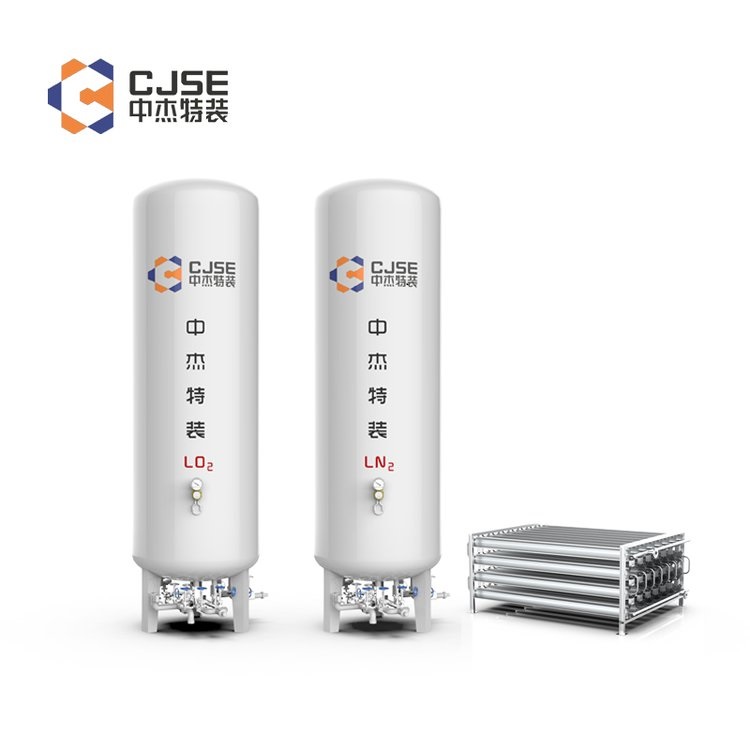

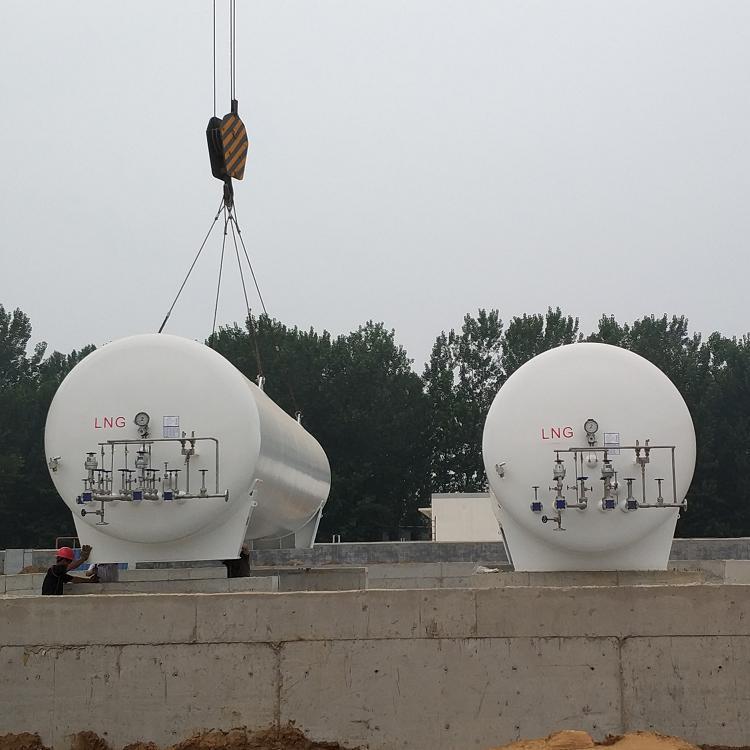
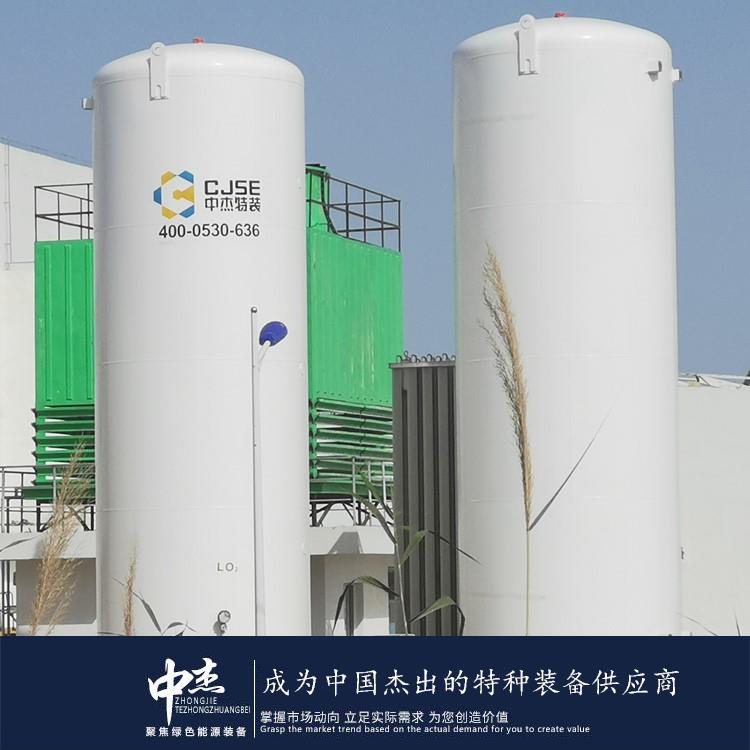


















Shandong Zhongjie Special Equipment's main products include: fuel (gas) boilers, organic heat carrier boilers, biomass boilers, waste heat boilers, and other boiler products; vacuum insulation cryogenic pressure vessels such as LNG tanks, oxygen/nitrogen/argon tanks, and CO2 tanks; pressure vessel products such as denitrification engineering equipment, heat storage and energy storage equipment, and complete chemical equipment sets; central air conditioning and HVAC equipment like ground (water) source heat pumps, air source units, water-cooled screw units, and air-cooled modular units. Planned products include large-scale energy centers, LNG transport vehicles, LNG tank containers, and other green energy equipment.
The automatic maintenance system for carbon dioxide storage tanks typically includes the following main components:
- Pressure Maintenance System: Monitors and adjusts the internal pressure of the tank to ensure that the carbon dioxide inside remains within a safe and stable pressure range. This system includes pressure sensors, control systems, pressure regulating valves, and pressure reserve devices.
- Temperature Control System: Monitors and adjusts the internal temperature of the tank to maintain the carbon dioxide within an appropriate temperature range. This system includes temperature sensors, control systems, and temperature regulating devices.
- Level Monitoring System: Measures and monitors the liquid level within the tank to ensure the carbon dioxide level remains within a safe range. This system can utilize float level gauges, pressure level gauges, and ultrasonic level gauges.
- Leak Detection System: Monitors for leaks in the tank and pipeline systems, enabling timely detection and alarms. This system can employ gas sensors, liquid sensors, and leak alarms.
- Fire Detection and Extinguishing System: Monitors fire conditions in the storage tank area and implements appropriate extinguishing measures. This system includes fire detectors, alarms, and extinguishing equipment.
- Remote Monitoring and Control System: Allows for remote monitoring and control of the tank's operational status and parameters, enabling remote operation and management. This system can connect via network to provide real-time data and remote control capabilities.
These are the main components of a typical automatic maintenance system for carbon dioxide storage tanks. The specific configuration and functions of the system can be customized according to the tank's design requirements and application scenarios. These automatic maintenance systems enhance the tank's safety, stability, and reliability, reducing the need for manual intervention and operational risks.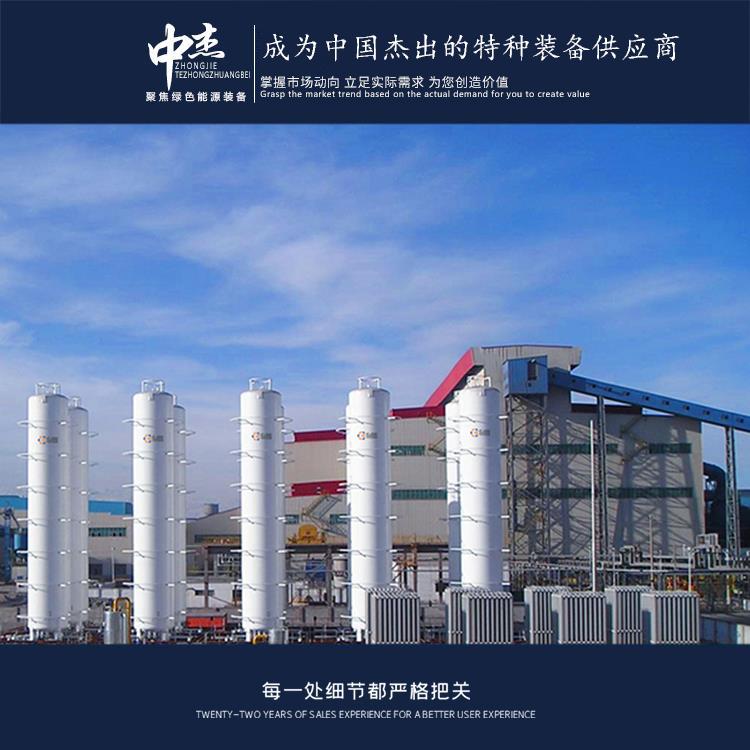
Carbon dioxide tanks are equipment used for storing and transporting carbon dioxide (CO2). They are typically sealed containers with specialized design and structure to ensure safe storage and use of CO2. Here are some common details about carbon dioxide tanks: Storage Form: CO2 is in a gaseous state at room temperature but can be compressed into a liquid under high pressure for easier storage and transport. Carbon dioxide tanks are usually used for storing liquid CO2. Storage Pressure: These tanks typically store high-pressure CO2, with pressures around 20-25 bar. This high-pressure state helps maintain CO2 in a liquid state. Storage Capacity: The capacity of carbon dioxide tanks can vary from a few thousand liters to tens of thousands of liters, depending on specific application needs. Safety: CO2 is colorless, odorless, and non-toxic, but it can be dangerous at high concentrations, causing asphyxiation. Therefore, appropriate safety measures such as ventilation and protective gear must be taken when using carbon dioxide tanks to ensure the safety of operators. Applications: Carbon dioxide tanks are widely used in various fields, including the food and beverage industry, manufacturing, fire suppression, and gas supply. They are used to store and provide CO2 to meet diverse industrial needs. It is important to note that the design, manufacturing, and use of carbon dioxide tanks must comply with relevant regulations, standards, and safety provisions. When using carbon dioxide tanks, operators should follow the operating manual and safety guidelines, and cooperate with local regulatory authorities to ensure the tank's safety and reliability.
Water pressure testing of CO2 storage tanks is a common quality inspection method used to verify the tank's sealing and pressure resistance. Below are the general steps for conducting a water pressure test on CO2 storage tanks:
Preparation: Ensure the tank interior is clean and the tank is empty. Check the tank's valves, pipes, and connections to ensure they are sealed properly.
Filling with Water: Fill the tank with water, using tap water or other clean sources. Ensure even water filling to avoid bubbles or dead spots.
Applying Pressure: Use a pressure pump or other pressure device to gradually increase water pressure until reaching the predetermined test pressure. The test pressure is typically determined based on the tank's design requirements and relevant standards.
Maintaining Pressure: After reaching the test pressure, hold it for a period, usually 15-30 minutes. During this time, observe for any leakage in the tank and check for leaks at the valves and connections.
Pressure Release: Release the water pressure in the tank, ensuring a slow and even release to avoid sudden pressure release causing shock.
Inspection and Evaluation: After pressure release, inspect the tank's exterior and interior for any leakage. Evaluate the test results to ensure the tank's sealing and pressure resistance meet requirements.
It is important to note that when conducting water pressure tests, safety operating procedures and standards should be followed to ensure safety and reliability during the process. Depending on the tank's design and usage requirements, other types of tests can be conducted, such as gas pressure testing, ultrasonic testing, etc., to comprehensively assess the tank's quality and performance. Seek advice and guidance from experts.
When using CO2 storage tanks, pay attention to the following aspects:
Safety Operation: Operators must undergo training to understand the characteristics, operational requirements, and safety measures of CO2 storage tanks. Adhere to relevant safety operating procedures and standards to ensure operational safety.
Tank Inspection: Regularly inspect the tank's appearance, sealing, valves, and pipeline connections before use. Promptly repair or replace any abnormalities or damage.
Tank Placement: Position the tank in a well-ventilated, dry, fire-free area. Avoid direct sunlight and high temperatures to prevent overheating.
Leak Prevention: Ensure the tank's valves and pipeline connections are properly sealed to prevent CO2 leakage. Regularly check and replace seals, and promptly address any leaks.
Pressure Control: Maintain internal tank pressure within safe limits. Check the tank's pressure gauge and safety valve before use to ensure proper functioning. Avoid excessive or low pressure to prevent safety accidents.
Fire Prevention: CO2 is flammable, so take fire prevention measures during use. Smoking, open flame operations, or placing flammable materials near the tank are prohibited.
Waste Gas Emission: Properly discharge waste gases generated during CO2 storage tank use to avoid CO2 accumulation in enclosed spaces, which can lead to asphyxiation and safety risks.
Emergency Response Plan: Develop and implement an emergency response plan, including procedures for handling leaks, evacuation, and first aid measures. Operators should be familiar with the plan and conduct regular drills.
Note that CO2 storage tank use should be performed by qualified operators following relevant safety operating procedures and standards. Seek advice and guidance from experts.
Our company attaches great importance to technological innovation and R&D design. We have one municipal-level enterprise technology center in Heze City, equipped with testing facilities for non-destructive testing, physical and chemical testing, welding testing, hydrostatic testing, etc. We have over 600 types of equipment, including CNC machine tools, X-ray flaw detectors, digital ultrasonic flaw detectors, mechanical property testing machines, chemical analyzers, spectrometers, tensile testing machines, plasma welding machines, and more. The key products and technologies we have developed, such as welding for temperature and pressure vessels, biomass boiler emission reduction, and waste heat utilization, have successively been included in multiple Shandong Provincial Department of Industry and Information Technology science and technology innovation projects, Shandong Provincial key projects, and Heze City innovation and excellence projects. We have accumulated a total of 27 authorized utility models, 16 authorized inventions, participated in drafting 2 standards, 2 industry standards, and registered 15 trademarks. The technical team of our company, in collaboration with Professor Yajiang Li of Shandong University, has developed deep cryogenic container processing technology using the international plasma arc + wire filling argon arc welding (PAW-GTAW) technology. After the provincial-level scientific and technological achievement evaluation, the technology level has reached an international standard in the field of deep cryogenic container manufacturing. Choose Zhongjie Special Equipment, and let's create brilliance together!
WeChat Official Account

Scan to follow Official Account



















