


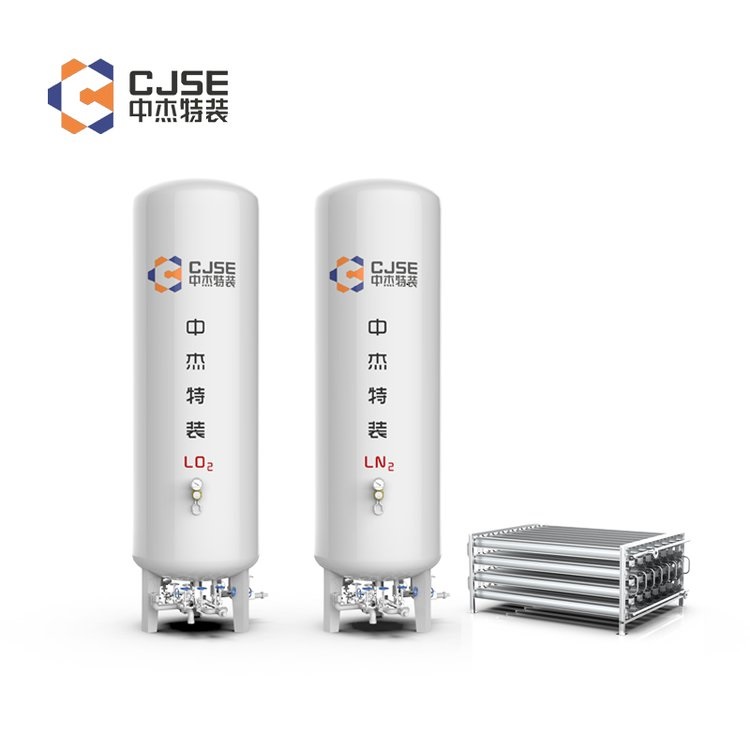

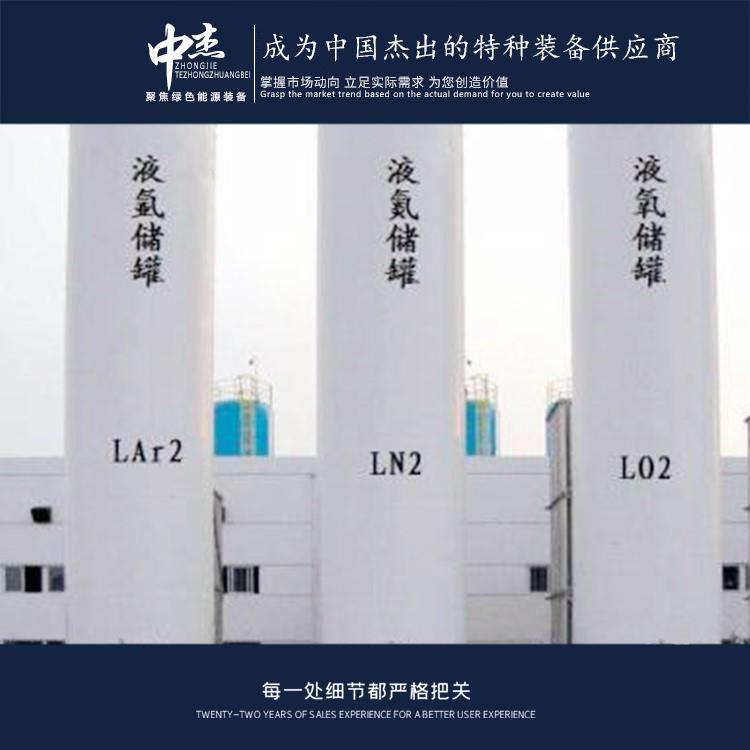
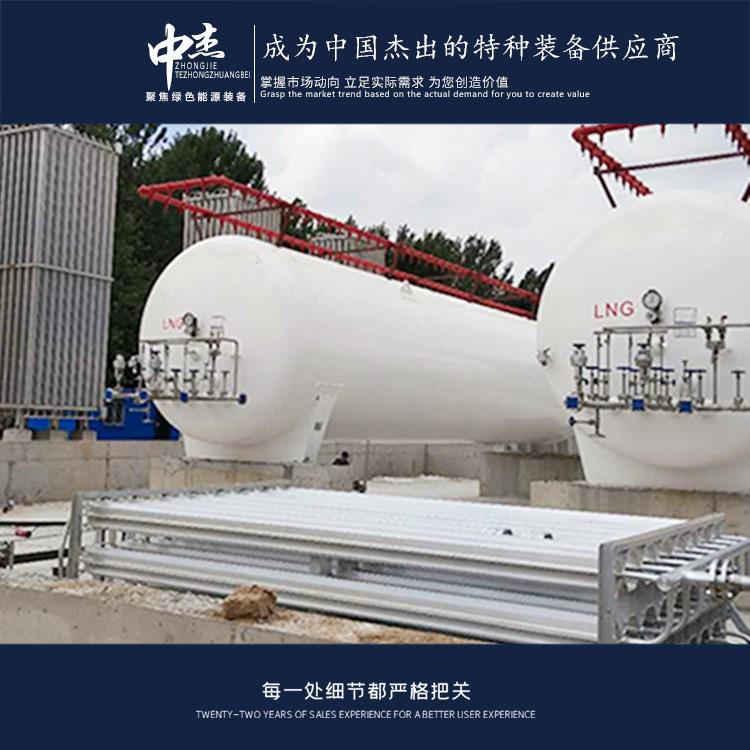


















Shandong Zhongjie Special Equipment's main products include: fuel (gas) boilers, organic heat carrier boilers, biomass boilers, waste heat boilers, and other boiler products; vacuum insulation cryogenic pressure vessels such as LNG tanks, oxygen/nitrogen/argon tanks, CO2 tanks; pressure vessel products like denitrification engineering equipment, heat storage and energy storage equipment, complete chemical equipment sets; central air conditioning and ventilation equipment such as ground (water) source heat pumps, air source units, water-cooled screw units, and air-cooled modular units. Planned products include large-scale energy centers, LNG transport vehicles, LNG tank containers, and other green energy equipment.
The reason for regular inspections of low-temperature liquid carbon dioxide storage tanks is to ensure their safety performance and normal operation. Due to the storage tanks' exposure to low temperatures and high pressures, there are inherent safety risks, such as leaks or structural failures. Regular inspections can detect potential issues early, allowing for corrective or maintenance measures to ensure safe tank operation. The specific inspection frequency should be determined according to relevant regulations and standards, and it is generally recommended to conduct regular inspections and maintenance. Typically, the interval for regular inspections of low-temperature liquid carbon dioxide storage tanks is between 1 to 3 years, with the exact interval potentially varying based on the tank's usage, age, design standards, and other factors. The content of regular inspections usually includes visual inspections of the tank, checks of valves and fittings, leak detection, and pressure testing. Additionally, the tank's insulation should be inspected and maintained regularly to ensure its insulating performance. It is important to note that the specific inspection frequency and content should be determined according to local laws, standards, and the manufacturer's recommendations. Inspections should be carried out by qualified personnel, and the results and maintenance records should be documented for tracking and managing the tank's safety performance.
Common defects in carbon dioxide tanks during use include deformation. Here are some reasons that may lead to tank deformation: Overpressure: When the internal pressure of the tank exceeds its design pressure, it may deform. This could be due to operational errors, system failures, or other causes. Temperature Changes: Carbon dioxide tanks expand and contract with temperature changes, and if the temperature changes are too great or too rapid, it may cause deformation. Internal Corrosion: If there is internal corrosion in the tank, it will damage the structural integrity of the tank, leading to deformation. External Damage: External impacts, compressions, or other physical damages can cause the tank to deform. Incorrect Installation or Use: Incorrect installation or use methods can lead to uneven stress on the tank, causing deformation. Tank deformation may reduce the structural integrity of the tank, even posing risks of leaks or ruptures. Therefore, it is important to regularly inspect and maintain the integrity of the tank, as well as to follow proper operation and installation procedures. If tank deformation is detected or other defects are suspected, the tank should be immediately stopped from use and assistance should be sought for inspection and repair. Do not attempt to repair or continue using a defective tank to ensure operational safety.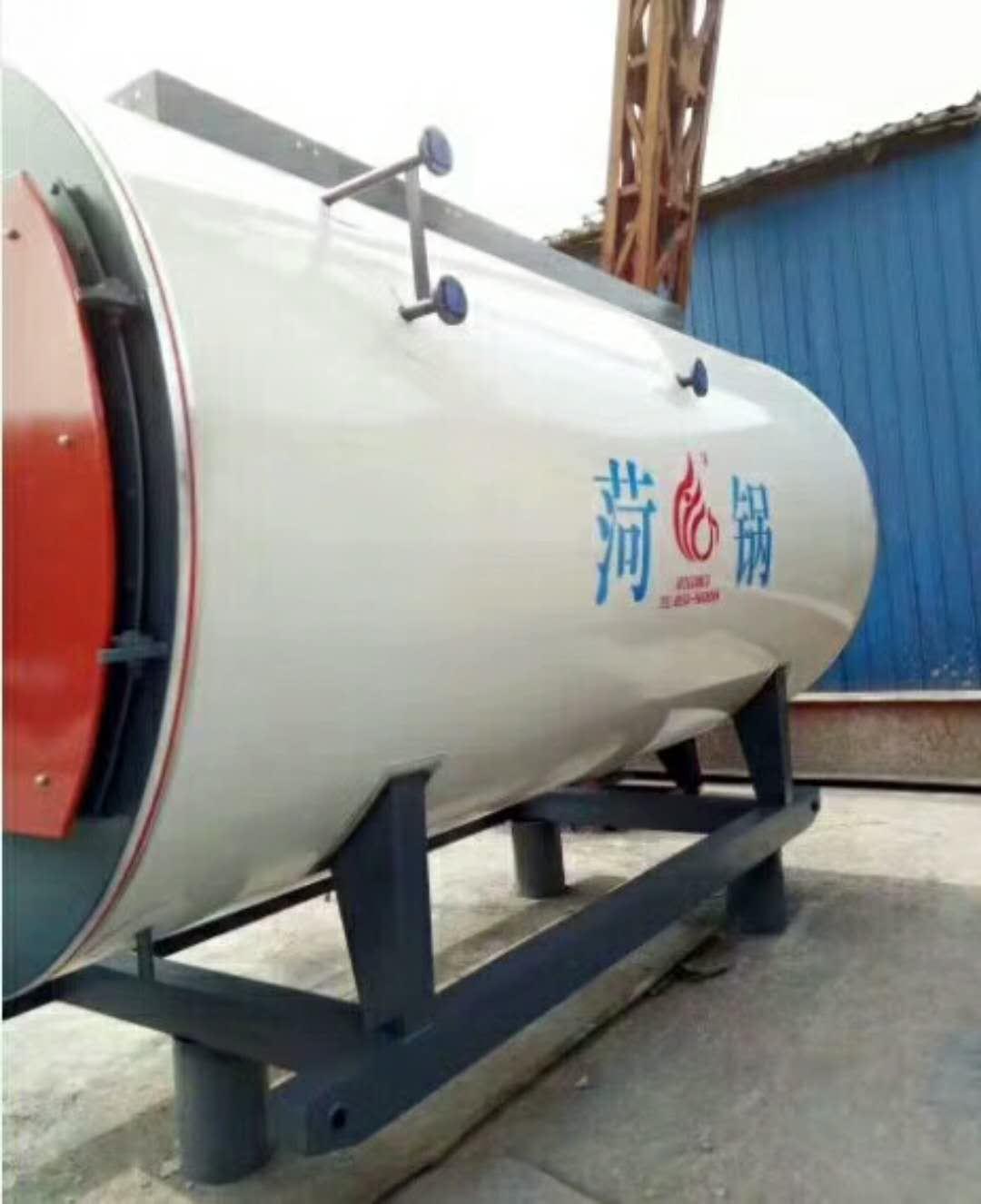
Key features of carbon dioxide storage tanks primarily include the following aspects: High storage density: Carbon dioxide storage tanks can compress carbon dioxide gas into a liquid state, significantly increasing storage density. Compared to storing it in a gaseous state, liquid carbon dioxide can store more carbon dioxide in relatively smaller tanks, saving space and costs. Stable storage and supply: Carbon dioxide storage tanks can stably store and supply carbon dioxide. Through tank design and control systems, precise measurement and supply of carbon dioxide can be achieved, meeting various industrial and application needs. Environmental friendly and renewable: Carbon dioxide is an environmentally friendly gas, and its increased concentration in the atmosphere can lead to warming and climate change. By storing and utilizing carbon dioxide, its emissions into the atmosphere can be reduced, contributing to environmental protection and sustainable development. Safe and reliable: During design and manufacturing, carbon dioxide storage tanks typically use high-strength materials (such as carbon steel or stainless steel) with good pressure resistance and safety. The tanks are usually equipped with safety valves, pressure gauges, level indicators, and other accessories to ensure safe operation. Additionally, carbon dioxide is a non-flammable and non-explosive gas, making it relatively safe. Various application fields: Carbon dioxide storage tanks are widely used in multiple fields, including the food and beverage industry, manufacturing, fire suppression, and gas supply. Carbon dioxide can be used as a food preservative, beverage carbonation agent, gas, and fire extinguisher, with broad applications and market demand. In summary, the key features of carbon dioxide storage tanks include high storage density, stable storage and supply, environmental friendliness and renewability, safety and reliability, and diverse application areas. This makes carbon dioxide storage tanks an essential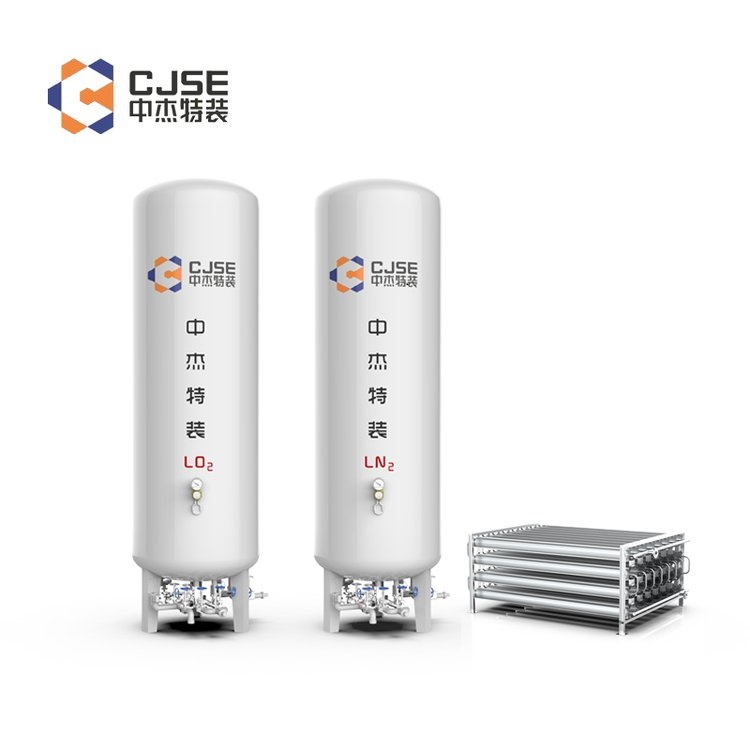
Carbon dioxide tanks are devices used for storing carbon dioxide gas. They are typically made of high-strength materials with sealing capabilities to prevent the leakage of stored CO2. The design and capacity of the tanks can be adjusted as needed to accommodate various applications. Carbon dioxide tanks are widely used across multiple industries, including industrial production, food processing, and more. In the industrial sector, they are commonly used for storing and supplying CO2 gas for processes such as welding, gas shielding, and fire suppression. In the food processing industry, they can be used to produce carbonated beverages and frozen foods. In the medical field, they are used to manufacture medical gases like breathing gases and anesthetic gases. The development and manufacturing of carbon dioxide tanks involve multiple manufacturers and technologies. Different companies may employ various design and manufacturing processes to meet different customer needs. Additionally, relevant safety standards and regulations must be adhered to ensure the safe operation and use of the tanks.
ZJ Special Equipment upholds the great vision of "realizing employees' dreams, creating value for customers, and striving for the prosperity and strength of our motherland," and is dedicated to the development of the green energy equipment industry. We offer society high-value products and services!
WeChat Official Account

Scan to follow Official Account



















