





















Shandong Zhongjie Special Equipment (formerly Heze Boiler Factory Co., Ltd.) was established in 2001, located at No. 2218 Jinnan Road, Development Zone, Heze City, with a registered capital of 50 million yuan and total assets of 500 million yuan. The company has 7 business centers: boiler, deep-freeze containers, pressure vessels, central air conditioning, engineering installation, international trade, and Internet of Things. It has three manufacturing sites on Jinnan Road, East Changjiang Road, and Bohai Road, covering a total area of 200,000 square meters, with the main workshop spanning 83,000 square meters. Currently, it employs 710 staff, including 247 engineers and technicians, and 82 middle-level technical personnel. In December 2016, it was recognized as a "High-Tech Enterprise" by the Science and Technology Department. In June 2021, it was named a "Specialized and New Enterprise of Shandong Province" by the Ministry of Industry and Information Technology. In June 2022, it was identified as a "Gazelle Enterprise of Shandong Province" and in August 2022, it was recognized as a "Specialized and New Small Giant Enterprise" by the Ministry of Industry and Information Technology.
The purpose of deoxygenation in industrial boiler feed water is to reduce oxygen corrosion and bubble formation within the boiler, ensuring the safety and proper operation of the boiler and pipeline systems. The main methods of deoxygenation include:
1. Mechanical Deoxygenation: Removing oxygen from water through physical means. Common mechanical deoxygenation equipment includes deaerators and degassers. Deaerators remove oxygen by atomizing water into a film, utilizing the difference in gas solubility. Degassers remove oxygen by atomizing water into fine droplets, also leveraging the difference in gas solubility.
2. Thermal Deoxygenation: Removing oxygen from water by heating the water body, taking advantage of the property that oxygen solubility decreases with temperature. Common thermal deoxygenation equipment includes deaerating pots and deaerators. Deaerating pots release oxygen from water by heating it to saturation temperature. Deaerators remove oxygen by heating water, utilizing the reduced solubility of oxygen.
3. Chemical Deoxygenation: Removing oxygen from water by adding chemicals that react with it, thus eliminating oxygen. Common chemical deoxygenation agents include salts, reducers, etc. Chemical deoxygenation is often used in high-pressure boiler systems and can effectively remove oxygen from water.
The choice of deoxygenation method depends on the specific boiler system and water quality. In practical applications, a combination of deoxygenation methods is often used to achieve the desired deoxygenation effect. The selection and operation of deoxygenation equipment should be assessed and adjusted based on actual conditions to ensure the safety and proper operation of the boiler system.
A gas heat transfer oil boiler is a device that uses gas as fuel to heat the heat transfer oil through the thermal energy generated by combustion. Here are some basic facts about gas heat transfer oil boilers:
Working Principle: The working principle of a gas heat transfer oil boiler involves mixing gas with air, then burning it to produce high-temperature flue gas. This flue gas is then passed through the flue and heat exchanger to exchange heat with the heat transfer oil, transferring thermal energy to the oil and raising its temperature. The heat transfer oil circulates within the boiler, transferring heat to the equipment or process that requires heating.
Heat Transfer Oil: The heat transfer oil used in gas heat transfer oil boilers is typically an organic heat carrier, such as mineral oil or synthetic oil. This oil has high thermal conductivity and stability, allowing it to operate stably at high temperatures and transfer heat to the heated equipment.
Gas Combustion System: Gas heat transfer oil boilers are equipped with a gas combustion system, including burners, gas supply systems, and control systems. The burners are responsible for mixing gas with air and burning it to produce heat. The gas supply system provides the gas and adjusts the gas supply as needed. The control system monitors and controls the combustion process to maintain stable operation.
Safety Protection Devices: Gas heat transfer oil boilers are equipped with various safety protection devices to ensure safe operation of the equipment. Common safety devices include overheat protection, overpressure protection, and water level protection. They monitor and control the boiler's operating status to prevent equipment damage and accidents.
Application Areas: Gas heat transfer oil boilers are widely used in industrial fields such as chemical, textile, food processing, and papermaking. They can provide stable high temperatures for various applications.
Possible causes of uneven heat distribution in steam boilers may include the following aspects:
- Uneven combustion: During the combustion process, if the mixture of fuel and air is uneven, or if the burner's design and adjustment are not reasonable, it can lead to uneven combustion. This results in some areas producing more heat while others produce less.
- Pipe blockage: In the conveying pipes of steam boilers, the presence of blockages or scale can cause uneven heat transfer. Blockages or scale hinder steam flow, limiting heat transfer in some areas while allowing it to flow relatively well in others.
- Heat exchanger issues: If the heat exchangers in steam boilers have problems such as scaling, corrosion, or blockage, they can lead to uneven heat transfer. These issues can affect the heat conduction efficiency of the heat exchangers, impacting heat transfer in some areas.
- Water level issues: Inaccurate or unstable water level control in steam boilers can lead to uneven steam production. Both high and low water levels can affect steam production and distribution, causing uneven heat distribution.
- Boiler load changes: Changes in boiler load can also result in uneven heat distribution. When the load suddenly increases or decreases, the boiler's heat production and distribution may not adjust promptly, leading to uneven heat distribution.
To address the issue of uneven heat distribution in steam boilers, regular inspection and maintenance of boiler equipment are necessary to ensure the normal operation of combustion and heat exchange processes. Additionally, adjusting burners and control systems reasonably, maintaining stable water levels, cleaning pipes and heat exchangers, and improving...
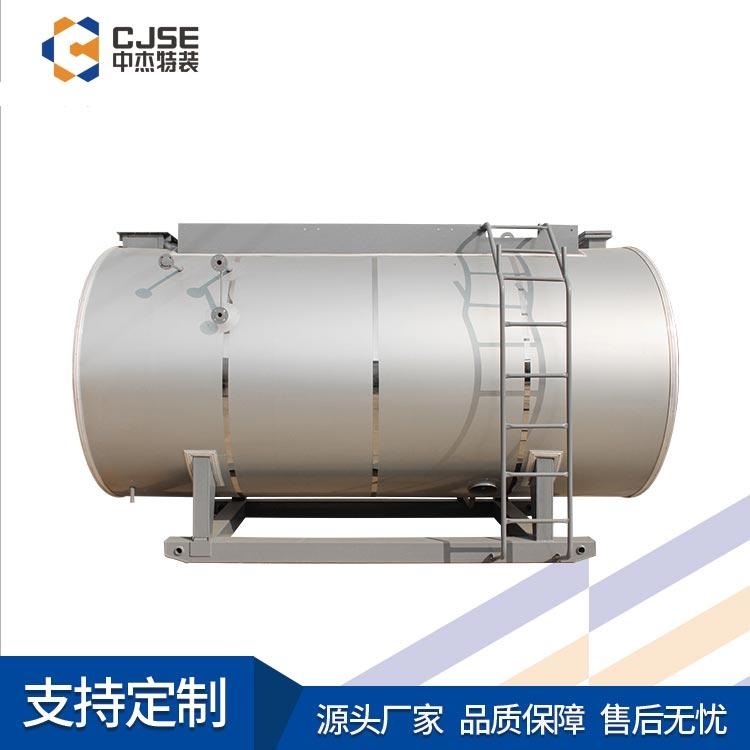
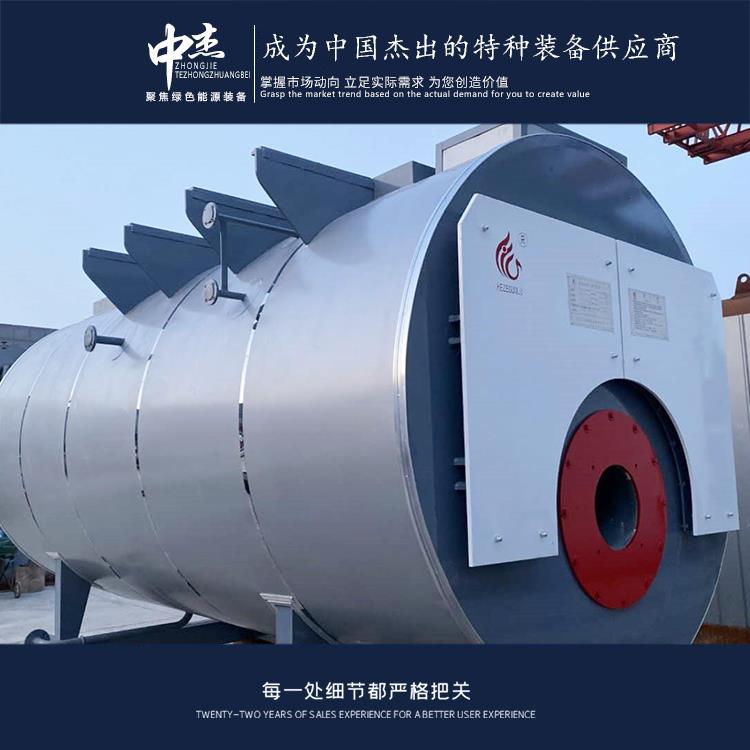
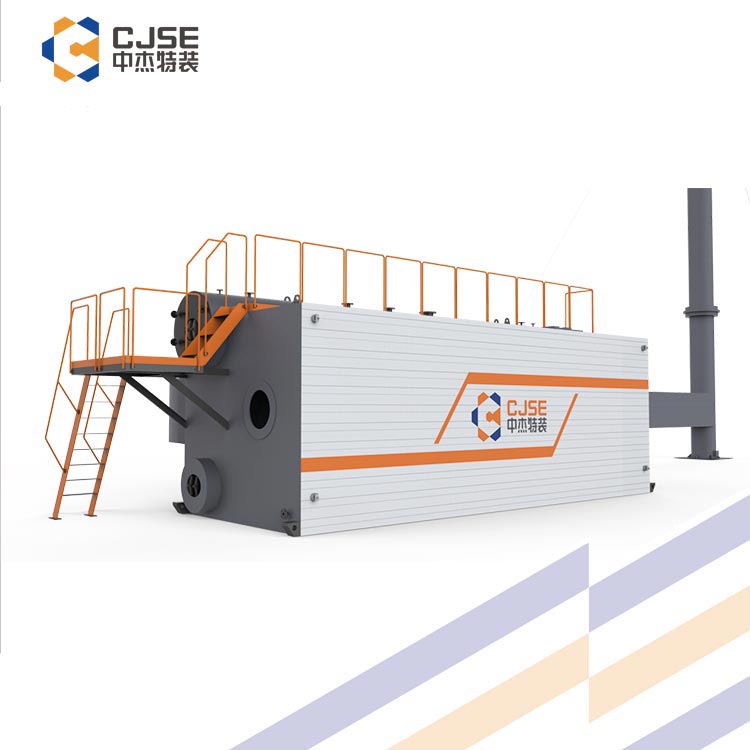
A gas boiler is a heating equipment that uses gas or similar fuels. It produces heat by burning the gas, heating water into steam or hot water for use in heating, hot water supply, or industrial production, among other applications. The working principle of a gas boiler involves mixing the gas with air, igniting it to produce high-temperature combustion gases, which then transfer heat to the water through a heat exchanger, raising the water temperature. Gas boilers are characterized by their environmental friendliness, safety, and other advantages, and are widely used in residential, commercial, and industrial sectors.
Our company attaches great importance to technological innovation and R&D design. We have one municipal-level enterprise technology center in Heze City, equipped with testing facilities for non-destructive testing, physical and chemical testing, welding testing, hydrostatic testing, etc. We have over 600 various instruments and equipment, including CNC machine tools, X-ray flaw detectors, digital ultrasonic flaw detectors, mechanical property testing machines, chemical analyzers, spectrometers, tensile testing machines, plasma welding machines, and more. The key products and technologies we have developed, such as welding for temperature and pressure vessels, emissions reduction for biomass boilers, and waste heat utilization, have successively been included in multiple Shandong Provincial Department of Industry and Information Technology science and technology innovation projects, Shandong Provincial key projects, and Heze City innovation and excellence projects. We have cumulatively obtained 27 authorized utility model patents, 16 authorized invention patents, participated in drafting 2 standards, 2 industry standards, and registered 15 trademarks. The technical team of our company, in collaboration with Professor Yajiang Li from Shandong University, has developed deep cryogenic container processing technology using the international plasma arc + filler wire tungsten inert gas arc welding (PAW-GTAW) technology. The provincial-level scientific and technological achievement identification has confirmed that the technology level in the field of deep cryogenic container manufacturing has reached an international standard.
Choose ZJET for customized solutions, let's create brilliance together!
WeChat Official Account

Scan to follow Official Account



















