


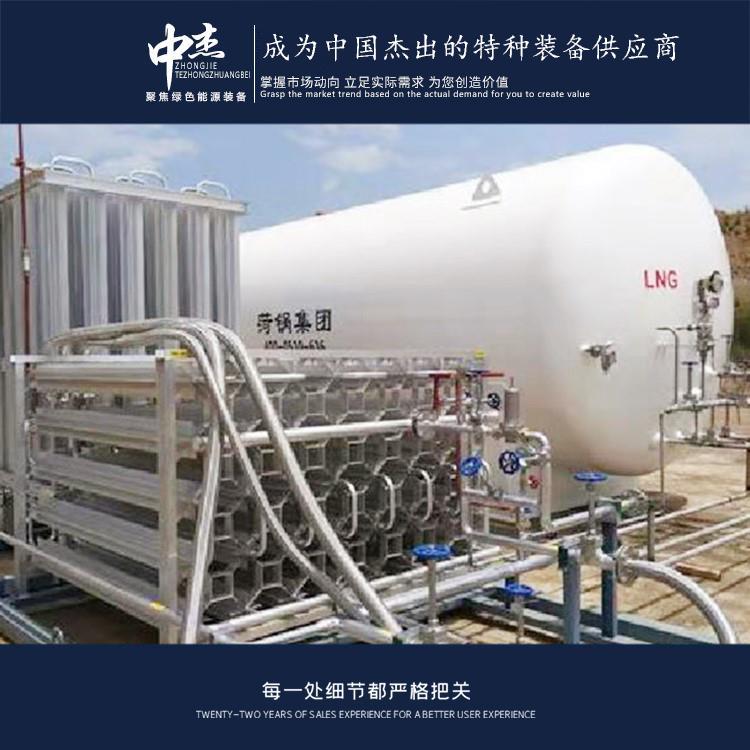

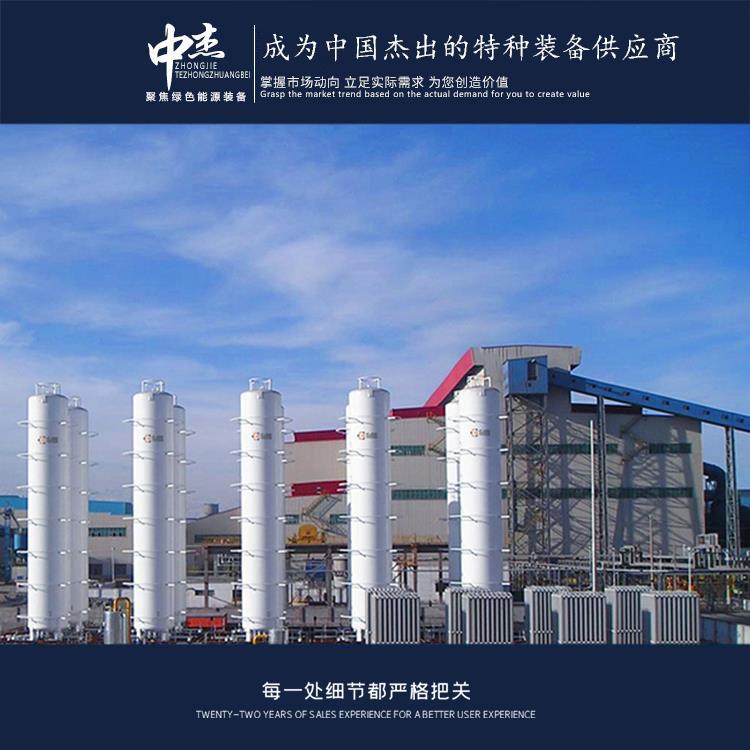
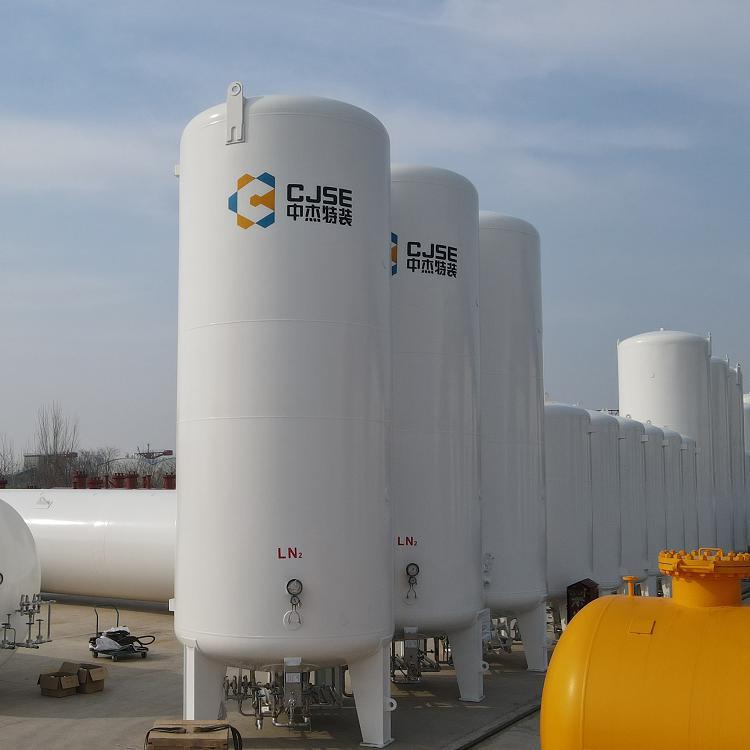


















Shandong Zhongjie Special Equipment (formerly Heze Boiler Factory Co., Ltd.) was established in 2001, located at No. 2218 Jinnan Road, Development Zone, Heze City, with a registered capital of 50 million yuan and total assets of 500 million yuan. The company has 7 business centers: boilers, deep-freeze containers, pressure vessels, central air conditioning, engineering installation, international trade, and Internet of Things. It has three factory sites on Jinnan Road, East Changjiang Road, and Bohai Road, covering a total of 200,000 square meters, with the main workshop spanning 83,000 square meters. It currently employs 710 people, including 247 engineers and technicians, and 82 intermediate-level technical personnel. In December 2016, it was recognized as a "High-tech Enterprise" by the Science and Technology Department. In June 2021, it was identified as a "Specialized and New Enterprise in Shandong Province" by the Department of Industry and Information Technology. In June 2022, it was recognized as a "Gazelle Enterprise in Shandong Province" and in August 2022, it was identified as a "Specialized and New Small Giant Enterprise" by the Ministry of Industry and Information Technology.
One of the common drawbacks of pressure vessels in use is corrosion. Corrosion refers to the reaction between the metal surface and chemical substances in the environment, leading to damage to the metal surface and thinning of the material. The following are common corrosion drawbacks of pressure vessels:
Pitting Corrosion: Pitting corrosion refers to localized pits or holes that appear on the surface of a metal. This type of corrosion is usually caused by corrosive substances present in the local environment, such as acids, salts, etc.
Bacterial Corrosion: Bacterial corrosion is a phenomenon caused by microorganisms. These organisms can form biofilms inside pressure vessels and produce acidic substances, leading to corrosion of the metal surface.
Punch Corrosion: Punch corrosion refers to a penetrating corrosion phenomenon on the surface of metal. This type of corrosion usually occurs due to damage or defects in the protective layer of the metal surface, allowing corrosive substances to directly contact the metal.
Stress Corrosion Cracking: Stress corrosion cracking occurs when a metal surface is subjected to both stress and a corrosive environment, leading to the formation and propagation of cracks. This type of corrosion is commonly found in pressure vessels operating under high stress and corrosive conditions.
Corrosion can lead to material thinning and reduced strength in pressure vessels, potentially causing serious consequences like leaks or ruptures. Therefore, measures must be taken to address corrosion in pressure vessels, including:
Regularly inspect and evaluate the corrosion status of pressure vessels, including methods such as visual inspections and non-destructive testing.
Implement corrosion prevention measures such as coating protection, cathodic protection, and selecting appropriate materials to minimize corrosion occurrence and progression.
Regularly clean and maintain pressure vessels to remove dirt and impurities that may cause corrosion.
Comply with relevant safety standards and operational guidelines to ensure the safe and proper operation of pressure vessels.
For severely corroded pressure vessels, repairs or replacements may be required to ensure their safety and reliability.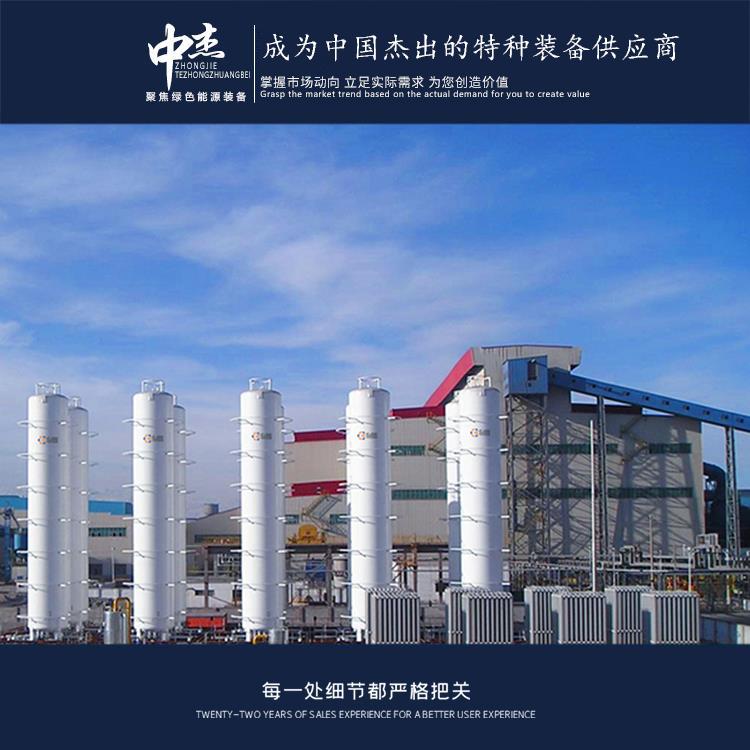
During the operation of low-temperature storage tanks, it is indeed necessary to avoid the occurrence of wrinkling. Wrinkling refers to the phenomenon where the tank walls develop creases or deformations, which may lead to a decrease in the structural integrity of the tank and could even cause leaks or ruptures.
Below are some precautions to avoid tank flexing in low-temperature storage:
Tank Design: Select an appropriate tank design that can withstand the pressure and weight of low-temperature liquids. The tank's wall thickness, support structure, etc., should comply with relevant standards and regulations.
Material Selection: Choose materials suitable for low-temperature environments, with sufficient strength and low-temperature resistance. Common materials include low-temperature steel, stainless steel, etc.
Insulation Layer for Storage Tanks: The design and construction of the insulation layer must meet the requirements to ensure effective reduction of heat conduction and temperature fluctuations. The materials and thickness of the insulation layer should be selected based on the specific circumstances.
Tank Operation: During the liquid loading and unloading process of the tank, avoid rapid or excessive fluid flow to minimize impact and stress concentration on the tank walls.
Tank Maintenance: Regularly inspect and maintain the structure and insulation of the tanks to ensure they remain undamaged. Any abnormalities or damages should be promptly repaired or replaced.
Temperature Control: During the operation of low-temperature liquid storage tanks, strict control over the temperature difference between the inside and outside of the tank is required to avoid excessive temperature fluctuations and thermal stress.
In summary, preventing damage to low-temperature storage tanks hinges on rational design, material selection, proper installation and maintenance of insulation, and strict control over temperature variations. Regular inspections and maintenance are also crucial for ensuring safe operation of the tanks.
Possible reasons for increased liquid nitrogen storage tank liquid loss may include:
Evaporation Loss: Liquid nitrogen is a cryogenic liquid with a boiling point of -196 degrees Celsius. Even under good insulation conditions, evaporation will occur. Therefore, the main cause of liquid nitrogen tank loss is evaporation. If the insulation layer of the tank is damaged or the insulation performance is poor, evaporation loss will increase.
Leakage: Leaks in liquid nitrogen storage tanks can also lead to increased liquid loss. Leaks may occur at the tank's interfaces, valves, pipes, and other locations. Leaks can be caused by equipment aging, material fatigue, improper operation, and other reasons.
Improper operation: Incorrect handling and maintenance may also lead to increased liquid nitrogen loss in storage tanks. For example, frequently opening the tank lid, leaving the lid open for extended periods, and failing to promptly repair leaks.
Environmental Factors: Environmental factors can also affect the liquid nitrogen tank's liquid loss. For instance, high-temperature environments can degrade the tank's insulation performance, thereby increasing evaporation loss.
To minimize the liquid nitrogen loss in storage tanks, the following measures can be taken:
Ensure the tank's insulation is intact and perform regular inspections and maintenance.
Regularly inspect the tank's interfaces, valves, pipes, and other components to ensure proper sealing performance and prevent leaks.
Strictly control the frequency and duration of tank openings to prevent unnecessary liquid evaporation.
Avoid using liquid nitrogen tanks in high-temperature environments, or take measures to maintain a low surrounding environment temperature.
It should be noted that liquid nitrogen tank liquid loss is inevitable, but with reasonable operation and maintenance, it can be reduced to a minimum.
To prevent the dangers associated with liquid oxygen storage tanks, the following precautions can be taken:
Safety Operation and Management: Establish and implement stringent safety operation and management systems, including proper use of storage tanks, operational procedures, safety training, etc. Ensure operators have the necessary safety awareness and skills, adhere to operational procedures, and minimize the likelihood of operational errors and accidents.
Regular Inspections and Maintenance: Conduct regular checks and maintenance on liquid oxygen tanks, including visual inspections, pressure tests, and leak detection. Promptly identify and address any issues with the tanks to ensure their safety and reliability.
Safety devices and protective equipment: Tanks should be equipped with necessary safety devices, such as pressure relief valves, level alarms, and protective equipment like fire barriers and explosion-proof devices. These devices and equipment can take timely measures in abnormal situations to ensure the safety of the tank.
Fire Prevention Measures: Liquid oxygen contains a high oxygen concentration, which is prone to causing fires. Therefore, fire prevention measures such as firewalls and fire extinguishers should be set up around the storage tanks to prevent the spread and expansion of fires.
Leakage Control and Emergency Response Plan: Establish a liquid oxygen tank leakage control and emergency response plan, including leakage control measures, emergency response procedures, and evacuation plans for personnel. In the event of a leakage incident, the plan allows for rapid action to control the leak and ensure personnel safety.
Training and Awareness Enhancement: Conduct regular safety training for operators of liquid oxygen storage tanks to enhance their safety awareness and emergency response capabilities. Strengthen safety
Chongjie Special Equipment upholds the grand vision of "Realizing Employees' Dreams, Creating Customer Value, and Striving for the Prosperity and Strength of Our Motherland," devoting itself wholeheartedly to the development of green energy equipment. We dedicate high-quality, cost-effective products and services to society!
WeChat Official Account

Scan to follow Official Account



















