


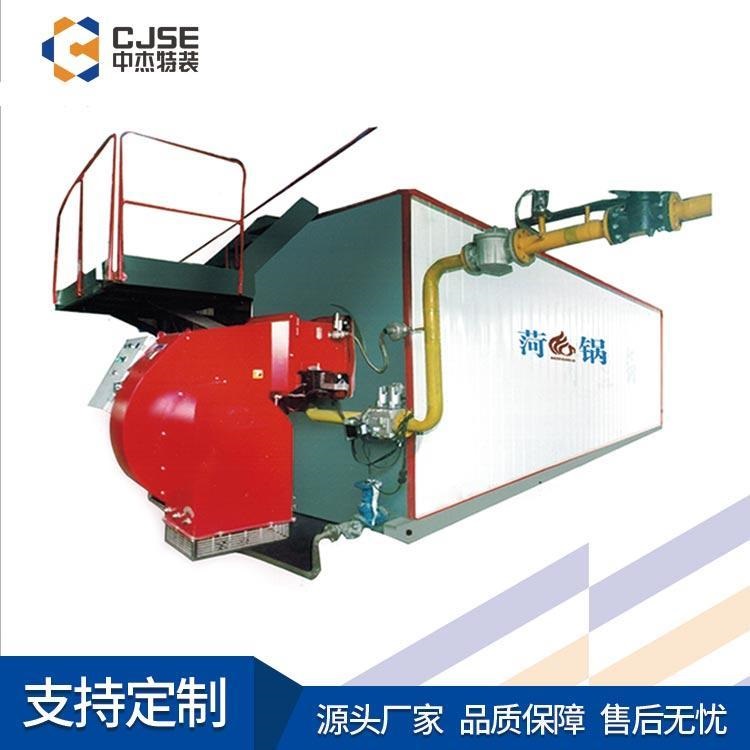

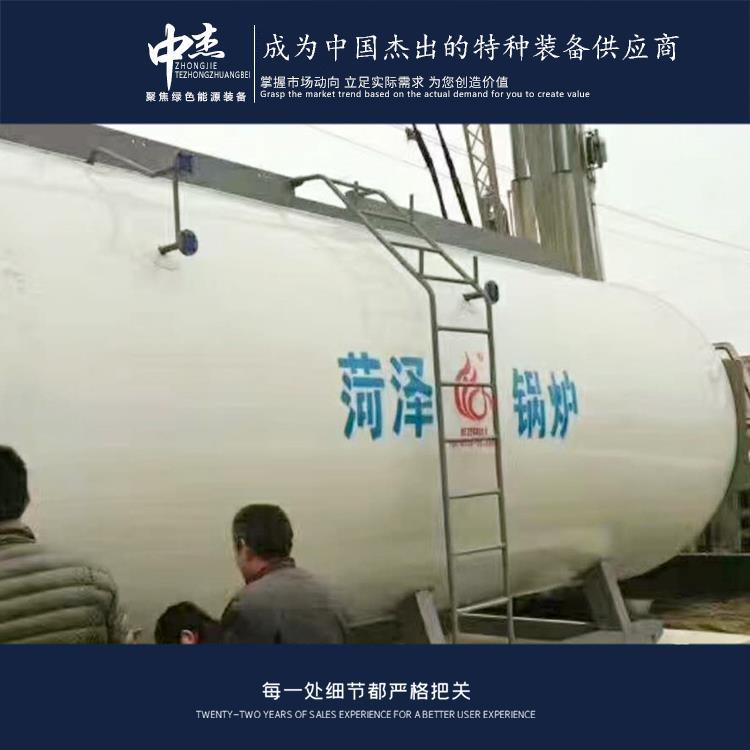
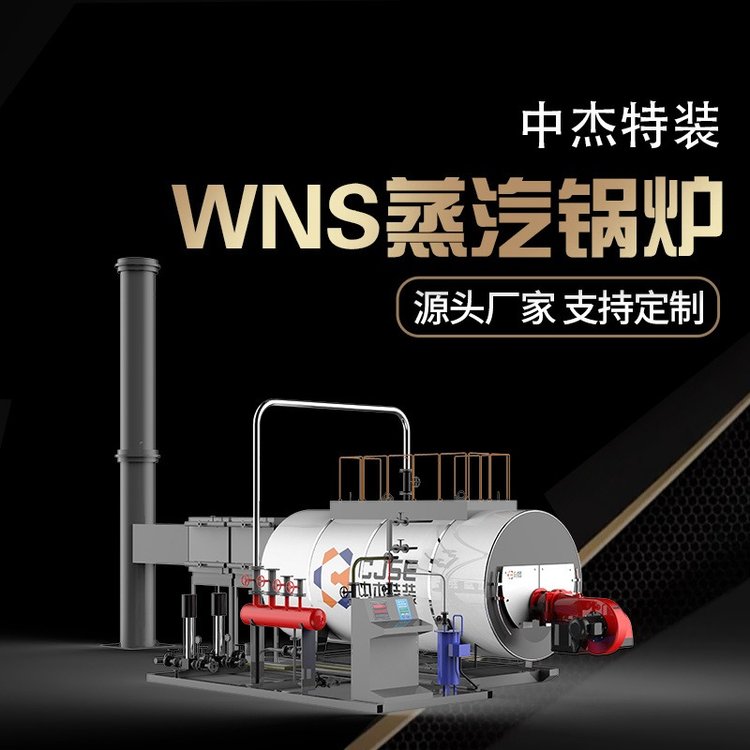


















Shandong Zhongjie Special Equipment (formerly Heze Boiler Factory Co., Ltd.) was established in 2001, located at No. 2218 Jinan Road, Economic and Technological Development Zone, Heze City. With a registered capital of 50 million yuan and total assets of 500 million yuan, the company has seven business centers: boilers, deep-freeze containers, pressure vessels, central air conditioning, engineering installation, international trade, and the Internet of Things. It has three manufacturing sites on Jinan Road, East Changjiang Road, and Bohai Road, covering a total area of 200,000 square meters, with the main workshop spanning 83,000 square meters. It currently employs 710 people, including 247 engineers and technicians, and 82 middle-level technical personnel. In December 2016, it was recognized as a "High-tech Enterprise" by the Science and Technology Department. In June 2021, it was identified as a "Specialized and New Enterprise in Shandong Province" by the Industrial and Information Technology Department. In June 2022, it was recognized as a "Gazelle Enterprise in Shandong Province" by the department. In August 2022, it was identified as a "Specialized and New Small Giant Enterprise" by the Ministry of Industry and Information Technology.
To enhance the sensitivity and energy efficiency of a gas-fired hot water boiler, the following measures can be taken:
- Regular Maintenance and Cleaning: Conduct regular maintenance and cleaning of the gas-fired hot water boiler, including cleaning the burner, flue, and heat exchanger components. This ensures the efficiency of the combustion process and heat transfer, reducing energy waste.
- Smart Control System: Install a smart control system that manages temperature and pressure to achieve automatic regulation and optimized operation of the gas-fired hot water boiler. The smart control system can adjust the burner's operating status based on actual demand, avoiding excessive heating and energy waste.
- Energy-saving Equipment and Technology: Utilize energy-saving equipment and technology, such as heat recovery units and flue gas waste heat recovery systems. These devices and technologies can recover and utilize the waste heat from the flue gas emissions of the boiler, enhancing energy utilization efficiency.
- Water Quality Management: Manage the water quality of the gas-fired hot water boiler rationally to prevent scale and sediment buildup. Scale and sediment can reduce the heat exchanger's heat transfer efficiency and increase energy consumption. Regular water quality testing and treatment help maintain clean water quality, contributing to improved boiler energy efficiency.
- Good Insulation and Sealing: Ensure good insulation and sealing performance of the gas-fired hot water boiler. The selection and maintenance of insulation materials, as well as the sealing of pipes and valves, can reduce heat loss and improve the boiler's energy efficiency.
- Regular Monitoring and Optimization: Regularly monitor the operation of the gas-fired hot water boiler, analyzing energy consumption and efficiency indicators. Based on monitoring results, make optimization adjustments to enhance the boiler's energy efficiency performance.
- Through the comprehensive application of the above measures, a gas-fired hot water boiler can achieve sensitive energy efficiency and improve energy utilization.
Based on the provided information, I cannot accurately determine the heating area for a 40-ton gas-fired hot water boiler or the gas pressure for an atmospheric pressure gas boiler. The determination of these parameters requires considering multiple factors, including the boiler's design specifications, the type and quality of the gas, and the heating system requirements. The heating area is typically calculated based on the size of the building or industrial production facility to be heated, as well as the heat load. Common calculation methods include heat load calculations based on the building's floor area, the climate conditions of the region, and indoor temperature requirements. The gas pressure depends on the type of gas and the design of the gas supply system. Different types of gas (such as natural gas, etc.) have different pressure requirements for supply. The gas pressure also needs to consider factors such as the distance of the gas pipeline, pipeline diameter, and pipeline material. Therefore, to accurately determine the heating area for the 40-ton gas-fired hot water boiler and the gas pressure for the atmospheric pressure gas boiler, it is recommended to consult the boiler manufacturer or engineer, who can calculate and design based on the specific situation.
The gas steam boiler's annual gas consumption for a 1-ton capacity unit depends on various factors, including the boiler's efficiency, load conditions, and operating hours. Generally, it can be estimated using the following formula: Gas Consumption (m) = Boiler Thermal Efficiency × Boiler Rated Thermal Power × Operating Hours. Here, the boiler thermal efficiency refers to the boiler's energy utilization efficiency, typically expressed as a percentage; the boiler rated thermal power is the boiler's rated thermal output, usually in kilowatts (kW); and the operating hours are the duration the boiler operates, commonly measured in hours. It's important to note that the boiler's thermal efficiency and rated thermal power can be determined based on the specific model and parameters of the boiler, while the operating hours need to be estimated based on actual usage. Therefore, to accurately calculate the annual gas consumption of a 1-ton gas steam boiler, it is recommended to refer to the technical specifications and operating records of the boiler, or consult the boiler manufacturer or engineer.
In the burner of a thermal oil furnace, adjusting the air shutter under low flame conditions is crucial. Here are some common sense tips and注意事项: The role of the air shutter: The air shutter is a key component in the burner that controls the supply of combustion air. By adjusting the opening of the air shutter, the flow of combustion air can be controlled, thereby affecting the oxygen supply and combustion effect during the combustion process. Adjusting under low flame conditions: Under low flame conditions, the burner needs to maintain stable combustion to ensure combustion efficiency and heat output. In this case, it is necessary to adjust the opening of the air shutter appropriately to maintain an adequate supply of combustion air. Generally, the opening of the air shutter under low flame conditions is relatively small to maintain an appropriate oxygen supply and avoid incomplete combustion or instability. The ratio of combustion air to fuel: Under low flame conditions, it is necessary to ensure that the ratio of combustion air to fuel is appropriate. Too much combustion air can lead to incomplete combustion and energy waste, while too little can cause instability in combustion and the production of harmful gases. By adjusting the opening of the air shutter, the ratio of combustion air to fuel can be controlled to achieve a stable combustion effect. Burner tuning and optimization: During the installation and tuning of the burner of a thermal oil furnace, appropriate tuning and optimization are required. Through actual operation and monitoring, adjust the opening of the air shutter and other parameters to achieve the best combustion effect and energy efficiency performance. This requires...
Zhejiang Jietech adheres to the grand vision of "realizing employee dreams, creating customer value, and striving for the prosperity and strength of our motherland," wholeheartedly committed to the development of green energy equipment. We dedicate products and services of high performance and affordability to society!
WeChat Official Account

Scan to follow Official Account



















