


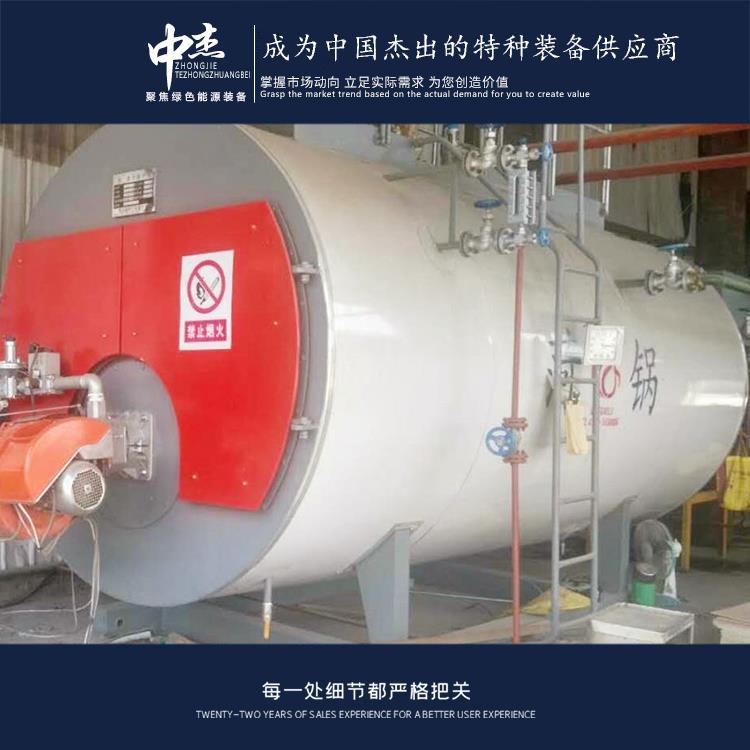

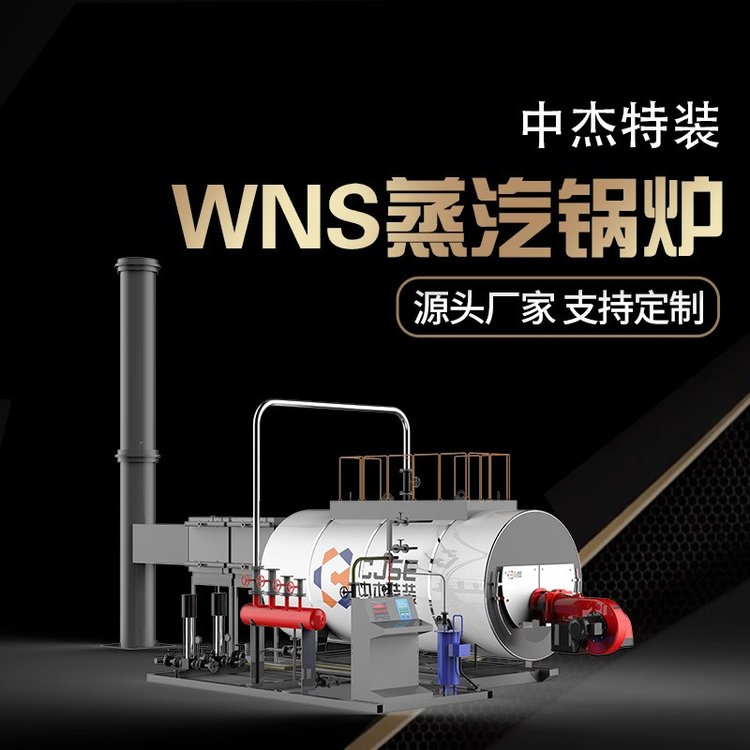
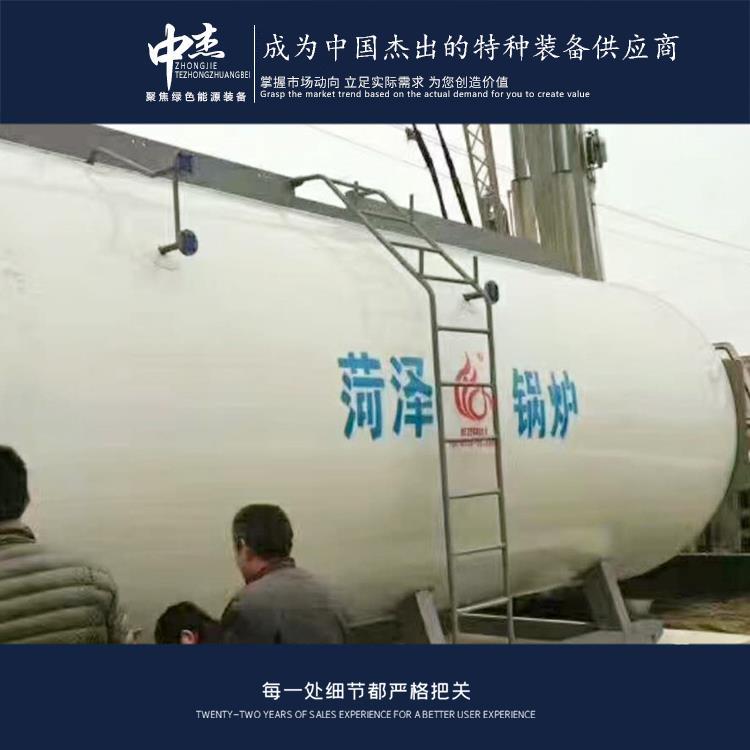


















Shandong Zhongjie Special Equipment's main products include: fuel (gas) boilers, organic heat carrier boilers, biomass boilers, waste heat boilers, and other boiler products; vacuum insulation deep-freeze pressure vessels such as LNG tanks, oxygen/nitrogen/argon tanks, CO2 tanks; pressure vessel products like denitrification engineering equipment, heat storage equipment, and complete chemical equipment; central air conditioning and HVAC equipment such as ground (water) source heat pumps, air-source units, water-cooled screw units, and air-cooled modules. Planned products include large-scale energy centers, LNG transport vehicles, LNG tank containers, and other green energy equipment.
The decline in the consumption of thermal oil boilers can be attributed to several factors:
1. Combustion Technology: Modern thermal oil boilers utilize advanced combustion technologies, such as premixed combustion and afterburning, to ensure complete fuel combustion, enhance energy utilization, and reduce energy consumption.
2. Heat Recovery: Thermal oil boilers often generate a significant amount of excess heat during flue gas emissions. By employing heat recovery systems like flue gas heat recovery boilers or flue gas heat exchangers, the excess heat in flue gases can be recovered and utilized, improving energy efficiency and reducing consumption.
3. Intelligent Control Systems: Contemporary thermal oil boilers are equipped with intelligent control systems that can monitor and adjust operating parameters in real-time, such as temperature, pressure, and flow. Through precise control and adjustment, the boilers can operate at optimal conditions, avoiding unnecessary energy waste and loss.
4. Energy-saving Retrofitting and Optimization: For older thermal oil boilers, energy-saving retrofitting and optimization can be performed. This includes installing energy-saving equipment like variable frequency drives and modified burners to enhance equipment energy efficiency. Additionally, optimizing the boiler system, such as improving pipe insulation and reducing leaks, can minimize energy loss.
5. Energy Management and Maintenance: Effective energy management and regular equipment maintenance are crucial factors in reducing energy consumption. Rational energy management measures, such as energy monitoring, metering, and promoting energy-saving awareness, can identify and resolve energy waste issues. Regular equipment maintenance ensures proper operation and prevents unnecessary energy loss.
In summary, the decrease in energy consumption of thermal oil boilers can be achieved through combustion technology, heat recovery, intelligent control systems, energy-saving retrofitting, and optimization, as well as effective energy management and regular maintenance.
Potential causes of uneven heat distribution in steam boilers may include the following aspects:
1. Uneven combustion: In the combustion process, an uneven mixture of fuel and air, or an unreasonably designed and adjusted burner, can lead to uneven combustion. This results in some areas producing more heat while others produce less.
2. Pipe blockage: In the transport pipes of steam boilers, the presence of blockages or scaling can cause uneven heat transfer. Blockages or scaling hinder steam flow, limiting heat transfer in certain areas while allowing it to be relatively better in others.
3. Heat exchanger issues: If there are problems such as scaling, corrosion, or blockage in the heat exchanger of a steam boiler, it can lead to uneven heat transfer. These issues affect the heat conduction efficiency of the heat exchanger, impacting the heat transfer in certain areas.
4. Water level issues: Inaccurate or unstable water level control in steam boilers can result in uneven steam production. Both high and low water levels can affect steam production and distribution, leading to uneven heat distribution.
5. Boiler load changes: Variations in boiler load can also cause uneven heat distribution. When the load suddenly increases or decreases, the boiler's heat production and distribution may not adjust promptly, resulting in uneven heat distribution.
To address the issue of uneven heat distribution in steam boilers, regular inspection and maintenance of boiler equipment are necessary to ensure the normal operation of combustion and heat exchange processes. Additionally, reasonable adjustment of burners and control systems, maintaining stable water levels, cleaning pipes and heat exchangers, and improving efficiency are essential.
Choose a reliable gas boiler supplier—it's crucial. Here are some considerations:
- Reputation: Understand the reputation and market feedback of the gas boiler supplier. You can gather relevant information by reviewing customer reviews, industry reports, and certifications from institutions.
- Quality and Performance: The quality and performance of the gas boiler directly affect its reliability and efficiency. Learn about the supplier's quality control system, product certifications, and technical support capabilities to ensure their products meet standards and fulfill factory needs.
- Technical Support and After-Sales Service: Selecting a supplier that offers comprehensive technical support and after-sales service is vital. Ensure the supplier can provide training, installation guidance, maintenance, and troubleshooting support to ensure the smooth operation of the gas boiler.
- Cost-Effectiveness: Beyond quality and performance, consider the cost-effectiveness of the gas boiler. Weigh the purchase cost, operating cost, and maintenance cost to choose a supplier that offers reasonable pricing and value for money.
Ultimately, choosing a reliable gas boiler supplier requires considering these factors and making a decision based on the specific needs and conditions of your factory. It is recommended to communicate and compare with multiple suppliers to gather more information and advice for an informed choice.
The inspection contents and requirements for gas-fired boilers typically include the following aspects:
- Safety valve and pressure gauge: Check the installation and fixation of the safety valve and pressure gauge to ensure proper operation and accurate pressure display.
- Combustion system: Inspect the operating status of the burner, including ignition, combustion, and combustion stability. Check the connections of the gas supply pipeline and valves to ensure no leaks.
- Flue and heat exchanger: Examine the cleanliness of the flue and heat exchanger, including accumulated dust and dirt, to ensure heat exchange efficiency and smoke emissions meet requirements.
- Water level control system: Check the operating status of the water level controller and gauge to ensure accurate and reliable water level control, preventing excessive or insufficient water levels.
- Gas supply system: Inspect the installation and connections of the gas supply pipeline and valves to ensure normal gas supply and no leaks.
- Electrical system: Check the wiring and connections of the electrical system, including power supply, controllers, and sensors, to ensure normal operation of electrical equipment and avoid electrical failures.
- Safety devices: Inspect the operating status of safety devices, including safety valves, pressure switches, and temperature controllers, to ensure proper operation and ensure safe boiler operation.
- Records and documents: Review the boiler's operating records, maintenance records, and inspection reports, ensuring complete and accurate records of operation and maintenance.
The inspection of gas-fired boilers should be conducted by institutions or individuals with the relevant qualifications, following relevant laws, regulations, and standards. The frequency and specific requirements for inspections can be determined based on the boiler's usage and local regulations. Timely inspections and maintenance ensure safe and efficient operation of gas-fired boilers.
ZJ Special Equipment adheres to the grand vision of "realizing employees' dreams, creating customer value, and striving for the prosperity and strength of our motherland," wholeheartedly devoting itself to the development of green energy equipment. We offer the society high-quality and cost-effective products and services!
WeChat Official Account

Scan to follow Official Account



















