


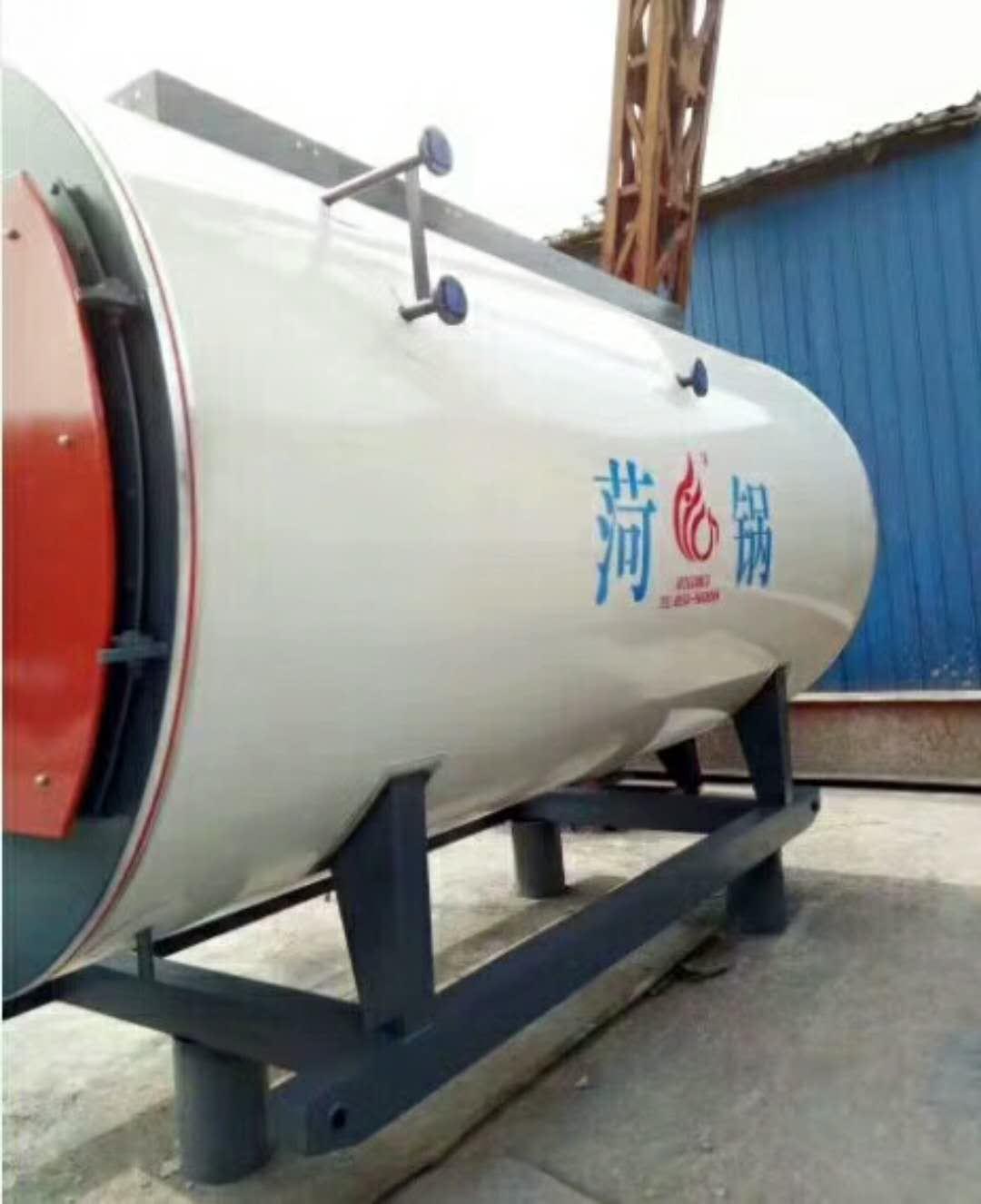

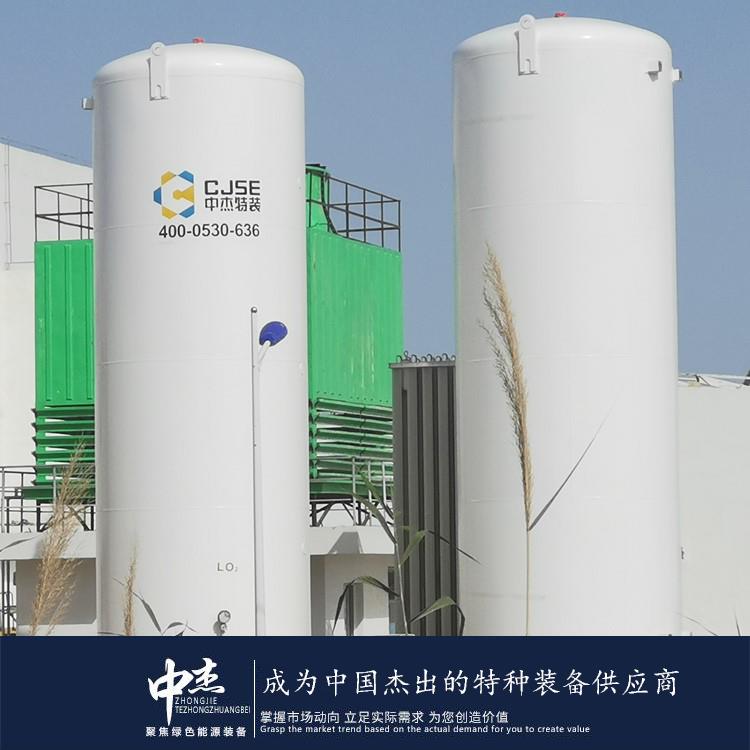
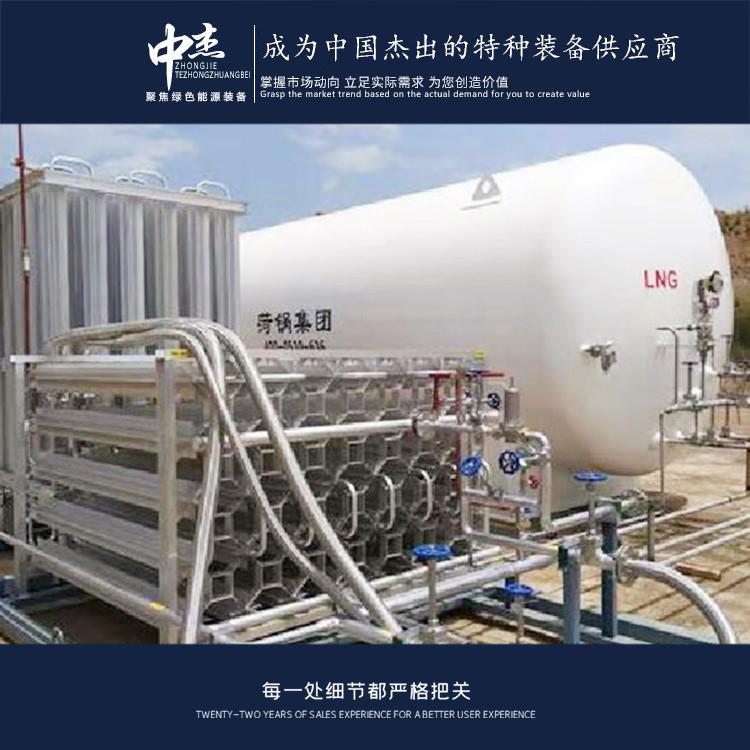


















Shandong Zhongjie Special Equipment Co., Ltd. (formerly Heze Boiler Factory Co., Ltd.) was established in 2001, located at No. 2218 Jinnan Road, Economic and Technological Development Zone, Heze City. With a registered capital of 50 million yuan and total assets of 500 million yuan, the company has 7 business centers: boilers, deep-freezing vessels, pressure vessels, central air conditioning, engineering installation, international trade, and Internet of Things. It has three factory sites on Jinnan Road, East Changjiang Road, and Bohai Road, covering a total of 200,000 square meters, with the main workshop area being 83,000 square meters. It currently employs 710 people, including 247 engineering and technical staff and 82 middle-level technical personnel. In December 2016, it was recognized as a "High-Tech Enterprise" by the Science and Technology Department. In June 2021, it was identified as a "Specialized and New Enterprise in Shandong Province" by the Department of Industry and Information Technology. In June 2022, it was recognized as a "Gazelle Enterprise in Shandong Province" and in August 2022, as a "Specialized and New Small Giant Enterprise" by the Ministry of Industry and Information Technology.
Carbon dioxide has several main applications in the battery industry: as a solvent in electrolytes: carbon dioxide can be one of the solvents in battery electrolytes. In certain types of batteries, carbon dioxide can be mixed with organic solvents to enhance the performance and stability of the electrolyte. protective gas during battery manufacturing: During the battery manufacturing process, carbon dioxide can be used as a protective gas. For example, during battery assembly and encapsulation, carbon dioxide can be used to replace air, preventing oxidation and corrosion of battery materials due to oxygen and moisture in the battery. improving battery performance: Carbon dioxide can improve battery performance by altering the atmosphere within the battery. For instance, by injecting carbon dioxide gas into the battery, pressure and temperature can be regulated, enhancing the battery's cycle life and safety performance. carbon dioxide capture and storage: The production of batteries generates carbon dioxide emissions. Carbon dioxide capture and storage technology can be used to reduce these emissions. By capturing and storing carbon dioxide, atmospheric emissions can be reduced, lowering environmental impact. It is important to note that the application of carbon dioxide in the battery industry is continuously evolving and being researched. With technological advancements and innovation, carbon dioxide's applications in the battery field may see more breakthroughs and developments.
In the event of a carbon dioxide tank leak, the following immediate measures should be taken:
Ensure Personnel Safety: First, ensure the rapid evacuation of personnel from the leak area and away from any potential dangers. If necessary, use appropriate personal protective equipment, such as respirators and protective suits.
Cut Off the Gas Supply: Quickly disconnect the carbon dioxide supply source to stop further leakage. Close the relevant valves or switches, or disconnect the tank.
Prevent Ignition Sources: Ensure there are no open flames or other potential heat sources that could cause a fire in the leak area. If there's a fire risk, take immediate appropriate fire-fighting measures.
Ventilation: Activate ventilation equipment to increase air circulation, which aids in diluting and expelling the leaked carbon dioxide gas. Ensure the ventilation equipment is functioning properly and that the ventilation system does not introduce the carbon dioxide gas into other areas.
Seal the Leak Point: If possible, attempt to seal the leak point using suitable materials or methods to reduce or stop the leakage. This may require assistance from personnel.
Notify Relevant Departments: Timely inform emergency, environmental protection departments, or related agencies about the leak situation and act according to their instructions.
Please note that handling a carbon dioxide tank leak is a hazardous task and should only be performed by trained and experienced personnel. Always follow relevant safety operation procedures and guidelines during the process.
When handling CO2 storage tanks, static electricity is a safety issue that needs attention. Here are some methods to avoid static electricity:
- Grounding: Ensure the tank and related equipment are properly grounded. Grounding releases static electricity to the ground, reducing the likelihood of static buildup. Use specialized grounding devices and grounding wires to ensure reliable grounding.
- Static-Discharge Equipment: Use static-discharge equipment such as static-free clothing, shoes, and gloves. These devices help eliminate or reduce static buildup and protect the safety of operators.
- Avoid Friction: Prevent friction during operation, especially when in contact with flammable or combustible gases. Friction generates static electricity, increasing the risk of fire or explosion.
- Control Humidity: Maintain an appropriate humidity level in the operating environment; higher humidity can reduce static generation and buildup. Use humidifiers or other humidity control devices to adjust the environmental humidity.
- Avoid Plastic or Rubber Materials: Plastic and rubber materials are prone to static electricity, so try to avoid using them during operation. Choose materials with good antistatic properties for handling.
- Static Eliminators: Use static eliminators to eliminate or reduce static buildup. Static eliminators neutralize static by releasing charges, reducing the dangers of static electricity.
- Tank Cleaning: Regularly clean the interior of the tank to remove accumulated impurities and dirt. Pay attention to preventing static generation and buildup during the cleaning process.
Note that the methods to avoid static electricity should be determined based on the specific operating environment and tank characteristics. During operation, follow relevant safety regulations and standards, and consult with experts if necessary.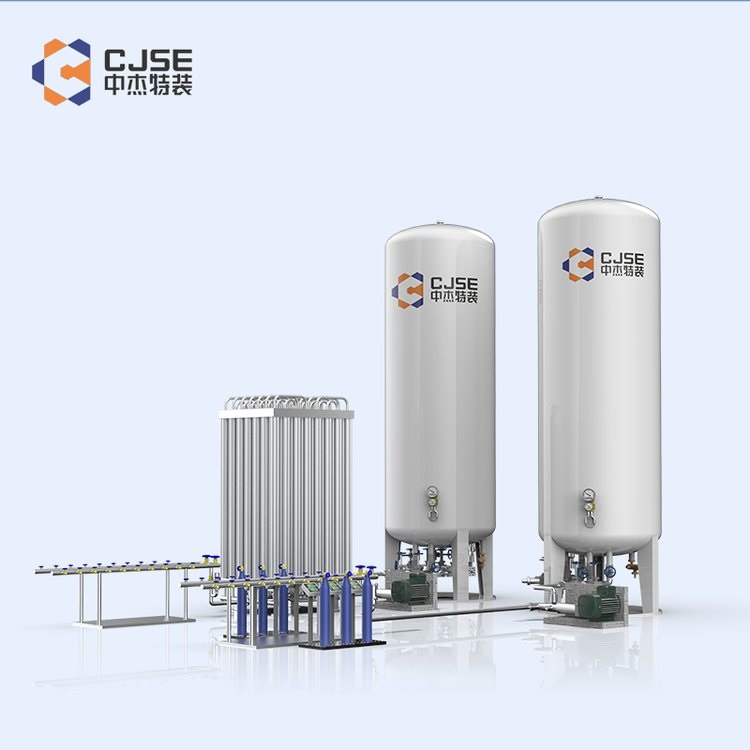
When using CO2 storage tanks, the following points should be noted:
- Safe Operation: When using CO2 storage tanks, it is mandatory to adhere to relevant safety operating procedures and standards. Operators should receive training to understand the tank's characteristics, operational requirements, and safety measures, and operate strictly according to the procedures.
- Tank Inspection: Regularly inspect the tank's appearance, seals, valves, and pipeline connections to ensure the tank's integrity and safety. If any anomalies or damage are found, repairs or replacements should be made promptly.
- Tank Pressure Control: The tank's pressure should be controlled within a safe range. Regularly inspect and calibrate pressure sensors and safety valves to ensure the proper operation of the pressure control system.
- Temperature Control: CO2 storage tanks typically require maintaining a low-temperature state. Ensure the proper operation of cooling equipment, and regularly inspect and calibrate temperature sensors to maintain appropriate storage temperatures.
- Leak Protection: CO2 is a gas that is prone to leakage, which can lead to safety risks and environmental pollution. Ensure the tank and pipeline seals are intact, and regularly inspect and replace sealing components, addressing any leaks promptly.
- Fire and Explosion Prevention: Avoid open flame work near the tank to prevent fire sources from contacting CO2. Maintain good ventilation around the tank to prevent CO2 accumulation.
- Waste Disposal: Disposed CO2 storage tanks or residues should be handled according to relevant regulations and standards. Adhere to environmental protection requirements to ensure the safe disposal of waste and environmental protection.
- Regular Maintenance: Conduct regular maintenance and inspections of the tanks, including cleaning and coating.
Our company places great emphasis on technological innovation and R&D, boasting one municipal-level enterprise technology center in Heze City. We have established testing facilities for non-destructive testing, physical and chemical testing, welding testing, hydrostatic testing, and more. We are equipped with over 600 instruments and equipment, including CNC machine tools, X-ray flaw detectors, digital ultrasonic flaw detectors, mechanical property testing machines, chemical analyzers, spectrometers, tensile testing machines, plasma welding machines, and more. The key products we have developed, such as temperature and pressure vessel welding, biomass boiler emission reduction, and waste heat utilization, have successively been selected for multiple Shandong Provincial Department of Industry and Information Technology science and technology projects, key provincial projects, and Heze City innovative and excellent projects. We have accumulated a total of 27 authorized utility model patents, 16 authorized invention patents, participated in drafting 2 standards, 2 industry standards, and registered 15 trademarks. Our technical team, in collaboration with Professor Yajiang Li of Shandong University, has jointly developed deep cryogenic container processing technology using the international plasma arc + filler wire tungsten inert gas arc welding (PAW-GTAW) technology. This technology has been appraised at the provincial level as reaching international standards in the field of deep cryogenic container manufacturing. Choose Zhongjie Special Equipment, and let's create brilliance together!
WeChat Official Account

Scan to follow Official Account



















