


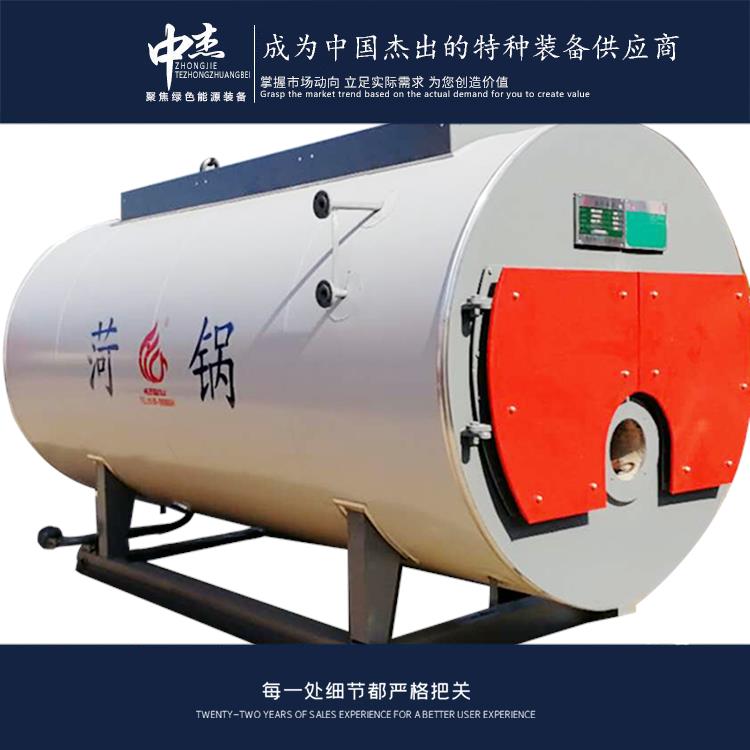

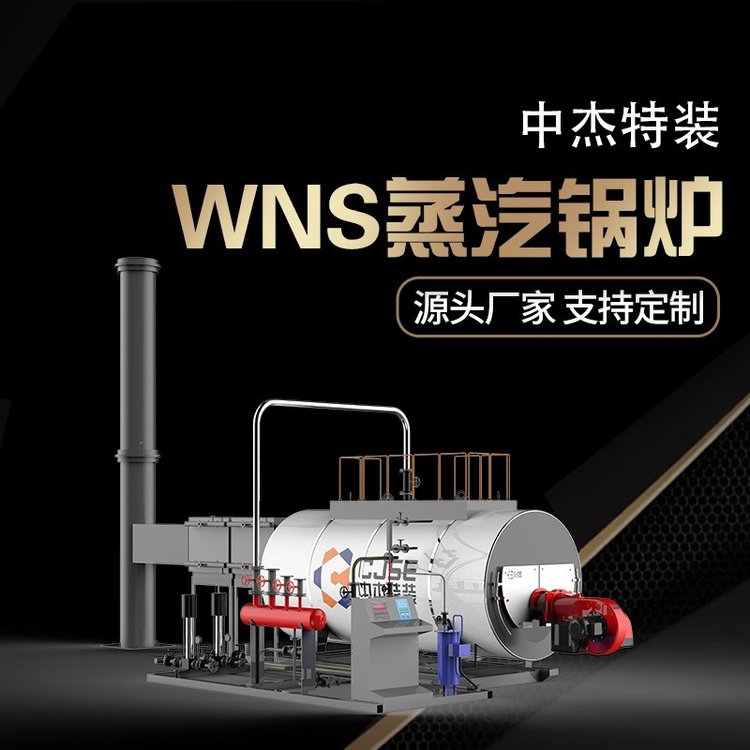
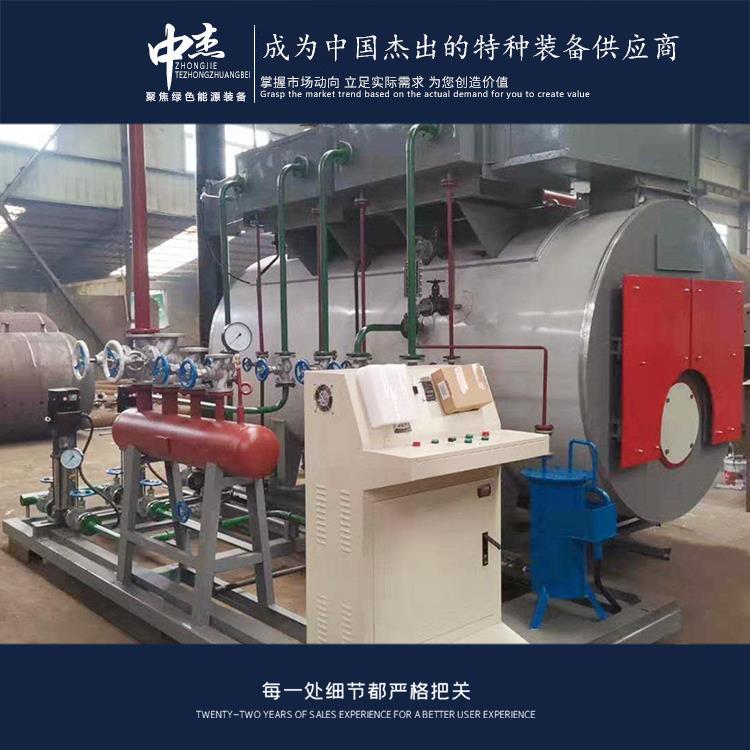


















Shandong Zhongjie Special Equipment's main products include: fuel (gas) boilers, organic heat carrier boilers, biomass boilers, waste heat recovery boilers, and other boiler products; vacuum insulation cryogenic pressure vessels such as LNG storage tanks, oxygen/nitrogen/argon storage tanks, and CO2 storage tanks; pressure vessel products like denitrification engineering equipment, heat storage and energy storage equipment, and complete chemical equipment sets; central air conditioning and ventilation equipment such as ground (water) source heat pumps, air source units, water-cooled screw units, and air-cooled modular units. Planned products include large-scale energy centers, LNG transport vehicles, LNG tank containers, and other green energy equipment.
Clean and environmentally friendly gas boilers offer several advantages:
- Low emissions: Gas combustion produces lower exhaust emissions, with fewer pollutants such as nitrogen oxides and particulates. Compared to coal or oil-fired boilers, gas boilers have lower emissions and cause less environmental pollution.
- High thermal efficiency: Gas combustion has a high thermal efficiency, fully utilizing the energy of the fuel and reducing energy waste. Compared to other traditional fuels like coal and oil, gas combustion is more efficient, providing more heat energy.
- Clean combustion: Gas combustion does not produce ash or dust, reducing the accumulation of carbon and dirt inside the boiler and in the flue. This reduces cleaning and maintenance work for the boiler, extending its lifespan.
- Stable combustion: The combustion performance of gas is stable, minimizing flame fluctuations and explosion risks during combustion. This makes gas boilers safer and more reliable in operation.
- Fast start and stop: Gas boilers have faster and more flexible start-up and shutdown processes compared to other fuels. This makes them suitable for applications requiring frequent start and stop, such as seasonal heating and hot water needs.
- Renewable energy integration: As a clean fuel, gas can be combined with renewable energy sources, such as solar hot water systems and biomass fuels. This integration can further enhance energy efficiency and environmental friendliness.
WNS Low-Nitrogen Condensing Hot Water Boilers offer the following advantages:
- Low Nitrogen Emissions: Utilizing low-nitrogen combustion technology, these boilers significantly reduce NOx emissions through optimized combustion processes and burner design. This aids in reducing environmental pollution.
- High Thermal Efficiency: Equipped with condensing technology, these boilers enhance energy utilization by recovering heat from flue gases. The thermal efficiency typically exceeds 90%, higher than traditional hot water boilers, contributing to energy savings and lower operating costs.
- Safety and Reliability: The control systems and safety devices in WNS Low-Nitrogen Condensing Hot Water Boilers ensure excellent safety performance. They come with multiple safety features like overheat protection, overpressure protection, and water level protection, which automatically monitor and control the boiler's operation for safe operation.
- Flexibility: Suitable for various applications such as industrial, commercial, and residential, these boilers can accommodate different thermal load demands, offering strong flexibility. They can also be integrated with other systems like solar hot water systems and ground-source heat pump systems to further improve energy efficiency.
- Easy Operation and Maintenance: The operation and maintenance of WNS Low-Nitrogen Condensing Hot Water Boilers are straightforward and user-friendly.
Properly utilizing fuel-gas boilers can enhance energy efficiency and reduce consumption. Here are some suggestions:
1. Select the right boiler model: Choose a suitable fuel-gas boiler model based on actual needs, considering factors like heat load, fuel type, and combustion efficiency.
2. Regular inspection and maintenance: Conduct regular checks and maintenance to ensure the boiler operates smoothly. This includes cleaning burners, inspecting the combustion system, adjusting parameters, and promptly repairing or replacing damaged parts.
3. Control the combustion process: Manage the combustion process to ensure it's thorough, stable, and efficient. Adjust burner parameters like air flow and fuel supply to boost efficiency and minimize waste.
4. Heat recovery: Utilize heat recovery systems to capture and reuse excess heat from flue gases, heating water or other processes, and improve energy efficiency.
5. Control operating parameters: Adjust boiler operating parameters like water level, pressure, and temperature based on actual needs and conditions. Avoid extremes to enhance efficiency and safety.
6. Regularly clean heat exchangers: Clean the boiler's heat exchangers regularly to remove dirt and deposits, maintaining their thermal conductivity and reducing energy loss.
7. Energy management: Establish an energy management system, monitor and analyze consumption, and develop reasonable usage plans and energy-saving measures. Scientific management can improve energy efficiency and reduce consumption.
These are common methods and suggestions, but specific applications should be determined based on actual conditions and boiler characteristics. Adhere to relevant laws, regulations, and safety procedures to ensure safe operation of fuel-gas boilers.
When addressing issues with gas boilers during the heating process, consider the following aspects:
- Check gas supply: Ensure the gas supply is normal, and inspect the gas pipes for blockages or leaks. If any issues are found, repair or replace the gas pipes promptly.
- Clean burners and combustion chambers: Regularly clean the burners and combustion chambers to remove soot and dirt. This improves combustion efficiency and reduces gas waste.
- Check and adjust the gas-to-air ratio: Ensure the gas-to-air ratio is appropriate for optimal combustion. An incorrect ratio can lead to incomplete combustion or excessive exhaust emissions.
- Inspect and clean heat exchangers: Regularly inspect and clean heat exchangers to remove soot and dirt. This enhances heat exchange efficiency and ensures heat is effectively transferred to the heating system.
- Check and maintain circulating pumps and valves: Ensure the circulating pumps and valves operate properly to allow smooth flow of hot water or steam into the heating system.
- Inspect and maintain the control system: Ensure the gas boiler's control system operates correctly, with accurate control of parameters such as temperature, pressure, and flow. If problems arise, repair or replace the controller promptly.
- Regular maintenance: Conduct regular maintenance on the gas boiler, including cleaning, lubricating, and tightening bolts. This extends the boiler's lifespan and reduces the occurrence of malfunctions.
- Training and awareness: Provide employee training to enhance awareness of operating and maintaining gas boilers. Improved knowledge and skills among employees help in managing and resolving issues during the heating process.
- If issues cannot be resolved or safety concerns arise:
Shandong Zhongjie Special Equipment, welcome customers to our factory for business discussions.
WeChat Official Account

Scan to follow Official Account



















