


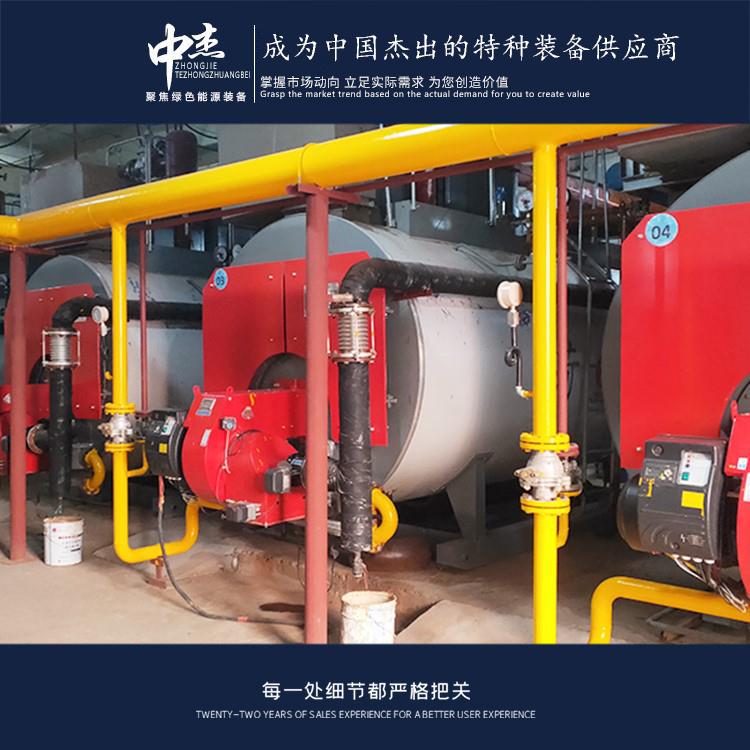

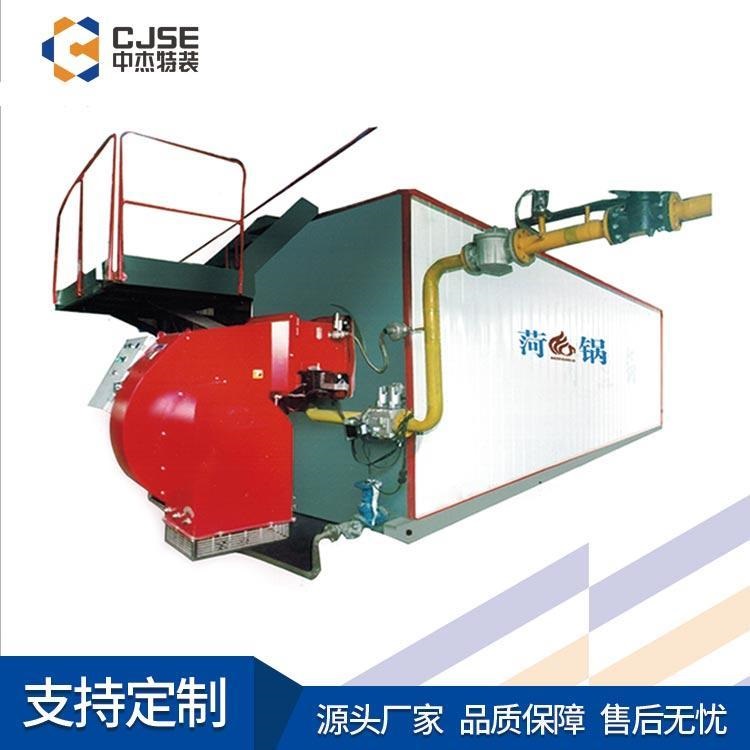
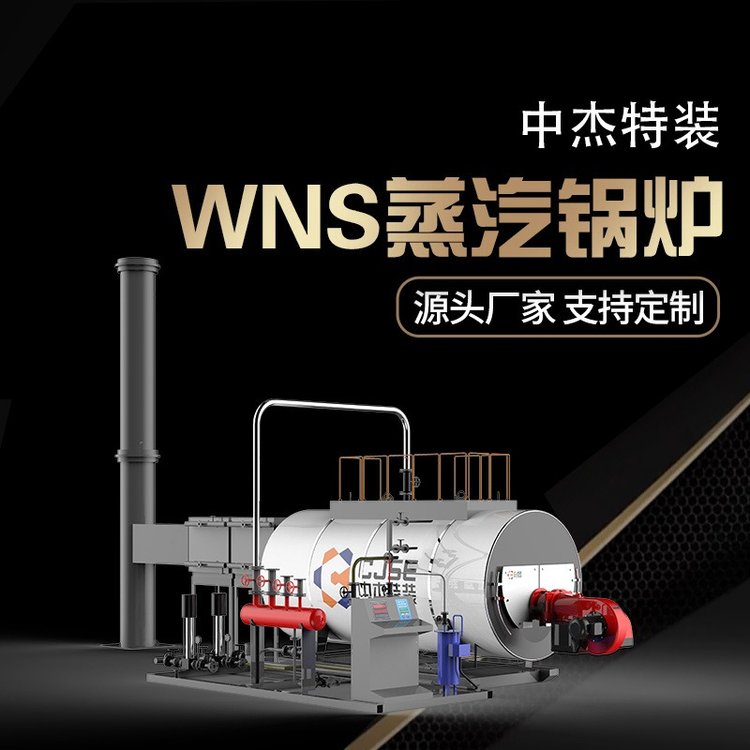


















Shandong Zhongjie Special Equipment Co., Ltd. (formerly Heze Boiler Factory Co., Ltd.) was established in 2001, located at No. 2218 Jinnan Road, Development Zone, Heze City. With a registered capital of 50 million yuan and total assets of 500 million yuan, the company has 7 business centers: boilers, deep-freezing vessels, pressure vessels, central air conditioning, engineering installation, international trade, and the Internet of Things. It operates three factories on Jinnan Road, East Changjiang Road, and Bohai Road, covering a total area of 200,000 square meters, with the main workshop spanning 83,000 square meters. It currently employs 710 staff, including 247 engineers and technicians, and 82 intermediate-level technical personnel. In December 2016, it was recognized as a "High-tech Enterprise" by the Science and Technology Department. In June 2021, it was named a "Specialized and New Enterprise in Shandong Province" by the Ministry of Industry and Information Technology. In June 2022, it was identified as a "Gazelle Enterprise in Shandong Province," and in August 2022, it was recognized as a "Specialized and New Small Giant Enterprise" by the Ministry of Industry and Information Technology.
Based on the provided information, I cannot accurately determine the heating area for a 40-ton gas-fired hot water boiler or the gas pressure for an atmospheric pressure gas boiler. Establishing these parameters requires considering multiple factors, including the boiler's design specifications, the type and quality of the gas, and the heating system's requirements. The heating area is typically calculated based on the size of the building or industrial production facility to be heated, along with the heat load. Common calculation methods include heat load calculations based on the building's floor area, the climate conditions of the region, and indoor temperature requirements. The gas pressure depends on the type of gas and the design of the gas supply system. Different types of gas (such as natural gas, etc.) have different pressure requirements. The gas pressure also needs to consider factors like the distance of the gas pipeline, pipeline diameter, and pipeline material. Therefore, to accurately determine the heating area for the 40-ton gas-fired hot water boiler and the gas pressure for the atmospheric pressure gas boiler, it is recommended to consult the boiler manufacturer or engineer, who can calculate and design based on the specific situation.
To reduce the heat loss of gas-fired boilers, the following measures can be taken:
1. Enhance Insulation: Insulate the outer shell and pipes of the gas-fired boiler to minimize heat loss. Use insulating materials such as rock wool and glass wool to wrap the boiler and pipes.
2. Install Heat Recovery Devices: Install heat recovery units in the flue of the gas-fired boiler to utilize the residual heat in the flue gases for energy recovery. This improves thermal efficiency and reduces heat loss.
3. Control Combustion Process: Properly control the combustion process to ensure complete, stable, and efficient combustion. Adjust the parameters of the burner, such as air flow and gas supply, to enhance combustion efficiency and reduce heat loss.
4. Clean Heat Exchangers: Regularly clean the heat exchangers of the gas-fired boiler to remove dirt and deposits on the surface. This maintains the heat transfer efficiency of the heat exchangers and reduces heat loss.
5. Control Flue Gas Temperature: Reasonably control the flue gas temperature of the gas-fired boiler to avoid excessive temperatures that lead to significant heat loss. This can be achieved by adjusting burner parameters and flue design.
6. Regular Inspection and Maintenance: Regularly inspect and maintain the gas-fired boiler to ensure proper operation. This includes checking the combustion system, water level control, and safety valves, and promptly repairing or replacing damaged components.
7. Utilize Waste Heat: Use the excess heat generated by the gas-fired boiler for other processes requiring heat, such as water heating and heating systems. By utilizing waste heat, reduce energy waste and improve energy efficiency.
Through these measures, heat loss of gas-fired boilers can be effectively reduced, energy utilization efficiency can be increased, and energy consumption can be decreased.
Steam boiler equipment water treatment refers to the process of treating water in steam boilers to ensure normal boiler operation and extend the lifespan of the equipment. Here are the basic knowledge points regarding steam boiler equipment water treatment:
Water Quality Requirements: The water quality in steam boilers is of high standard, usually requiring the removal of impurities, dissolved oxygen, and hard substances. Impurities and hard substances can lead to scaling and corrosion on the inside walls of the boiler, while dissolved oxygen can cause corrosion and the formation of bubbles.
Removal of Impurities: Common methods for removing impurities from water include sedimentation, filtration, and ion exchange. Sedimentation involves adding chemicals to make impurities settle, filtration removes impurities through a filtering medium, and ion exchange uses resins to adsorb and exchange ions to eliminate impurities from the water.
Adjusting Hardness: The hardness substances in water are mainly calcium and magnesium salts, which can cause scaling on the inside walls of the boiler. Hardness can be adjusted by adding chemicals or using water softening equipment to prevent scaling issues.
Removal of Dissolved Oxygen: Dissolved oxygen can cause corrosion and bubble formation, which can be removed by adding oxidants or using oxygen removal equipment.
pH Control: The pH value of the water in steam boilers affects corrosion and scaling of the equipment. It is usually necessary to maintain the water's pH within an appropriate range, using buffers or regulators to adjust the pH value.
Regular Testing and Maintenance: Regular water quality testing of the steam boiler equipment should be conducted, including measuring the hardness, dissolved oxygen, and pH of the water, and implementing corresponding water treatment measures and maintenance based on the test results.
Steam boiler equipment water treatment is a crucial step in ensuring normal boiler operation and extending the lifespan of the equipment. Proper water treatment measures can effectively prevent scaling, corrosion, and equipment failures inside the boiler.
When selecting a steam boiler, several key factors should be taken into account:
- Steam Demand: First, determine the steam requirements of the factory or project, including steam pressure, flow rate, and quality. Choose the appropriate boiler model and specifications based on actual needs to ensure they meet the process and production requirements.
- Boiler Type: There are various types of steam boilers, such as fire-tube boilers, water-tube boilers, and gas boilers. Select the suitable boiler type based on the factory's actual conditions and needs. Also, consider the fuel type of the boiler, such as coal, gas, or biomass, and choose a fuel type that complies with the factory's energy supply and environmental protection requirements.
- Boiler Efficiency: The efficiency of the boiler directly affects energy utilization efficiency and operating costs. Understand the boiler's thermal and combustion efficiency and choose a steam boiler with higher efficiency to reduce energy consumption and operating costs.
- Quality and Reputation: Choose a supplier with a good reputation to ensure the quality and reliability of the steam boiler. Refer to customer reviews, industry certifications, and ratings to understand the supplier's reputation and product quality.
- Technical Support and After-Sales Service: Select a supplier that can provide comprehensive technical support and after-sales service. Ensure the supplier can offer installation guidance, training, maintenance, and troubleshooting support to ensure the normal operation and maintenance of the steam boiler.
- Cost and Budget: Finally, select a steam boiler that meets your budget based on economic considerations. Consider the purchase cost, operating cost, and maintenance cost to choose a steam boiler with a high cost-performance ratio.
It's important to note that the above factors are just some of the key considerations when purchasing a steam boiler. The specific choice should be determined based on the actual conditions and needs of the factory. It is recommended to communicate and compare with multiple suppliers to gather more information and advice for an informed decision.
Zhong Jie Special Equipment upholds the great vision of "realizing the dreams of our employees, creating value for our customers, and striving for the prosperity and strength of our motherland," wholeheartedly dedicated to the development of the green energy equipment industry, contributing to society with high-value products and services!
WeChat Official Account

Scan to follow Official Account



















