


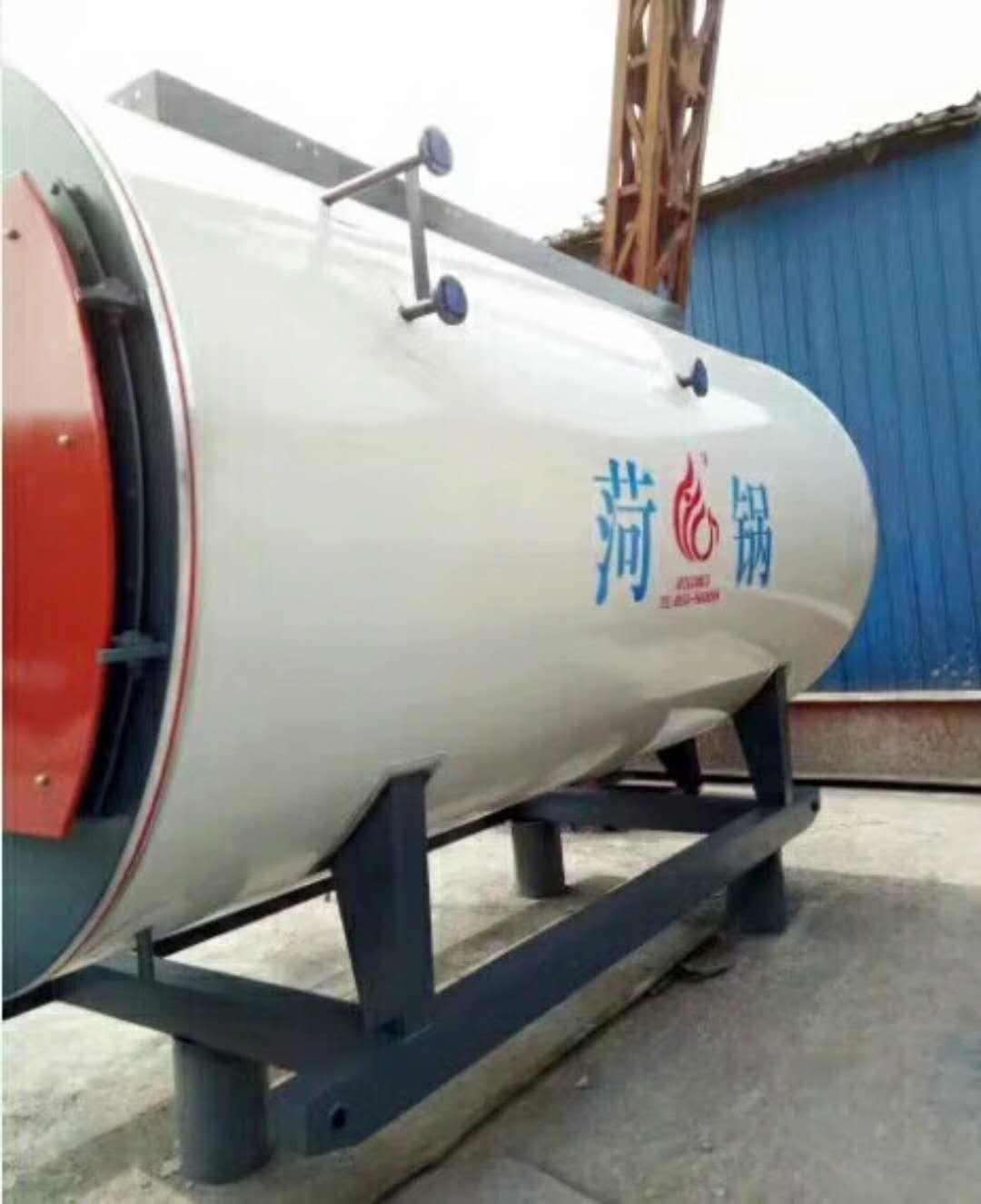

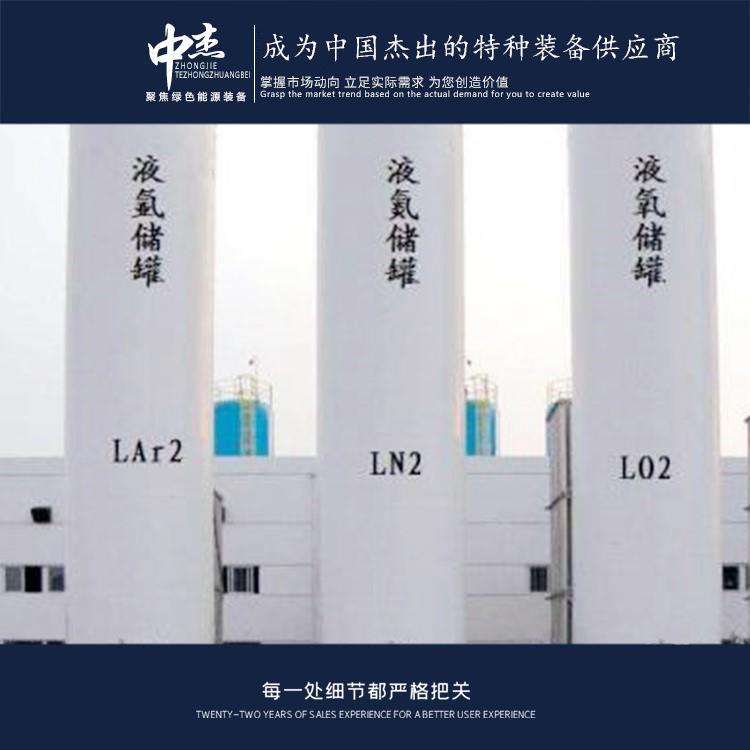


















Shandong Zhongjie Special Equipment (formerly Heze Boiler Factory Co., Ltd.) holds an A-grade boiler manufacturing license, A2-grade pressure vessel manufacturing license, A2-grade pressure vessel design license, B-grade boiler installation license, and GB2/Class, GC2/Class pressure pipeline installation license, as well as equipment and mechanical installation contracting qualifications. It is a member of the China Boiler and Water Treatment Association, the China Chemical Equipment Association, and the director unit of the Shandong Equipment Manufacturing Association, and has passed certifications for the ISO9001 Quality Management System, ISO14001 Environmental Management System, OHSAS18001 Occupational Health and Safety Management System, and the U.S. ASME/U2 certification.
When initially using a liquid nitrogen tank, there are some precautions to consider for safe and efficient operation. Here are some suggested precautions:
Safe Operation: Liquid nitrogen is a low-temperature liquid with strong refrigerating and asphyxiating effects. When handling liquid nitrogen tanks, appropriate personal protective equipment, such as insulated gloves and protective suits, must be worn. Avoid direct contact with liquid nitrogen to prevent injury or other harm.
Ventilation Environment: Liquid nitrogen, upon evaporation, produces a large volume of gas that may displace other gases, potentially lowering the oxygen content in the air. Therefore, when using liquid nitrogen tanks, it is crucial to ensure that the operating area is well-ventilated to prevent oxygen deficiency.
Tank Inspection: Prior to the first use of the liquid nitrogen tank, a thorough visual and seal inspection should be conducted. Ensure there are no visible damages, leaks, or other safety hazards. In case of any issues, they should be promptly repaired or the tank replaced.
Tank Filling: Prior to the first use of a liquid nitrogen tank, it is necessary to fill it with liquid nitrogen. During the filling process, adhere to proper operational steps and safety protocols to ensure a safe and reliable filling. Additionally, be mindful to control the filling speed and pressure to avoid excessive tank pressure and temperature rise.
Labeling and Record Keeping: Prior to the initial use of a liquid nitrogen tank, relevant information should be labeled on the tank, such as the storage medium, capacity, manufacturing date, etc. It is also recommended to establish a tank usage record, including filling dates, filling quantities, usage details, etc., for future traceability and management.
Note that the use of liquid nitrogen tanks involves safety risks such as low temperatures and high pressures. Operators should receive training and strictly adhere to the relevant operating procedures and safety measures. If unfamiliar with the operation or have doubts, it is recommended to consult with individuals or relevant institutions for guidance.
Routine inspections and maintenance of liquid oxygen storage tanks are crucial for ensuring their safe operation. The following are general steps for the daily inspection and maintenance of liquid oxygen storage tanks:
Appearance Inspection: Regularly inspect the exterior of the tank, including the shell, welds, valves, and fittings. Pay attention to any abnormalities such as cracks, corrosion, or deformation.
Leak Detection: Utilize appropriate leak detection equipment to inspect for leaks in tanks and connections. Leak detection can be conducted using methods such as gas detectors or liquid oxygen detection agents.
Pressure Testing: Conduct regular pressure tests to check the tank's sealing and pressure resistance. Perform pressure tests in accordance with relevant standards and regulations, and record the test results.
Valve and Fitting Inspection: Check that the tank's valves and fittings are functioning properly and for any signs of loosening or damage. Ensure the valves operate smoothly and reliably.
Insulation Layer Inspection: Check if the insulation layer of the tank is intact without any damage or detachment. Repair or replace any damaged insulation material to ensure the insulation effect.
Cleaning and Drainage: Regularly clean the interior of the tank to remove accumulated impurities and dirt. Regularly drain to prevent the impurities and sediments in liquid oxygen from damaging the tank.
Safety Equipment Inspection: Check the safety equipment around the storage tank, such as fire separation areas and alarm systems, to ensure they are functioning properly.
Record and Document Management: Document the results of each inspection and maintenance, including the inspection date, content, identified issues, and corrective measures. Establish comprehensive management records and documents for tracking and managing the tank's operational status.
Note that inspections and maintenance of liquid oxygen tanks should be conducted by trained personnel and in accordance with relevant specifications and standards. Ensure safety during maintenance and operation, and consult experts for accurate guidance.
The leak treatment methods for liquid argon storage tanks mainly include the following steps:
Identified Air Leaks: Detected through odors, gas detection equipment, or abnormal pressure in liquid argon storage tanks, air leaks in the liquid argon storage tanks have been identified.
Confirm air leakage location: Use gas detection equipment or foam leak detection agents, etc., to pinpoint the exact location of the air leakage. Check tank interfaces, valves, pipe connections, and other areas to locate the air leakage points.
Seal air leak sources: Take appropriate measures to stop air leaks based on their location. For instance, for leaks at junctions, inspect and adjust sealing washers or tighten bolts; for valve leaks, check and replace gaskets.
Isolate Air Leaks: During the process of dealing with air leaks, it is necessary to isolate the leaky areas to ensure personnel safety. Set up warning signs, restrict access to the area, and take necessary protective measures, such as wearing protective masks, gloves, etc.
Emptying liquid argon: If a leak cannot be repaired immediately or the leak rate is significant, consider emptying the liquid argon. By gradually reducing the pressure inside the storage tank, the liquid argon can be converted to gas, reducing the risk of leakage.
Ventilation Treatment: During the air leakage treatment process, ensure adequate ventilation and promptly exhaust the gases produced by the evaporation of liquid argon. This can be achieved through natural ventilation or by using ventilation equipment to expel the evaporated gas of liquid argon outside.
Safety Assessment and Repair: After completing the air leakage treatment, conduct a safety assessment to ensure the tank's safety. Based on the assessment results, carry out necessary repairs and maintenance to prevent recurrence of air leakage.
Note that liquid argon is a low-temperature liquid with a low boiling and freezing point. Caution is required when dealing with leaks to avoid contact that could cause coldness. When handling a leak in a liquid argon storage tank, it should be operated by personnel and follow the relevant safety operating procedures and standards.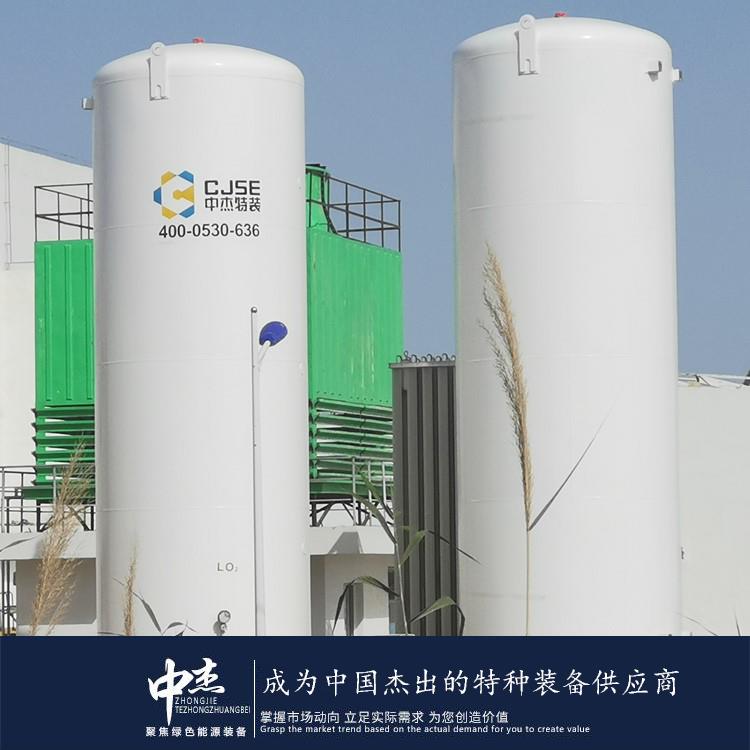
The operational and protective procedures for the use of low-temperature liquid nitrogen storage tanks should include the following:
Staff Training: All operators must undergo safety training for liquid nitrogen storage tanks, understanding the properties, hazards, and proper operation methods as well as emergency response procedures.
Protective Gear: Operators must wear appropriate protective gear, including gloves, protective suits, and non-slip shoes, to safeguard themselves from the low temperatures of liquid nitrogen and other hazards.
Ventilation Requirements: Adequate ventilation must be ensured in the operational area of the liquid nitrogen storage tank to exhaust gases produced by the evaporation of liquid nitrogen. Avoid excessive oxygen concentration to minimize the risk of fire and explosion.
Leakage Control: Tanks must be equipped with leak detection and alarm systems to promptly detect and control the leakage of liquid nitrogen. In the event of a leak, immediate action should be taken to contain the source of the leak and to make repairs.
Fire Prevention Measures: Nitrogen liquid has a low boiling and freezing point, which is prone to fire. To prevent and contain fires, firewalls and fire-retardant coatings should be installed around nitrogen liquid storage tanks.
Static protection: The accumulation of static electricity in liquid nitrogen tanks may cause sparks, increasing the risk of fire. Measures such as using static-conductive materials and anti-static equipment should be taken to reduce the accumulation and release of static electricity.
Regular Inspections and Maintenance: Conduct regular checks on the condition of liquid nitrogen tanks and associated equipment, including valves, pipes, pressure gauges, etc. Ensure that the equipment is in good condition without damage, and promptly repair or replace any damaged parts.
Waste Gas Treatment: Liquid nitrogen tanks generate waste gas during operation, which requires appropriate waste gas treatment measures to prevent harm to the environment and human health.
Emergency Response Plan: Develop an emergency response plan for liquid nitrogen tanks, including procedures for handling leaks, emergency rescue measures, and the process for notifying relevant departments. Operators
Shandong Zhongjie Special Equipment, welcome customers to our factory for business discussions.
WeChat Official Account

Scan to follow Official Account



















