


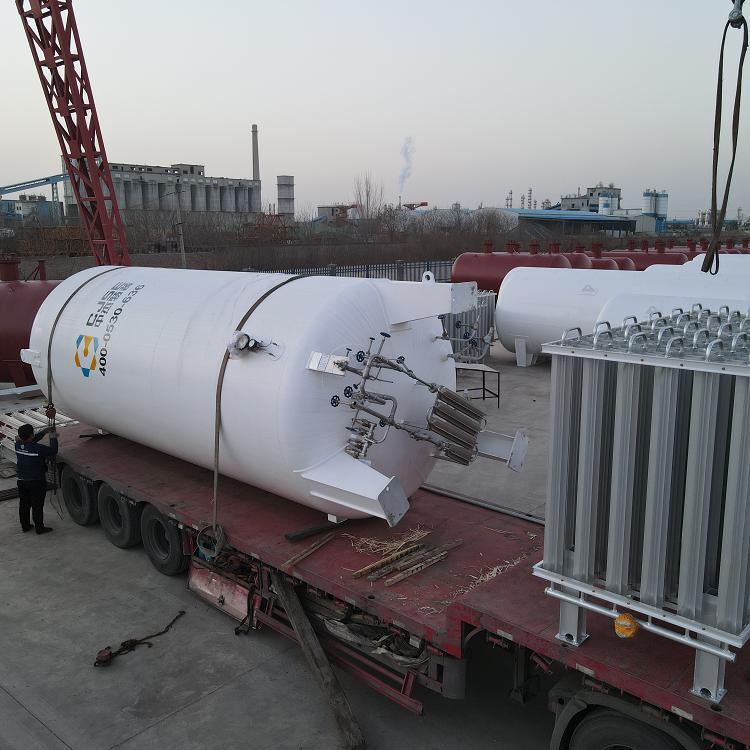

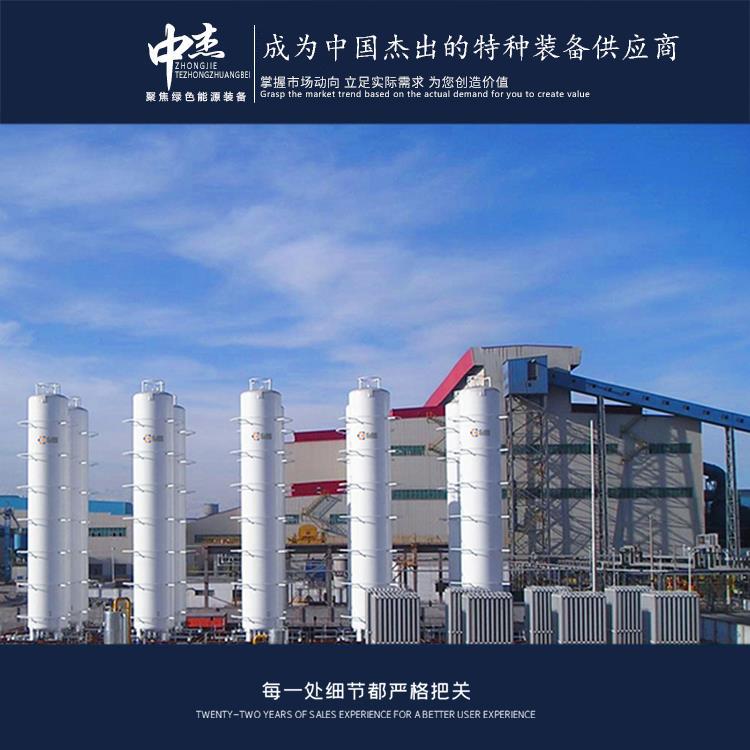


















Shandong Zhongjie Special Equipment (formerly Heze Boiler Factory Co., Ltd.) was established in 2001, located at No. 2218 Jinnan Road, Economic and Technological Development Zone, Heze City. With a registered capital of 50 million yuan and total assets of 500 million yuan, the company has 7 business centers: boilers, deep-freezing vessels, pressure vessels, central air conditioning, engineering installation, international trade, and the Internet of Things. It has three manufacturing sites on Jinnan Road, East Changjiang Road, and Bohai Road, covering a total area of 200,000 square meters, with the main workshop spanning 83,000 square meters. It currently employs 710 staff, including 247 engineers and technicians, and 82 intermediate-level technicians. In December 2016, it was recognized as a "High-Tech Enterprise" by the Science and Technology Department. In June 2021, it was identified as a "Specialized and New Enterprise in Shandong Province" by the Department of Industry and Information Technology. In June 2022, it was recognized as a "Gazelle Enterprise in Shandong Province" and in August 2022, it was identified as a "Specialized and New Small Giant Enterprise" by the Ministry of Industry and Information Technology.
For the maintenance and care of low-temperature liquid storage tanks, here are some tips and precautions:
- Regular Inspections: Conduct regular checks of the tank's exterior, internal linings, valves, and pipe connections. Be mindful of signs of corrosion, cracks, or oil leaks.
- Cleaning and Draining: Regularly clean the interior of the tank to remove accumulated debris and sediment. Also, regularly drain the tank to remove liquid and gas impurities.
- Corrosion Prevention: The outer shell and internal lining of low-temperature liquid storage tanks should be treated with corrosion prevention. Regularly inspect and maintain the integrity of the protective coating or paint to ensure effectiveness.
- Temperature and Pressure Control: Maintain the tank's temperature and pressure within the design specifications. Avoid extremes that could damage the tank.
- Safety Equipment Checks: Inspect the tank's safety equipment, such as safety valves, pressure and temperature sensors, to ensure they are functioning properly. Verify that their set parameters meet requirements.
- Level Measurement System Maintenance: Regularly check and calibrate the level measurement system to ensure accuracy and reliability. Clean or replace level sensors as needed.
- Fire Prevention Measures: Fire prevention is crucial for low-temperature liquid storage tanks. Ensure that fire protection equipment around the tank is in good condition and conduct regular fire drills.
- Regular Assessments and Monitoring: Regularly assess and monitor the tank, including structural integrity, corrosion, and safety. Take appropriate maintenance and repair actions based on assessment results.
- Operator Training: Operators should be trained to understand the characteristics, operation requirements, and safety measures of low-temperature liquid storage tanks. Training should include safe operation, leak management, and emergency procedures.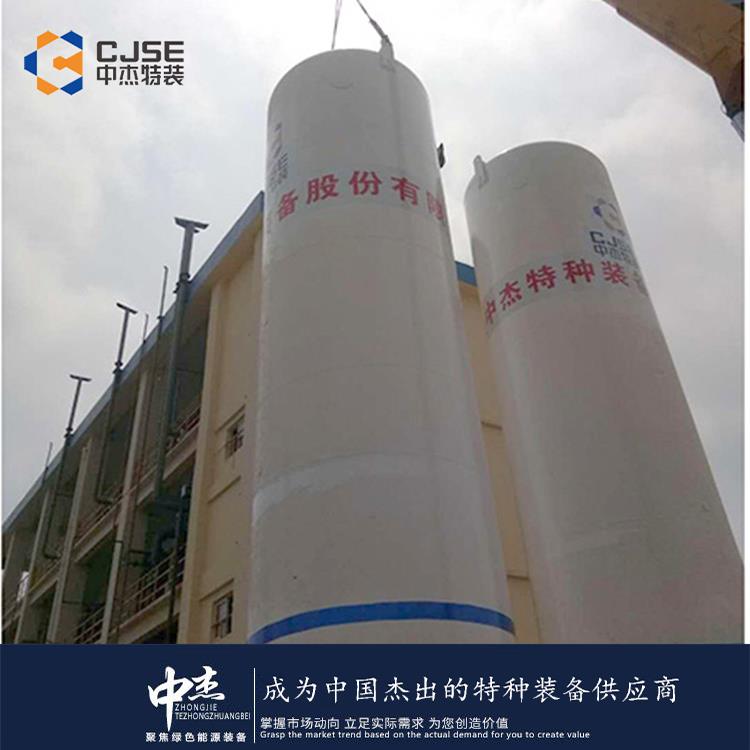
When using carbon dioxide tanks, the following points should be noted:
Safety Operation: Prior to operating a carbon dioxide tank, it is mandatory to be familiar with and adhere to the relevant safety operating procedures and guidelines. Ensure that operators have received necessary training and understand the tank's working principle, operational procedures, and emergency measures.
Tank Inspection: Regularly inspect the external and internal conditions of the carbon dioxide tank, including checking for corrosion, leaks, and welds on the tank walls. If any abnormalities or damage are found, take immediate corrective or replacement actions.
Tank Pressure Control: Maintain the internal pressure of the tank within a safe range. Monitor and control the tank's pressure to avoid damage or safety risks from excessive or low pressure.
Fire Prevention Measures: Carbon dioxide is a flammable gas, and fire prevention measures must be observed during use. Avoid open flame work near the tank and ensure there are no flames in the surrounding environment.
Leakage Handling: In the event of a carbon dioxide leak, appropriate emergency measures should be taken immediately. Quickly notify relevant personnel, ensure a safe evacuation, and take actions to prevent the spread of the leak.
Tank Maintenance: Regularly perform maintenance and upkeep on the tank, including cleaning, lubrication, and corrosion prevention. Follow the manufacturer's recommendations and guidelines to ensure the tank operates normally and has a long service life.
Compliance: Adhere to local regulations, standards, and specifications to ensure the tank's design, manufacturing, installation, and use meet the corresponding requirements.
It is crucial to strictly follow safety operating procedures when using carbon dioxide tanks and to cooperate with relevant personnel to ensure the tank's safety and reliability.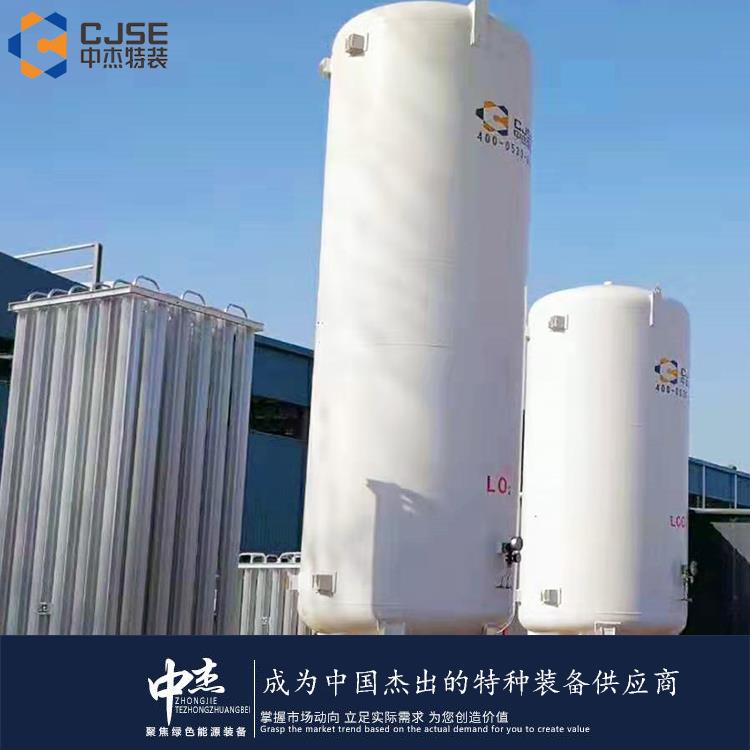
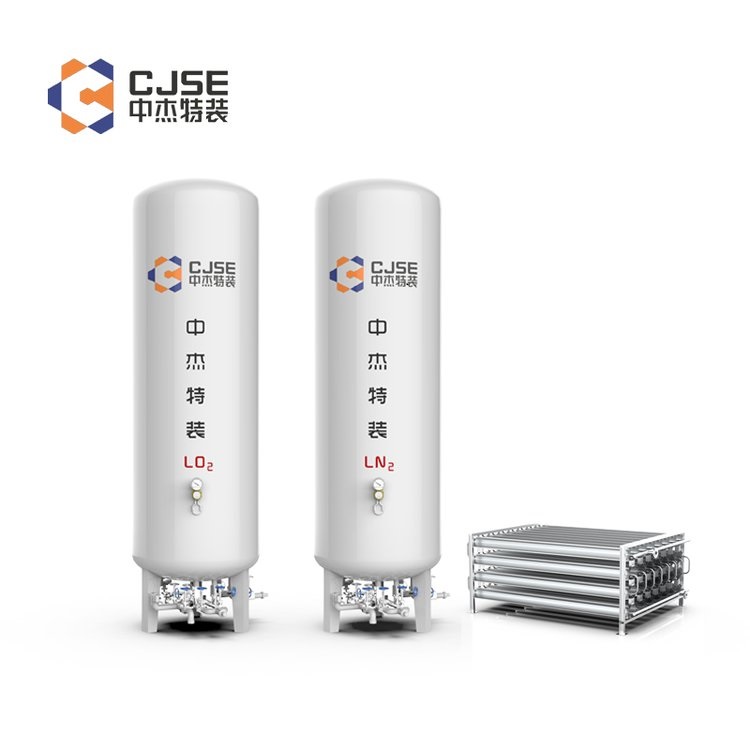
Carbon dioxide storage tanks are equipment used for storing and supplying carbon dioxide gas. The parameters, functions, and features are as follows:
Parameters:
- Capacity: The capacity of the carbon dioxide storage tank can be customized to meet demand, typically expressed in the volume of liquid carbon dioxide, such as kiloliters or cubic meters.
- Pressure: The internal pressure of the tank is usually controlled within a safe range to ensure the safety of storage and supply.
- Temperature: The carbon dioxide storage tank typically needs to be maintained at low temperatures to maintain the liquid state of carbon dioxide.
Functions:
- Storage: The carbon dioxide storage tank can compress carbon dioxide gas into a liquid, achieving high-density storage, saving space and costs.
- Supply: The carbon dioxide inside the tank can be supplied to the required fields through pipelines or other methods, such as the food and beverage industry, fire protection, and extinguishing.
Features:
- Environmental and Renewable: Carbon dioxide is an environmentally friendly gas. By storing and utilizing carbon dioxide, the amount emitted into the atmosphere can be reduced, achieving environmental protection and sustainable development.
- Safe and Reliable: During the design and manufacturing process, high-strength materials are usually used in carbon dioxide storage tanks, which have good pressure resistance and safety. The tank is equipped with safety valves, pressure gauges, and other accessories to ensure safe operation.
- Multiple Application Fields: Carbon dioxide storage tanks are widely used in the food and beverage industry, fire protection, and other fields. Carbon dioxide can be used as a food preservative, beverage effervescent agent, gas, extinguishing agent, etc., with extensive applications and market demand.
In summary, carbon dioxide storage tanks have characteristics such as high-density storage, safety and reliability, environmental and renewable, and multiple application fields, making them an important equipment for storing and supplying carbon dioxide gas.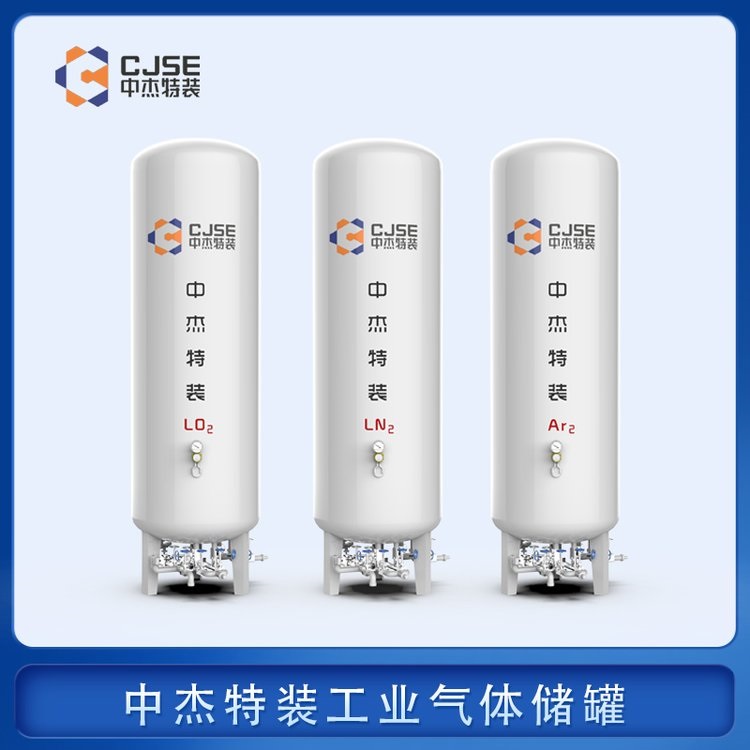
In recent years, the expansion of low-temperature liquid storage tanks has reached its peak due to several factors:
- Increased energy demand: As the economy grows and the population expands, there's a rising need for energy. Low-temperature liquid storage tanks are primarily used for storing liquefied natural gas (LNG), liquid oxygen (LOX), and liquid nitrogen (LIN) to meet the growing energy requirements.
- Reduction of greenhouse gas emissions: These tanks can store and transport liquid carbon dioxide (CO2), used in carbon capture and storage (CCS) technology to decrease greenhouse gas emissions. With heightened concern for environmental protection and climate change, the demand for low-temperature liquid storage tanks in the CCS field has also increased.
- Industrial development needs: The application of low-temperature liquid storage tanks in the industrial sector is also on the rise. For instance, in industries like chemicals, pharmaceuticals, food and beverages, there's a need for storing and transporting low-temperature liquid raw materials or products such as liquid nitrogen, liquid oxygen, and liquid ethylene. As these industries grow, so does the demand for low-temperature liquid storage tanks.
- Technological advancement and innovation: In recent years, there have been continuous advancements and innovations in the design, manufacturing, and transportation of low-temperature liquid storage tanks. The application of new materials, optimization of tank structures, and improvements in safety control systems have made these tanks safer and more reliable, further propelling their expansion to a peak.
In summary, factors such as increased energy demand, the need for greenhouse gas reduction, industrial development, and technological advancements and innovations have collectively driven the peak expansion of low-temperature liquid storage tanks in recent years. As related industries develop and technology progresses,
Our company highly values technological innovation and R&D, boasting one municipal-level enterprise technology center in Heze City. We have established testing facilities for non-destructive testing, physical and chemical testing, welding testing, hydrostatic testing, and more. We are equipped with over 600 units of various instruments and equipment, including CNC machines, X-ray flaw detectors, digital ultrasonic flaw detectors, mechanical property testing machines, chemical analyzers, spectrometers, tensile testing machines, plasma welding machines, and more. Our key products such as temperature and pressure vessel welding, biomass boiler emission reduction, and waste heat recovery have successively been selected for multiple Shandong Provincial Department of Industry and Information Technology science and technology innovation projects, key projects in Shandong Province, and Heze City innovative excellence projects. We have accumulated 27 authorized utility model patents, 16 authorized invention patents, participated in drafting 2 standards, 2 industry standards, and registered 15 trademarks. Our technical team, in collaboration with Professor Yajiang Li from Shandong University, has developed deep cryogenic container processing technology using the international plasma arc + filler wire argon arc welding (PAW-GTAW) technology, which has been appraised as an international-level technology in the field of deep cryogenic container manufacturing at the provincial level. Choose Zhongjietech, let's create brilliance together!
WeChat Official Account

Scan to follow Official Account



















