


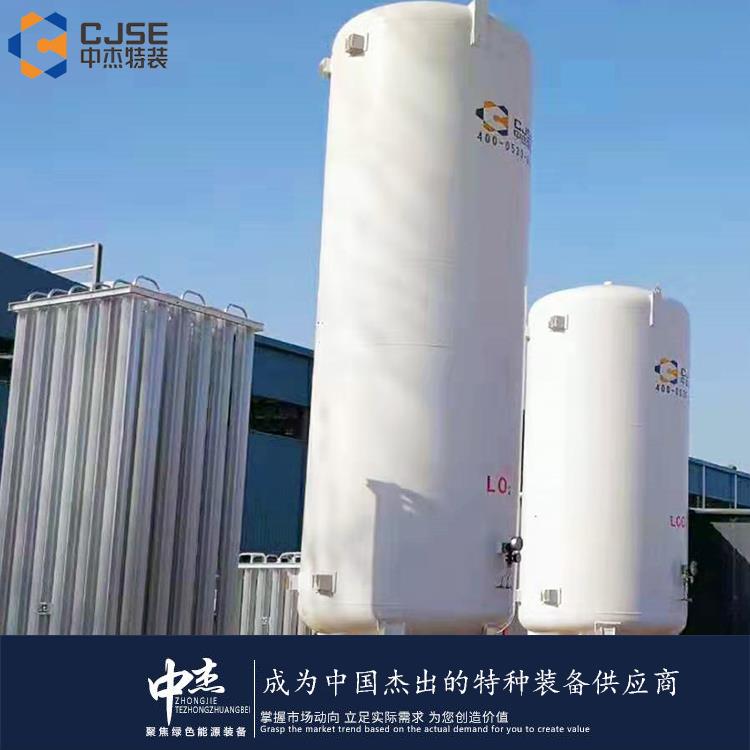

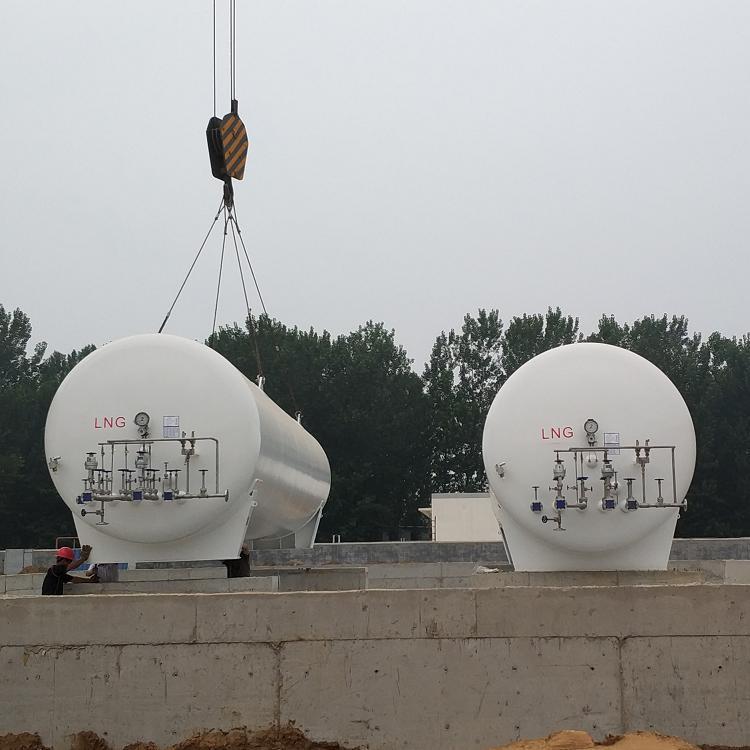
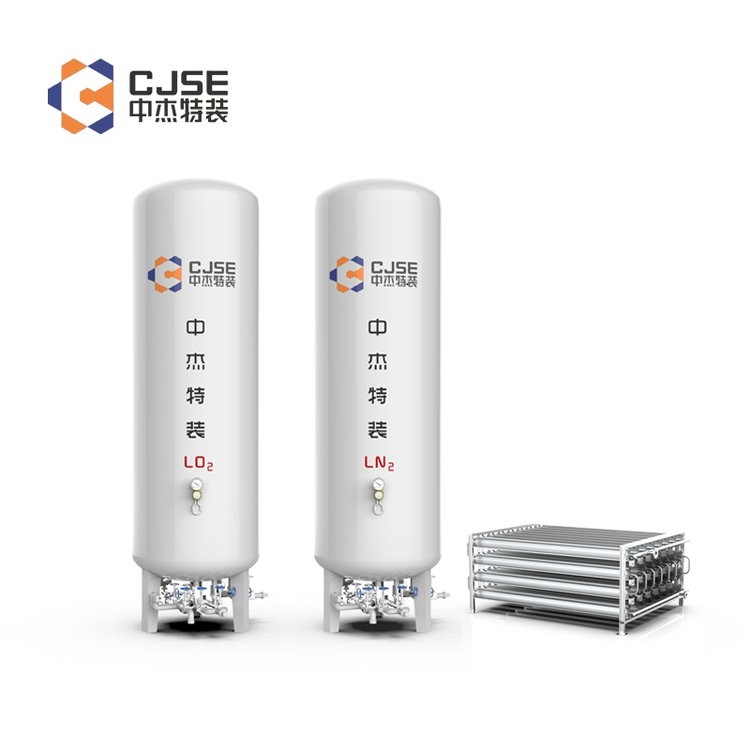


















Shandong Zhongjie Special Equipment (formerly Heze Boiler Factory Co., Ltd.) was established in 2001, located at No. 2218 Jinnan Road, Economic and Technological Development Zone, Heze City. With a registered capital of 50 million yuan and total assets of 500 million yuan, the company has seven business centers: boilers, deep-freeze containers, pressure vessels, central air conditioning, engineering installation, international trade, and the Internet of Things. It has three factory sites on Jinnan Road, East Changjiang Road, and Bohai Road, covering a total of 200,000 square meters. The main workshop spans 83,000 square meters. It currently employs 710 staff, including 247 engineers and technicians and 82 intermediate-level professionals. In December 2016, it was recognized as a "High-tech Enterprise" by the Science and Technology Department. In June 2021, it was identified as a "Specialized and New Enterprise in Shandong Province" by the Department of Industry and Information Technology. In June 2022, it was recognized as a "Gazelle Enterprise in Shandong Province" and in August 2022, it was identified as a "Specialized and New Small Giant Enterprise" by the Ministry of Industry and Information Technology.
Low-temperature liquid storage tanks are equipment designed for storing low-temperature liquids, commonly used for liquid oxygen, liquid nitrogen, liquid argon, and other low-temperature liquids. These liquids exist in a gaseous state at room temperature but are cooled to a liquid state under low temperatures for easier storage and use. These tanks are typically made from high-strength materials like stainless steel or aluminum alloys to withstand low temperatures and high pressures. They often feature an insulating layer to minimize evaporation and maintain low temperatures. Applications of low-temperature liquid storage tanks include but are not limited to: They are widely used in rocket fuel and propulsion systems, such as liquid oxygen, liquid nitrogen, and liquid hydrogen tanks, for storing and supplying low-temperature liquids as fuel and oxidizers to propel rockets. Industrial Production: Low-temperature liquid storage tanks are used in industrial production to store and supply liquids like liquid oxygen, nitrogen, and argon, serving as coolants, feedstocks for gas separation, and raw materials for chemical reactions. Medical Applications: They are used in the medical field to store and supply liquid oxygen for oxygen therapy, inhalation therapy, and operating rooms. Laboratory Research: In scientific research and laboratories, low-temperature liquid storage tanks provide low-temperature liquids as coolants and refrigerants for laboratory equipment, material research, superconductivity, and low-temperature physics. In summary, low-temperature liquid storage tanks are extensively used in aerospace, industrial production, and laboratory research to store and supply low-temperature liquids to meet the needs of various fields.
The manufacturing process for the heads and cylinders of low-temperature storage tanks typically includes the following steps:
Material Preparation: Select suitable materials, such as low-temperature alloy steel or stainless steel, based on design requirements and specifications. Conduct inspections and acceptance checks to ensure material quality meets the standards.
Sheet Cutting: Sheets are cut according to design dimensions and shapes. Common cutting methods include flame cutting, plasma cutting, or laser cutting, etc.
Bending and forming: Cut sheets are bent and formed into shapes for caps and cylinders. Common forming methods include cold bending, hot bending, or hydraulic forming, etc.
Welding: The formed plates are welded together to form the structure of the head and cylinder. Common welding methods include manual arc welding, gas shielded welding, or laser welding, etc.
Weld Seam Treatment: Process the weld seams after welding, such as sanding, polishing, or applying anti-corrosion coatings, to enhance the quality and appearance of the welds.
Inspection and Acceptance: Conduct inspections and acceptances on the finished heads and cylinders to ensure their quality and compliance with design specifications. Common inspection methods include ultrasonic testing, radiographic testing, or liquid penetrant testing, etc.
Reinforcement and Support: As required, reinforcement and support processing and installation are performed on the heads and cylinders to enhance the structural strength and stability.
Surface Treatment: The heads and cylinders are subjected to surface treatment, such as applying corrosion-resistant coatings, hot-dip galvanizing, or polishing, to enhance their corrosion resistance and appearance quality.
Note that the manufacturing process of low-temperature storage tanks must comply with relevant standards and regulations to ensure quality and safety during production. Strict adherence to safety operational procedures and necessary protective measures must be taken to ensure the safety of operators.
To prevent dangers caused by static electricity in liquid oxygen tanks, the following measures can be taken:
Ensure proper grounding of the liquid oxygen storage tank and related equipment. Grounding helps dissipate static electricity to the ground, reducing the likelihood of static buildup. Metal components such as tanks and pipelines should be connected to a reliable grounding system.
Static dissipative materials: Utilize static dissipative materials to reduce the accumulation of static electricity. For instance, apply conductive coatings or materials on the insulation layer of liquid oxygen storage tanks and pipelines to discharge static electricity to the ground.
Static Dissipative Equipment: Utilize static dissipative equipment, such as static conductive pipes and hoses, to reduce the accumulation and discharge of static electricity. These devices assist in grounding static electricity, minimizing the occurrence of static sparks.
Static ground wire: Install static ground wires on liquid oxygen storage tanks and related equipment to discharge static electricity to the ground. These grounding wires should be connected to a reliable grounding system and be inspected and maintained regularly.
Electrostatic Discharger: Use an electrostatic discharger to eliminate static electricity. Electrostatic discharge units neutralize static by releasing an opposite charge, reducing static buildup and sparking.
Electrostatic Safety Training: Conduct electrostatic safety training for personnel using liquid oxygen tanks to enhance their awareness and preventive measures against electrostatic hazards. The training content can include the principles of electrostatic formation, preventive measures, and emergency response procedures.
It should be noted that the anti-static measures for liquid oxygen storage tanks must be designed and implemented by personnel, and must comply with relevant safety operating procedures and standards. During operation, operations should be strictly conducted according to the prescribed procedures to avoid the generation of static sparks and ensure the safety of the tank.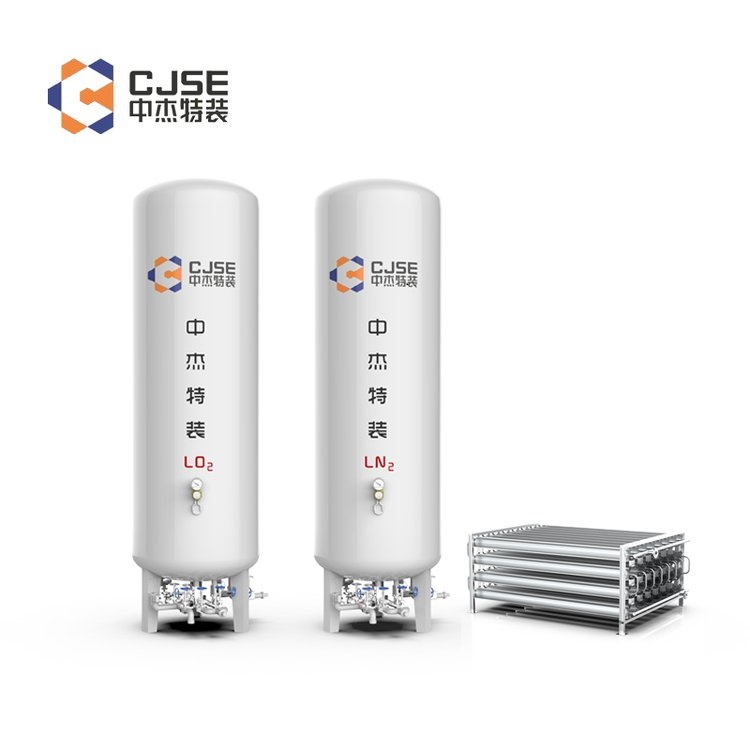
One common drawback of pressure vessels in use is corrosion. Corrosion refers to the reaction between the metal surface and chemicals in the environment, leading to damage to the metal surface and thinning of the material. Here are some common corrosion drawbacks of pressure vessels:
Pitting Corrosion: Pitting corrosion refers to localized depressions or holes appearing on the surface of a metal. This type of corrosion is often caused by corrosive substances present in the local environment, such as acids and salts.
Bacterial Corrosion: Bacterial corrosion is a type of corrosion caused by microorganisms. These organisms can form a biofilm inside pressure vessels and produce acidic substances, leading to corrosion of the metal surface.
Punch Corrosion: Punch corrosion refers to a穿透性 corrosion phenomenon on the metal surface. This type of corrosion usually occurs due to damage or defects in the protective layer of the metal surface, allowing corrosive substances to come into direct contact with the metal.
Stress Corrosion Cracking: Stress corrosion cracking occurs when a metal surface is subjected to both stress and a corrosive environment, leading to the formation and propagation of cracks. This type of corrosion is commonly found in pressure vessels operating under high stress and corrosive conditions.
Corrosion can lead to material thinning and reduced strength in pressure vessels, even causing severe consequences like leaks or ruptures. Therefore, measures should be taken to address the corrosion issue in pressure vessels, including:
Regularly inspect and evaluate the corrosion condition of pressure vessels, including methods such as visual inspections and non-destructive testing.
Implement corrosion prevention measures such as coating protection, cathodic protection, and selecting appropriate materials to minimize the occurrence and progression of corrosion.
Regularly clean and maintain pressure vessels to remove dirt and impurities that may cause corrosion.
Adhere to relevant safety standards and operational guidelines to ensure the normal and safe operation of pressure vessels.
Severely corroded pressure vessels may require repair or replacement to ensure their safety and reliability.
Zhongjie Special Equipment adheres to the grand vision of "realizing employees' dreams, creating value for customers, and striving for the prosperity and strength of our motherland," focusing solely on the development of green energy equipment. We dedicate high-value products and services to society!
WeChat Official Account

Scan to follow Official Account



















