


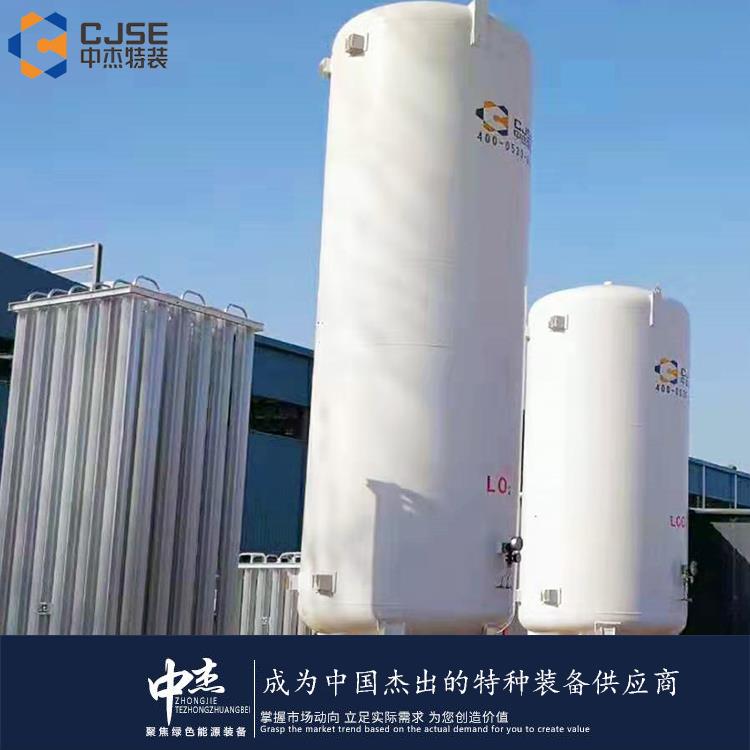

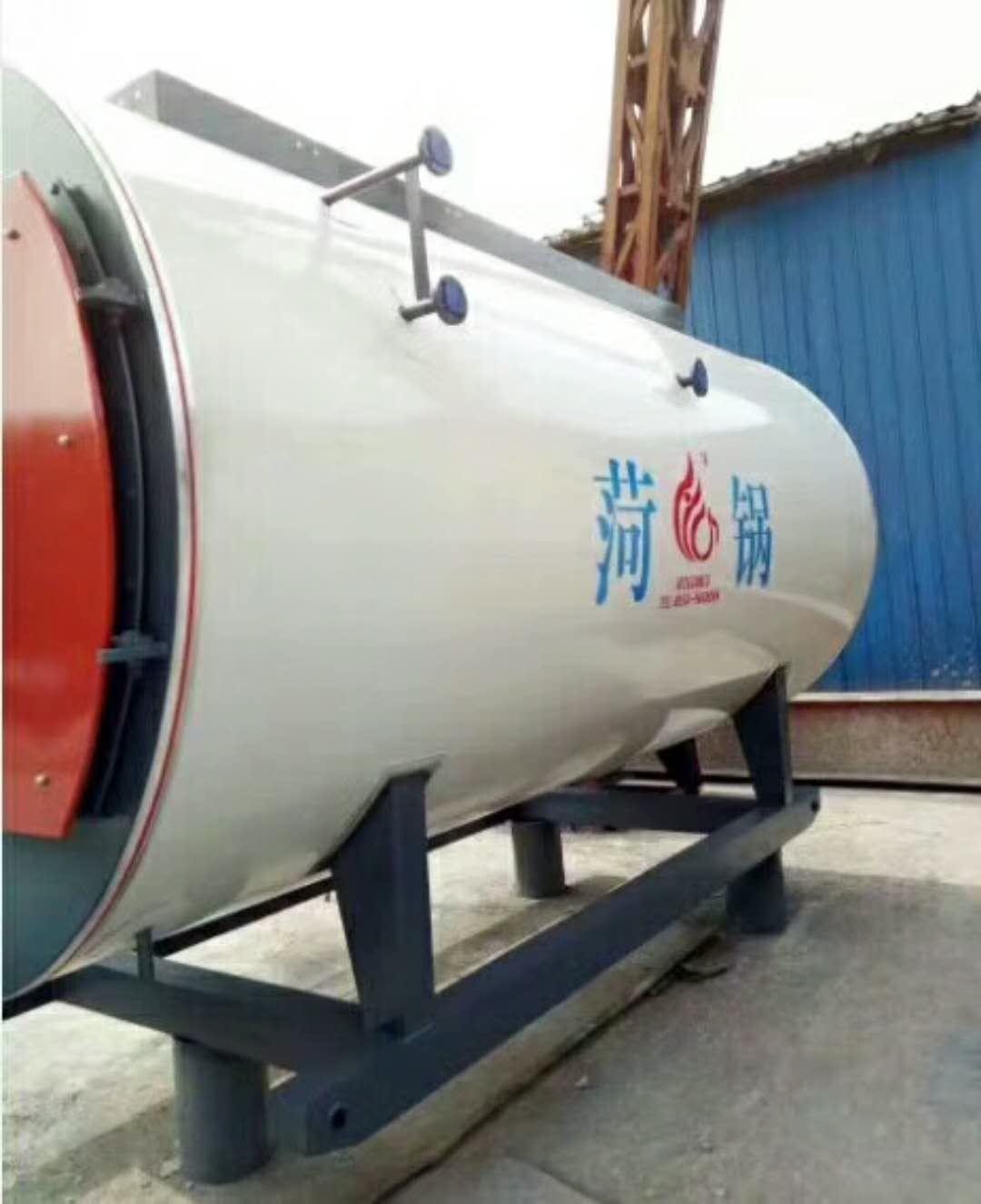
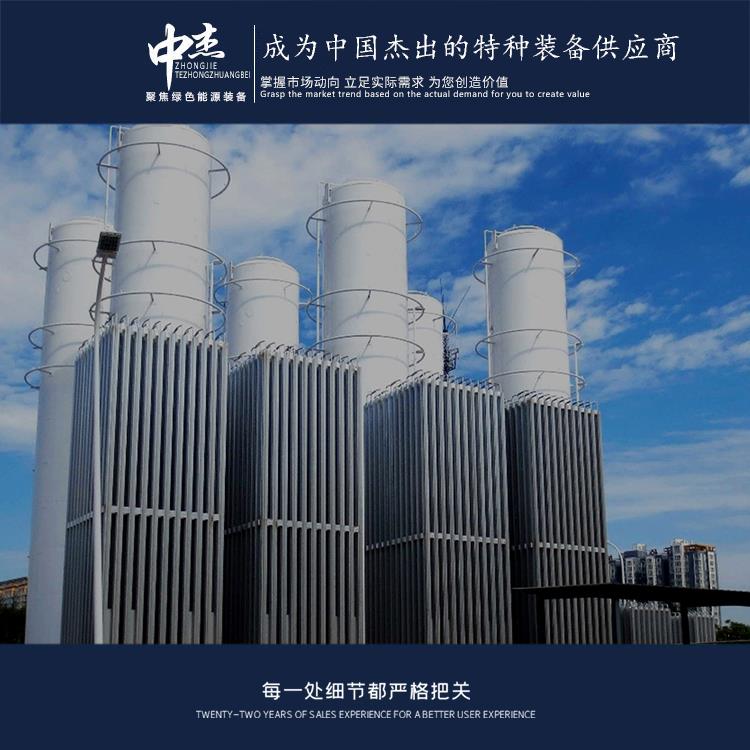


















Shandong Zhongjie Special Equipment (formerly Heze Boiler Factory Co., Ltd.) holds an A-grade boiler manufacturing license, an A2-grade pressure vessel manufacturing license, an A2-grade pressure vessel design license, B-grade boiler installation and GB2, GC2 class pressure pipeline installation licenses, as well as equipment and machinery installation contracting qualifications. It is a member of the China Boiler and Water Treatment Association, the China Chemical Equipment Association, and the council member of the Shandong Equipment Manufacturing Association. The company has also passed certifications for the ISO9001 Quality Management System, ISO14001 Environmental Management System, OHSAS18001 Occupational Health and Safety Management System, and the U.S. ASME/U2 certification.
The filling process for liquid nitrogen tanks typically includes the following steps:
Preparation: Ensure the tanks and filling equipment are in good condition with no damage or leaks. Check that the insulation layer of the tank is intact and undamaged.
Safety Inspection: Conduct a check on the tank and its surrounding environment for safety. Ensure there are no flammable materials or other hazardous items around the tank.
Connect equipment: Link the filling equipment to the storage tank. Ensure a tight and secure connection with no leaks.
Prepare Liquid Nitrogen: Prepare for liquid nitrogen supply, ensuring the quality and purity meet the requirements.
Open valves: Follow the operational instructions of the filling equipment, gradually open the corresponding valves to allow liquid nitrogen to flow from the supply source into the storage tank.
Regulate Flow: Adjust the flow control valve of the filling equipment as needed to control the inflow rate of liquid nitrogen. Ensure the flow is moderate, avoiding too fast or too slow.
Monitor Liquid Level: Continuously monitor the liquid nitrogen level within the storage tank via a liquid level gauge or other level monitoring devices. Ensure the level remains within a safe range.
Stop Refueling: Close the valve of the refueling equipment once the liquid nitrogen fills the tank or reaches the desired level, halting the intake of liquid nitrogen.
Disconnect: Disconnect the filling equipment from the storage tank and ensure there are no leaks at the connection point.
Safety Inspection: Recheck the tank and its surrounding environment for safety, ensuring there are no leaks or other potential safety hazards.
Please note that this is for general reference only; the actual filling process may vary depending on the specific type of tank and filling equipment. When conducting the filling operation for a liquid nitrogen tank, please adhere to relevant operational specifications and safety requirements, and ensure that the operators have received the necessary safety training and skills.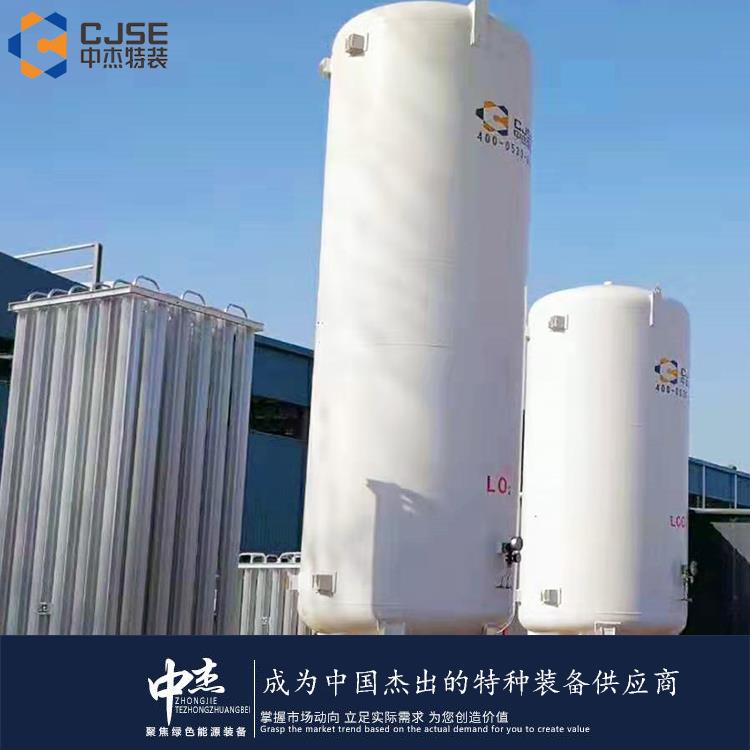
The reason for occasional venting of liquid oxygen tanks is primarily to maintain the safe pressure range within the tank and prevent excessive pressure buildup. Here are several situations where liquid oxygen tanks may be vented occasionally:
Pressure Control: During the operation of the liquid oxygen tank, pressure inside the tank varies due to evaporation of liquid oxygen and temperature changes. To maintain a safe pressure range within the tank, regular venting is required to control the tank's pressure within the safe limits.
Prevent Excessive Pressure Build-up: During oxygen filling or usage, external factors or operational errors may cause the pressure inside the liquid oxygen tank to exceed the safe limit. To prevent excessive pressure build-up, timely venting is required to reduce the internal pressure of the tank.
Prevent Gas Accumulation: Liquid oxygen tanks may contain some gas impurities, such as air and water vapor. These gases can condense into liquids or solids at the low temperatures of liquid oxygen, blocking pipelines or affecting the normal operation of the tank. Regular venting can expel these impurities, maintaining the tank's cleanliness and unobstructed flow.
Note that the depressurization of liquid oxygen should be carried out by qualified personnel, strictly adhering to the relevant operational procedures and safety measures. During the depressurization process, attention should be given to prevent leakage of liquid oxygen and contact with it, ensuring the safety and reliability of the operation.
When selecting low-temperature liquefied natural gas (LNG) storage tanks, the following factors should be considered:
Tank Types: Common LNG tank types include vertical fixed-roof tanks, spherical tanks, and horizontal tanks. Select the appropriate tank type based on specific application requirements and site conditions.
Tank Capacity: Determine the tank's capacity based on the storage requirements and anticipated usage of LNG. The tank capacity should meet the expected storage duration and supply demands.
Material Selection: LNG tanks typically use low-temperature steel or nickel alloy materials to ensure corrosion resistance and strength in low-temperature environments. Select appropriate materials based on the tank's design pressure and temperature requirements.
Safety Performance: LNG tanks must have excellent safety features, including seismic resistance, fire resistance, and leak control capabilities. The tanks should comply with relevant safety standards and regulations, such as API 620, EN 1473, etc.
Maintenance and Inspection: Consider the maintenance and inspection requirements of the storage tank, including internal cleaning, coating protection, and corrosion prevention measures. The design of the tank should facilitate maintenance and inspection operations to ensure long-term reliable operation.
Environmental Impact: When selecting LNG tanks, consider their impact on the surrounding environment. The layout and design of the tanks should comply with environmental protection requirements, minimizing the effects such as noise, vibration, and gas emissions on the environment.
Cost-effectiveness: Consider the investment, operation, and lifecycle costs of the tank to select one with a favorable cost-performance ratio.
需要注意的是,选型LNG储罐时应遵循相关的和地区的法规、标准和规范。此外,咨询的工程师或储罐制造商,以获取更详细和准确的选型建议。
The testing and maintenance procedures for liquid oxygen storage tanks encompass the following aspects:
Visual Inspection: Conduct regular visual inspections of the liquid oxygen storage tank, including checking for corrosion, wear, leakage, and other issues on the tank's surface to ensure the tank's appearance remains intact.
Pressure Testing: Regularly conduct pressure tests on liquid oxygen tanks to assess their pressure resistance. The tests should be conducted in accordance with relevant standards and specifications to ensure the tanks can withstand the designed working pressure.
Leak Detection: Regularly conduct leak detection on liquid oxygen tanks, including using leak detection equipment to inspect the tanks, to ensure their sealing performance is good and there are no leak issues.
Cleaning and Coating Protection: Regularly clean and apply coating protection to liquid oxygen tanks to prevent corrosion and oxidation. Use appropriate cleaning agents during cleaning and avoid substances that react with liquid oxygen. Coating protection can be achieved with anti-corrosion coatings or protective coatings.
Routine Maintenance: Regularly maintain liquid oxygen tanks by inspecting and replacing seals, valves, safety devices, etc., to ensure their proper operation and safety reliability.
Safety Training and Operating Procedures: Conduct safety training for personnel using liquid oxygen tanks, ensuring they are aware of the safe operation protocols and precautions to prevent operational errors and accidents.
Documentation and Record Management: Establish test and maintenance records for liquid oxygen storage tanks, including test results, maintenance logs, and inspection records, for traceability and management purposes.
It is essential that the testing and maintenance of liquid oxygen storage tanks be conducted by trained personnel and in accordance with relevant safety operating procedures and standards. Additionally, a specific testing and maintenance plan should be formulated based on the tank's condition and usage requirements, and executed as per the plan.
Our company attaches great importance to technological innovation and R&D design. We have one municipal enterprise technology center in Heze City, equipped with non-destructive testing, physical and chemical testing, welding testing, hydrostatic testing, and other testing facilities. We have over 600 types of equipment, including CNC machine tools, X-ray flaw detectors, digital ultrasonic flaw detectors, mechanical property testing machines, chemical analyzers, spectrometers, tensile testing machines, plasma welding machines, and more. Our key products and technologies, such as temperature and pressure vessel welding, biomass boiler emission reduction, and waste heat recovery, have successively been selected for multiple Shandong Provincial Department of Industry and Information Technology science and technology projects, Shandong Provincial key projects, and Heze City innovative and excellent projects. We have累计 obtained 27 authorized utility models, 16 authorized inventions, participated in drafting 2 standards, 2 industry standards, and registered 15 trademarks. Our technical team, in collaboration with Professor Li Yajiang of Shandong University, has developed deep cryogenic container processing technology using the internationally recognized plasma arc + filler wire tungsten inert gas arc welding (PAW-GTAW) technology. The provincial-level scientific and technological achievement appraisal has determined that our technology level in deep cryogenic container manufacturing has reached an international standard. Choose Zhongjie Special Equipment, and let's create brilliance together!
WeChat Official Account

Scan to follow Official Account



















