


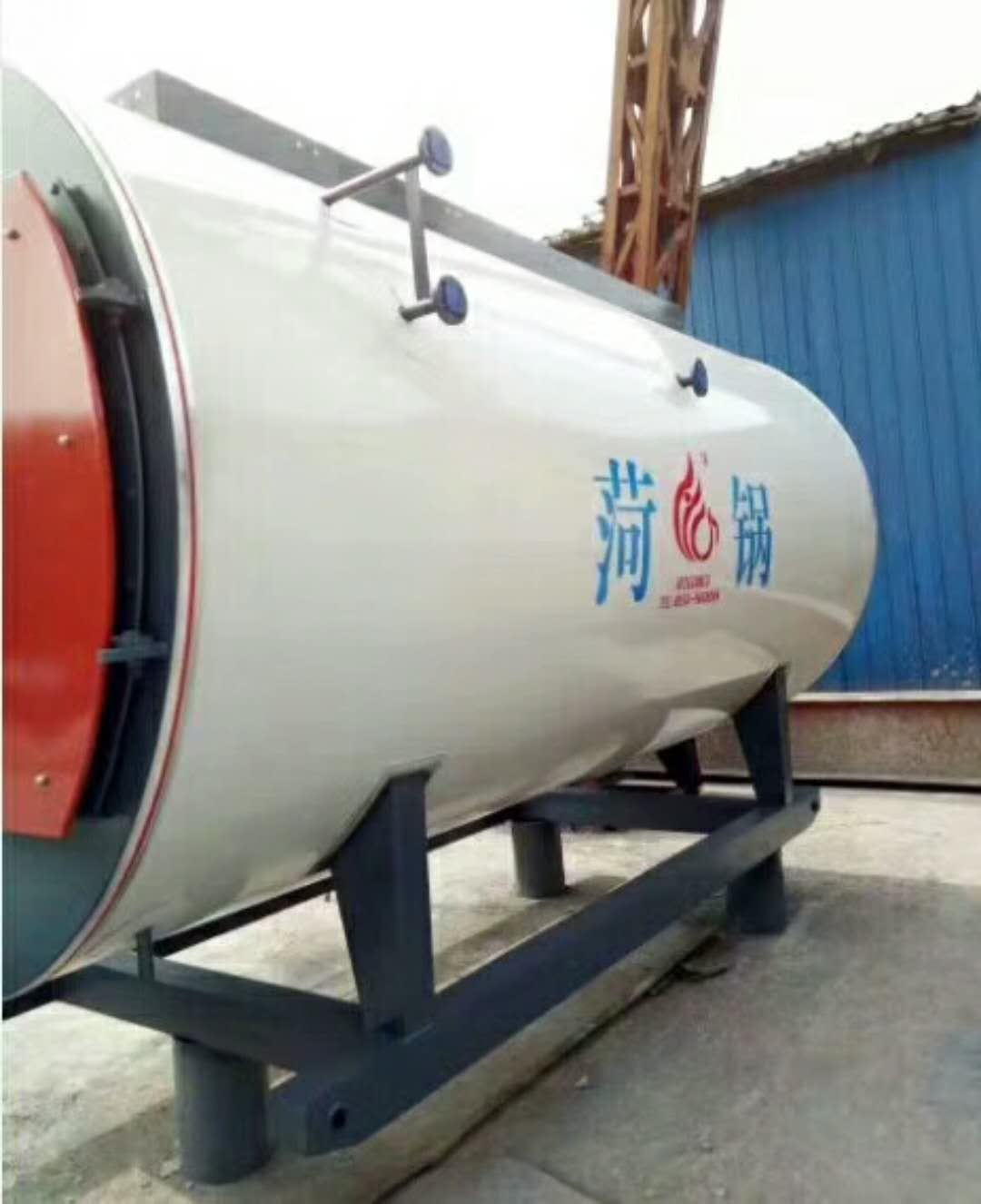

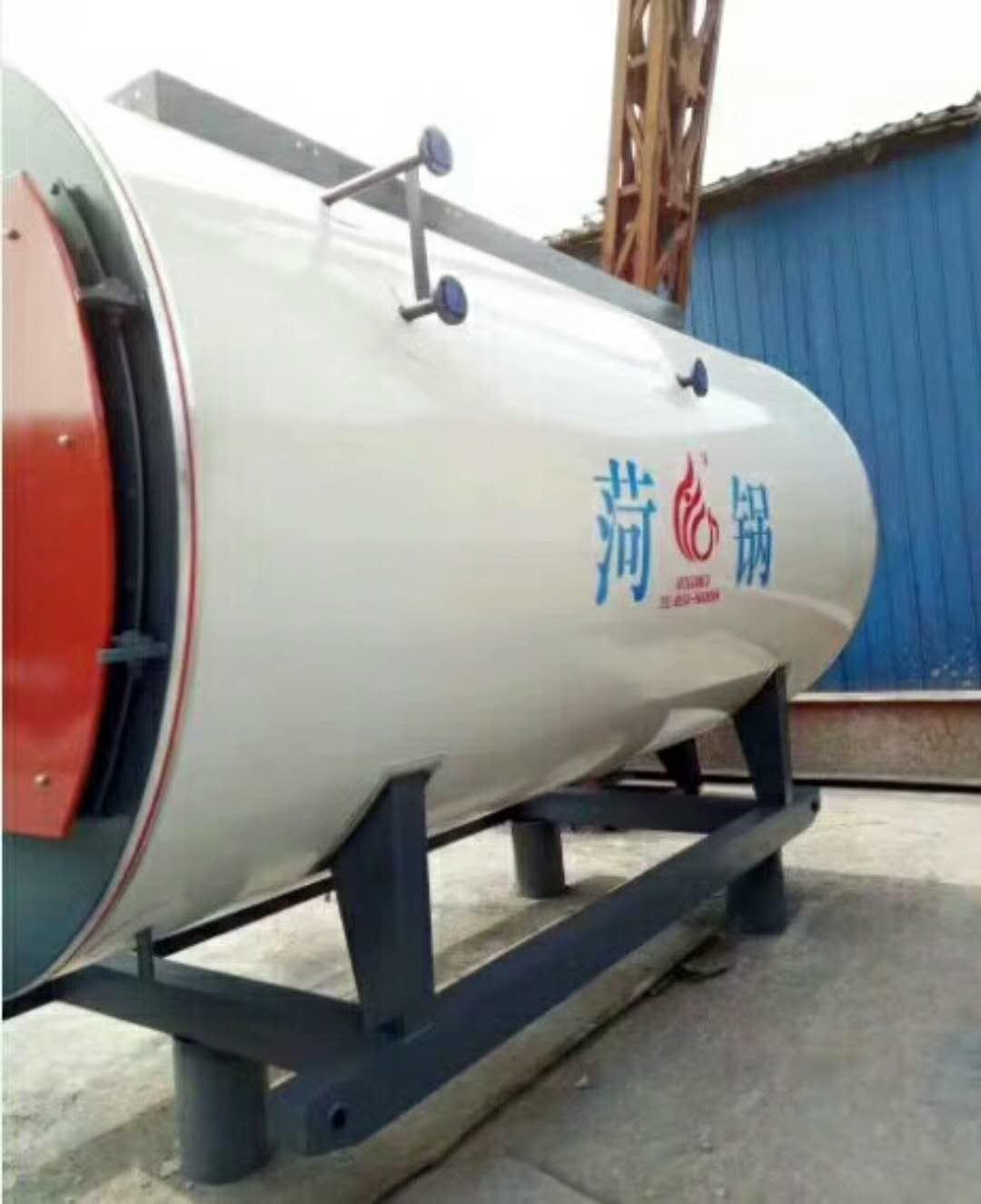
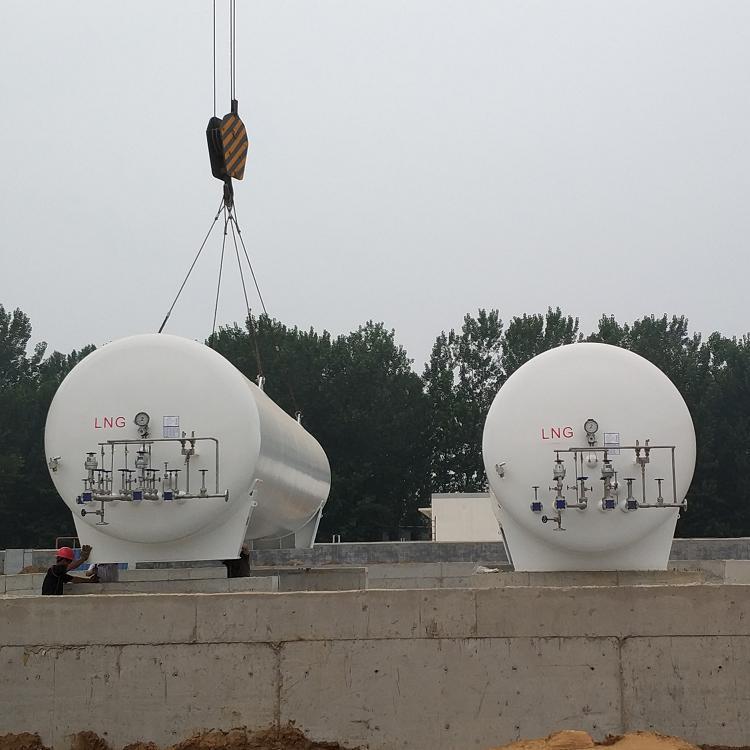


















Shandong Zhongjie Special Equipment (formerly Heze Boiler Factory Co., Ltd.) holds an A-grade boiler manufacturing license, an A2-grade pressure vessel manufacturing license, an A2-grade pressure vessel design license, a B-grade boiler installation license, and GB2/Class GC2 pressure pipeline installation licenses, as well as a qualification for the installation and construction of electromechanical equipment. It is a member of the China Boiler and Water Treatment Association, the China Chemical Equipment Association, and the Council Member of the Shandong Equipment Manufacturing Association. The company has also passed the ISO9001 Quality Management System, ISO14001 Environmental Management System, OHSAS18001 Occupational Health and Safety Management System certifications, and the ASME/U2 certification.
To extend the service life of CO2 storage tanks, the following measures can be taken:
Regular Inspections and Maintenance: Conduct regular inspections of the tank's exterior, lining, valves, and pipeline connections to ensure they are intact. Promptly repair or replace any abnormalities or damage.
Corrosion Protection: As CO2 is corrosive, both the interior and exterior of the tank should be protected against corrosion. Regularly check and maintain the integrity and effectiveness of the protective layers or coatings.
Cleaning and Drainage: Regularly clean the interior of the tank to remove accumulated impurities and sediments. Also, perform regular drainage of liquids and gas impurities from the tank to maintain cleanliness and normal operation.
Temperature and Pressure Control: Maintain the tank's temperature and pressure within the design limits, avoiding extremes that could damage the tank.
Regular Testing and Calibration: Conduct regular tests and calibrations of the tank, including parameters such as level, pressure, and temperature. Ensure the tank's measuring and control systems are accurate and reliable.
Compliance with Operating Procedures: Adhere strictly to operating and safety procedures to ensure normal operation and safety of the tank. Train operators to enhance their operational skills and safety awareness.
Updates and Upgrades: Timely update and upgrade tank accessories and equipment as needed to adapt to new technology and safety requirements.
Regular Evaluation and Monitoring: Regularly evaluate and monitor the tank, including structural integrity, corrosion conditions, and safety aspects. Implement corresponding maintenance and repair measures based on assessment results.
These measures help extend the service life of CO2 storage tanks and ensure their safe and reliable operation.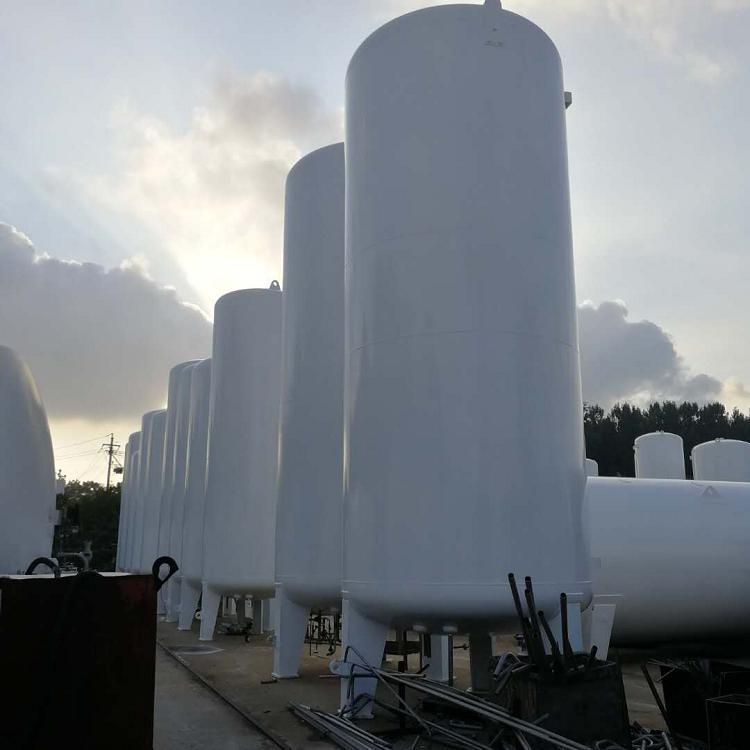
When storing carbon dioxide tanks, the following requirements must be adhered to for safety and effectiveness: Ventilation: Tanks should be stored in well-ventilated areas to prevent the accumulation of carbon dioxide gas. Ensure there is sufficient air circulation around the tank to avoid gas buildup and asphyxiation risks. Fire and Explosion Prevention: Keep tanks away from ignition sources, high-temperature areas, and flammable materials. Avoid open flame activities near the tank to prevent fire and explosion risks. Avoid Direct Sunlight: Store tanks in locations shielded from direct sunlight to prevent overheating and pressure increase. Direct sunlight can raise tank temperatures, increasing the risk of leaks and explosions. Prevent Mechanical Damage: Keep tanks away from machinery and heavy objects to avoid collisions and damage. Mechanical damage can lead to tank leaks or ruptures, causing safety hazards. Labeling and Warning Signs: Clearly label tanks with information such as the type of gas stored and pressure. Set up warning signs around the tanks to remind personnel of their presence and related safety precautions. Regular Inspections: Conduct regular inspections of the tank's exterior, valves, and connections to ensure they are undamaged. Take prompt corrective actions if any abnormalities are found. Storage Capacity Control: Control the storage capacity of the tank to prevent exceeding the rated capacity. Exceeding the rated capacity can cause excessive tank pressure, increasing safety risks. Storage Records: Keep records of the tank's usage, including filling dates, quantities, and inspection records. Regularly inspect and maintain the tanks, and retain relevant records. Note that specific storage requirements may vary depending on tank types and applications. When storing carbon dioxide tanks, operate according to relevant regulations and standards, and consult with experts to ensure safety and effectiveness.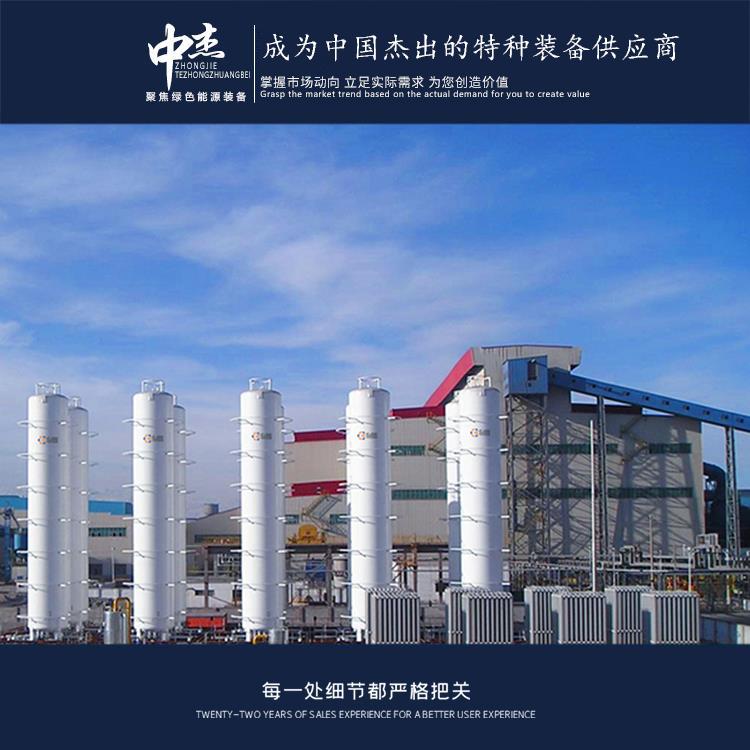
Carbon dioxide storage tanks are equipment used for storing and transporting carbon dioxide gas, operating on the principles of pressure vessels and the physical properties of carbon dioxide. Pressure Vessel Principle: A carbon dioxide storage tank is a pressure vessel capable of withstanding the pressure of the internal gas. It is typically made of high-strength materials like steel. The tank's design and structure are engineered to withstand high pressures, ensuring safe storage and transportation of the gas. Compressed Gas Storage: Carbon dioxide is a gas at room temperature but can be compressed into a liquid under high pressure. Storage tanks use high pressure to compress the gas into a liquid, achieving a higher storage density. Liquid carbon dioxide occupies less volume, allowing for more gas to be stored. Level Control: The tank is equipped with a level control system to monitor and control the liquid level of carbon dioxide. This system usually includes level sensors and control valves, ensuring the liquid level remains within a safe range. Pressure Control: The tank also features a pressure control system to monitor and control the internal gas pressure. This system typically includes pressure sensors and safety valves, ensuring the pressure within the tank stays within a safe range, preventing damage or safety risks due to excessive or low pressure. By these principles, carbon dioxide storage tanks can safely store and transport carbon dioxide gas to meet the needs of various fields, such as food processing, beverage manufacturing, and fire suppression. When using carbon dioxide storage tanks, it is essential to follow relevant safety operation procedures and guidelines to ensure safe operation and use.
Dry ice is a frozen agent obtained by directly converting carbon dioxide gas into a solid under high pressure. It has several applications:
- Food and pharmaceuticals: Dry ice is widely used for the transportation and storage of food and pharmaceuticals. Its low temperature and rapid cooling speed effectively maintain the freshness and quality of the products.
- Special effects and stage performances: Dry ice is extensively utilized in special effects and stage performances. When it comes into contact with heat in the environment, it rapidly turns into gas, producing a large amount of white smoke, creating a mysterious and dramatic atmosphere.
- Cleaning and disinfection: Dry ice can also be used for cleaning and disinfection. When it comes into contact with surfaces, the low temperature and physical impact of the vaporization process effectively remove dirt, bacteria, and viruses without leaving residues.
- Laboratories and scientific research: Dry ice is also applied in laboratories and scientific research. It can be used to freeze samples, create low-temperature experimental environments, and produce cold traps and condensers, among others.
It is important to note that safety should be a priority when using dry ice, avoiding direct contact with skin and eyes, and not using it in confined spaces to prevent the accumulation of carbon dioxide, which can lead to oxygen deficiency.
Zhong Jie Special Equipment upholds the grand vision of "realizing employees' dreams, creating customer value, and striving for the prosperity and strength of our motherland," and is dedicated to the development of the green energy equipment industry. We offer society high-value products and services at competitive prices!
WeChat Official Account

Scan to follow Official Account



















