


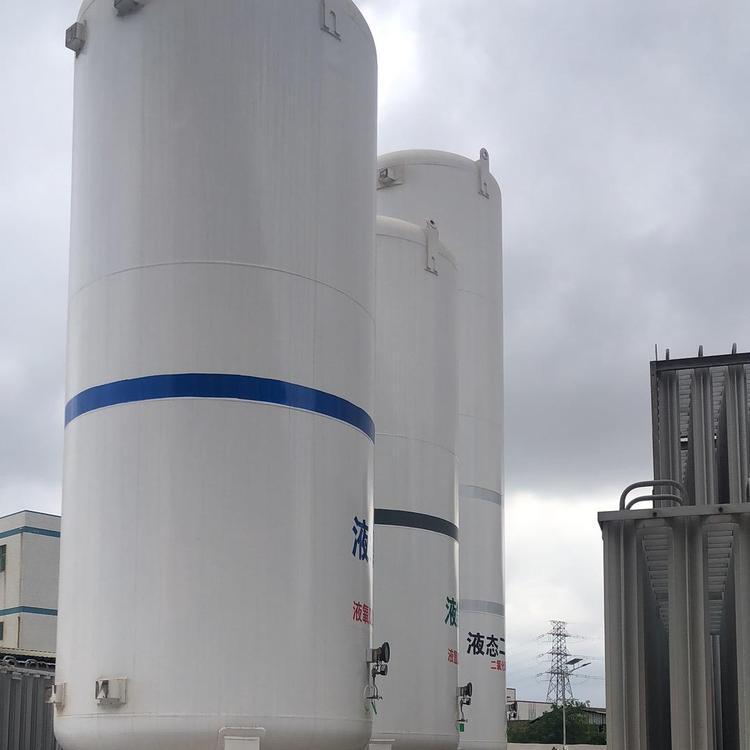

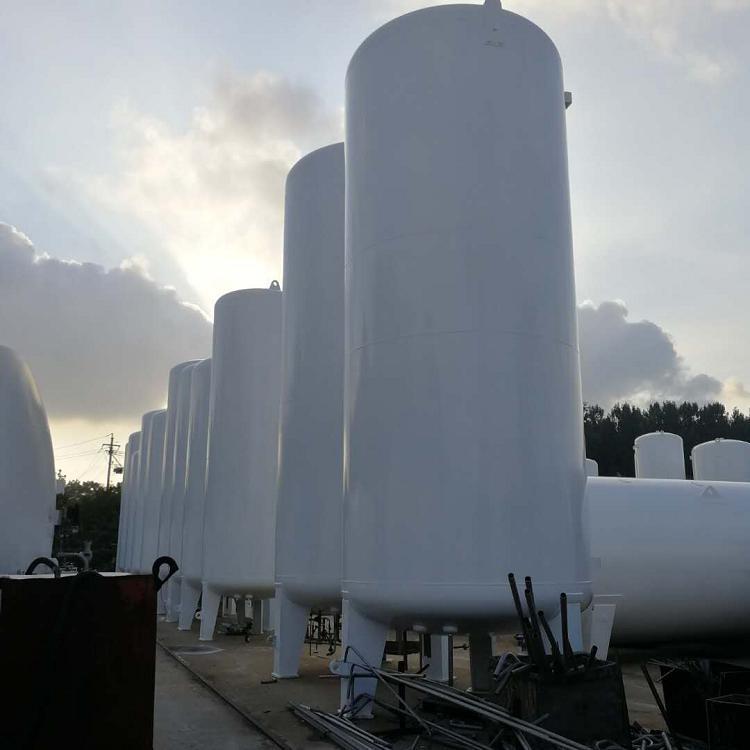
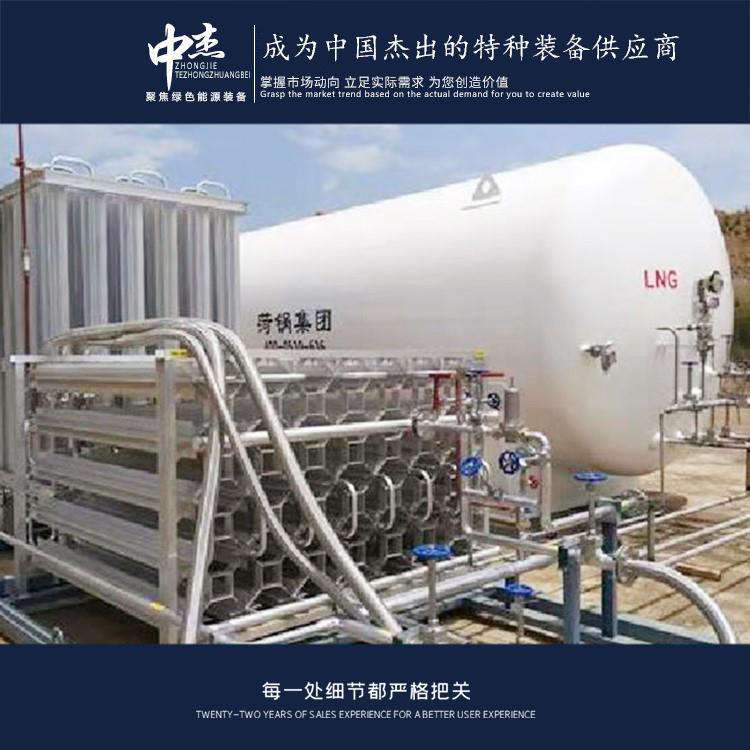


















Shandong Zhongjie Special Equipment Co., Ltd. (formerly Heze Boiler Factory Co., Ltd.) was established in 2001 and is located at No. 2218 Jinan Road, Development Zone, Heze City. With a registered capital of 50 million yuan and total assets of 500 million yuan, the company has seven business centers: boilers, deep-freeze containers, pressure vessels, central air conditioning, engineering installation, international trade, and Internet of Things. It has three factory areas on Jinan Road, East Yangtze Road, and Bohai Road, covering a total of 200,000 square meters, with the main workshop area being 83,000 square meters. Currently, there are 710 employees, including 247 engineering and technical personnel and 82 middle-level technical personnel. In December 2016, it was recognized as a "High-Tech Enterprise" by the Science and Technology Department. In June 2021, it was identified as a "Specialized and New Enterprise in Shandong Province" by the Department of Industry and Information Technology. In June 2022, it was recognized as a "Deer Enterprise in Shandong Province" and in August 2022, it was identified as a "Specialized and New Small Giant Enterprise" by the Ministry of Industry and Information Technology.
Liquid oxygen storage tanks offer the following advantages:
High Storage Density: Liquid oxygen tanks store oxygen in its liquid state, offering a higher storage density compared to gas storage. This means more oxygen can be stored in a limited space, providing extended supply times.
High Purity Oxygen Supply: Liquid oxygen tanks can provide high purity oxygen supply. After undergoing refrigeration and purification processes, liquid oxygen can yield high purity oxygen, meeting the requirements of applications such as industry and scientific research.
Convenient and User-Friendly: The liquid oxygen tank features ease of use. It is equipped with devices such as level gauges and pressure gauges inside for convenient monitoring of the liquid level and pressure. Additionally, the tank is fitted with safety devices like pressure relief valves and level alarms to ensure safe operation and usage.
Long-Term Storage: Liquid oxygen tanks are suitable for long-term storage of oxygen. The low-temperature properties of liquid oxygen can slow down the evaporation and oxidation of oxygen, extending its storage life. This is beneficial for applications requiring long-term oxygen storage, such as institutions, laboratories, and industrial production.
Overall, liquid oxygen tanks offer advantages such as high storage density, high purity oxygen supply, ease of use, and long-term storage. This makes liquid oxygen tanks a reliable choice for oxygen supply, widely used in industrial and scientific research fields.
When selecting insulation material for low-temperature liquid storage tanks, consider the following factors:
Thermal Conductivity: The lower the thermal conductivity of insulating materials, the better their insulation performance. Therefore, materials with lower thermal conductivity should be chosen, such as polyethylene foam (EPS), polyester foam (PUR), and silicate fibers.
Density: The density of insulating materials also affects their insulating performance. Generally, the higher the density, the better the insulating performance. However, excessively high density may increase the weight and cost of the tank. Therefore, a balance needs to be struck between insulating performance and tank structural requirements.
Corrosion Resistance: Due to the special working environment of low-temperature liquid storage tanks, the insulation material needs to have excellent corrosion resistance, capable of withstanding the erosion of low-temperature liquids. For instance, glass fiber and silicate fiber possess good corrosion resistance.
Reliability and Durability: Insulation materials must have excellent reliability and durability, maintaining their insulating properties over a long period. Select verified and tested materials to ensure quality and performance.
Ease of Construction: The ease of installation and maintenance for insulation materials is also a consideration. Choosing materials that are easy to install and maintain can enhance construction efficiency and reduce costs.
Environmental friendliness: Consider choosing environmentally friendly insulation materials, such as recyclable ones, to minimize environmental impact.
Considering these factors, select an appropriate insulating material to provide excellent thermal insulation and durability, ensuring the safety and efficient operation of low-temperature liquid storage tanks. When choosing insulating materials, it is recommended to consult engineers or consulting agencies for more accurate advice and guidance.
The normal pressure range for liquid oxygen tanks is typically between 2-5 bar. This range refers to the oxygen pressure inside the tank, which is necessary to maintain the liquid oxygen in its liquid state. The design and manufacture of liquid oxygen tanks must comply with relevant standards and regulations to ensure the tank can safely withstand this pressure range under normal operating conditions. It should be noted that the pressure in liquid oxygen tanks can be affected by various factors, such as the temperature of the liquid oxygen, the tank's design, and materials. In actual use, the normal pressure range of the tank should be determined based on specific tank design and usage requirements, and operations and maintenance should follow relevant regulations and standards. Additionally, liquid oxygen tanks should be equipped with pressure control devices, such as pressure valves or pressure relief devices, to ensure the internal pressure of the tank remains within a safe range. These devices can automatically release gas when pressure exceeds the set value, protecting the tank's safety. Regular inspection and maintenance of these pressure control devices should be conducted when using liquid oxygen tanks to ensure they are functioning properly.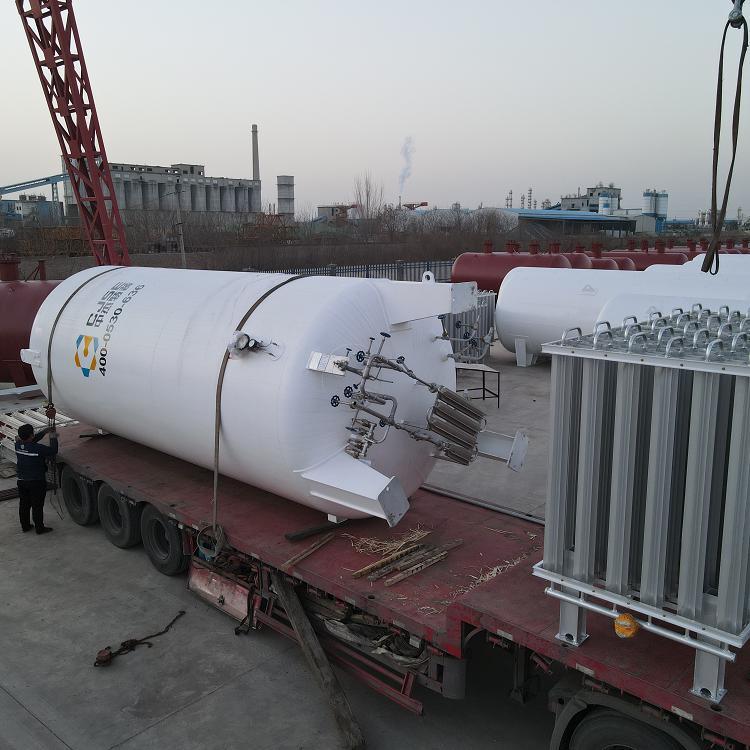
To extend the service life of liquid argon storage tanks, the following measures can be taken:
Regular inspections and maintenance: Conduct regular visual inspections of the liquid argon storage tank, check valves and connections, and perform leak detection and pressure tests. Identify and repair potential issues promptly to ensure the normal operation of the tank.
Maintain Insulation: The insulation is crucial for the thermal preservation of liquid argon tanks. Regularly inspect the integrity and insulating properties of the insulation, repair or replace any damaged insulation materials to ensure the tank's insulating effectiveness.
Regulate Liquid Argon Temperature: Maintain the liquid argon within an appropriate temperature range to prevent damage to the storage tank from excessive or low temperatures. Implement suitable cooling or heating measures to ensure stable liquid argon temperature.
Corrosion Protection: The shell and internal structure of the liquid argon tank should be protected against corrosion and oxidation. Regularly inspect and maintain the protective coating to ensure its integrity.
Avoid excessive pressure and overfilling: Prevent the internal pressure of the tank from being too high or too low, as well as overfilling with liquid argon. Excessive pressure and overfilling can lead to structural cracks or damage to the tank.
Regular cleaning and waste removal: Regularly clean the interior of the tank to remove accumulated impurities and dirt. Conduct regular waste removal to prevent contaminants and sediments in liquid argon from damaging the tank.
Safety Operations and Training: Ensure operators have the knowledge and skills for safe operation of liquid argon storage tanks. Enhance safety training to improve operators' safety awareness and emergency response capabilities.
Establish comprehensive management records and documents, including tank usage, inspection logs, and maintenance records. Regularly review and update these records to ensure safe management and maintenance of the tanks.
These measures can help extend the service life of liquid argon storage tanks, but specific operations and management are required based on the type and application of the tank. When performing maintenance and operation, please adhere to relevant regulations and standards, and consult with experts to ensure safety and effectiveness.
Chongjie Special Equipment upholds the grand vision of "realizing employees' dreams, creating value for customers, and striving for the prosperity and strength of our motherland," focusing on the development of green energy equipment industry with high-quality and cost-effective products and services, contributing to the society!
WeChat Official Account

Scan to follow Official Account



















