


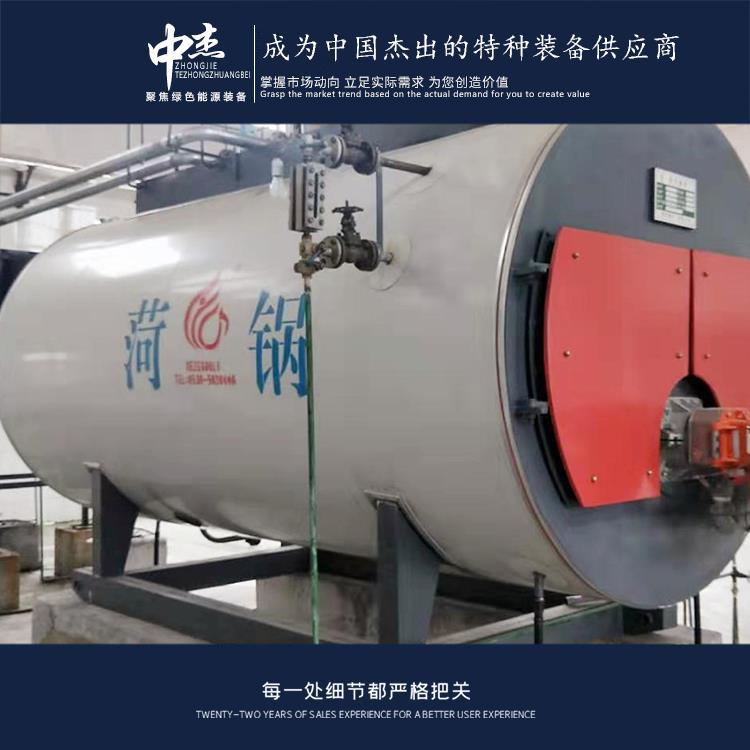

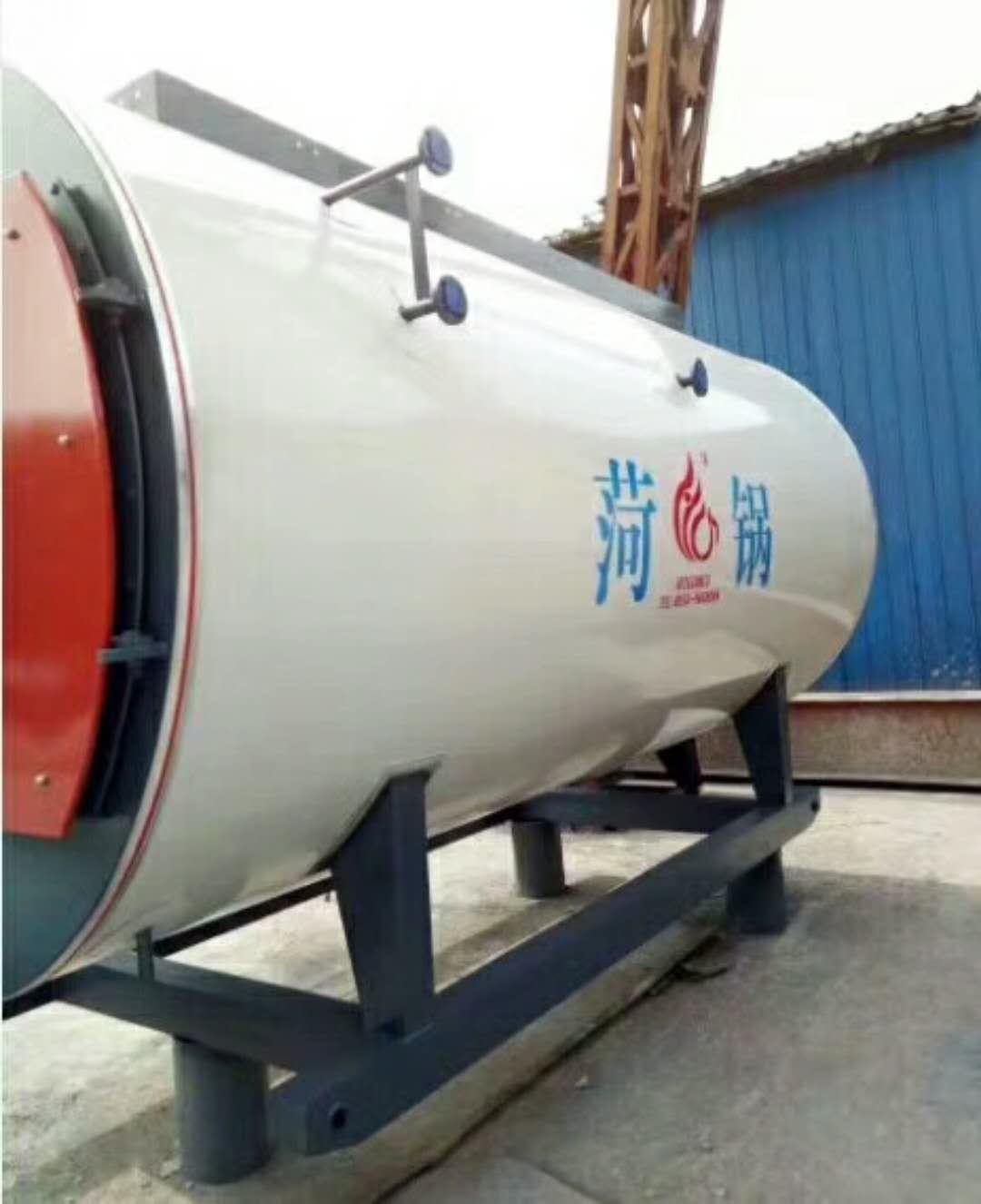
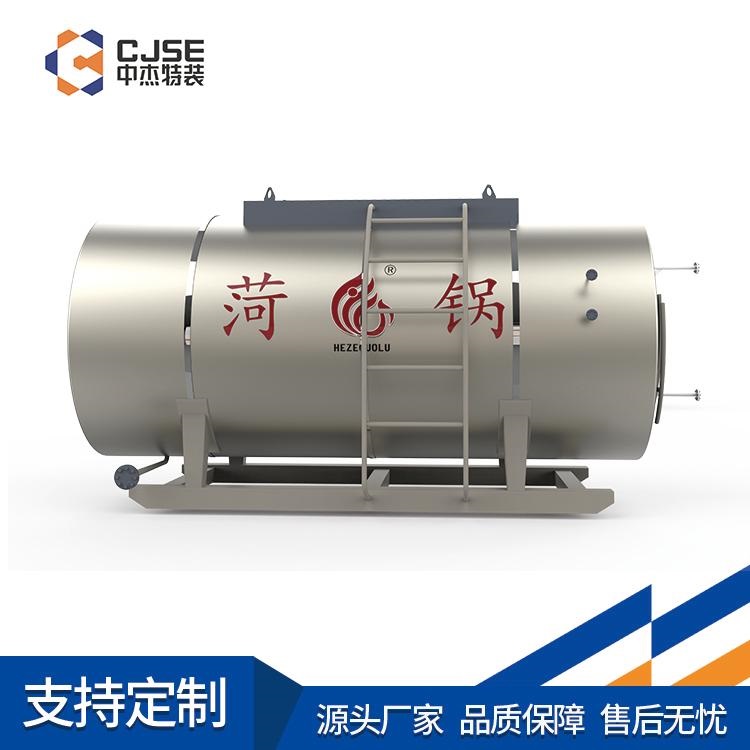


















Shandong Zhongjie Special Equipment (formerly Heze Boiler Factory Co., Ltd.) holds an A-grade boiler manufacturing license, A2-grade pressure vessel manufacturing license, A2-grade pressure vessel design license, B-grade boiler installation license, GB2 and GC2 grade pressure pipeline installation licenses, and mechanical and electrical equipment installation contracting qualifications. It is a member of the China Boiler and Water Treatment Association, the China Chemical Equipment Association, and the director unit of the Shandong Equipment Manufacturing Association. The company has also passed the ISO9001 Quality Management System certification, ISO14001 Environmental Management System certification, OHSAS18001 Occupational Health and Safety Management System certification, and the American ASME/U2 certification.
For the maintenance of industrial gas boilers, here are some common methods and precautions: Clean the burner: Regularly clean the interior and nozzle of the burner to ensure normal combustion of the gas, avoiding carbon accumulation and blockages. Inspect the gas supply system: Regularly check the gas supply system, including gas pipes, valves, and pressure regulators, to ensure normal gas supply, no leaks, or blockages. Clean the flue and heat exchanger: Regularly clean the flue and heat exchanger to remove dust and debris, maintaining heat exchange efficiency, and avoiding overheating and energy loss. Check water level and pressure: Regularly inspect the boiler's water level and pressure to ensure safe operation within the specified range. Refill water and adjust pressure to avoid issues caused by low or high water levels. Inspect safety devices: Regularly check the boiler's safety devices, including safety valves, pressure switches, and water level controllers, to ensure proper functioning and safe operation. Check the control system: Regularly inspect the boiler's control system, including automatic controllers, sensors, and instruments, to ensure accuracy and reliability, and to promptly detect and repair faults. Scheduled maintenance: Regularly perform maintenance, including lubricating parts, replacing worn components, and checking electrical connections, to extend the boiler's lifespan and stability. Keep records: Record the boiler's operating parameters, maintenance records, and fault situations to help promptly identify problems and analyze operating conditions. Train operators: Ensure that operators are adequately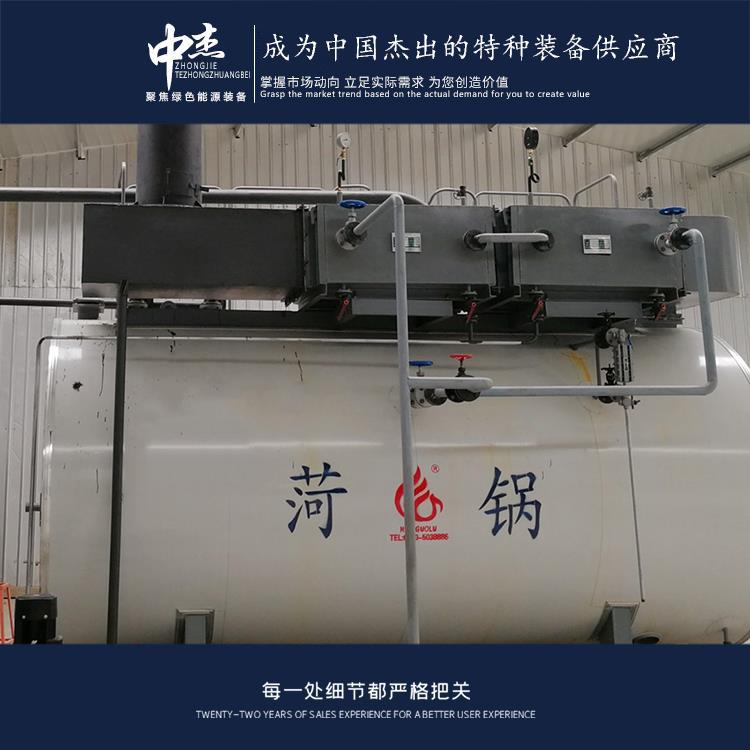
During the operation of a thermal oil furnace, several important matters should be noted:
- Temperature Control: During the operation of the thermal oil furnace, close attention and control of the thermal oil temperature are required. Ensure the temperature remains within a safe range to avoid decomposition of the oil at high temperatures or condensation and scaling at low temperatures. Regularly inspect and calibrate the temperature sensors to ensure accurate temperature measurement.
- Pressure Control: Maintain an appropriate working pressure during the operation of the thermal oil furnace. Excessive pressure can lead to equipment damage or leaks, while low pressure can result in reduced heat transfer efficiency. Regularly inspect and maintain the pressure gauge and safety valve to ensure accurate and safe pressure control.
- Oil Quality and Cleanliness: The quality and cleanliness of the thermal oil are crucial for the normal operation of the furnace. Regularly inspect and replace the thermal oil to ensure it meets quality and performance requirements. Regularly clean and maintain heat exchangers, burners, and flues to prevent the accumulation of dust and dirt, which can affect heat transfer efficiency.
- Regular Maintenance and Inspection: Regular maintenance and inspection of the thermal oil furnace are necessary to ensure its normal operation and extend its service life. Regularly inspect and clean burners, flues, heat exchangers, check and replace seals and valves, inspect and calibrate safety devices, to ensure the equipment's safety and reliability.
- Safe Operation: Strict adherence to operational procedures and safety protocols is required during the operation of the thermal oil furnace. Operators must possess relevant skills and knowledge.
Yes, thermal oil boilers typically come with some self-protection features to ensure safe operation and extend their service life. Here are some common self-protection functions: Overheat Protection: Thermal oil boilers are equipped with an overheat protection device that automatically shuts off the burner's gas supply when the thermal oil temperature exceeds the set safe range, preventing overheating of the thermal oil, avoiding equipment damage and safety accidents. Overpressure Protection: Thermal oil boilers also feature an overpressure protection device that automatically cuts off the burner's gas supply when the thermal oil pressure exceeds the set safe range, preventing the thermal oil system from exploding or leaking. Burner Automatic Control: The burners of thermal oil boilers are usually fitted with an automatic control system that adjusts gas supply and combustion effect based on set working parameters, maintaining a stable combustion state and preventing incomplete or excessive combustion. Temperature Control and Adjustment: Thermal oil boilers are generally equipped with temperature control and adjustment devices that automatically regulate the circulation and heating of the thermal oil based on the set working temperature, maintaining a stable working temperature and avoiding both overheating and underheating. Water Level Protection: Some thermal oil boilers, particularly water tube thermal oil boilers, are also fitted with water level protection devices that monitor the water and thermal oil levels. When an abnormal level is detected, the protection device automatically shuts off the burner's gas supply, preventing dry burning and thermal oil leakage. It is important to note that although thermal oil boilers have self-protection features, they still require regular inspections and maintenance to ensure the normal operation and reliability of these protection devices. Additionally, operators need to understand and master the working principles and operation methods of these self-protection functions to ensure safe operation.
The key to maintaining a hot water boiler is regular maintenance and inspections. Here are some common maintenance steps and precautions:
* Clean the burner and flue: Regularly clean the burner and flue to remove accumulated ash and dirt, maintaining combustion and heat exchange efficiency. Use cleaning tools and equipment as per the operating manual.
* Check water level and pressure: Regularly inspect the water level and pressure of the hot water boiler to ensure safe operation within the specified range. Refill water and adjust pressure to avoid issues caused by low or high water levels.
* Test water quality: Regularly conduct water quality tests to check parameters such as hardness, alkalinity, and oxygen content. Take appropriate water treatment measures based on test results, such as descaling and replenishing missing chemicals, to prevent scale and corrosion damage to the boiler.
* Inspect safety devices: Regularly check the safety devices of the hot water boiler, including safety valves, pressure switches, and water level controllers, to ensure proper operation and ensure safe boiler operation.
* Inspect the electrical system: Regularly inspect the boiler's electrical system, including power connections, controllers, and sensors, to ensure that electrical equipment operates normally and to avoid electrical faults.
* Regularly drain: Regularly drain wastewater and impurities from the boiler to avoid their impact on the boiler. Develop a reasonable drainage plan based on the boiler's usage and water quality conditions.
* Keep records and monitor: Record the boiler's operating parameters, maintenance records, and fault situations, and regularly monitor and analyze them to identify and address problems in a timely manner.
* Train operators: Ensure that operators are adequately trained.
Shandong Zhongjie Special Equipment, welcome customers to visit our factory for business discussions.
WeChat Official Account

Scan to follow Official Account



















