


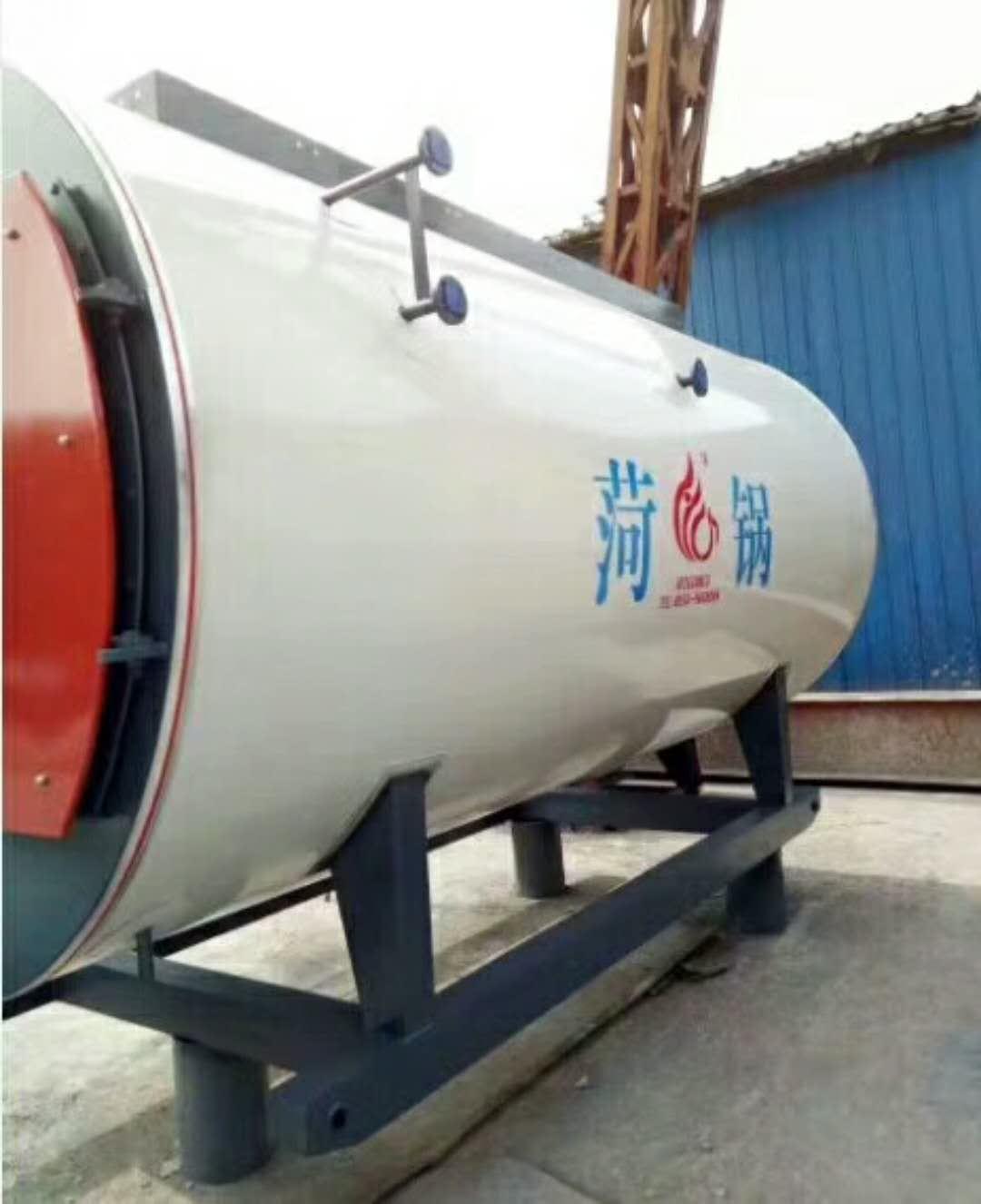

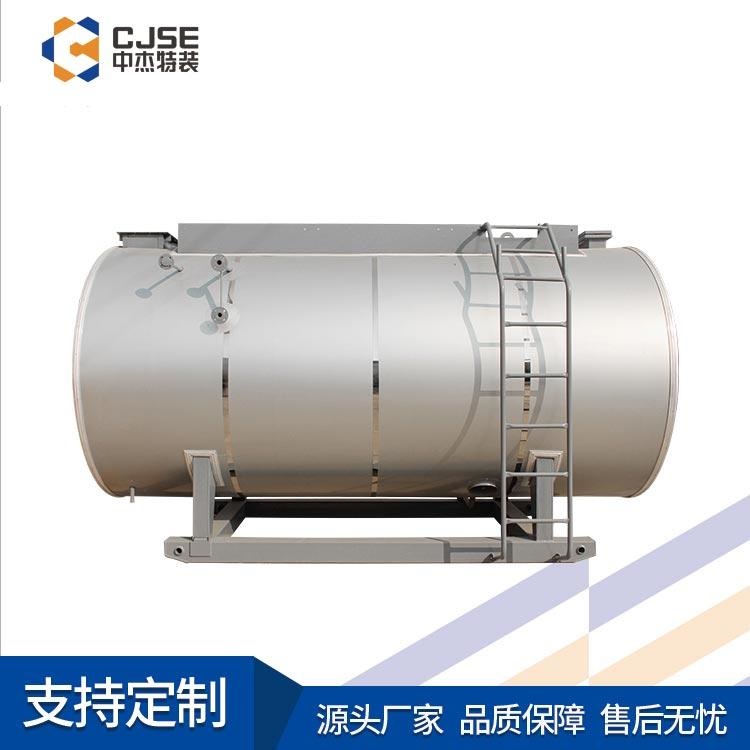
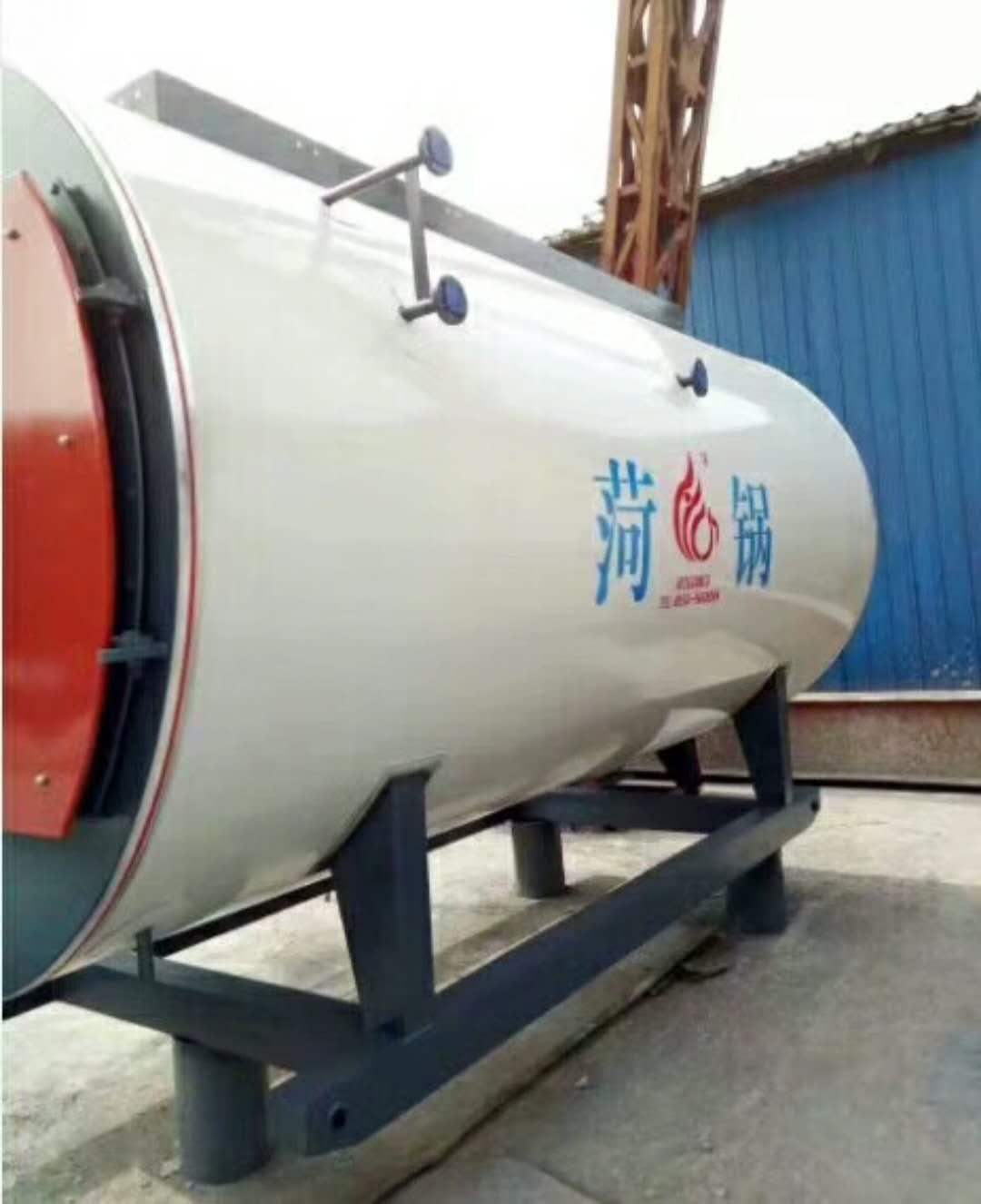


















Shandong Zhongjie Special Equipment Co., Ltd. (formerly Heze Boiler Factory Co., Ltd.) holds an A-grade boiler manufacturing license, an A2-grade pressure vessel manufacturing license, an A2-grade pressure vessel design license, a B-grade boiler installation license, and GB2/Class and GC2/Class pressure pipeline installation licenses, as well as equipment and machinery installation contracting qualifications. It is a member of the China Boiler and Water Treatment Association, the China Chemical Equipment Association, and the理事 member of the Shandong Equipment Manufacturing Association. The company has also passed certifications for the ISO9001 Quality Management System, ISO14001 Environmental Management System, OHSAS18001 Occupational Health and Safety Management System, and the American ASME/U2 certification.
Before ignition, the preparation of a steam boiler involves the following steps:
1. Clean the boiler: First, it's necessary to clean the internal and external dirt and impurities from the boiler. Remove ash, sediments, and dirt to ensure the efficiency of combustion and heat exchange.
2. Check fuel supply: Inspect the fuel supply system to ensure a smooth fuel supply. Check the fuel storage, conveyance pipelines, and filters, clearing blockages and replacing damaged parts.
3. Inspect the burner: Check the burner's operational status and cleanliness. Clean the burner's nozzle and flame detector to ensure proper functioning.
4. Check the gas system: If it's a gas boiler, inspect the gas supply system. Check the gas pipelines, valves, and pressure regulators to ensure safe and stable gas supply.
5. Check water level and pressure: Inspect the boiler's water level and pressure. Ensure the water level is within the normal range, and pressure is stable and meets requirements. Add water and adjust pressure if necessary.
6. Check safety devices: Inspect the boiler's safety devices, such as safety valves, pressure switches, and water level controllers. Ensure these devices are functioning properly to guarantee the safe operation of the boiler.
7. Prepare ignition tools: Prepare the tools and equipment needed for ignition, such as matchsticks, igniters, etc. Ensure these tools are working correctly and are safe.
While performing these preparation tasks, follow relevant operational procedures and safety requirements to ensure the safety and effectiveness of the work. If unsure about how to proceed with the preparation, consult an expert or the boiler manufacturer for advice.
Clean and environmental-friendly gas boilers offer several advantages:
Low emissions: The exhaust emissions from gas combustion are relatively low, with less pollution, such as nitrogen oxides and particulates. Compared to coal-fired or oil-fired boilers, gas boilers have lower emissions and cause less environmental pollution.
High thermal efficiency: Gas combustion has a high thermal efficiency, allowing for the full utilization of fuel energy and reducing energy waste. Compared to other traditional fuels like coal and oil, gas combustion is more efficient and can provide more heat energy.
Clean combustion: Gas combustion does not produce ash or soot, which reduces the accumulation of carbon and dirt inside the boiler and in the flue. This reduces the cleaning and maintenance work of the boiler, extending its lifespan.
Stable combustion: The combustion performance of gas is stable, with no significant flame fluctuations or explosion risks during combustion. This makes gas boilers safer and more reliable in operation.
Rapid start and stop: Compared to other fuels, gas boilers have faster and more flexible start-up and shutdown processes. This makes gas boilers suitable for scenarios requiring frequent start and stop, such as seasonal heating and hot water needs.
Renewable energy integration: As a clean fuel, gas can be combined with renewable energy sources, such as solar water heating systems and biomass fuels. This combination can further improve energy utilization efficiency and environmental friendliness.
The inspection contents and requirements for gas-fired boilers typically include the following aspects:
- Safety valve and pressure gauge: Check the installation and fixation of the safety valve and pressure gauge to ensure proper operation and accurate pressure display.
- Combustion system: Inspect the operating status of the burner, including ignition, combustion, and combustion stability. Check the connection of the gas supply pipeline and valves to ensure no leakage.
- Flue and heat exchanger: Examine the cleanliness of the flue and heat exchanger, for dust and debris, to ensure heat exchange efficiency and smoke emissions meet requirements.
- Water level control system: Check the operating status of the water level controller and gauge to ensure accurate and reliable water level control, preventing excessive or insufficient water levels.
- Gas supply system: Inspect the installation and connection of the gas supply pipeline and valves to ensure normal gas supply and no leakage.
- Electrical system: Check the wiring and connection of the electrical system, including power supply, controllers, and sensors, to ensure proper operation of electrical equipment and avoid electrical failures.
- Safety devices: Inspect the operating status of safety devices, including safety valves, pressure switches, and temperature controllers, to ensure normal operation and ensure safe boiler operation.
- Records and documents: Review the boiler's operating records, maintenance records, and inspection reports, etc., to ensure complete and accurate operation and maintenance records.
The inspection of gas-fired boilers should be conducted by institutions or individuals with the relevant qualifications, following relevant laws, regulations, and standards. The frequency and specific requirements of the inspection can be determined based on the boiler's usage and local regulations. Timely inspections and maintenance can ensure the safe operation and performance of gas-fired boilers.
A thermal oil furnace is a device that uses thermal oil as a heat medium to transfer heat energy produced by combustion or electric heating to the equipment or process that requires heating. The working principle of a thermal oil furnace involves heating the thermal oil to a certain temperature and then circulating it through a pump to the heated equipment or process, transferring heat to the heated object. The thermal oil exchanges heat with the heated object in the heat exchanger, causing the object to rise in temperature while the thermal oil cools down and returns to the furnace for reheating. The heat transfer process in a thermal oil furnace primarily relies on the thermal conductivity of the thermal oil. Thermal oil has a high thermal conductivity, enabling it to quickly transfer heat energy to the heated object, achieving efficient heating. Additionally, thermal oil has high thermal stability, allowing it to operate stably at high temperatures without decomposition or oxidation. A thermal oil furnace typically consists of the furnace body, combustion system, flue gas system, heat exchanger, circulating pump, and control system. The furnace body is the main part of the thermal oil furnace, used to contain the thermal oil and the combustion system. The combustion system is responsible for burning fuel to produce heat and heat the thermal oil. The flue gas system is used to exhaust the flue gases produced by combustion. The heat exchanger is the equipment where the thermal oil exchanges heat with the heated object. The circulating pump is responsible for circulating the thermal oil back to the furnace for reheating. The control system is used to monitor and control the operation of the thermal oil furnace, ensuring safe and stable operation. Thermal oil furnaces offer high temperature control accuracy, fast heating speed, low energy consumption, and easy operation, and are widely used in industrial fields such as chemicals, textiles, food processing, papermaking, as well as in some special heating processes.
Zhongjie Special Equipment upholds the grand vision of "realizing employees' dreams, creating customer value, and striving for the prosperity and strength of our motherland," and is dedicated to the development of green energy equipment. We offer society high-quality products and services with competitive pricing!
WeChat Official Account

Scan to follow Official Account



















