


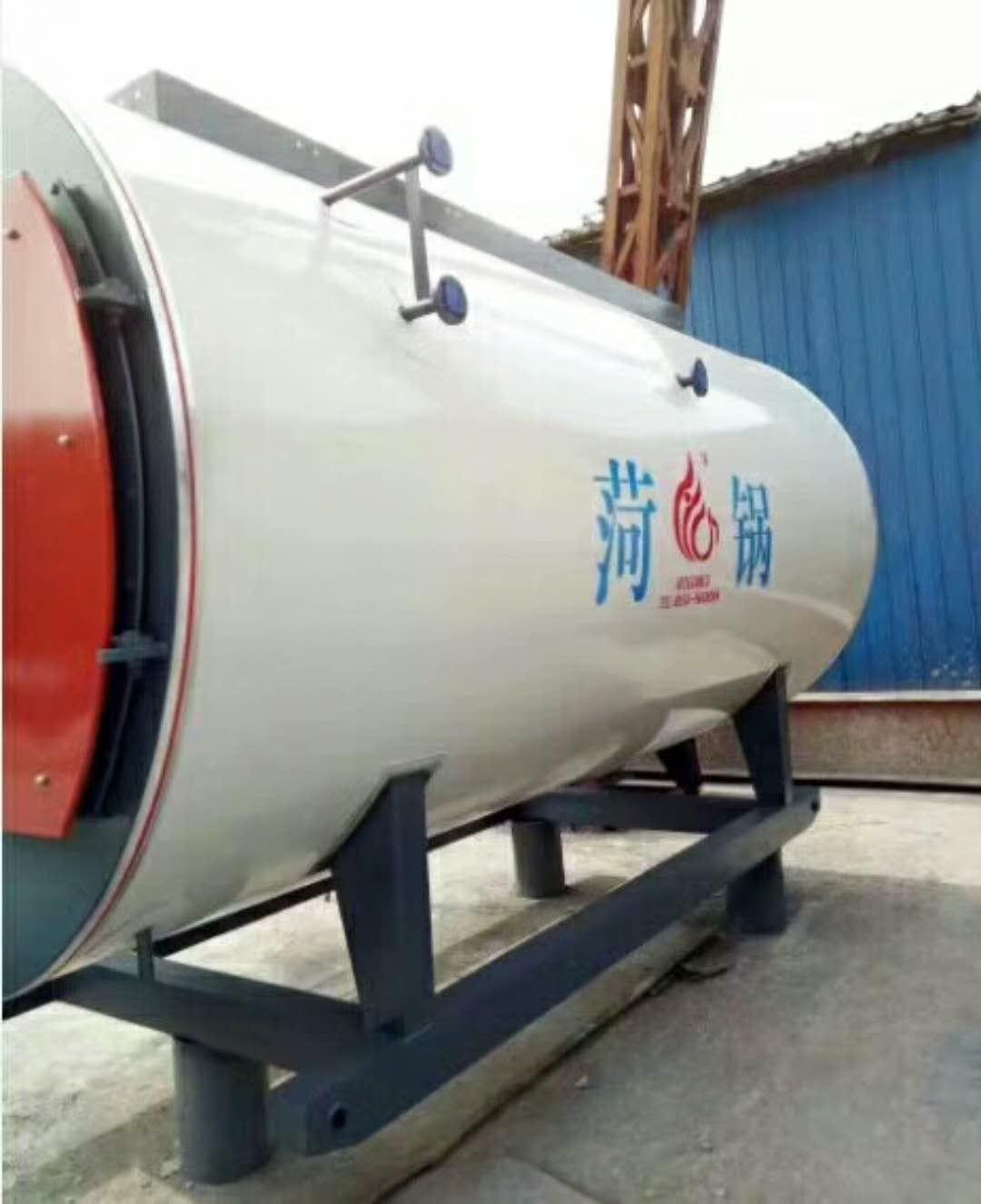

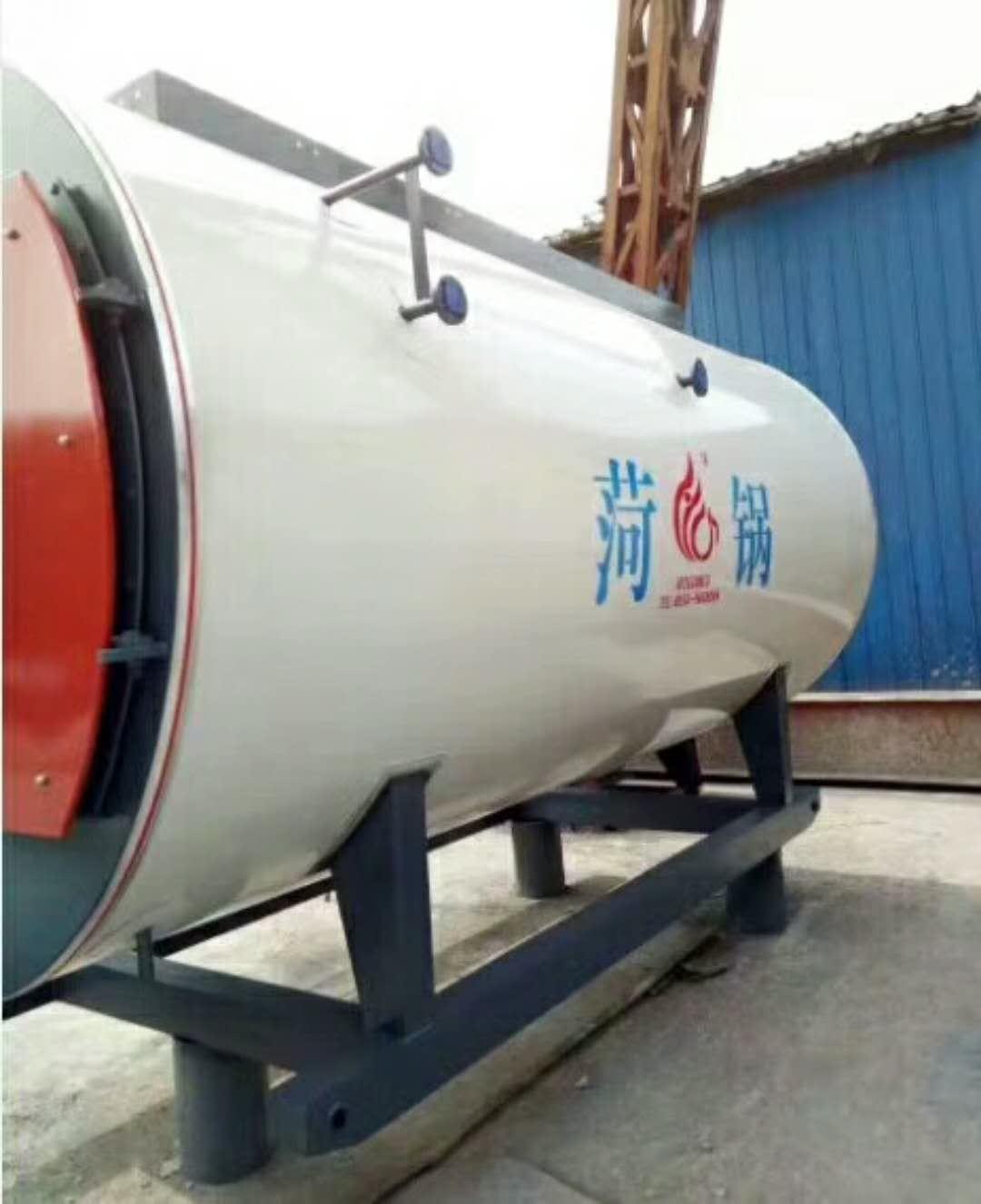
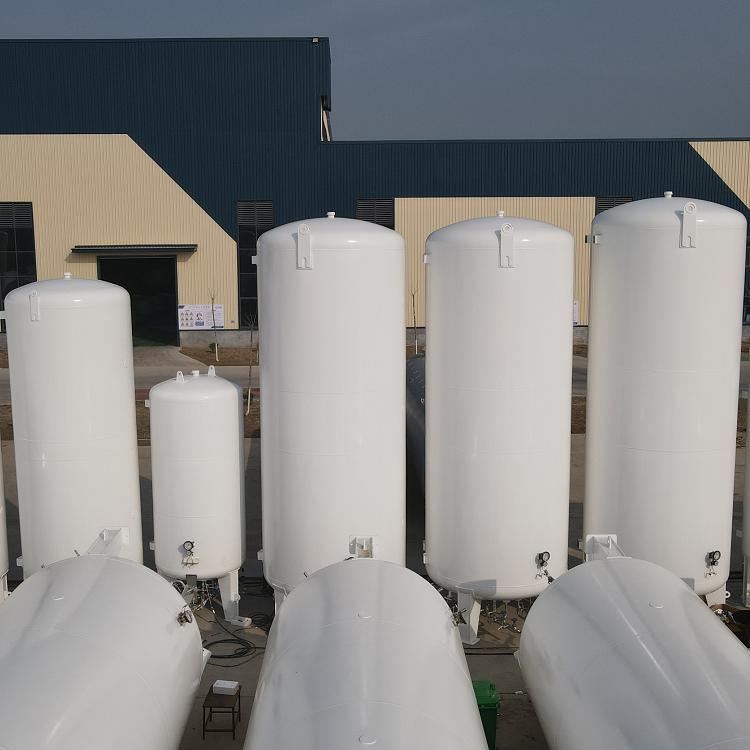


















Shandong Zhongjie Special Equipment's main products include: fuel (gas) boilers, organic heat carrier boilers, biomass boilers, waste heat recovery boilers, and other boiler products; vacuum insulation cryogenic pressure vessels such as LNG tanks, oxygen/nitrogen/argon tanks, and CO2 tanks; pressure vessel products like denitrification engineering equipment, heat storage and energy storage equipment, and complete chemical equipment; central air conditioning and ventilation equipment such as ground (water) source heat pumps, air source units, water-cooled screw units, and air-cooled modular units. Planned products include large-scale energy centers, LNG transport vehicles, LNG tank containers, and other green energy equipment.
To avoid the dangers caused by static electricity in liquid oxygen tanks, the following measures can be taken:
Grounding: Ensure proper grounding of the liquid oxygen storage tank and associated equipment. Grounding allows for the release of static electricity to the ground, reducing the likelihood of static buildup. Metal components such as tanks and pipelines should be connected to a reliable grounding system.
Static dissipative materials: Utilize static dissipative materials to reduce the accumulation of static electricity. For instance, apply conductive coatings or materials on the insulation layer of liquid oxygen storage tanks and pipelines to discharge static electricity to the ground.
Anti-static Equipment: Utilize anti-static equipment, such as static-conductive pipes and hoses, to minimize the buildup and release of static electricity. These devices help to discharge static to the ground, reducing the occurrence of static sparks.
Static grounding wire: Install static grounding wires on liquid oxygen storage tanks and related equipment to discharge static electricity to the ground. These grounding wires should be connected to a reliable grounding system and be inspected and maintained regularly.
Static Eliminators: Utilize static eliminators to neutralize static electricity. These devices neutralize static by releasing opposite charges, reducing static buildup and spark generation.
Electrostatic Safety Training: Conduct electrostatic safety training for personnel using liquid oxygen tanks to enhance their awareness and prevention of electrostatic hazards. The training content can include the principles of electrostatic formation, preventive measures, and emergency response procedures.
It should be noted that the static electricity prevention measures for liquid oxygen tanks should be designed and implemented by personnel, following relevant safety operating procedures and standards. During operation, the procedures should be strictly adhered to to avoid the generation of static sparks and ensure the safety of the tank.
The operational and protective procedures for the use of low-temperature liquid nitrogen storage tanks should include the following:
Staff Training: All operators must undergo safety training for liquid nitrogen storage tanks, familiarize themselves with the properties, hazards, and proper operation methods as well as emergency response procedures.
Protective Gear: Operators must wear appropriate protective gear, including gloves, protective suits, and non-slip shoes, to safeguard themselves from the low temperatures of liquid nitrogen and other hazards.
Ventilation Requirements: Adequate ventilation must be maintained in the operational area of the liquid nitrogen storage tank to expel gases produced by the evaporation of liquid nitrogen. Avoid excessive oxygen concentration to minimize the risk of fire and explosion.
Leakage Control: Tanks must be equipped with leak detection devices and alarm systems to promptly detect and control the leakage of liquid nitrogen. Upon detection of a leak, immediate measures should be taken to control the source of the leak and to initiate repairs.
Fire Prevention Measures: Nitrogen liquid has a low boiling and freezing point, which is prone to fire. To prevent and contain fires, fire walls and fire-retardant coatings should be installed around nitrogen liquid storage tanks.
Static Dissipation: The accumulation of static electricity in liquid nitrogen tanks can cause sparks, increasing the risk of fire. Measures such as using static-conductive materials and anti-static equipment should be taken to reduce the accumulation and release of static electricity.
Regular inspections and maintenance: Conduct regular checks on the condition of liquid nitrogen tanks and related equipment, including valves, pipes, pressure gauges, etc. Ensure the equipment is in perfect condition and promptly repair or replace any damaged parts.
Waste Gas Treatment: Nitrogen liquid storage tanks produce waste gas during operation, which requires appropriate waste gas treatment measures to prevent harm to the environment and human health.
Emergency Response Plan: Develop an emergency response plan for liquid nitrogen tanks, including procedures for handling leaks, emergency rescue measures, and protocols for notifying relevant departments. Operators
The cooling process and precautions for liquid argon cylinders are as follows:
Cooling Process Analysis:
Clean the vessel: Before cooling the liquid argon tank, ensure the internal cleanliness, free from impurities and contaminants. Use an appropriate cleaning agent for washing and rinse thoroughly.
Drain and vent: To empty the gas inside the tank and expel it through the exhaust system to reduce the gas content within the tank.
Add Liquid Nitrogen: Inject liquid nitrogen into the tank, which can quickly cool the air inside the tank and its walls, thereby reducing the tank's temperature.
Cooling Off: Liquid nitrogen will gradually lower the temperature inside the container through the heat conduction until it reaches the required low temperature.
Cautionary Notes:
Safety Protection: Necessary safety precautions must be taken during the cooling process of liquid argon tanks. Liquid argon has low temperatures and high flammability, so operators should wear protective suits, gloves, and other personal protective equipment to ensure safe operation.
Fire Prevention Measures: Liquid argon is highly flammable; therefore, during the cooling process of the liquid argon tank, it is essential to ensure there are no ignition sources in the surrounding environment and to have appropriate fire extinguishing equipment on hand.
Temperature Control: During the cooling process of the liquid argon tank, it is necessary to control the tank's temperature to prevent overcooling or insufficient cooling. Temperature sensors and temperature control systems can be used to monitor and control the tank's temperature.
Insulation and Heat Retention: Liquid argon cylinders are typically designed with double or multi-layer structures, filled with insulating material in the middle to minimize heat transfer and evaporation of liquid argon. Ensure the integrity and good insulation of the insulating layer.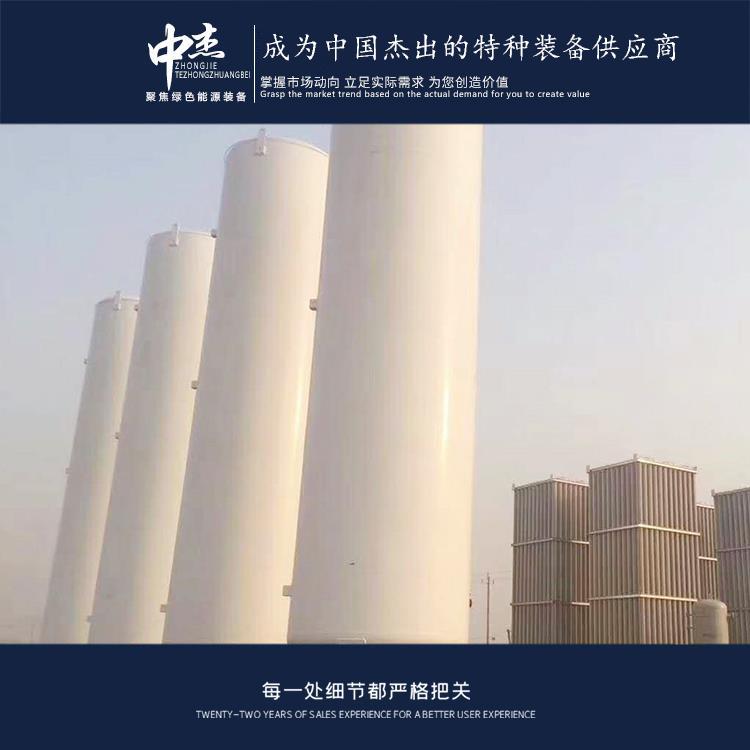
The use of liquid nitrogen storage tanks in rapid freezing technology offers several advantages:
Rapid Freezing Speed: Liquid nitrogen has a low temperature of approximately -196 degrees Celsius. Utilizing liquid nitrogen tanks for quick freezing can rapidly lower the surface temperature of food, achieving fast freezing. Compared to traditional freezing methods, liquid nitrogen freezing can significantly reduce freezing time while preserving the quality and texture of the food.
Uniformly Frozen Effect: The liquid nitrogen quick-freezing technology achieves rapid and even freezing of food. Liquid nitrogen is喷射 onto the food surface in a gaseous form, quickly absorbing heat and turning into a liquid, thereby ensuring even freezing of the food and preventing crystallization and lumping during the freezing process.
Maintain Food Quality: Liquid nitrogen quick-freezing rapidly chills food, minimizing crystallization and clumping during the freezing process, thus preserving the quality and texture of the food. During the quick-freezing process, the liquid nitrogen quickly reduces the surface temperature of the food, forming tiny frozen structures that effectively retain the moisture and nutritional content of the food.
Flexibility and Adaptability: Liquid nitrogen tanks can be adjusted and controlled according to different food types and freezing requirements. The injection speed and angle of liquid nitrogen can be adjusted based on the size, shape, and freezing needs of the food to achieve optimal freezing results.
Environmental Protection and Energy Efficiency: Liquid nitrogen rapid freezing technology is more energy and resource-saving compared to traditional freezing methods. Liquid nitrogen evaporates quickly during the freezing process, causing environmental pollution and generating waste water and gas.
Note that when using liquid nitrogen tanks for flash freezing, it is crucial to adhere to the relevant safety operation procedures and guidelines. Ensure that operators possess the necessary safety awareness and operational skills to prevent accidents. Additionally, consult
Our company attaches great importance to technological innovation and R&D design. We have one municipal-level enterprise technology center in Heze City, equipped with non-destructive testing, physical and chemical testing, welding testing, hydrostatic testing, and other testing facilities. We have over 600 various instruments and equipment, including CNC machine tools, X-ray flaw detectors, digital ultrasonic flaw detectors, mechanical property testing machines, chemical analyzers, spectrometers, tensile testing machines, plasma welding machines, etc. The key products we have developed, such as temperature and pressure vessel welding, biomass boiler emission reduction, and waste heat utilization, have successively been selected for multiple Shandong Provincial Department of Industry and Information Technology science and technology innovation projects, Shandong Provincial key projects, and Heze City innovative and excellent projects. We have accumulated 27 authorized utility models, 16 authorized inventions, participated in drafting 2 standards, 2 industry standards, and registered 15 trademarks. Our technical team, in collaboration with Professor Li Yajiang of Shandong University, has developed deep cryogenic container processing technology using the international plasma arc + filler wire tungsten inert gas arc welding (PAW-GTAW) technology. The provincial-level scientific and technological achievement identification has confirmed that our technology level in deep cryogenic container manufacturing has reached international standards. Choose Zhongjie Special Equipment, and let's create brilliance together!
WeChat Official Account

Scan to follow Official Account



















