


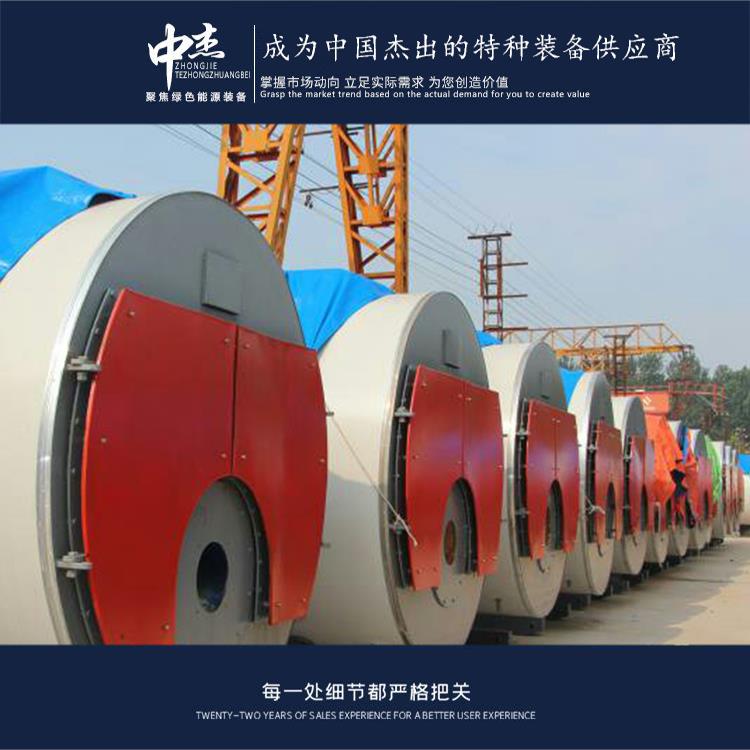

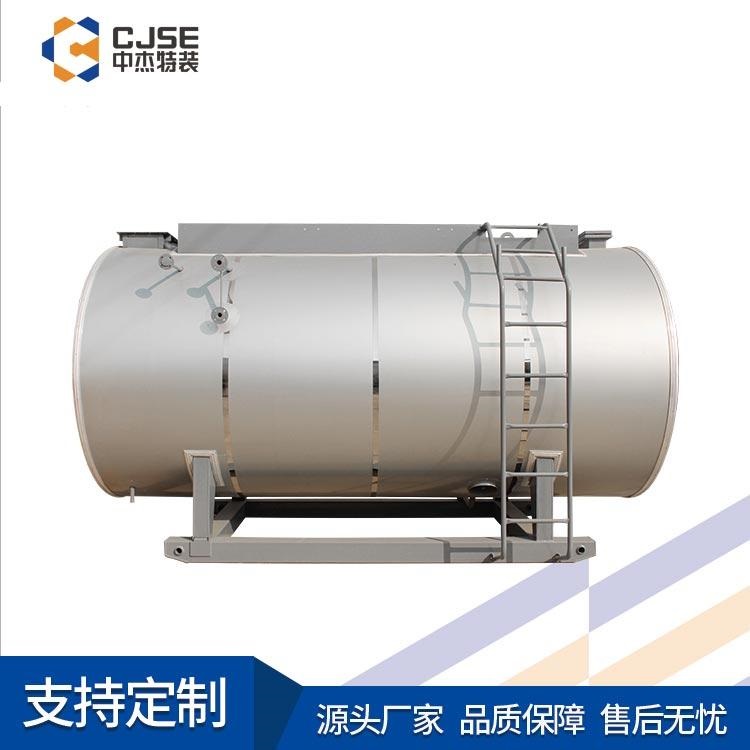
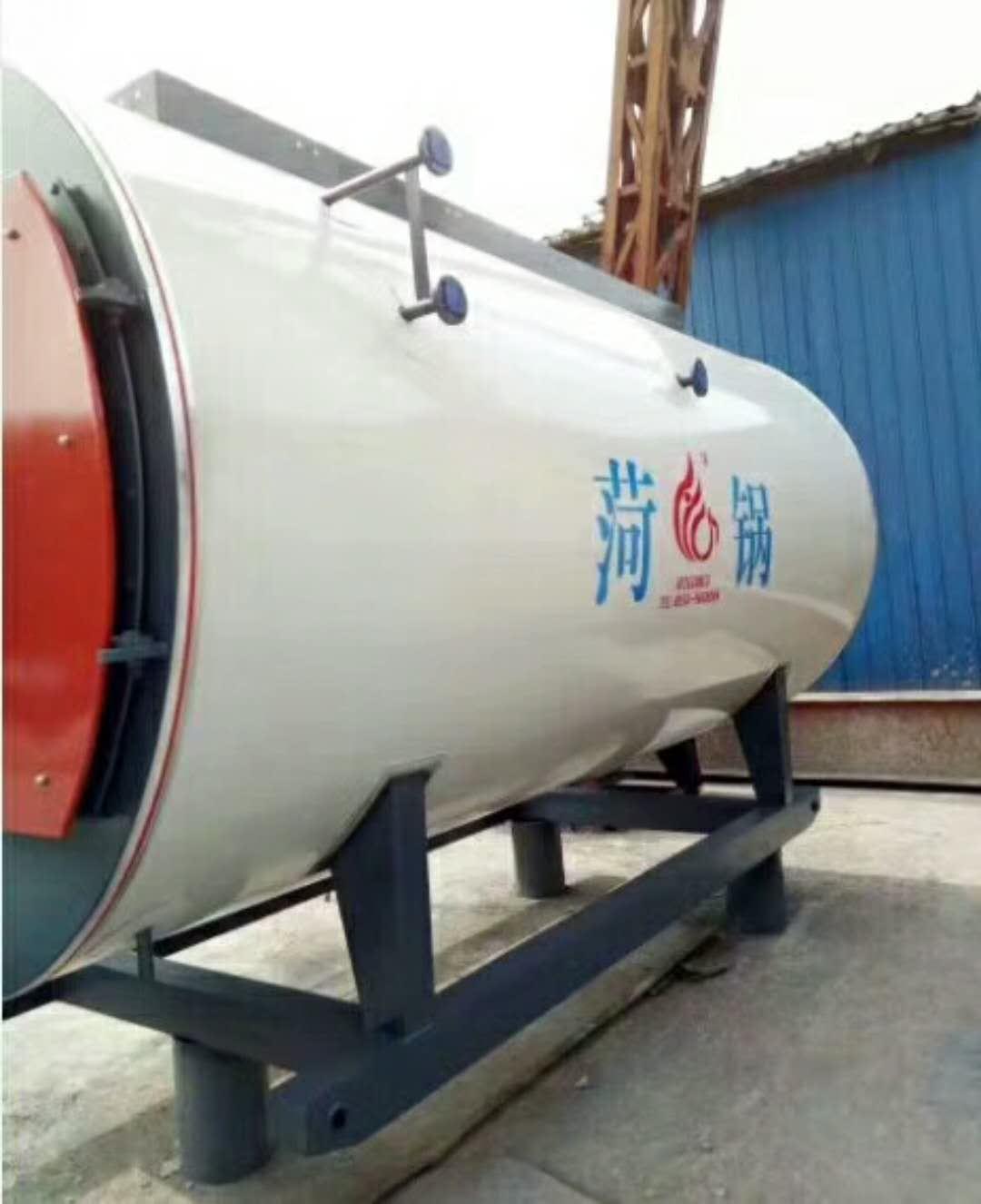


















Shandong Zhongjie Special Equipment's main products include: fuel (gas) boilers, organic heat carrier boilers, biomass boilers, waste heat recovery boilers, and other boiler products; vacuum insulation cryogenic pressure vessels such as LNG tanks, oxygen/nitrogen/argon tanks, and CO2 tanks; pressure vessel products such as denitrification engineering equipment, heat storage and energy storage equipment, and complete chemical equipment; central air conditioning and HVAC equipment such as ground (water) source heat pumps, air source units, water-cooled screw units, and air-cooled modular units. Planned products include large-scale energy centers, LNG transport vehicles, LNG tank containers, and other green energy equipment.
Based on the provided information, I cannot accurately determine the heating area for a 40-ton gas-fired hot water boiler or the gas pressure for an atmospheric pressure gas boiler. Establishing these parameters requires considering multiple factors, including the boiler's design specifications, the type and quality of the gas, and the heating system's requirements. The heating area is typically calculated based on the size of the building or industrial production facility to be heated and the thermal load, which is determined by factors such as the building's floor area, the climate conditions of the region, and the required indoor temperature. The gas pressure depends on the type of gas and the design of the gas supply system. Different types of gas require different pressure levels. Additionally, the gas pressure must also consider the transport distance of the gas pipeline, the pipeline diameter, and the material of the pipeline. Therefore, for an accurate determination of the heating area for the 40-ton gas-fired hot water boiler and the gas pressure for the atmospheric pressure gas boiler, it is recommended to consult the boiler manufacturer or engineer, who can calculate and design based on the specific situation.
If a gas boiler gas leak is detected, the following actions must be taken immediately to address the situation:
1. Immediately shut off the gas supply: First, quickly close the gas supply valve to cut off the gas supply. This prevents further leakage and reduces safety risks.
2. Ventilate the area: Open windows and doors to ensure proper indoor air circulation and expel any remaining gas. This helps lower the indoor gas concentration and reduces the risk of explosion and poisoning.
3. Avoid open flames and electrical appliances: In the event of a gas leak, avoid using open flames and electrical devices to prevent fires or electrical sparks that could trigger an explosion.
4. Do not operate electrical switches: Do not operate electrical switches, including lights, TVs, computers, etc., to prevent the generation of sparks that could cause an accident.
5. Contact the gas company or personnel: Promptly contact the local gas company or personnel to report the gas leak and request their inspection and repair.
6. Do not use a phone or make calls: Under suspected gas leak conditions, do not use a phone or make calls to avoid static electricity triggering an explosion.
7. Keep away from the leak area: Keep a safe distance from the leak area to ensure your safety. Do not approach the gas boiler or the leak point to avoid injury.
Remember, handling a gas boiler gas leak is a dangerous task that requires caution. It is best left to professionals to ensure safety.
Steam boiler equipment water treatment refers to the process of treating water in steam boilers to ensure normal operation and extend the lifespan of the equipment. Below are the basic knowledge points regarding steam boiler equipment water treatment:
Water Quality Requirements: The water quality in steam boilers is of high standard, typically requiring the removal of impurities, dissolved oxygen, and hardness substances. Impurities and hardness substances can lead to scaling and corrosion on the boiler's inner walls, while dissolved oxygen can cause corrosion and the formation of bubbles.
Removal of Impurities: Common methods for removing water impurities include sedimentation, filtration, and ion exchange. Sedimentation involves adding chemicals to make impurities settle, filtration removes impurities through a filtering medium, and ion exchange uses resin to adsorb and exchange ions to remove impurities from the water.
Adjusting Hardness: The hardness substances in water are mainly salts of calcium and magnesium, which can cause scaling on the boiler's inner walls. Hardness can be adjusted by adding chemicals or using water softening equipment to prevent scaling issues.
Removing Dissolved Oxygen: Dissolved oxygen can cause corrosion and the formation of bubbles. It can be removed by adding oxidizing agents or using deaeration equipment.
Controlling pH: The pH of the water in steam boilers affects equipment corrosion and scaling. It is usually necessary to control the water pH within an appropriate range, using buffers or regulators to adjust the pH.
Regular Testing and Maintenance: Regular water quality testing of the steam boiler equipment should be conducted, including measuring hardness, dissolved oxygen, and pH levels. Appropriate water treatment measures and maintenance should be implemented based on the test results.
Steam boiler equipment water treatment is a crucial aspect for ensuring normal boiler operation and extending equipment lifespan. Rational water treatment measures can effectively prevent scaling, corrosion, and malfunctions on the boiler's inner walls.
Before ignition, the preparation of the steam boiler involves the following steps:
1. Clean the boiler: First, clean the internal and external dirt and impurities from the boiler. Remove ash, sediment, and dirt to ensure combustion and heat exchange efficiency.
2. Check fuel supply: Inspect the fuel supply system to ensure a smooth fuel supply. Check the fuel storage, conveyance pipes, and filters, clearing blockages and replacing damaged parts.
3. Inspect the burner: Check the operational status and cleanliness of the burner. Clean the burner's nozzle and flame detector to ensure proper burner operation.
4. Check the gas system: For gas boilers, inspect the gas supply system. Check the gas pipes, valves, and pressure regulators to ensure safe and stable gas supply.
5. Check water level and pressure: Inspect the boiler's water level and pressure. Ensure the water level is within the normal range, and pressure is stable and meets requirements. Add water and adjust pressure if necessary.
6. Check safety devices: Inspect the boiler's safety devices, such as safety valves, pressure switches, and water level controllers. Ensure these safety devices operate normally to guarantee safe boiler operation.
7. Prepare ignition tools: Prepare the tools and equipment needed for ignition, such as a lighter rod, igniter, and matches. Ensure these tools function properly and are safe.
When performing the above preparation tasks, follow relevant operational procedures and safety requirements to ensure safety and effectiveness. If unsure about the preparation process, consult an expert or the boiler manufacturer for advice.
Shandong Zhongjie Special Equipment, welcome customers to visit our factory for business negotiations.
WeChat Official Account

Scan to follow Official Account



















