


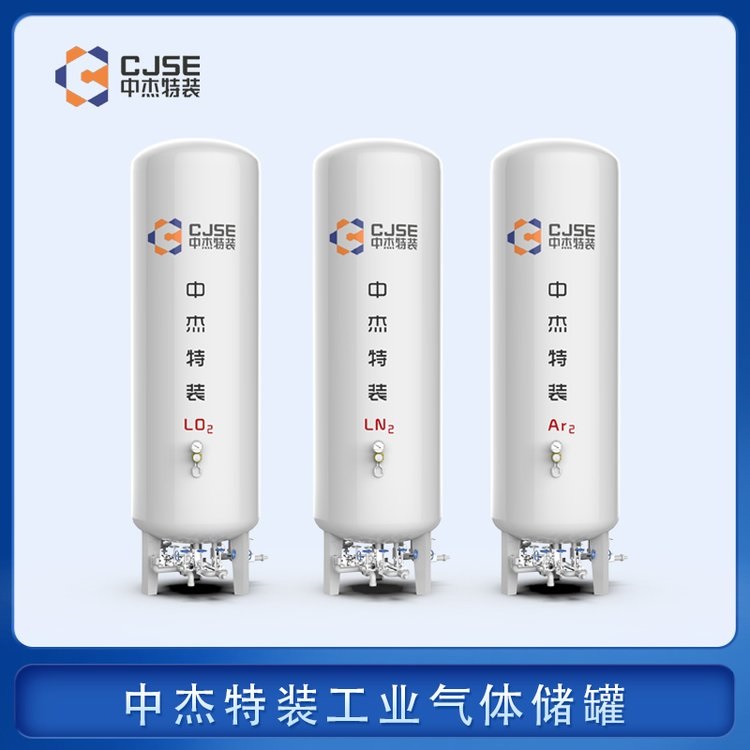

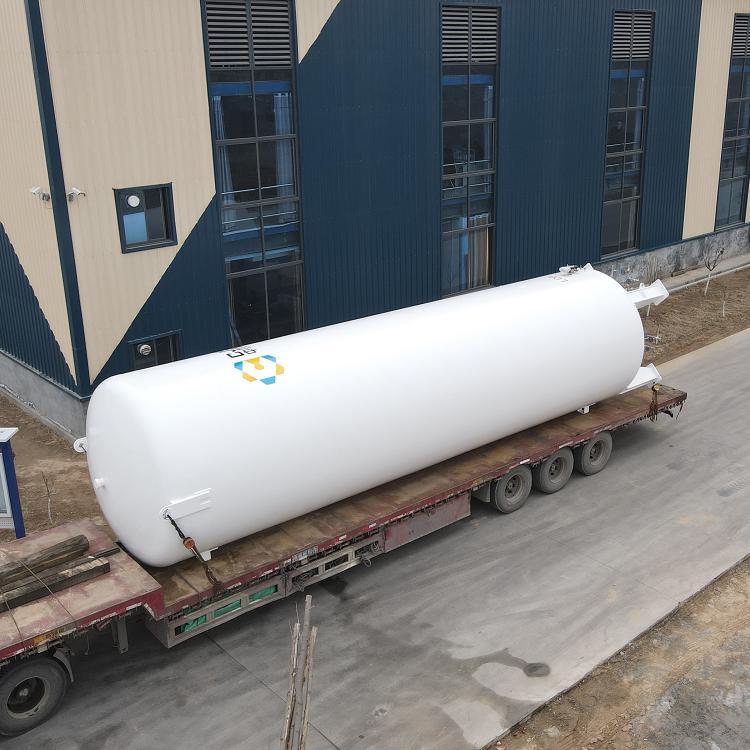
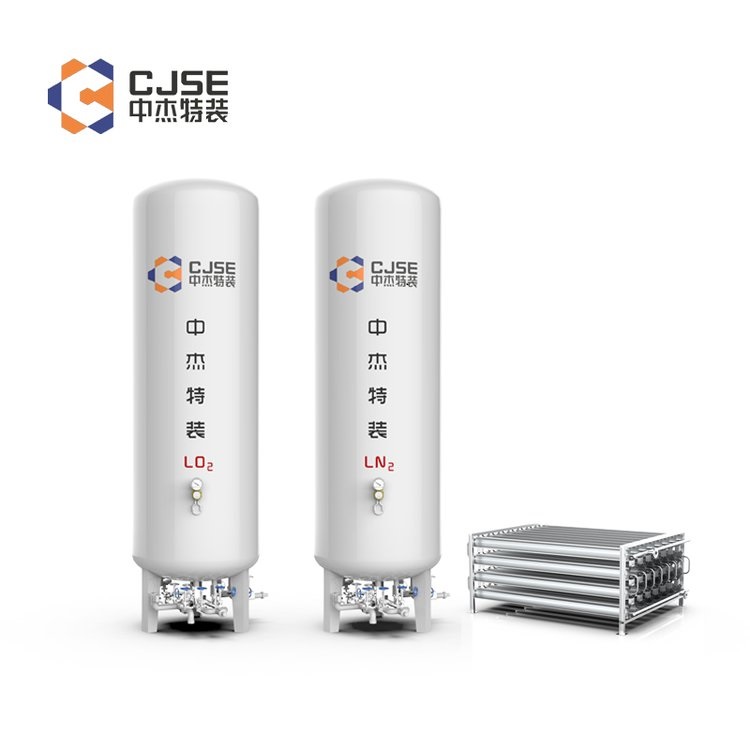


















Shandong Zhongjie Special Equipment (formerly Heze Boiler Factory Co., Ltd.) was established in 2001, located at No. 2218 Jinnan Road, Economic and Technological Development Zone, Heze City. With a registered capital of 50 million yuan and total assets of 500 million yuan, the company has 7 business centers: boiler, deep-freeze container, pressure vessel, central air conditioning, engineering installation, international trade, and Internet of Things. It has three factory sites on Jinnan Road, East Changjiang Road, and Bohai Road, covering a total of 200,000 square meters. The main workshop spans 83,000 square meters. It currently employs 710 staff, including 247 engineers and technicians, and 82 intermediate-level technical personnel. In December 2016, it was recognized as a "High-tech Enterprise" by the Science and Technology Department. In June 2021, it was identified as a "Specialized and New Enterprise in Shandong Province" by the Ministry of Industry and Information Technology. In June 2022, it was recognized as a "Gazelle Enterprise in Shandong Province," and in August 2022, it was identified as a "Specialized and New Small Giant Enterprise" by the Ministry of Industry and Information Technology.
Carbon dioxide storage tanks offer the following advantages:
- High storage density: These tanks can compress carbon dioxide gas into a liquid state, significantly increasing storage density. Compared to storing it in a gaseous state, liquid carbon dioxide can be stored in a smaller tank, saving space and costs.
- Environmental friendly and renewable: Carbon dioxide is an eco-friendly gas, and its increased concentration in the atmosphere contributes to warming and climate change. By storing and utilizing carbon dioxide, we can reduce its emissions into the atmosphere, promoting environmental protection and sustainable development.
- Versatile applications: Carbon dioxide storage tanks are widely used in various fields, including the food and beverage industry, manufacturing, fire suppression, and gas supply. Carbon dioxide serves as a preservative, carbonation agent for beverages, gas, and fire extinguishing agent, with extensive uses and market demand.
- Safe and reliable: During design and manufacturing, carbon dioxide storage tanks typically use high-strength materials (such as carbon steel or stainless steel) for excellent pressure resistance and safety. The tanks are usually equipped with safety valves, pressure gauges, level indicators, and other accessories to ensure safe operation. Moreover, carbon dioxide is non-flammable and non-explosive, making it relatively safe.
These advantages make carbon dioxide storage tanks a crucial storage and supply equipment, widely used in numerous industries. However, it is essential to follow relevant safety operation procedures and standards when using carbon dioxide storage tanks to ensure safe operation and usage.
Carbon dioxide (CO2) and liquid oxygen (LOX) storage tanks are equipment used for storing different gases, with some differences in their physical properties:
- Physical State: CO2 is a gas at room temperature and requires low temperatures and high pressures to be converted into a liquid. LOX is a liquid at room temperature and can maintain its liquid state without special conditions.
- Storage Temperature: The liquid CO2 storage temperature is typically between -40°C and -78.5°C, while the liquid oxygen storage temperature is usually between -183°C and -183.15°C. The storage temperature for LOX is lower, necessitating more stringent insulation measures.
- Storage Pressure: The liquid CO2 storage pressure is generally between 5-20 MPa, while the liquid oxygen storage pressure is typically between 0.2-2 MPa. The storage pressure for LOX is lower.
- Density: The density of liquid CO2 is approximately 0.8 g/cm³, while the density of liquid oxygen is about 1.14 g/cm³. The density of liquid oxygen is greater.
- Safety: LOX has a high oxygen content, making it highly flammable and oxidizing, requiring stricter safety measures. CO2 is relatively safe but can still pose health risks at high concentrations.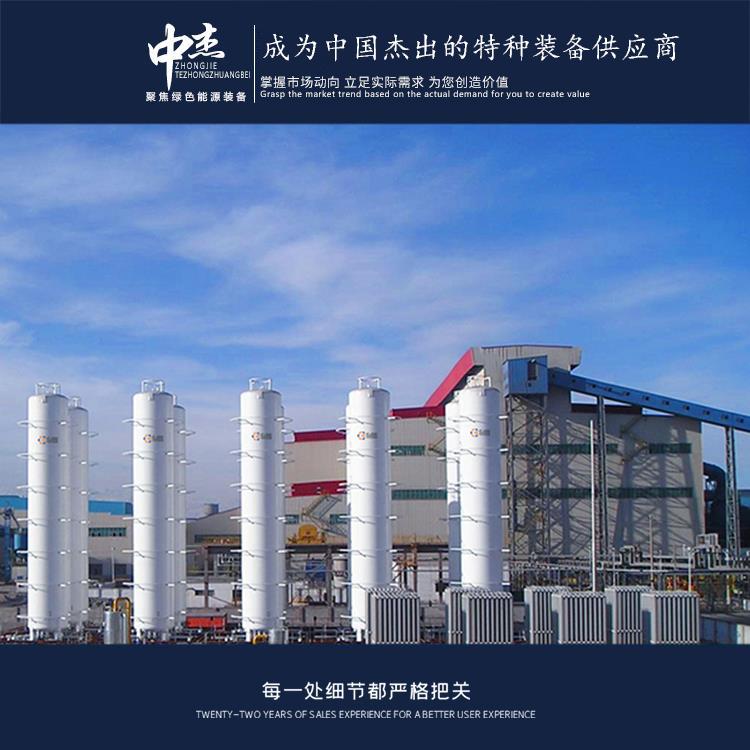
The internal structure of a carbon dioxide storage tank typically includes the following main components:
- Tank Shell: The tank shell is the primary container for storing carbon dioxide and is usually made of carbon steel or stainless steel. It is designed with sufficient strength and sealing to withstand internal pressure and loads.
- Lining Layer: To prevent direct contact between carbon dioxide and the tank shell, avoiding corrosion and contamination, the interior of the tank is often coated with a lining layer. This lining is typically made of corrosion-resistant materials such as fiberglass or polyester resins.
- Support Structure: To support the tank's weight and maintain stability, a support structure is usually installed inside the tank. This can include support feet, frames, etc., to support the bottom and side walls of the tank.
- Internal Accessories: The tank is also equipped with some important accessories, such as level gauges, pressure sensors, temperature sensors, and safety valves. These accessories are used to monitor and control the liquid level, pressure, and temperature inside the tank to ensure safe operation.
- Pressure Relief Device: To prevent excessive internal pressure, the tank is usually fitted with a pressure relief device, such as a safety valve. When the internal pressure exceeds the set value, the relief device automatically opens to release pressure, protecting the tank's safety.
- Inlet and Outlet Piping: The tank also features inlet and outlet piping for the injection and discharge of carbon dioxide. These pipes are typically connected to external supply or consumption systems to facilitate the storage and use of carbon dioxide.
The above describes the general internal structure of a carbon dioxide storage tank. Specific structural design and configurations may vary depending on the tank's application and specifications. When using and maintaining the tank, it is necessary to...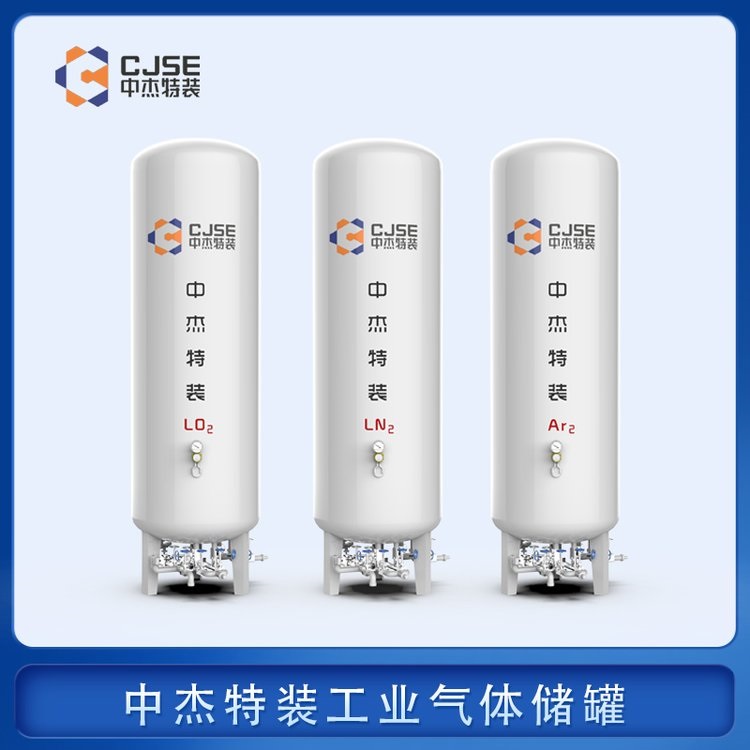
Carbon dioxide storage tanks possess the following characteristics:
- High-pressure vessels: Carbon dioxide storage tanks are typically designed as high-pressure vessels, capable of withstanding high pressure. This is because carbon dioxide requires high pressure at room temperature to maintain its liquid state.
- High oxidizing properties: Carbon dioxide has high oxidizing properties and can support combustion. Therefore, when using and storing carbon dioxide, precautions should be taken to prevent contact to avoid the risk of fire and explosion.
- Low-temperature storage: Carbon dioxide is gaseous at room temperature but can be compressed into a liquid state at lower temperatures. As such, carbon dioxide storage tanks usually need to have good thermal insulation to maintain the低温 of the stored liquid carbon dioxide.
- High density: Liquid carbon dioxide has a high density, allowing for the storage of large amounts of carbon dioxide in a relatively small volume. This makes carbon dioxide storage tanks useful in scenarios requiring substantial carbon dioxide supply.
- Safety valves and pressure control: To ensure that the internal pressure of the tank remains within a safe range, carbon dioxide storage tanks are usually equipped with safety valves and pressure control devices. These devices monitor and control the internal pressure of the tank to prevent excessive pressure from causing tank rupture.
- Corrosiveness: Carbon dioxide has some corrosive properties, especially in high humidity environments. Therefore, the materials and corrosion prevention measures for the tanks need to consider the corrosiveness of carbon dioxide to ensure the tank's durability and safety.
These characteristics make carbon dioxide storage tanks widely applicable in various industries, such as food and beverage, manufacturing, fire extinguishing, and gas industries. When using carbon dioxide storage tanks, it is necessary to follow relevant safety operating procedures and standards to ensure operational safety.
Our company highly values technological innovation and R&D design. We possess 1 municipal-level enterprise technology center in Heze City, and have established testing facilities for non-destructive testing, physical and chemical testing, welding testing, hydrostatic testing, etc. We are equipped with over 600 various instruments and equipment, including CNC machine tools, X-ray flaw detectors, digital ultrasonic flaw detectors, mechanical property testing machines, chemical analyzers, spectrometers, tensile testing machines, plasma welding machines, and more. The key products we have developed, such as temperature and pressure vessel welding, biomass boiler emission reduction, and waste heat utilization, have successively been shortlisted for multiple Shandong Provincial Department of Industry and Information Technology science and technology innovation projects, key projects in Shandong Province, and Heze City innovative and excellent projects, etc. We have accumulated a total of 27 authorized utility models, 16 authorized inventions, participated in drafting 2 standards, 2 industry standards, and registered 15 trademarks. Our technical team, in collaboration with Professor Li Yajiang of Shandong University, has jointly developed deep cryogenic container processing technology, which adopts the internationally recognized plasma arc + wire filling tungsten inert gas arc welding (PAW-GTAW) technology. After being appraised as a provincial-level scientific and technological achievement, our technology level in the field of deep cryogenic container manufacturing has reached international standards. Choose Zhongjie Special Equipment, and let's create brilliance together!
WeChat Official Account

Scan to follow Official Account



















