


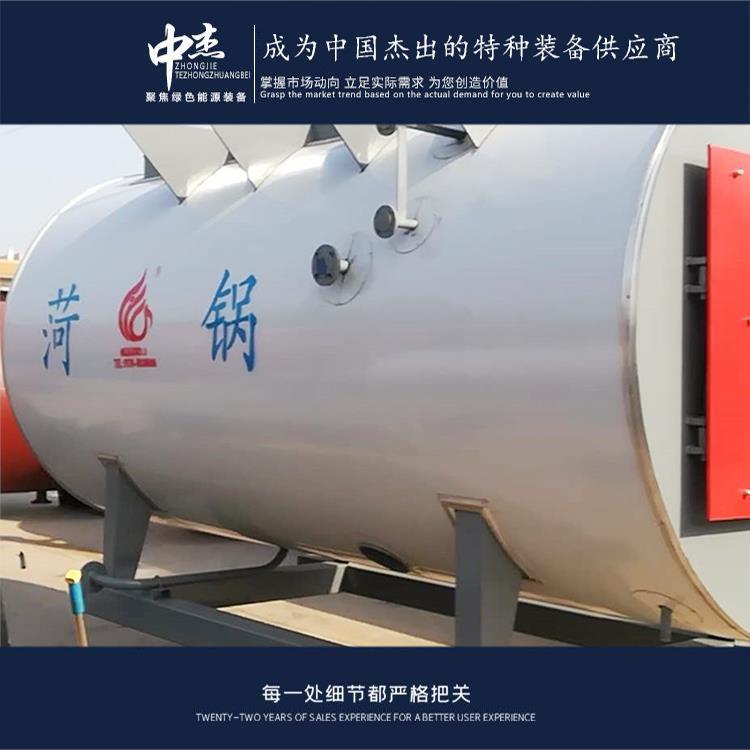

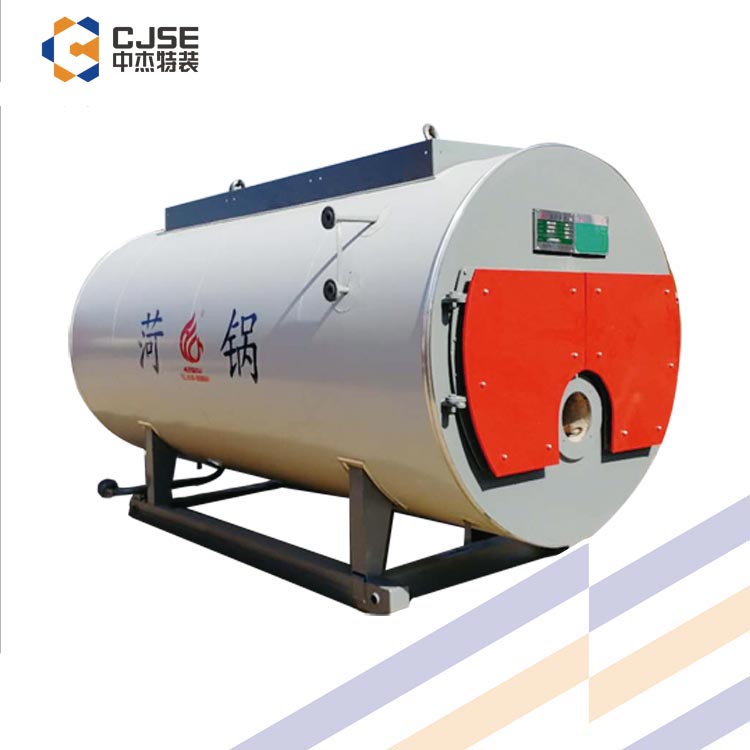
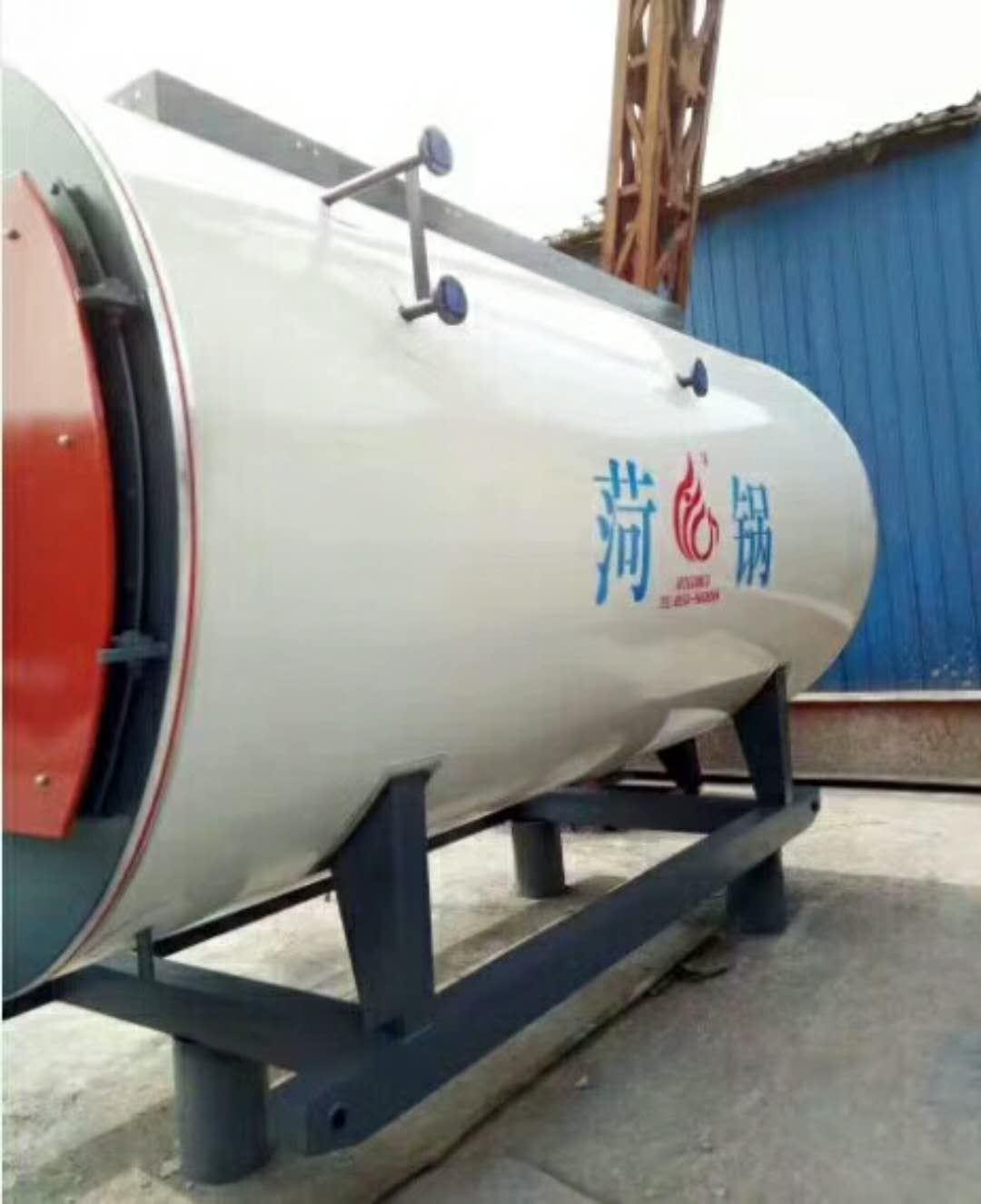


















Shandong Zhongjie Special Equipment Co., Ltd. specializes in the following products: fuel (gas) boilers, organic heat carrier boilers, biomass boilers, waste heat recovery boilers, and other boiler products; vacuum insulation cryogenic pressure vessels such as LNG tanks, oxygen/nitrogen/argon tanks, and CO2 tanks; pressure vessel products including denitrification engineering equipment, heat storage and energy storage equipment, and complete chemical equipment sets; central air conditioning and HVAC equipment such as ground (water) source heat pumps, air source units, water-cooled screw units, and air-cooled modular units. Planned products include large-scale energy centers, LNG transport vehicles, LNG tank containers, and other green energy equipment.
Excessive exhaust gas temperature in a thermal oil boiler may be due to several reasons:
- Incomplete combustion: If the fuel is not fully combusted during the boiler's combustion process, it leads to a high concentration of unburned fuel and harmful substances in the flue gas, causing the exhaust temperature to rise. Possible causes include insufficient fuel supply, improper adjustment of the burner, and burner wear.
- Excessive air: An excess of air can lower the combustion temperature, resulting in insufficient heat in the flue gas to reduce the temperature to a reasonable range. Causes may include improper burner adjustment and excessive opening of the air door.
- Duct blockage: Accumulation of ash, slag, or other impurities in the flue duct can obstruct the flow of flue gas, increasing the residence time and thus raising the exhaust temperature.
- Abnormal thermal oil flow: An abnormal flow of thermal oil, either too high or too low, can cause uneven heat transfer, leading to a rise in flue gas temperature.
- Overheating of the boiler: If the temperature control of the thermal oil boiler is not properly managed, leading to overheating, it can raise the exhaust gas temperature.
- Design issues of the boiler: Design problems such as a small flue or poor flue gas flow may also cause the exhaust gas temperature to be too high.
To address the issue of excessive exhaust gas temperature, a comprehensive inspection and analysis of the thermal oil boiler is required. Solutions may include adjusting burner parameters, cleaning the flue duct, checking thermal oil flow and temperature control. In severe cases, modifications or repairs to the boiler system may be necessary. Additionally, regular maintenance and inspections are crucial preventive measures against excessive exhaust gas temperature.
A condensing steam boiler is an energy-saving boiler equipment, with the following working principle and features:
Working Principle:
- Steam Generation: The condensing steam boiler produces high-temperature flue gas by burning gas, which then exchanges heat with the water pipes inside the boiler, heating the water into steam.
- Steam Condensation: After steam is generated, it enters the condenser where it exchanges heat with the condensing medium (usually cold water or recycled water), releasing heat from the steam and condensing it back into water.
- Flue Gas Reuse: The flue gas after condensation still contains a certain amount of heat, which can be recovered and reused by a flue gas reuse unit to improve the boiler's thermal efficiency.
Features:
- Energy Saving: The condensing steam boiler utilizes the principle of steam condensation to fully utilize the heat in the steam, enhancing thermal energy utilization efficiency and saving energy consumption.
- Low Emission: Due to the recovery of most of the heat during the flue gas condensation process, the flue gas temperature is lower, resulting in a relatively low emission of pollutants and a smaller environmental impact.
- Compact Structure: The condensing steam boiler typically features a compact structural design, occupying less space and suitable for places with limited space.
- Fast Startup: The condensing steam boiler has the characteristics of fast startup and shutdown, allowing for flexible adjustments and operation based on actual needs.
- Wide Application Range: The condensing steam boiler is suitable for heating and steam requirements in industrial production processes, such as power plants, chemical factories, and textile factories.
- Maintenance Note: It is important to note that the condensing steam boiler requires regular maintenance and care during use, including periodic cleaning of the condenser and flue gas reuse unit to ensure proper operation and performance.
In industrial boiler systems, the key functional parameters of pumps include the following aspects:
- Flow Rate: The flow rate of a pump refers to the volume of liquid pumped per unit of time. In industrial boilers, pumps must provide sufficient flow to meet the boiler's water requirements. The flow rate depends on the boiler's rated evaporation capacity and the design requirements of the circulating water system.
- Head: The head of a pump is its ability to overcome liquid resistance and lift the liquid to a certain height. In industrial boilers, pumps must have adequate head to ensure water flows smoothly to all parts of the boiler, including the feed and circulating water systems.
- Power: The power of a pump is the electrical or mechanical energy required to drive the pump. In industrial boilers, the power of the pump must be determined based on flow rate and head to meet the system's needs.
- Efficiency: The efficiency of a pump is the ratio of the input energy to the output fluid energy. High-efficiency pumps can reduce energy consumption and operating costs. In industrial boilers, selecting high-efficiency pumps can improve the system's energy efficiency.
- Stability and Reliability: Pumps in industrial boiler systems must have good operational stability and reliability. They should be able to run stably for long periods without being affected by external disturbances or fluctuations and should be adaptable to different operating conditions.
- It is necessary to select the appropriate pump based on the specific industrial boiler system and design requirements, ensuring that the functional parameters meet the system's needs. Additionally, the selection and operation of the pump must comply with relevant standards and regulations to ensure safe and reliable operation.
The primary benefits of installing expansion grooves in a heat-conducting oil furnace are as follows:
- Alleviate thermal expansion and contraction: During operation, the heat-conducting oil furnace experiences thermal expansion and contraction due to temperature changes. The expansion grooves provide space for the heat-conducting oil to expand, mitigating the impact on equipment and pipes caused by thermal expansion and contraction, and avoiding stress concentration and equipment deformation due to such changes.
- Protect equipment and pipes: The expansion grooves absorb the expansion and contraction of the heat-conducting oil, reducing shock and vibration on equipment and pipes. This aids in extending the service life of equipment and pipes, and reduces the frequency of maintenance and replacements.
- Reduce leakage risk: The expansion grooves provide a sealed space, minimizing the risk of heat-conducting oil leakage. When the heat-conducting oil expands, excess oil can be accommodated through the expansion grooves, preventing leakage and environmental pollution.
- Facilitate maintenance and repairs: The presence of expansion grooves makes maintenance and repairs of the heat-conducting oil furnace system more convenient. When repairs or replacements of equipment and pipes are needed, the flow and shutdown of the heat-conducting oil can be controlled through the expansion grooves, reducing downtime and the difficulty of maintenance.
-In summary, the expansion grooves in the heat-conducting oil furnace system serve to alleviate thermal expansion and contraction, protect equipment and pipes, reduce leakage risk, and facilitate maintenance and repairs. They are an essential design element that contributes to the safety and reliability of the heat-conducting oil furnace system.
Shandong Zhongjie Special Equipment, welcome customers to visit our factory for business discussions.
WeChat Official Account

Scan to follow Official Account



















