


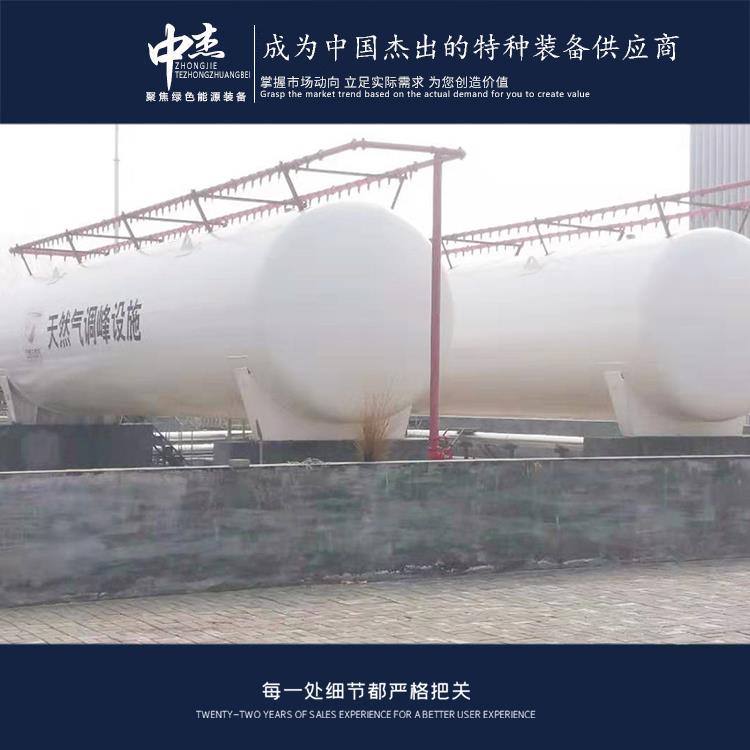

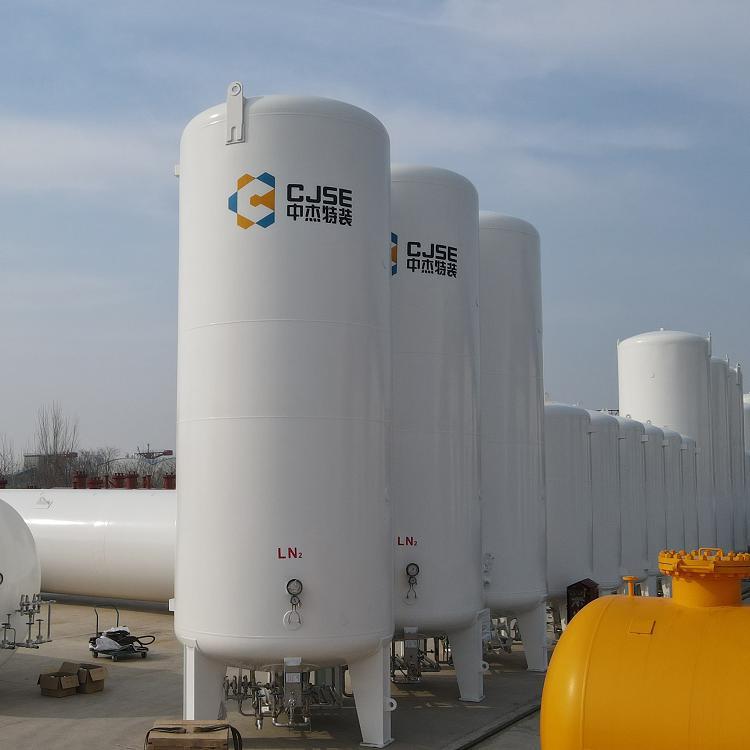
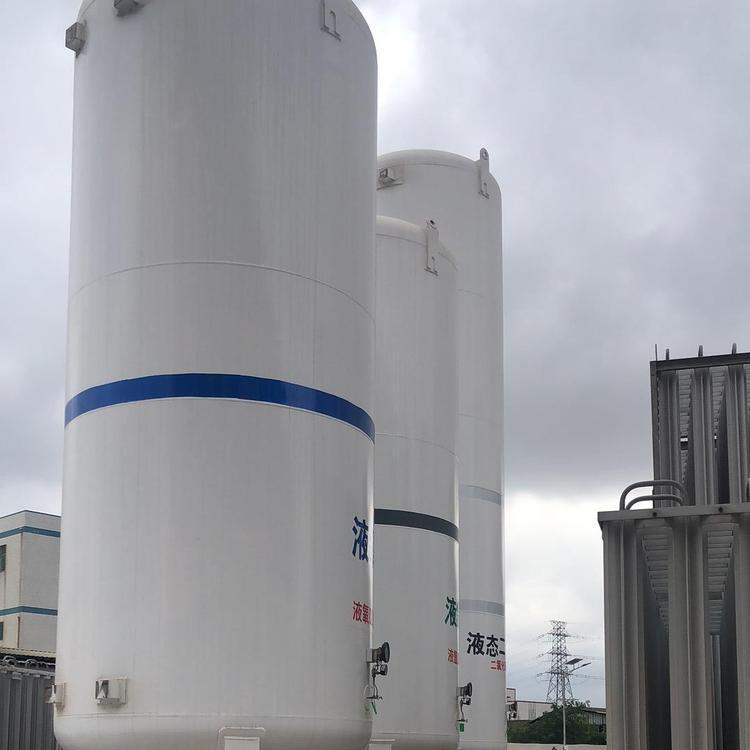


















Shandong Zhongjie Special Equipment specializes in the following main products: fuel (gas) boilers, organic heat carrier boilers, biomass boilers, waste heat boilers, and other boiler products; vacuum insulation deep-chilled pressure vessels such as LNG tanks, oxygen/nitrogen/argon tanks, CO2 tanks; pressure vessel products including denitrification engineering equipment, heat storage and energy storage equipment, and complete chemical equipment sets; central air conditioning and ventilation equipment such as ground (water) source heat pumps, air source units, water-cooled screw units, and air-cooled modular units. Planned products include large-scale thermal energy centers, LNG transport vehicles, LNG tank containers, and other green energy equipment.
If a leak in the CO2 storage tank is detected, the following procedures should be taken immediately:
Confirm the leak location: First, determine the exact location of the leak, which can be done through hearing, observation, or using gas detection equipment.
Emergency response: Upon discovering a leak, take immediate emergency measures to ensure personnel safety. Evacuate personnel to a safe area and notify relevant personnel and emergency agencies.
Cut off the gas supply: Quickly shut off the CO2 supply source by closing valves or disconnecting power to stop the supply of CO2.
Locate the leak: In a safe environment, use gas detection equipment or visual inspection to find the leak. Apply soap water or other leak detection agents to potential leak points and observe for bubbles.
Seal the leak: Once the leak location is confirmed, take temporary sealing measures, such as using tape, sealant, or other reliable sealing materials for temporary repair. Ensure the sealing is secure and effective in preventing gas leakage.
Maintenance and repair: In a safe environment, conduct further maintenance and repair work as needed. Depending on the nature of the leak, it may be necessary to replace gaskets, repair or replace valves, etc. Maintenance and repair should be performed by qualified personnel.
Inspection and testing: After maintenance and repair, conduct leak detection and testing to ensure the leak has been fully repaired and the tank's safety performance has returned to normal.
It is important to handle CO2 storage tank leaks with caution and follow relevant safety regulations and procedures. If you do not possess the necessary knowledge and skills, contact a professional for assistance.
Carbon dioxide storage tanks are equipment used for storing and transporting carbon dioxide (CO2). They are typically sealed containers with specialized design and structure to ensure safe storage and use of CO2. Here are some common details about carbon dioxide storage tanks: Storage Form: Carbon dioxide is a gas at room temperature but can be compressed into a liquid under high pressure for easier storage and transportation. Storage tanks for CO2 usually hold liquid CO2. Storage Pressure: These tanks commonly store high-pressure CO2, with pressures around 20-25 bar. This high-pressure state helps maintain the CO2 in a liquid state. Storage Capacity: The capacity of carbon dioxide storage tanks can vary, from small ones holding a few thousand liters to large ones with capacities of tens of thousands of liters. The choice of capacity depends on specific application needs. Safety: Carbon dioxide is colorless, odorless, and non-toxic, but it can be dangerous if inhaled at high concentrations. Therefore, appropriate safety measures, such as ventilation and protective gear, must be taken when using carbon dioxide storage tanks to ensure the safety of operators. Applications: Carbon dioxide storage tanks are widely used in various fields, including the food and beverage industry, construction, fire suppression, and gas supply. They store and supply CO2 to meet diverse industrial needs. It is important to note that the design, manufacturing, and use of carbon dioxide storage tanks must comply with relevant regulations, standards, and safety requirements. When using the tanks, operators should follow the manual and safety guidelines, and cooperate with local regulatory authorities to ensure the safety and reliability of the tanks.
Carbon dioxide synthesis is a chemical reaction that utilizes carbon dioxide. This process has several applications:
- Fertilizer production: It is an essential raw material for manufacturing fertilizers, and carbon dioxide synthesis represents a sustainable production method. By reacting with carbon dioxide, it can synthesize compounds used in the production of nitrogen fertilizers, such as urea. This approach reduces dependence on fossil fuels used in traditional production methods and lowers greenhouse gas emissions.
- Energy storage: Carbon dioxide synthesis can also be used as a form of energy storage. By reacting carbon dioxide, energy can be stored in the form of chemical bonds. When energy is needed, the stored energy can be released by reversing the reaction into carbon dioxide and another compound.
- Fuel cells: It can serve as a clean fuel for fuel cells. By synthesizing carbon dioxide and another compound, and then using it in fuel cells, electricity can be generated, with water and nitrogen as the only byproducts, reducing environmental pollution.
- Chemical synthesis: It is an important raw material for the synthesis of many chemicals. Carbon dioxide synthesis can provide a sustainable supply for the chemical industry, used to synthesize other chemicals, such as etc.
The development of carbon dioxide synthesis technology aims to reduce dependence on fossil fuels used in traditional production methods, lower greenhouse gas emissions, and promote the development of sustainable energy and the chemical industry. However, this technology is still in continuous development and research, requiring further technological breakthroughs and practical verification to achieve large-scale application.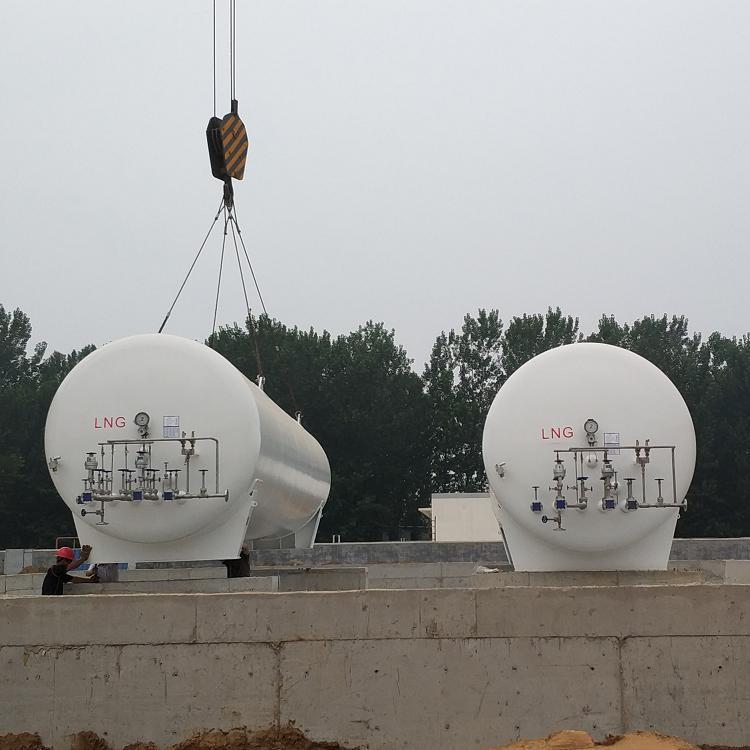
Pressure Vessel Standards: Liquid carbon dioxide storage tanks are generally considered pressure vessels, and their design, manufacturing, and use should comply with relevant pressure vessel standards. In China, common pressure vessel standards include GB150 "Steel Pressure Vessels" and GB18435 "Storage Tanks." Safety Standards: The use of liquid carbon dioxide storage tanks should adhere to relevant safety standards and regulations. For instance, in China, the safe operation of liquid carbon dioxide storage tanks should follow standards such as GB50028 "Design Code for Petroleum and Chemical Enterprises" and GB50016 "Building Design Fire Prevention Code." Inspection and Testing Standards: The inspection and testing of liquid carbon dioxide storage tanks should comply with corresponding standards and regulations. For example, regular inspections of liquid carbon dioxide storage tanks can refer to GB/T 19638 "Code for Periodic Inspection of Pressure Vessels." Environmental Protection Standards: The use of liquid carbon dioxide storage tanks should conform to relevant environmental protection standards and regulations. For instance, in China, the exhaust emissions from liquid carbon dioxide storage tanks should meet standards such as "Emission Standards for Air Pollutants."
Shandong Zhongjie Special Equipment, welcome customers for factory discussions and collaborations.
WeChat Official Account

Scan to follow Official Account



















