



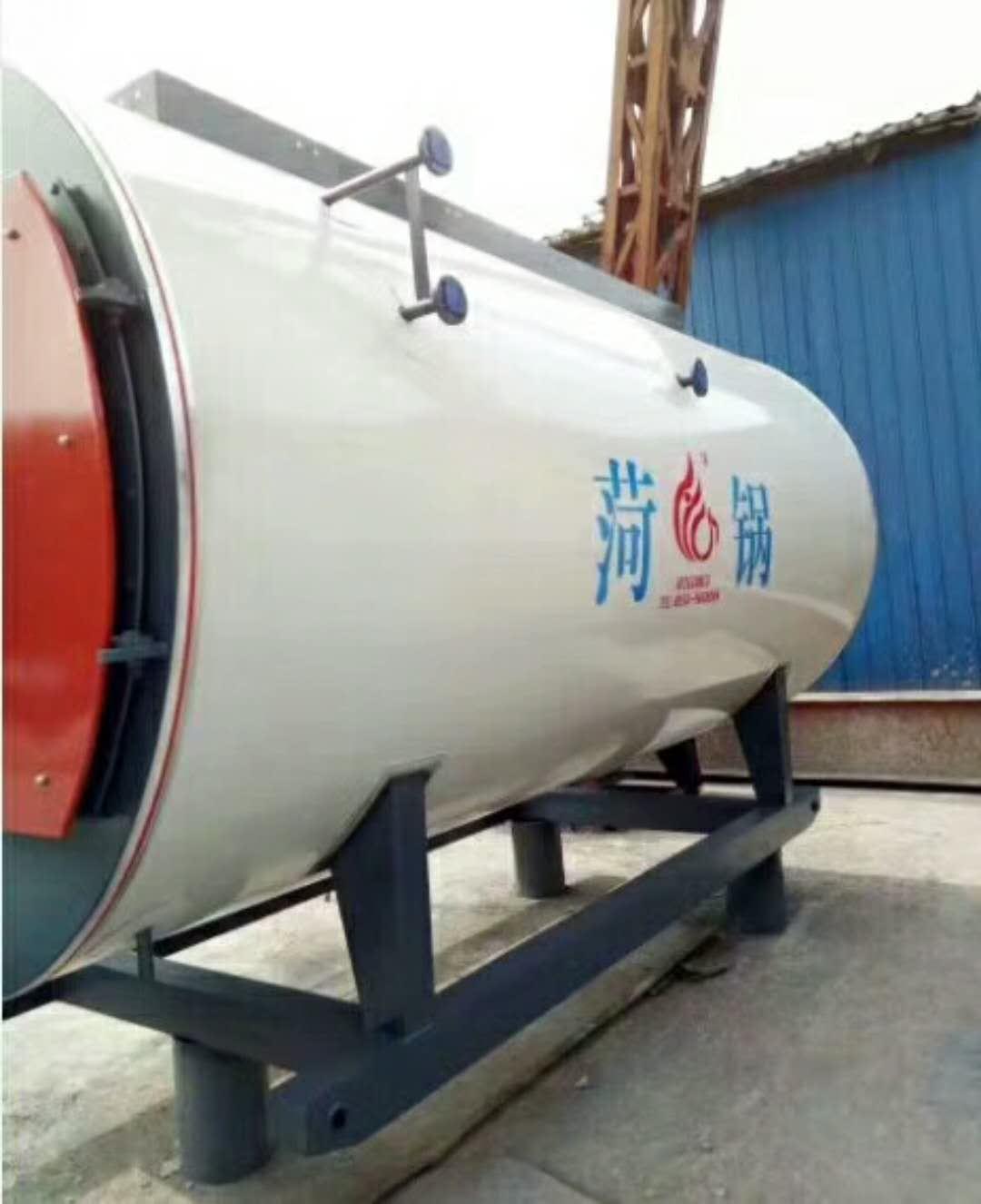
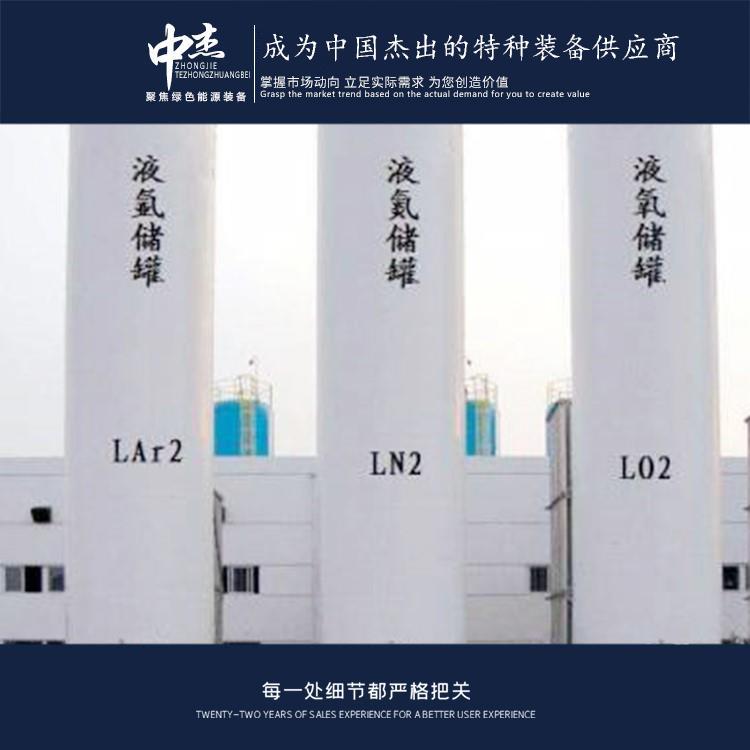


















Shandong Zhongjie Special Equipment (formerly Heze Boiler Factory Co., Ltd.) was established in 2001, located at No. 2218 Jinnan Road, Economic Development Zone, Heze City, with a registered capital of 50 million yuan and total assets of 500 million yuan. The company has 7 business centers: boiler, deep-freezing vessel, pressure vessel, central air conditioning, engineering installation, international trade, and Internet of Things. It has three factory sites on Jinnan Road, East Yangtze Road, and Bohai Road, covering a total of 200,000 square meters. The main workshop is 83,000 square meters, with 710 employees, including 247 engineers and technicians and 82 intermediate-level technical personnel. In December 2016, it was recognized as a "High-tech Enterprise" by the Science and Technology Department. In June 2021, it was identified as a "Specialized and New Enterprise in Shandong Province" by the Department of Industry and Information Technology. In June 2022, it was recognized as a "Gazelle Enterprise in Shandong Province" and in August 2022, it was identified as a "Specialized and New Small Giant Enterprise" by the Ministry of Industry and Information Technology.
1. Knowledge about Low-Temperature Carbon Dioxide Storage Vessels
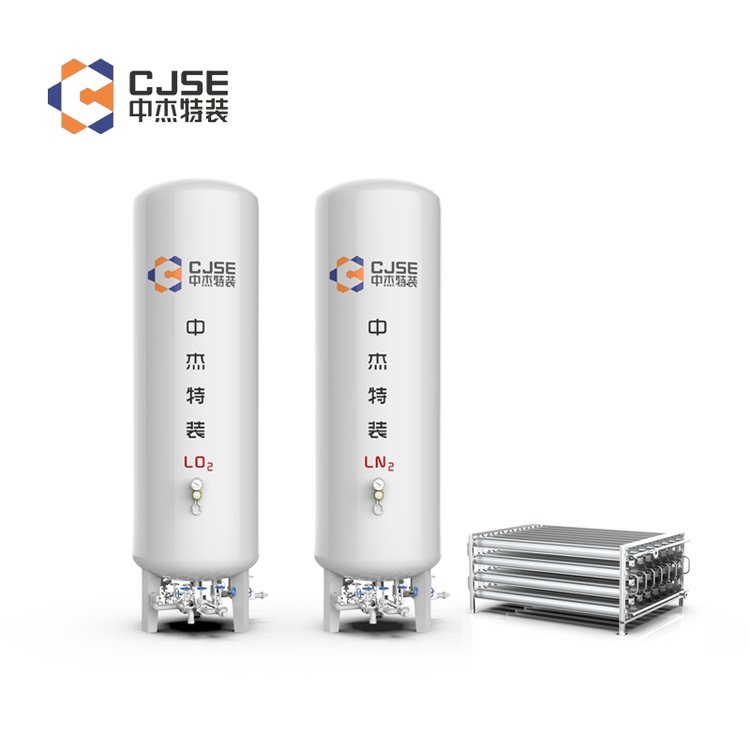
- The structure of low-temperature carbon dioxide storage vessels typically features a double-walled cylindrical design, with the inner cylinder made of 6MnDR alloy steel and the outer cylinder of Q245R or Q345R pressure vessel steel plate. Pipelines are made from austenitic stainless steel, and the insulation space is filled with high-vacuum sintered sand or layered insulation. The storage vessel is equipped with valves for operation, which are strategically placed for ease of use. Pressure gauges and level indicators are also installed for monitoring the pressure and liquid level inside the vessel.
2. Key Features of Low-Temperature Carbon Dioxide Storage Vessels
- (1) The storage vessel is equipped with liquid filling connections for tank trucks, enabling supply to vaporizers, tank trucks, and pumps.
- (2) Both the inner and outer cylinders are fitted with safety devices to ensure safe operation for users.
- (3) The insulation material of the storage vessel undergoes special treatment to extend its vacuum lifespan. Additionally, a vacuum gauge is installed for measuring the insulation space's vacuum level as needed.
3. Transportation of Low-Temperature Carbon Dioxide Storage Vessels
- (1) During road transportation, the storage vessel must be securely fastened to the vehicle, traveling at moderate speeds, and collisions with other objects are strictly prohibited.
- (2) After the storage vessel arrives, the unloading personnel should work together with the equipment supervisor to develop a scientific and reasonable unloading plan.
4. Installation of Low-Temperature Carbon Dioxide Storage Vessels
- (1) Upon arrival at the installation site, the storage vessel can be placed when installation conditions are met. During the installation process, collisions and impacts are prohibited, and special attention must be paid to the explosion-proof equipment of the outer cylinder and the vacuum valve, which must not be touched.
- (2) A gas-tightness test is conducted on the inner cylinder system using nitrogen to the working pressure, and the installation is considered complete after checking that valves, pipelines, flanges, etc., show no leaks.
- (3) The installation dimensions are as specified in the supply materials. When liquid filling and emptying are required using tank trucks, the vehicle's access route should be considered.
To maintain the stability of CO2 storage tanks, attention should be given to the following details:
- Foundation Design: The tank's foundation design must comply with relevant standards and regulations, ensuring sufficient strength and stability. The foundation should consider the tank's weight, pressure, and geological conditions to ensure the tank is securely placed on the foundation.
- Lining and Fastening Devices: Appropriate linings, such as rubber or steel plates, should be placed between the tank and foundation to reduce friction and vibration. Additionally, use fastening devices like bolts or welding to secure the tank to the foundation, preventing movement and tilting.
- Site Leveling: The site where the tank is installed should be kept level, without any significant slopes or unevenness. If there are slopes or unevenness, adjustments and corrections should be made to ensure the tank's stability.
- Seismic Measures: In areas prone to earthquakes, additional seismic measures are required, such as installing seismic supports and enhancing the tank's seismic resistance to improve stability.
- Regular Inspections: Regularly inspect the tank's fastening devices and connection points to ensure they are intact. Any looseness, wear, or damage should be repaired or replaced promptly.
- Load Distribution: Uniformly distribute loads above the tank, such as platforms or pipelines, to balance the weight distribution and reduce the impact of uneven loads on stability.
- Safety Distance: The tank should maintain sufficient safety distances from other equipment, buildings, and fire sources to prevent accidental collisions or fires from affecting stability.
It is important to note that the installation of CO2
When filling liquid carbon dioxide into storage tanks, attention should be given to the following aspects:
Safety Operation: During the filling process, it is mandatory to adhere to relevant safety operation procedures and standards. Operators must receive training to understand the operational requirements and safety measures of the filling equipment and operate strictly according to the procedures.
Tank Inspection: Before filling, the tank must be inspected to ensure its integrity and safety. Check the tank's appearance, sealing, valves, and pipeline connections, and promptly repair or replace any abnormalities or damages found.
Filling Equipment: Select appropriate filling equipment, ensuring it meets relevant standards and requirements. The filling equipment should have a safe and reliable design and operational function to ensure the safety and efficiency of the filling process.
Filling Rate Control: Controlling the filling rate is crucial. Excessive filling speed can lead to high tank pressure, increasing safety risks. The filling rate should be controlled based on the tank's capacity and design requirements to ensure safe filling.
Pressure Control: During the filling process, the tank's pressure must be strictly controlled. The filling equipment should be equipped with pressure sensors and safety valves to ensure the internal pressure of the tank remains within a safe range.
Leak Protection: During the filling process, ensure the sealing of valves and pipelines to prevent carbon dioxide leakage. Regularly inspect and replace seals, and promptly address any leakage issues.
Monitoring and Recording: Real-time monitoring and recording of key parameters, such as pressure, temperature, and liquid level, should be conducted during the filling process. This helps in timely detection of abnormalities and corresponding adjustments and treatments.
It is important to note that filling carbon dioxide storage tanks should be performed by trained operators and in accordance with relevant safety operation procedures and standards. Seek advice and guidance from experts.
Proper installation of a CO2 storage tank requires the following steps:
Site Preparation: Select an appropriate site for installation, ensuring it is level, stable, and meets safety distance requirements. Clear the site of any obstructions and fire sources.
Foundation Construction: Construct a foundation based on the tank's size and weight. The foundation must be sufficiently strong and stable to support the tank's weight and pressure.
Tank Installation: Place the tank on the foundation, ensuring there is appropriate padding and fastening between the tank and foundation. Connect and secure the tank according to its design specifications.
Pipe Connection: Connect the tank to the piping system as needed. Ensure the connections are sealed properly to prevent leaks.
Safety Equipment Installation: Install the necessary safety equipment for the tank, such as safety valves, pressure sensors, and temperature sensors. Ensure these devices are correctly installed and connected.
System Testing: Conduct system tests after installation, including pressure and leak tests, to ensure the tank and piping system operate safely and efficiently.
Identification and Warning Signs: Set up necessary identification and warning signs on the tank and piping system, including tank capacity and pressure information, to remind operators to be cautious.
Tank Maintenance: After installation, perform regular maintenance and upkeep on the tank, including cleaning, lubrication, and inspections, to ensure proper operation and extend the tank's lifespan.
Installation of CO2 storage tanks should be carried out by qualified installers, following relevant safety operation procedures and standards. Seek advice and guidance from experts.
Shandong Zhongjie Special Equipment, welcome customers to our factory for business discussions.
WeChat Official Account

Scan to follow Official Account



















