


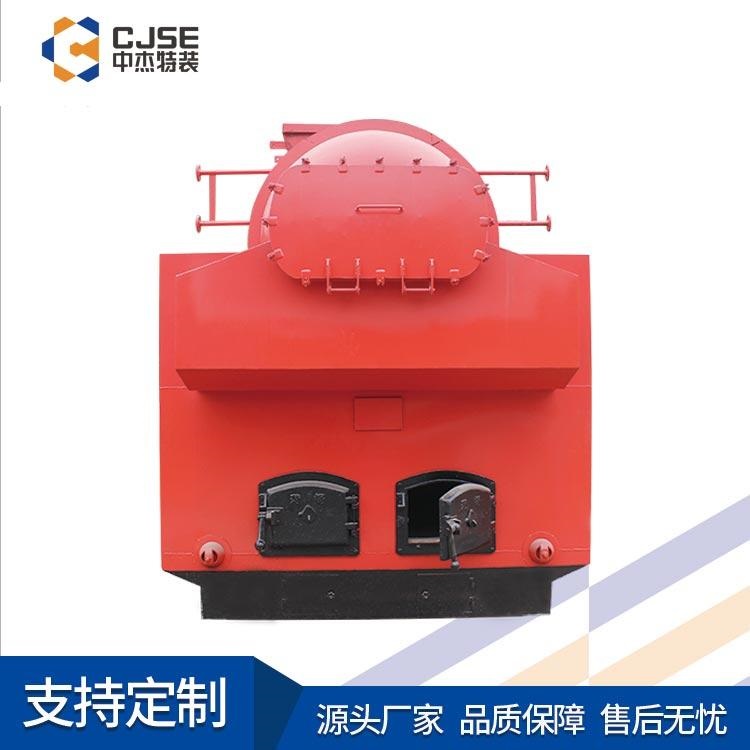

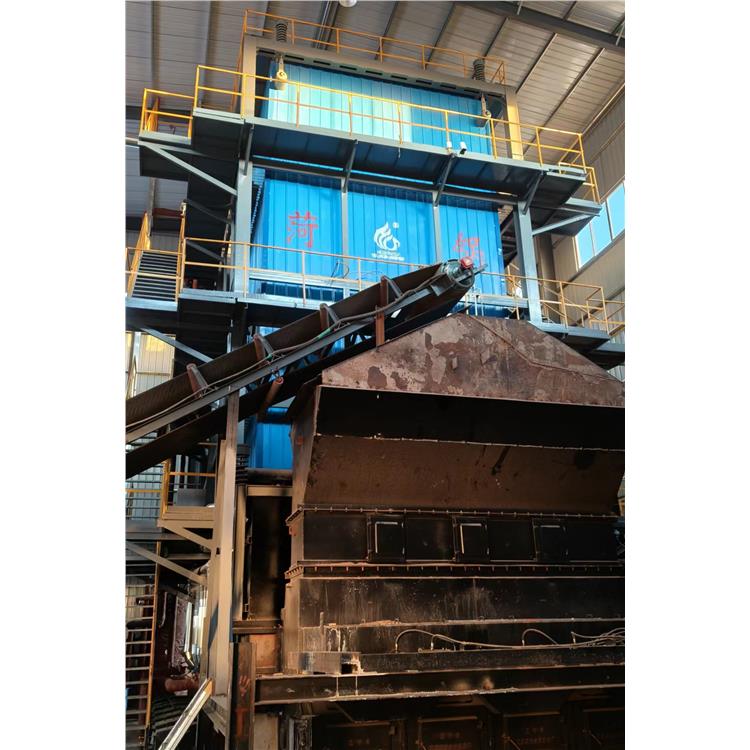
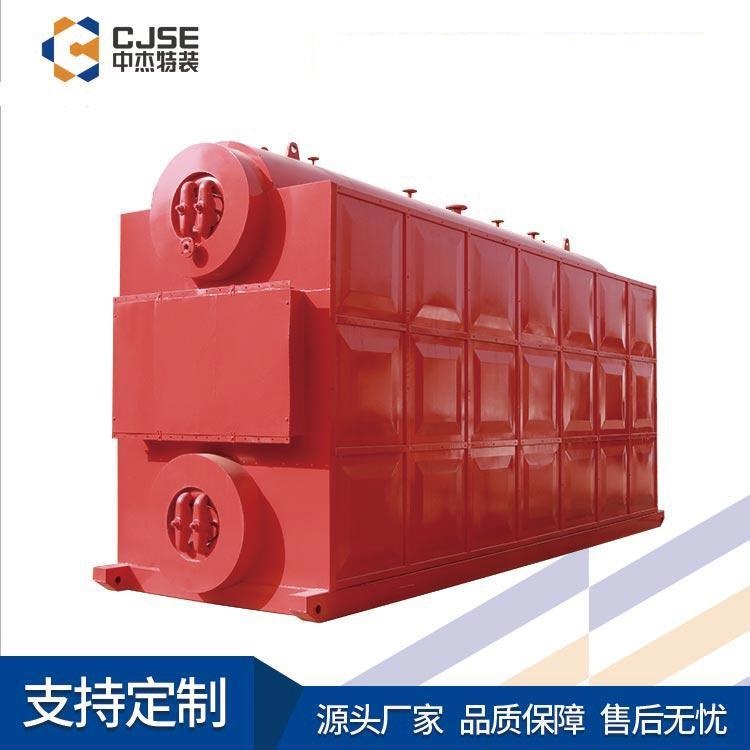


















Shandong Zhongjie Special Equipment (formerly Heze Boiler Factory Co., Ltd.) was established in 2001, located at No. 2218 Jinan Road, Economic and Technological Development Zone, Heze City. With a registered capital of 50 million yuan and total assets of 500 million yuan, the company has 7 business centers: boilers, deep-freeze containers, pressure vessels, central air conditioning, engineering installation, international trade, and the Internet of Things. It has three factory areas on Jinan Road, East Changjiang Road, and Bohai Road, covering a total of 200,000 square meters. The main workshop spans 83,000 square meters. The company currently employs 710 staff, including 247 engineers and technicians, and 82 intermediate-level technicians. In December 2016, it was recognized as a "High-tech Enterprise" by the Science and Technology Department. In June 2021, it was named a "Specialized and New Enterprise of Shandong Province" by the Department of Industry and Information Technology. In June 2022, it was identified as a "Deer Enterprise of Shandong Province" and in August 2022, it was recognized as a "Specialized and New Small Giant Enterprise" by the Ministry of Industry and Information Technology.
Biomass hot water boilers can meet environmental regulations under certain conditions. These boilers utilize renewable biomass fuels such as wood chips, straw, and waste materials, emitting less carbon dioxide during combustion compared to traditional fossil fuels, resulting in a smaller environmental impact.
However, to ensure that biomass hot water boilers comply with environmental regulations, the following conditions must be met:
High combustion efficiency: The biomass hot water boiler should be equipped with a combustion system and heat exchanger to ensure complete combustion of the fuel and efficient use of thermal energy, reducing fuel waste and emissions.
Flue Gas Purification Equipment: Biomass hot water boilers should be equipped with effective flue gas purification equipment, such as bag dust collectors and desulfurization units, which can effectively capture and purify particulates and pollutants in the flue gas, reducing atmospheric pollution.
Compliance Emissions: The flue gas emissions from biomass hot water boilers must comply with local environmental protection laws and standards, including limits on particulate matter, nitrogen oxides, and other pollutants.
Regular Maintenance: Biomass hot water boilers require regular maintenance to maintain optimal equipment condition, ensuring stable combustion efficiency and emission performance.
Fuel Selection and Supply: Choose appropriate biomass fuel and ensure its source is legal and sustainable. Avoid using waste containing harmful substances as fuel to prevent negative impacts on the environment and human health.
Note that while biomass hot water boilers are relatively environmentally friendly, they still require evaluation and monitoring based on specific circumstances to ensure compliance with environmental regulations. Additionally, environmental regulations may vary by region, and users should adhere to local environmental laws and standards.
Reducing the emissions of nitrogen oxides (NOx) from biomass boilers can be achieved through the following measures:
Combustion Control Technology: Utilizes advanced combustion control technologies, such as low nitrogen combustion technology. By optimizing the combustion process, controlling the combustion temperature and oxygen concentration, and reducing the formation of nitrogen oxides. Methods like staged combustion and optimized combustion chamber design can be employed to lower combustion temperatures and extend combustion times, thereby decreasing nitrogen oxide emissions.
SNCR Technology: Selective Non-Catalytic Reduction (SNCR) technology involves injecting a reductant, such as urea solution, into the combustion process to react with nitrogen oxides, converting them into nitrogen and water. This technique can reduce the formation and emission of nitrogen oxides during combustion.
SCR Technology: Selective Catalytic Reduction (SCR) technology is a nitrogen oxide control method. By injecting urea solution into flue gas and utilizing a catalyst, nitrogen oxides are converted into nitrogen and water. SCR technology achieves nitrogen oxide removal at lower temperatures, suitable for large biomass boilers.
Flue Gas Recirculation (FGR): The FGR technology recycles a portion of the flue gas back into the boiler combustion chamber, reducing combustion temperature and oxygen concentration, and thereby decreasing nitrogen oxide formation. This technique can control nitrogen oxide emissions by adjusting the recirculation ratio.
Fuel selection and pretreatment: Choosing low nitrogen fuels, such as low nitrogen biomass fuels, can reduce the formation of nitrogen oxides. Additionally, for biomass fuels with high nitrogen content, pretreatment measures like drying and gasification can be taken to decrease the formation of nitrogen oxides during combustion.
Regular Maintenance and Cleaning: Schedule regular maintenance and cleaning for biomass boilers to ensure the cleanliness and proper operation of components such as burners and heat exchangers. Cleaning the combustion chamber and heat exchanger can reduce the buildup of dirt, enhance heat transfer efficiency, and lower nitrogen oxide emissions.
By implementing the aforementioned measures comprehensively, nitrogen oxide emissions from biomass boilers can be effectively reduced, achieving both environmental protection and energy-saving goals. The specific measures to be chosen should be based on the characteristics of the boiler, its operating conditions, and emission requirements.
Biomass boilers may experience issues with ash accumulation and slagging during prolonged operation. These problems can affect the boiler's combustion efficiency and safety. Here are methods for dealing with ash accumulation and slagging in biomass boilers:
Regular Cleaning: Regularly cleaning the ash and soot from the boiler is crucial in preventing scaling and fouling. A cleaning schedule can be tailored based on the boiler's usage, including cleaning the combustion chamber, flue, and heat exchanger, among other components. Appropriate tools and cleaning agents should be used during the cleaning process to ensure the removal of ash and soot.
Adjust combustion parameters: Properly adjusting the combustion parameters of a biomass boiler can reduce the occurrence of ash accumulation and slagging. For instance, adjusting the combustion temperature, oxygen supply, and combustion duration can enhance combustion efficiency and decrease ash and slag formation.
Additives Usage: During biomass combustion, special additives such as ash and slag inhibitors, and coking inhibitors can be added. These additives can reduce the formation of ash and carbon deposits, enhancing the boiler's cleanliness and combustion efficiency. The use of additives should be based on specific conditions and manufacturer recommendations.
Regular Inspections and Maintenance: Regularly inspect and maintain all components of the biomass boiler, including burners, fans, flues, and heat exchangers, to promptly detect and address issues like ash buildup and coking. During inspections, you can clear blocked parts and repair damaged components, ensuring the boiler operates smoothly.
It's important to note that addressing biomass boiler ash and slagging issues should be tailored to the specific situation. Consultation with boiler maintenance personnel or manufacturers is recommended for more detailed and accurate advice. Additionally, regular cleaning and maintenance are crucial measures to prevent ash and slagging problems.
Possible reasons for the black smoke produced by biomass boiler combustion may include:
Incomplete Combustion: Inadequate oxygen supply or insufficient combustion temperature in biomass fuel can lead to incomplete combustion, producing a large amount of smoke and soot. This may be due to poor combustion chamber ventilation, low fuel quality, or incorrect combustion parameter settings, among other reasons.
High moisture content: Excessive water content in biomass fuel leads to the evaporation of a large amount of steam during combustion, reducing the combustion temperature and thus affecting the combustion efficiency, resulting in black smoke.
Fuel Quality Issue: If biomass fuel contains impurities, ash, or uneven moisture, it can affect the combustion process, leading to incomplete combustion and the production of black smoke.
Combustion equipment issues: If there are malfunctions or wear in the combustion equipment of biomass boilers, such as slagging in the combustion chamber or clogging of the burners, it can affect combustion efficiency and lead to the production of black smoke.
To reduce the emission of black smoke, the following measures can be taken:
Ensure adequate oxygen supply: Adjust the ventilation system of the combustion equipment to ensure sufficient oxygen supply, enhance combustion efficiency, and reduce the formation of black smoke.
Control combustion temperature: Adjust combustion parameters, such as combustion temperature and duration, to ensure complete fuel combustion and minimize the production of black smoke.
Optimize Fuel Quality: Select the appropriate biomass fuel quantity, ensure consistent dryness and quality, reduce moisture content and impurities, and enhance combustion efficiency.
Regular Maintenance: Perform regular maintenance on biomass boilers to clean the combustion chamber, burners, and other components, ensuring the equipment operates smoothly and reduces the emission of black smoke.
Install Pollutant Control Equipment: Install flue gas purification equipment as needed, such as dust collectors and desulfurization devices, to effectively remove particles produced during the combustion process.
Shandong Zhongjie Special Equipment, welcome customers to visit our factory for business discussions.
WeChat Official Account

Scan to follow Official Account



















