


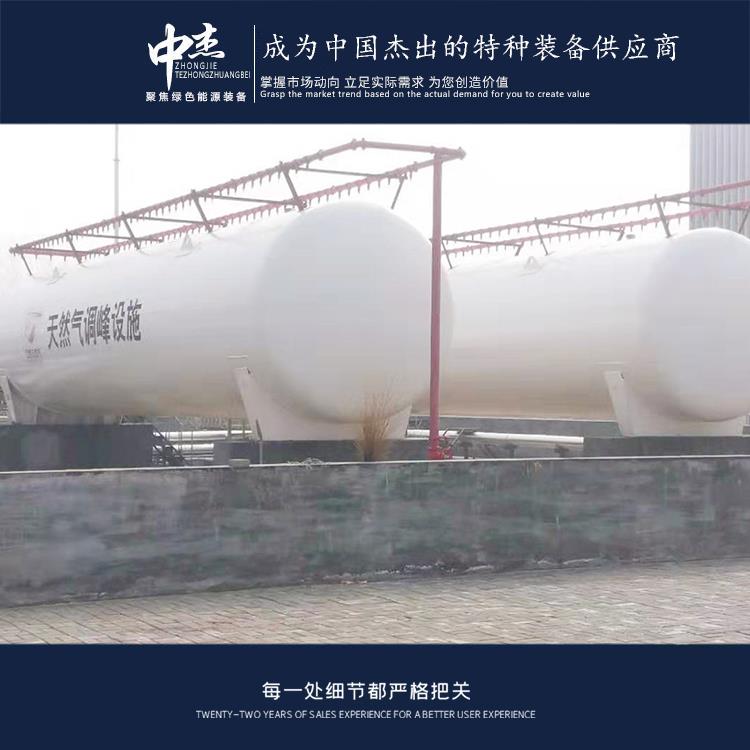

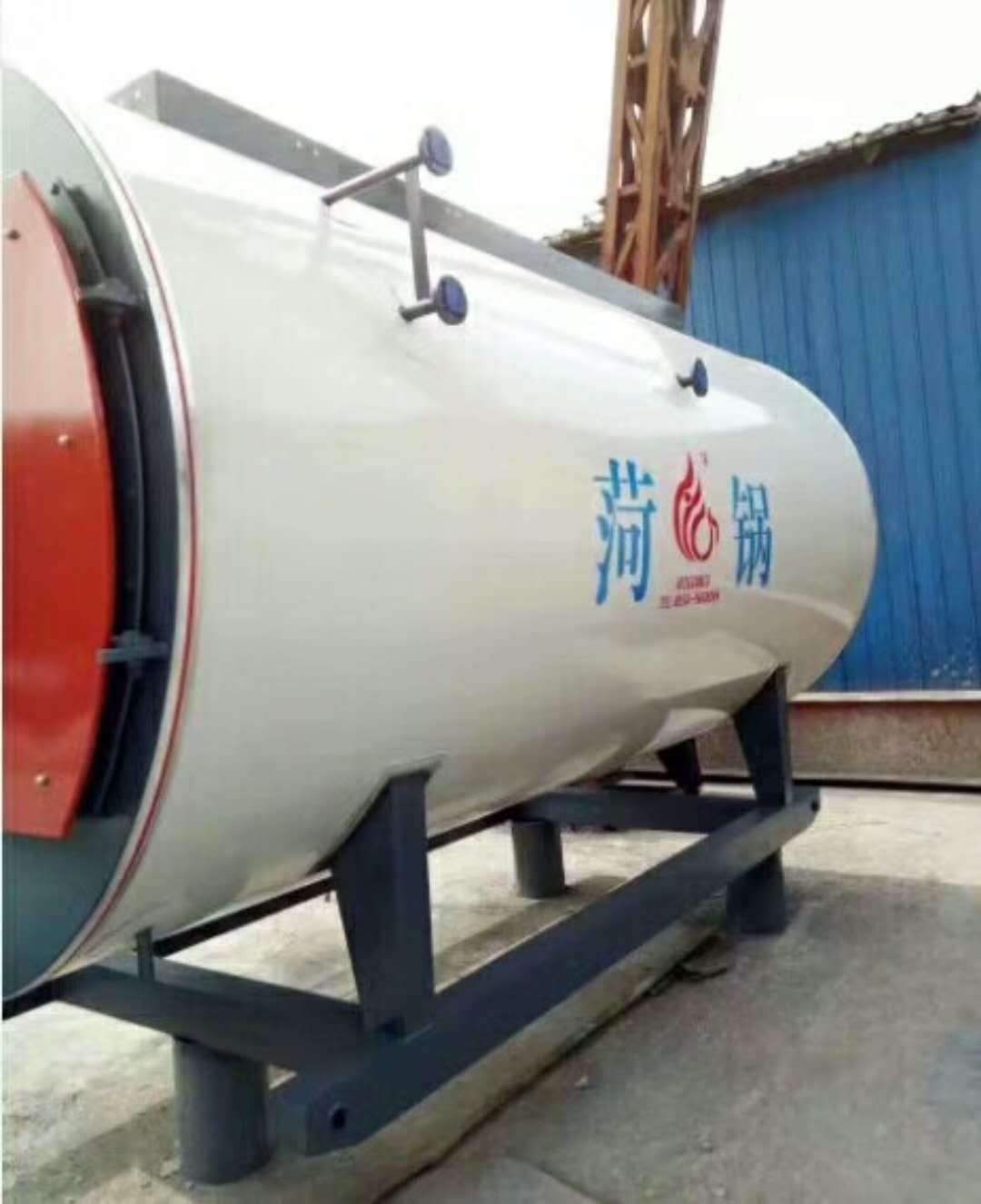
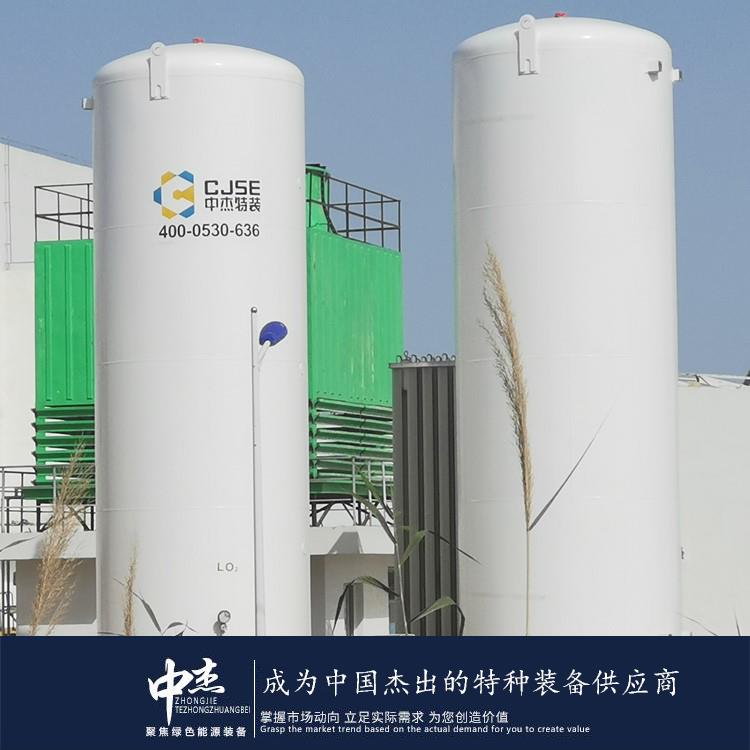


















Shandong Zhongjie Special Equipment (formerly Heze Boiler Factory Co., Ltd.) holds an A-grade boiler manufacturing license, an A2-grade pressure vessel manufacturing license, an A2-grade pressure vessel design license, a B-grade boiler installation license, and GB2/Class GC2 pressure pipeline installation licenses, as well as an electromechanical equipment installation contracting qualification. It is a member of the China Boiler and Water Treatment Association, the China Chemical Equipment Association, and a director unit of the Shandong Equipment Manufacturing Association. The company has also passed certifications for the ISO9001 Quality Management System, ISO14001 Environmental Management System, OHSAS18001 Occupational Health and Safety Management System, and the American ASME/U2 certification.
The safety distance between liquid oxygen storage tanks and buildings is typically governed by relevant safety standards and regulations to ensure the required safety and fire separation between the tank and the building. The following are general reference safety distances for liquid oxygen storage tanks and buildings:
Horizontal Clearance: The horizontal clearance between the liquid oxygen storage tank and the building is typically required to maintain a certain distance to prevent the tank from causing danger to the building in case of leakage or accidents. The specific clearance distance should be determined based on factors such as the tank's capacity, pressure, and the nature of the building, with a general recommendation to maintain a safe distance.
Vertical spacing: The vertical spacing between the liquid oxygen storage tank and the building must also comply with relevant safety requirements. This is to prevent any danger to the building in case of tank leakage or accidents. Specific spacing requirements will be determined based on factors such as the tank's capacity, pressure, and the height of the building, with a general recommendation to maintain a certain safety distance.
Fireproof Distance: Liquid oxygen has a high oxygen content and flammability. In the event of a leak or accident, it may cause a fire. Therefore, a certain fireproof distance must be maintained between the liquid oxygen storage tank and the building to ensure that the fire does not spread or pose a danger to the building. Specific fireproof distance requirements
The safe operation of low-temperature liquid storage tanks is primarily crucial in the following aspects:
Tank design and material selection: The tank design must comply with relevant safety standards and regulations, capable of withstanding the pressure and temperature of low-temperature liquids. Select appropriate materials, such as stainless steel, aluminum alloy, etc., to ensure the tank's corrosion resistance and low-temperature performance.
Insulation and protective measures: Low-temperature liquid storage tanks should be equipped with effective insulation to reduce heat transfer and evaporation of the liquid. The selection and installation of the insulation should comply with relevant standards and requirements. Additionally, protective measures such as anti-freezing and explosion-proof measures should be implemented to ensure the safe operation of the tank.
Pressure Control and Safety Valves: Low-temperature liquid storage tanks should be equipped with a reliable pressure control system and safety valve to ensure the pressure within the tank remains within a safe range. The pressure control system should be capable of timely detecting and adjusting the pressure inside the tank, preventing safety risks from excessive or low pressure.
Leak and Fire Protection: Low-temperature liquids are highly flammable, so measures should be taken to prevent leaks and fires. Storage tanks and related pipelines should have good sealing properties and be regularly inspected and maintained to prevent leaks. Additionally, appropriate fire protection facilities and firefighting equipment should be provided to address fire risks.
Safe Operation and Training: Operators must undergo relevant safety training, familiarize themselves with the safety operation procedures and emergency response measures for low-temperature liquid storage tanks. Adhere to the correct operational steps to ensure safe operation.
Regular inspections and
When storing liquid nitrogen in low-temperature storage tanks, the following points should be noted:
Protective Gear: When operating low-temperature storage tanks, it is mandatory to wear appropriate protective gear, including gloves, protective clothing, and non-slip shoes. This gear safeguards the skin from the low temperatures of liquid nitrogen and other hazards.
Avoid direct contact: Liquid nitrogen is extremely cold and can cause chilling. Hence, it is essential to avoid direct contact with liquid nitrogen, especially with the skin. Use tools or utensils for handling to prevent your hands from coming into direct contact with the liquid nitrogen.
Ventilation Requirements: In the operational area of the low-temperature storage tank, adequate ventilation must be ensured to expel gases produced by the evaporation of liquid nitrogen. Maintain air circulation to avoid excessive oxygen concentration, reducing the risk of fire and explosion.
Prevent Leaks: Regularly inspect the low-temperature storage tanks for leaks and equip them with leak detectors and alarm systems. In case of a leak, take immediate action to control the leak and carry out repairs. Avoid the hazards of liquid nitrogen leaks to personnel and the environment.
Fire Prevention Measures: Liquid nitrogen has a low boiling and freezing point, which is prone to causing fires. Measures such as setting up fire walls around low-temperature storage tanks and using fire-retardant coatings are taken to prevent fires from occurring and spreading.
Static protection: The accumulation of static electricity in low-temperature storage tanks may cause sparks, increasing the risk of fire. Measures such as using static-conductive materials and anti-static equipment should be taken to reduce the accumulation and release of static electricity.
Regular inspections and maintenance: Conduct regular checks on the status of low-temperature storage tanks and related equipment, including valves, pipelines, pressure gauges, etc. Ensure that the equipment is in good condition with no damage, and promptly repair or replace any damaged parts.
Waste Gas Treatment: Low-temperature storage tanks will generate waste gas during operation, and appropriate waste gas treatment measures must be taken to minimize environmental impact.
Above are the precautions to be taken when storing liquid nitrogen in a low-temperature storage tank, ensuring operational safety and the normal operation of the tank. During the operation, strict adherence to the relevant operational procedures and safety requirements is essential to avoid accidents.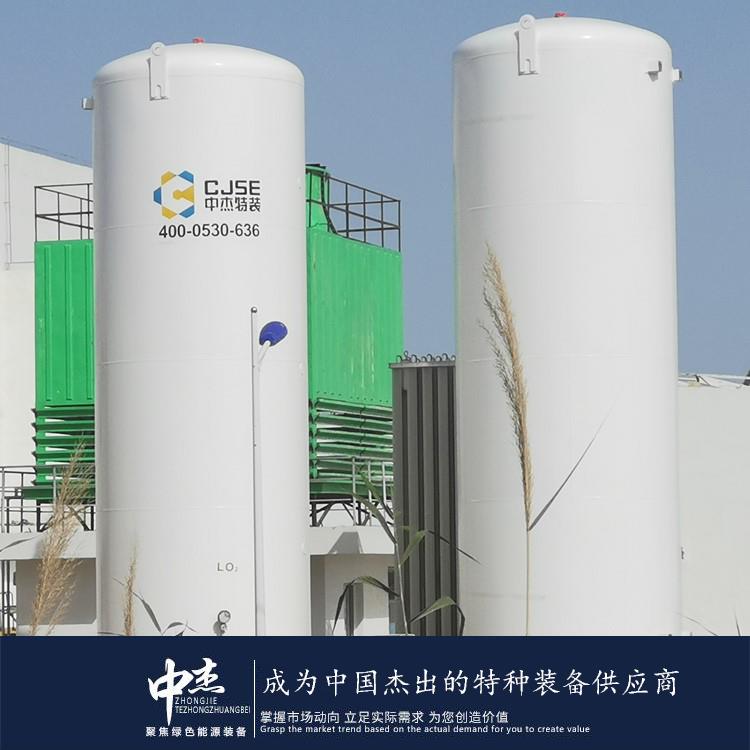
Maintaining and caring for liquid nitrogen tanks is crucial for ensuring their safe operation and extending their lifespan. Here are the maintenance and care methods for liquid nitrogen tanks:
Regular Inspections: Conduct regular inspections of the liquid nitrogen tank's exterior and interior, checking for leaks, corrosion, wear, or other damage. Pay special attention to the tank's interfaces, valves, and pipelines, ensuring they are functioning properly.
Cleaning and Defrosting: Regularly clean the exterior surface of the liquid nitrogen tank to remove dust and dirt. If there is ice or frost inside the tank, defrosting is required to maintain the normal operation of the tank.
Level Monitoring: Regularly monitor the liquid nitrogen storage tank's level to ensure the stored liquid nitrogen is within a safe range. If the level is abnormal, adjustments or additional liquid nitrogen must be made promptly.
Inspection and Replacement of Parts: Regularly inspect and replace critical components of liquid nitrogen storage tanks, such as safety valves, pressure sensors, and temperature sensors, to ensure their proper functioning and accuracy.
Inspect the insulation layer: Regularly check the liquid nitrogen tank's insulation layer to ensure its integrity and insulating performance. If any damage or aging is found in the insulation layer, it should be repaired or replaced promptly.
Regular Calibration: Regularly calibrate the gauges and sensors of liquid nitrogen tanks to ensure accuracy and reliability. Calibration should be conducted according to relevant standards and specifications.
Safety Training and Operating Procedures: Conduct regular safety training for liquid nitrogen tanks to ensure operators are familiar with the safe operating procedures and emergency response measures.
Note that maintenance of liquid nitrogen tanks should be performed by trained and authorized personnel. Adhere to relevant safety regulations and operational guidelines to ensure the safety and effectiveness of the maintenance work.
Our company attaches great importance to technological innovation and R&D design. We possess 1 municipal-level enterprise technology center in Heze City, equipped with non-destructive testing, physical and chemical testing, welding testing, hydrostatic testing, and other testing facilities. We have over 600 various instruments and equipment, including CNC machine tools, X-ray flaw detectors, digital ultrasonic flaw detectors, mechanical property testing machines, chemical analyzers, spectrometers, tensile testing machines, plasma welding machines, etc. The key products and technologies we have developed, such as temperature and pressure vessel welding, biomass boiler emission reduction, and waste heat utilization, have successively been selected for multiple Shandong Provincial Department of Industry and Information Technology science and technology innovation projects, Shandong Provincial key projects, and Heze City innovation and excellence projects. We have cumulatively obtained 27 authorized utility model patents, 16 authorized invention patents, participated in drafting 2 standards, 2 industry standards, and registered 15 trademarks. The technical team of our company, in collaboration with Professor Yajiang Li of Shandong University, has jointly developed deep cryogenic container processing technology, utilizing the international plasma arc + filler wire tungsten inert gas arc welding (PAW-GTAW) technology. After the provincial-level scientific and technological achievement appraisal, the technology level has reached an international standard in the field of deep cryogenic container manufacturing. Choose Zhongjie Special Equipment, and let's create brilliance together!
WeChat Official Account

Scan to follow Official Account



















