


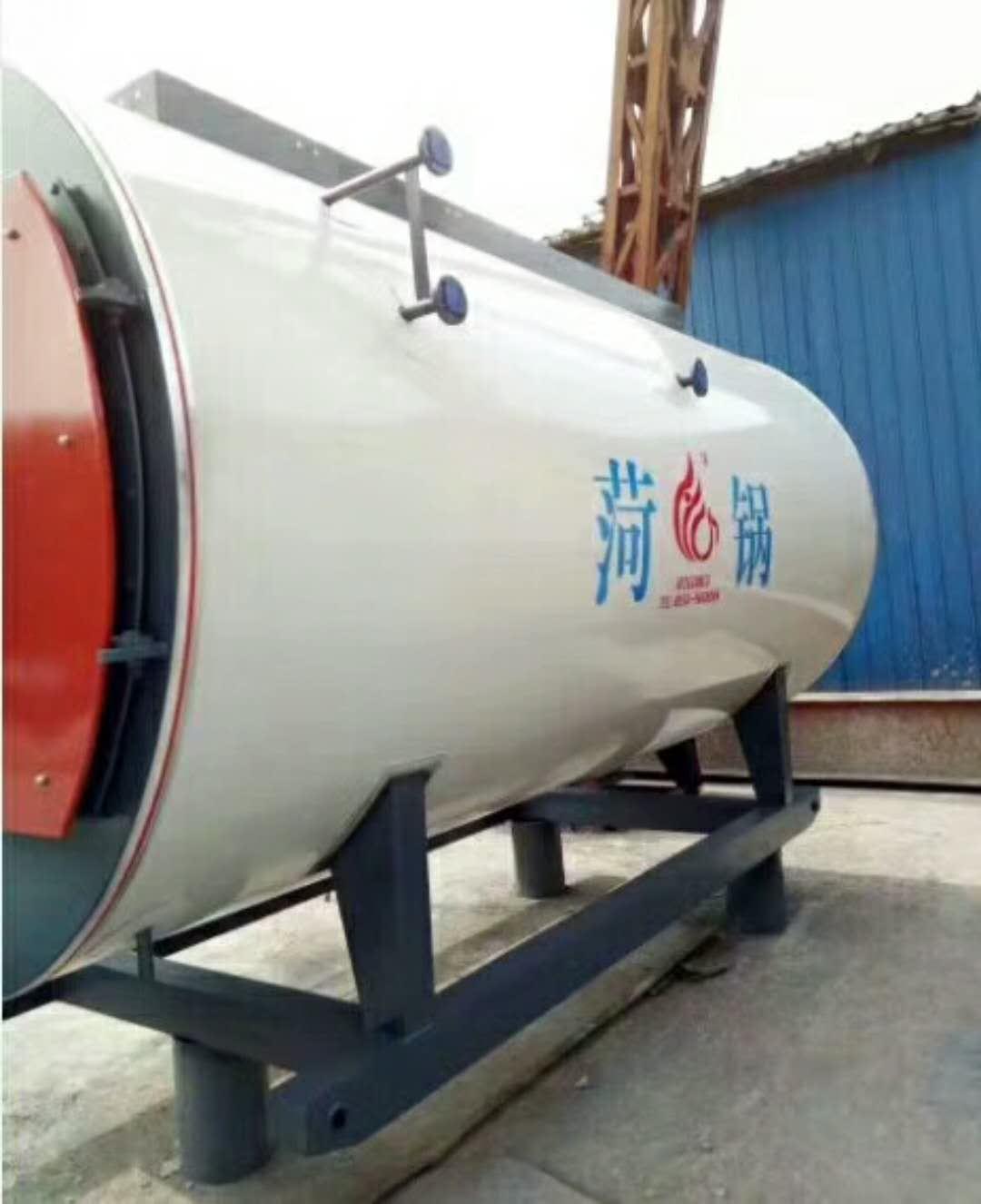

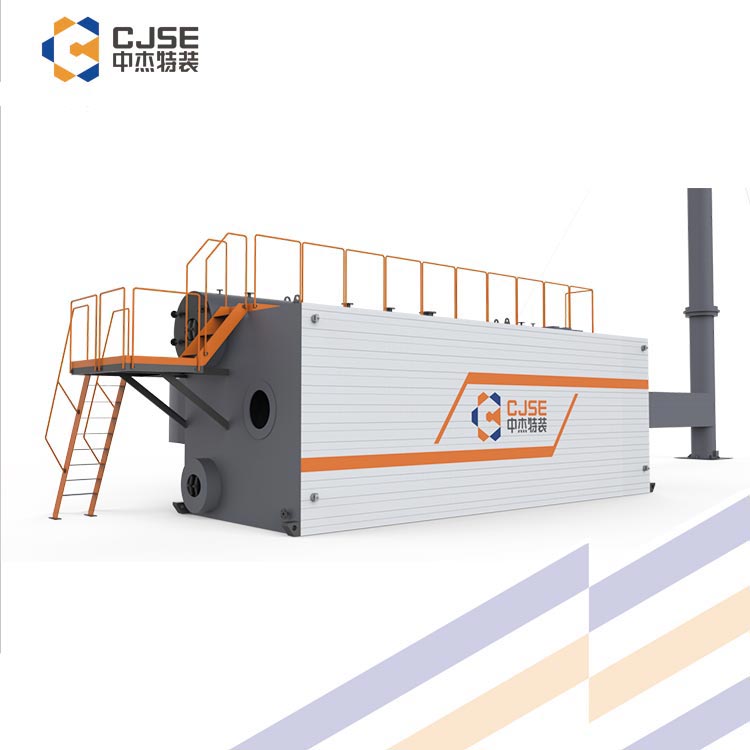
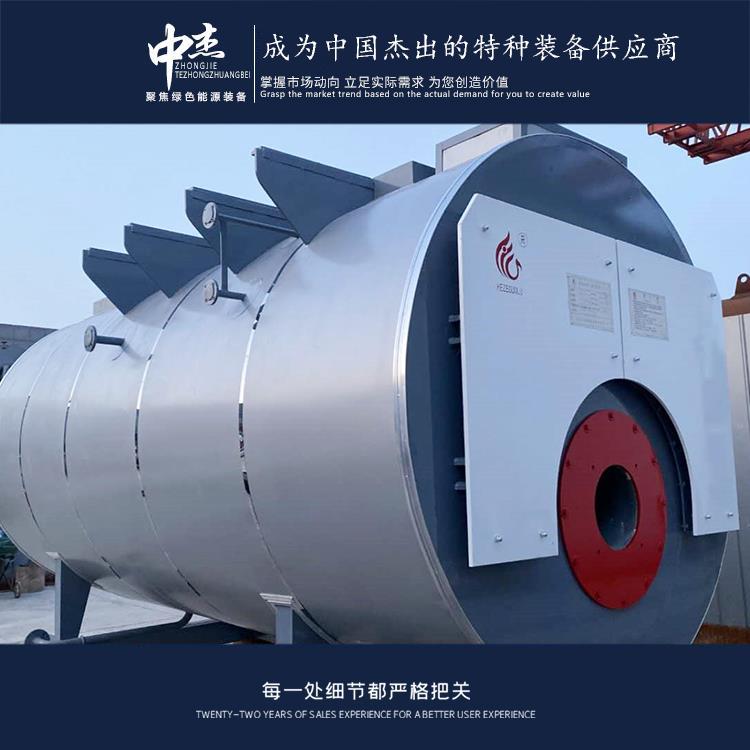


















Shandong Zhongjie Special Equipment specializes in: fuel (gas) boilers, organic heat carrier boilers, biomass boilers, waste heat recovery boilers, and other boiler products; vacuum insulated cryogenic pressure vessels such as LNG tanks, oxygen/nitrogen/argon tanks, and CO2 tanks; pressure vessel products including denitrification engineering equipment, heat storage and energy storage equipment, and complete chemical equipment; central air conditioning and HVAC equipment such as ground (water) source heat pumps, air source units, water-cooled screw units, and air-cooled modular units. Planned products include large-scale energy centers, LNG transport vehicles, and LNG tank containers, among other green energy equipment.
Yes, durable heat transfer oil boilers generally have a longer lifespan. Here are some reasons:
- Material Quality: Heat transfer oil boilers are manufactured from materials that withstand high temperatures and corrosion, such as high-temperature-resistant steel and alloy materials. These materials can endure high temperatures and pressure, offering good durability and anti-corrosion properties, thus extending the boiler's lifespan.
- Design and Manufacturing Process: Durable heat transfer oil boilers typically utilize sound design and manufacturing processes. Rational structural design and precise manufacturing techniques reduce stress concentration and thermal stress, enhancing the boiler's stability and durability.
- Regular Maintenance and Care: Regular maintenance and care are crucial for extending the lifespan of heat transfer oil boilers. Regularly cleaning and inspecting the internal pipes, flues, and burners, and promptly replacing worn-out parts, can minimize breakdowns and damage, thereby extending the boiler's life.
- Proper Operation and Management: Correct operation and management are also significant factors in ensuring the longevity of heat transfer oil boilers. Operators should follow the operating manual and procedures, avoid overloading and improper handling, and ensure the boiler operates safely and stably.
It's important to note that even the most durable heat transfer oil boilers require regular inspections and maintenance to ensure proper operation and extend their lifespan. Additionally, the lifespan of the boiler is influenced by factors such as the operating environment, load conditions, and operational methods. Therefore, proper use and maintenance are key to ensuring the longevity of heat transfer oil boilers.
The decline in the consumption of thermal oil boilers can be attributed to several factors:
- Combustion Technology: Modern thermal oil boilers employ advanced combustion technologies such as premixed combustion and afterburning, which ensure complete fuel combustion, enhance thermal energy utilization, and thereby reduce energy consumption.
- Heat Recovery: Thermal oil boilers typically generate a significant amount of excess heat during flue gas emissions. By utilizing heat recovery systems like flue gas heat recovery boilers or flue gas heat exchangers, the excess heat in flue gases can be recovered and utilized, improving energy efficiency and reducing consumption.
- Intelligent Control Systems: Contemporary thermal oil boilers are equipped with intelligent control systems capable of real-time monitoring and adjustment of operating parameters such as temperature, pressure, and flow. This control and adjustment ensure optimal boiler operation, avoiding unnecessary energy waste and loss.
- Energy-saving Retrofitting and Optimization: For older thermal oil boilers, energy-saving retrofitting and optimization can be performed. This includes installing energy-saving equipment like variable frequency drives and modified burners to enhance energy efficiency. Additionally, optimizing the boiler system, such as improving pipe insulation and reducing leaks, can further reduce energy loss.
- Energy Management and Maintenance: Effective energy management and regular equipment maintenance are crucial factors in reducing energy consumption. Implementing energy management measures such as energy monitoring, metering, and fostering energy-saving awareness can identify and resolve energy waste issues. Regular equipment maintenance and upkeep ensure the smooth operation of the equipment, preventing unnecessary energy loss.
In summary, the decrease in energy consumption of thermal oil boilers can be achieved through combustion technology, heat recovery, intelligent control, energy-saving retrofitting, and effective energy management.
Chemical cleaning of industrial boilers is a common method used to effectively remove dirt and scale from within the boiler, enhancing heat exchange efficiency and extending the boiler's lifespan. Below are the general steps and procedures for industrial boiler chemical cleaning:
Preparation: Turn off the boiler's power and gas supply, drain the water and steam from the boiler, ensuring the boiler is in a safe condition. Prepare the required chemical cleaning agents and cleaning equipment.
Cleaning Agent Selection: Choose an appropriate chemical cleaning agent based on the boiler's material and the nature of the dirt. Common cleaning agents include acidic cleaners, alkaline cleaners, and chelating agents.
Cleaning Agent Circulation: Dissolve the cleaning agent in a sufficient amount of water and circulate it into the boiler through a pump. Determine the circulation time and temperature of the cleaning agent based on the size of the boiler and the extent of the dirt.
Cleaning Agent Action: During the circulation, the cleaning agent reacts chemically with the dirt inside the boiler, dissolving and decomposing it. Acidic cleaners can remove rust and scale, while alkaline cleaners can remove grease and organic matter.
Rinsing and Neutralization: After the cleaning agent circulation is complete, rinse the boiler with clean water to flush out the cleaning agent and dissolved dirt. Simultaneously, use a neutralizer to neutralize any remaining acidic or alkaline substances, ensuring the boiler's neutrality.
Inspection and Maintenance: After cleaning, inspect the boiler to ensure the cleaning effectiveness and normal operation. Perform corresponding maintenance and upkeep as needed.
Points to Note During Industrial Boiler Chemical Cleaning:
- Strictly follow the usage instructions and safety operating procedures for chemical cleaning agents to ensure the safety of the operators.
- Select the appropriate cleaning agent and method based on the boiler's material and the cleaning agent's properties.
- Control the concentration, temperature, and circulation time of the cleaning agent to avoid unnecessary damage to the boiler.
- Monitor the concentration and pH value of the cleaning agent in a timely manner during the cleaning process, adjusting the cleaning conditions as needed.
- After cleaning, flush the boiler to ensure the complete removal of cleaning agents and dirt.
- After cleaning, carry out boiler maintenance and upkeep promptly to ensure normal operation and long-term use.
Yes, thermal oil boilers typically come with some self-protection features to ensure safe operation and prolong their service life. Here are some common self-protection functions: Overheat Protection: Thermal oil boilers are equipped with overheat protection devices that automatically shut off the burner's gas supply when the thermal oil temperature exceeds the set safe range, preventing overheating of the thermal oil and avoiding equipment damage and safety accidents. Overpressure Protection: Thermal oil boilers also have overpressure protection devices that automatically shut off the burner's gas supply when the thermal oil pressure exceeds the set safe range, preventing explosions or leaks in the thermal oil system. Burner Automatic Control: The burners of thermal oil boilers are usually equipped with automatic control systems that can automatically adjust the gas supply and combustion effect based on set operating parameters, maintaining a stable combustion state and avoiding incomplete combustion or excessive combustion. Temperature Control and Adjustment: Thermal oil boilers are typically equipped with temperature control and adjustment devices that can automatically regulate the circulation and heating of the thermal oil based on the set operating temperature, maintaining a stable working temperature and avoiding both high and low temperatures. Water Level Protection: For some thermal oil boilers, especially water tube boilers, water level protection devices are also installed to monitor the water level of the thermal oil and water. When the water level is abnormal, the protection device automatically shuts off the burner's gas supply to prevent dry burning and thermal oil leakage. It is important to note that although thermal oil boilers have self-protection features, they still require regular inspections and maintenance to ensure the normal operation and reliability of these protection devices. Additionally, operators need to understand and master the working principles and operation methods of these self-protection features to ensure safe operation.
ZJ Special Equipment adheres to the grand vision of "realizing employees' dreams, creating value for customers, and striving for the prosperity and strength of our motherland," and is dedicated to the development of the green energy equipment industry. We offer society high-quality products and services at competitive prices!
WeChat Official Account

Scan to follow Official Account



















