


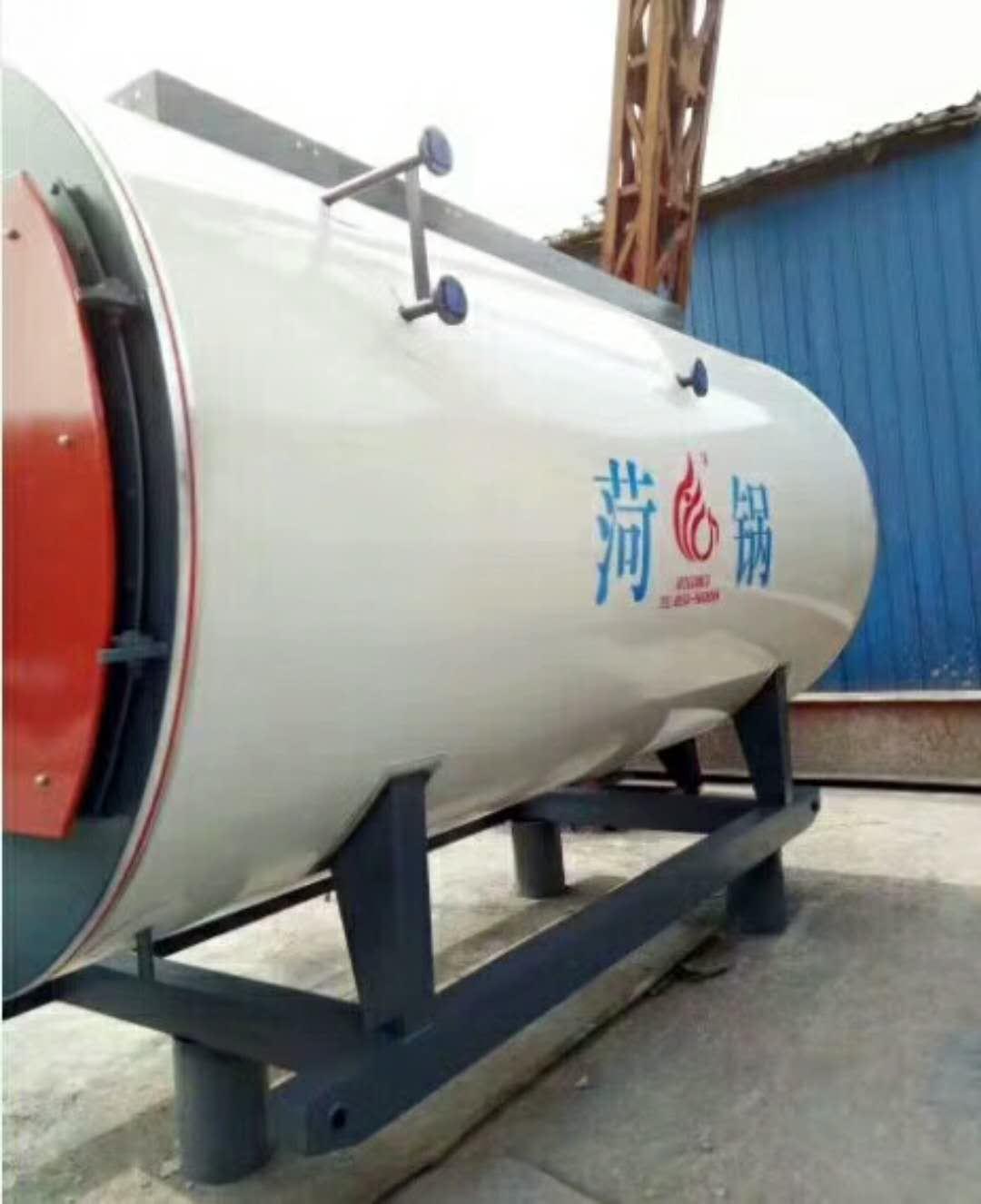

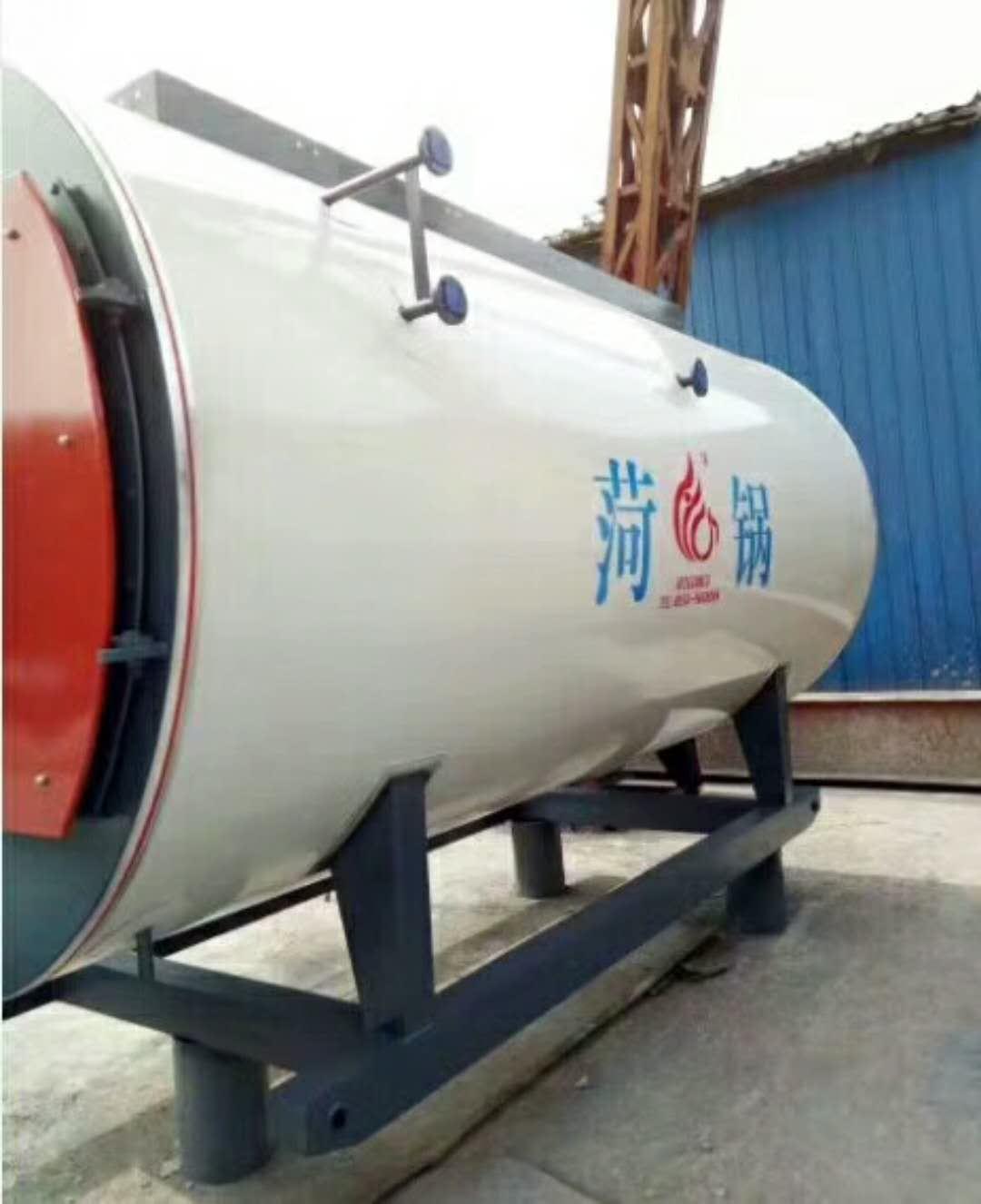
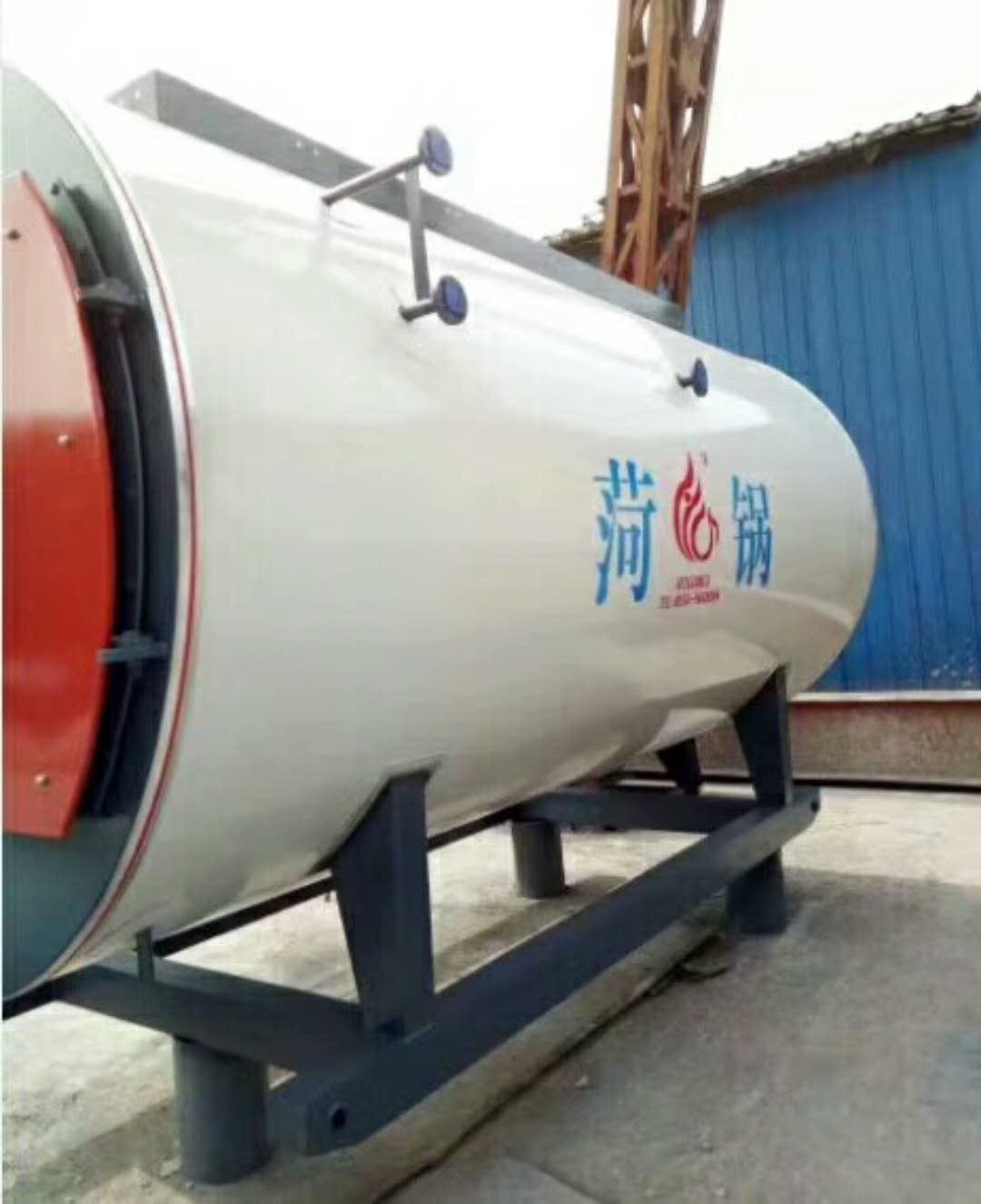


















Shandong Zhongjie Special Equipment (formerly Heze Boiler Factory Co., Ltd.) holds an A-grade boiler manufacturing license, an A2-grade pressure vessel manufacturing license, an A2-grade pressure vessel design license, a B-grade boiler installation license, and GB2/GB3-grade pressure pipeline installation licenses, as well as an equipment and machinery installation contracting qualification. It is a member of the China Boiler and Water Treatment Association, the China Chemical Equipment Association, and the director unit of the Shandong Equipment Manufacturing Association. The company has also passed certifications for the ISO9001 Quality Management System, ISO14001 Environmental Management System, OHSAS18001 Occupational Health and Safety Management System, and the American ASME/U2 certification.
Liquid oxygen storage tanks may deform during use. The following are common deformation defects in liquid oxygen storage tanks:
Elastic deformation: Liquid oxygen tanks may undergo elastic deformation when subjected to external pressure or temperature changes. This deformation is typically reversible, meaning the tank will return to its original shape after the external pressure is removed or the temperature returns to normal.
Plastic Deformation: When a liquid oxygen tank is subjected to significant external force or pressure, it may undergo plastic deformation. This deformation is irreversible, and the tank cannot return to its original shape. Plastic deformation can cause the tank to change shape, develop dents, or twist, among other issues.
Hot Deformation: Liquid oxygen storage tanks may undergo hot deformation when exposed to high temperatures or temperature changes. Hot deformation can cause changes in the tank's shape, such as expansion or contraction.
Cold Deformation: Liquid oxygen tanks may experience cold deformation when subjected to low temperatures or temperature changes. Cold deformation can lead to changes in the tank's shape, shrinkage, or cracking.
These deformation defects may affect the structural integrity and safety of liquid oxygen storage tanks. Therefore, regular inspection and assessment of the deformation of liquid oxygen storage tanks is crucial to ensure normal operation and safe use. If deformation defects are found in the tank, timely repair or replacement measures should be taken to avoid further damage and safety risks.
Maintenance and upkeep are crucial for ensuring the safety of low-temperature storage tanks. Here are some common maintenance measures:
Regular Inspections: Conduct regular inspections of low-temperature storage tanks, including checks on the exterior, internal structure, and corrosion-resistant coatings. Look for cracks, corrosion, wear, and other issues, and promptly identify and repair potential safety hazards.
Cleaning and De-icing: Regularly clean the external surface and internal structure of low-temperature storage tanks to remove accumulated dirt and ice layers. The buildup of ice can lead to structural damage and corrosion, while cleaning and de-icing can extend the lifespan of the tank.
Level Monitoring: Regularly monitor the liquid level in low-temperature storage tanks to ensure it remains within a safe range. Excessive or low levels can lead to overpressure or over-vacuum in the tank, increasing safety risks.
Leak Detection: Install a leak detection system to regularly check for leaks in low-temperature storage tanks. Leaks can cause the escape and evaporation of liquids or gases, increasing safety risks.
Corrosion Protection Measures: Implement appropriate corrosion protection measures, such as coating protection and corrosion-resistant coatings, to safeguard the metallic structure of low-temperature storage tanks from corrosion.
Emergency Fault Handling: Establish an emergency fault handling mechanism to promptly address and repair failures in low-temperature storage tanks, preventing accidents from occurring and escalating.
Training and Development of Personnel: Train and develop operational and maintenance staff to ensure they possess the relevant knowledge and skills to properly operate and maintain low-temperature storage tanks.
Note that maintenance should be tailored to the specific type of tank and operating conditions, adhering to relevant local regulations, standards, and specifications. During maintenance, it is recommended to consult with engineers or guidance from relevant institutions to ensure the tank's safety and reliability.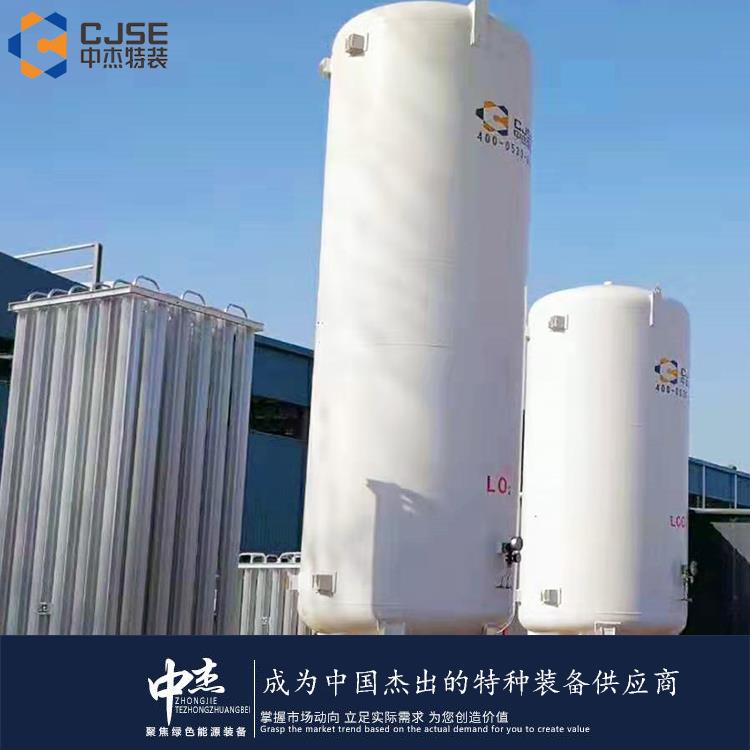
The use of low-temperature liquid storage tanks requires attention to the following matters:
Safe Operation: Operators must receive training to understand the tank's operational procedures and safety precautions. Adhere to correct operational steps to ensure safe operation.
Protective Gear: Operators should wear appropriate protective gear, such as insulated clothing, gloves, etc., to safeguard themselves from harm caused by low-temperature liquids.
Leak Protection: Regularly inspect the seals of tanks and associated pipelines to prevent leaks of low-temperature liquids. Keep the area around the tank clean to avoid debris obstructing leak detection and handling.
Fire Protection: Low-temperature liquids are highly flammable and fire prevention measures must be taken. Keep the area around storage tanks free of ignition sources, prohibit smoking and open flames. Equip with appropriate fire-fighting equipment to address fire risks.
Pressure Control: Regularly inspect and maintain the pressure control system of the storage tank to ensure the pressure inside remains within a safe range. Safety valves and pressure sensors, among other equipment, should operate normally, and abnormal pressure conditions should be detected and addressed promptly.
Insulation Protection: Low-temperature liquid storage tanks should be equipped with an effective insulation layer to reduce heat transfer and evaporation of the liquid. The selection and installation of the insulation layer should comply with relevant standards and requirements.
Regular inspections and maintenance: Conduct regular checks of the tank's exterior and interior condition, including checking for leaks, corrosion, wear, or other damage. Pay special attention to inspecting the tank's interfaces, valves, and pipelines, ensuring they are functioning properly.
Emergency Preparedness: Develop an emergency response plan, including measures for leaks, fires, and other unforeseen incidents. Operators should be familiar with the emergency response plan and be equipped with appropriate emergency and fire fighting equipment.
When selecting welding materials for pressure vessels, several factors should be considered:
Material Matching: The selection of welding materials should match the base material of the pressure vessel to ensure the strength and corrosion resistance of the weld joints. Common material matches include carbon steel welding materials with carbon steel base materials, stainless steel welding materials with stainless steel base materials, etc.
Strength requirements: Select welding materials with sufficient strength based on the design requirements and operating conditions of the pressure vessel. The strength of the welding material should match the base material to ensure that the strength of the weld joint does not become a weakness of the vessel.
Corrosion Resistance: Select welding materials with excellent corrosion resistance based on the working environment and medium of the pressure vessel. For instance, pressure vessels operating in corrosive media may require welding materials made of stainless steel with good corrosion resistance.
Welding Performance: The selection of welding material should consider its welding performance, including penetration depth, weld bead shape, crack resistance, etc. The choice of welding material should meet the requirements of the welding process and ensure the quality of the weld joint.
Relevant Standards and Regulations: When selecting welding materials, refer to the relevant standards and regulations, such as the ASME Boiler and Pressure Vessel Code, AWS (American Welding Society) standards, etc. These standards and regulations provide guidance and requirements for the selection of welding materials.
It's important to note that the selection of welding materials should be made by a welding engineer or a qualified welder. They can choose the appropriate materials based on specific application requirements, working conditions, and safety standards, in conjunction with relevant regulations and specifications. Additionally, manufacturers and suppliers often provide recommendations and technical support for welding material selection.
Shandong Zhongjie Special Equipment, welcome customers to our factory for business discussions.
WeChat Official Account

Scan to follow Official Account



















