


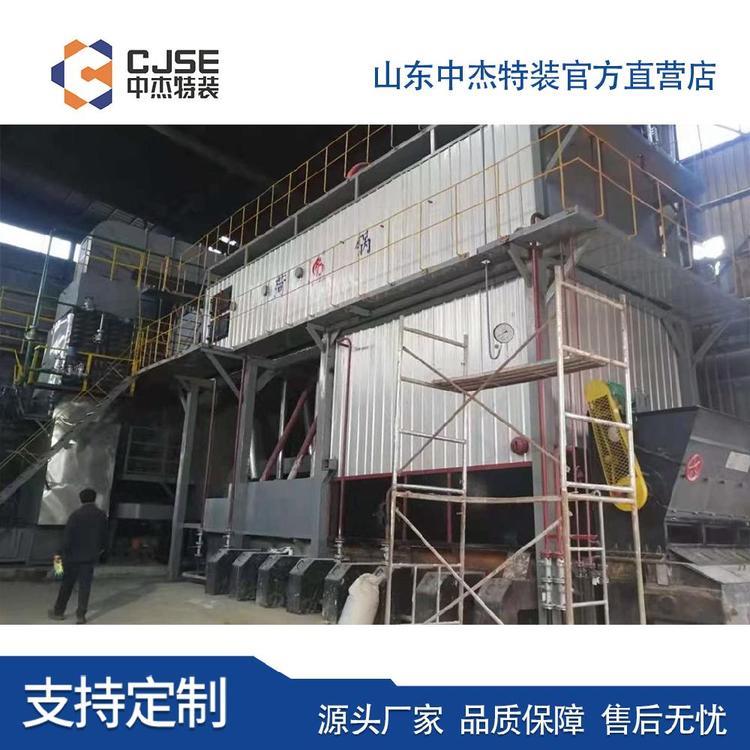

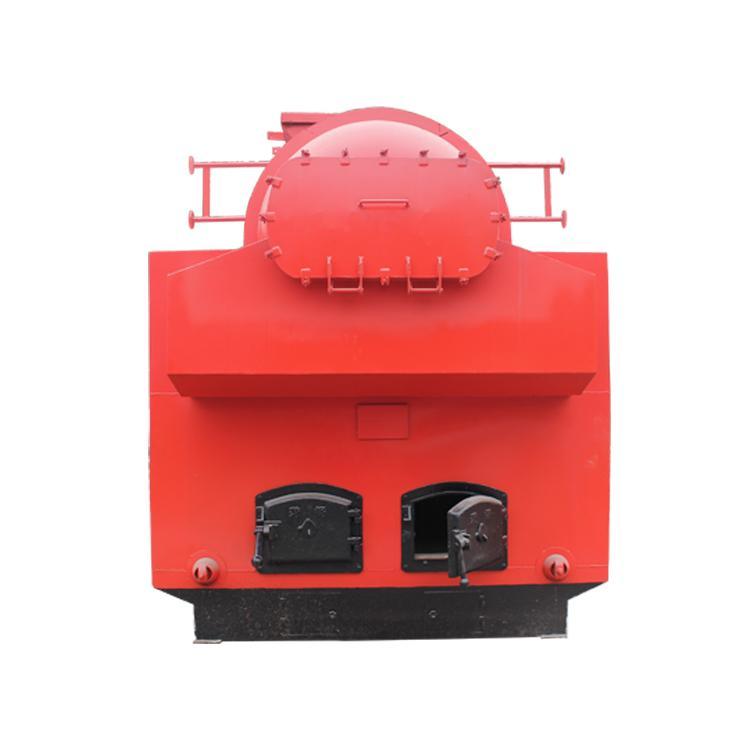
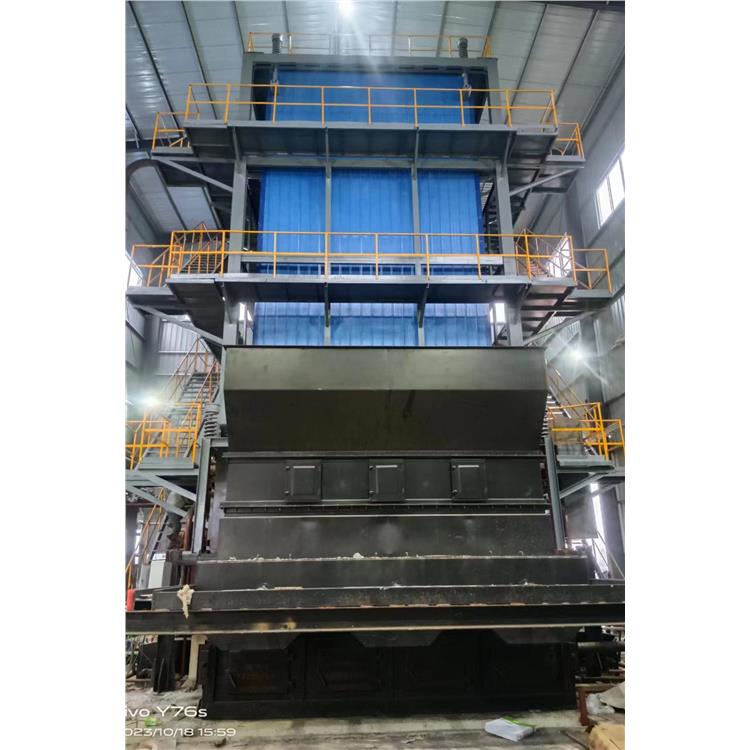


















Shandong Zhongjie Special Equipment (formerly Heze Boiler Factory Co., Ltd.) holds an A-grade boiler manufacturing license, an A2-grade pressure vessel manufacturing license, an A2-grade pressure vessel design license, a B-grade boiler installation license, and GB2/Class and GC2/Class pressure pipeline installation licenses, as well as an equipment and machinery installation contracting qualification. It is a member of the China Boiler and Water Treatment Association, the China Chemical Equipment Association, and a council member of the Shandong Equipment Manufacturing Association. The company has also passed certifications for the ISO9001 Quality Management System, ISO14001 Environmental Management System, OHSAS18001 Occupational Health and Safety Management System, and the U.S. ASME/U2 certification.
To prevent coking issues when burning biomass pellets, the following measures can be taken:
Appropriate Particle Size: The size of biomass pellets is crucial for combustion efficiency. The particle size should be maintained within an appropriate range, typically 3-5 millimeters. Pellets that are too large may lead to incomplete combustion, while those that are too small are prone to flying off and causing blockages.
Sufficient Oxygen Supply: Adequate oxygen supply is required for combustion to ensure complete reaction. Biomass boilers should ensure that there is ample oxygen in the combustion chamber, which can be achieved by adjusting the ventilation system and the operating parameters of the burners.
Appropriate Combustion Temperature: The combustion temperature of biomass pellets is also a significant factor affecting combustion efficiency. Too low a combustion temperature leads to incomplete combustion, while too high a temperature can easily cause coking. Biomass boilers should adjust the combustion temperature to an appropriate range based on the fuel characteristics and combustion requirements.
Appropriate Combustion Time: The combustion time of biomass pellets should also be properly controlled. Too short a combustion time leads to incomplete combustion, while too long a combustion time can easily cause coking. Biomass boilers should adjust the combustion time according to the fuel characteristics and combustion requirements, to an appropriate range.
Regular Cleaning and Maintenance: Biomass boilers require regular cleaning and maintenance to keep the combustion chamber and flue passages clear. Regularly cleaning the ash and carbon deposits in the combustion chamber, and cleaning the flue and heat exchanger, can prevent the occurrence of fouling issues.
Note: Different types of biomass fuels and biomass boilers may vary; specific operations and adjustments should be made according to the actual situation. When making adjustments and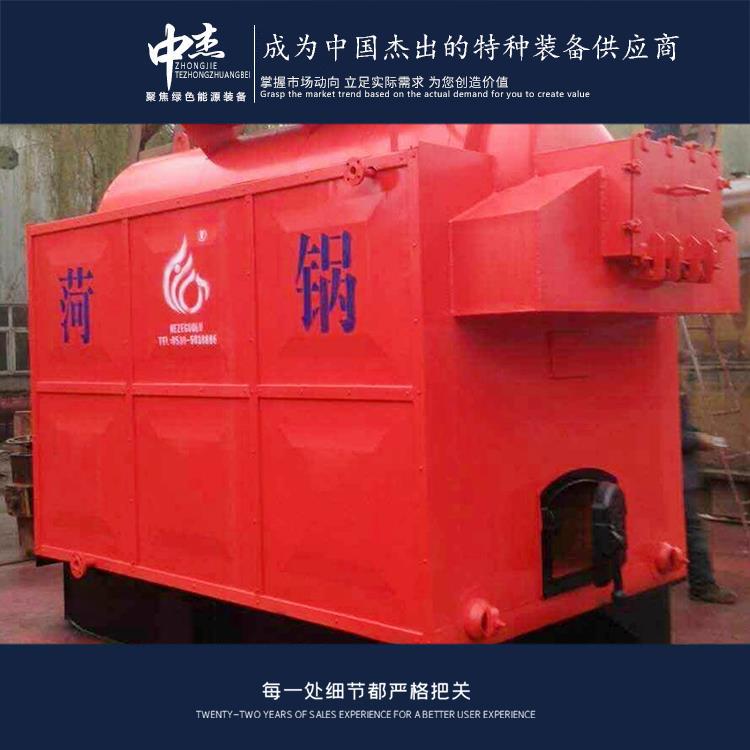
The brief steps for biomass boiler kiln are as follows:
Prepare fuel: Select appropriate biomass fuel such as wood chips, straw, etc., and conduct pre-treatment like drying and sieving to ensure fuel quality and meet the requirements of the furnace.
Ignition and Ignition Adjustment: Place the fuel into the combustion chamber of the biomass boiler, ignite, and make adjustments to the ignition. Adjust parameters such as the oxygen supply to the combustion chamber, fuel supply, and combustion temperature to ensure stable combustion.
Heating and Temperature Control: As the fuel burns, biomass boilers produce high-temperature flue gas, which transfers heat to the dryer through a heat exchanger. During the heating process, it is necessary to control the temperature of the dryer to ensure that the materials inside receive adequate heating.
Furnace Operation and Monitoring: During the furnace heating process, both operation and monitoring are required. Operations involve controlling fuel supply, heat transfer, and the movement of materials inside the furnace. Monitoring includes parameters such as furnace temperature, pressure, and combustion efficiency to ensure normal operation and safety.
Furnace Completion and Cleaning: Once the furnace heating is complete or the desired effect is achieved, stop the fuel supply and heating, and perform the furnace completion procedure. After completion, the furnace and biomass boiler, combustion chamber, and flue need to be cleaned.
Consider the following aspects when looking to purchase a high-performance hot water boiler:
Market Research: Before purchasing, conduct market research to understand various models of hot water boilers, comparing their performance, quality, and pricing differences. Information can be obtained through the internet, consulting experts, or referring to customer reviews.
Choose Reliable: Opt for a reputable hot water boiler, which typically boasts high-quality products and after-sales service guarantees. You can gauge their reputation by reviewing relevant materials, consulting experts, or referring to customer reviews.
Pay attention to product quality: When purchasing a hot water boiler, focus on the quality of the product. Check the certifications and compliance with standards, and understand the manufacturing process and material selection. Additionally, refer to customer reviews to learn about the actual usage of the product.
Performance and Requirement Alignment: Select a suitable hot water boiler model and specification based on your specific hot water needs and usage scenarios. Consider the performance indicators such as thermal efficiency, heating speed, and capacity of the hot water boiler to ensure they meet your actual requirements.
Price Comparison: When selecting a hot water boiler, it's essential to compare prices, taking into account factors like product performance, quality, and cost. Consult multiple suppliers for quotes, compare and negotiate to secure a more reasonable price.
After-sales Service: When purchasing a hot water boiler, pay attention to the quality and guarantees of after-sales service. Understand the supplier's after-sales policies, maintenance, and repair to ensure timely technical support and repair during use.
To prevent incidents of secondary combustion at the tail of biomass boilers, the following operational measures can be taken:
Properly adjust combustion parameters: Ensure the stability and completeness of the combustion process, avoiding fuel accumulation and recombustion in the tail section. Reasonably control combustion temperature, air flow, and combustion time to maintain a smooth and thorough combustion process.
Enhance combustion chamber mixing and air flow distribution: By optimizing the combustion chamber structure and the design of the combustion system, ensure thorough mixing of fuel and air, and avoid fuel accumulation and re-burning in the tail region. Rationally design the air flow distribution within the combustion chamber to ensure uniform fuel combustion.
Regularly clean the furnace chamber and flue: Regularly remove ash and carbon deposits from the furnace chamber to maintain cleanliness. Clean the flue and waste heat recovery equipment to prevent particle accumulation and ash in the flue gas, reducing the risk of re-burning.
Install Flue Gas Recirculation Device: Install a flue gas recirculation device at the rear of the boiler to reignite the exhaust flue gas, enhancing combustion efficiency, and reducing the likelihood of secondary combustion at the rear.
Enhance operational monitoring and maintenance: Regularly monitor and maintain biomass boilers to promptly identify and address any anomalies. Monitor combustion parameters, flue gas emissions, and temperatures to ensure the boiler operates normally.
Ensure comprehensive safety training and operational procedures: Conduct safety training for operators, enhancing their understanding of biomass boiler operation and safety protocols.
Zhongjie Special Equipment upholds the grand vision of "realizing the dreams of our employees, creating value for our customers, and striving for the prosperity and strength of our motherland," and is dedicated to the development of the green energy equipment industry. We commit to society with high-quality products and services at competitive prices!
WeChat Official Account

Scan to follow Official Account



















