





















Shandong Zhongjie Special Equipment (formerly Heze Boiler Factory Co., Ltd.) holds an A-grade boiler manufacturing license, A2-grade pressure vessel manufacturing license, A2-grade pressure vessel design license, B-grade boiler installation license, GB2 and GC2 pressure pipeline installation licenses, and mechanical and electrical equipment installation contracting qualifications. It is a member of the China Boiler and Water Treatment Association, the China Chemical Equipment Association, and the Council Member of the Shandong Equipment Manufacturing Association. The company has also passed the ISO9001 Quality Management System, ISO14001 Environmental Management System, OHSAS18001 Occupational Health and Safety Management System certifications, and the American ASME/U2 certification.
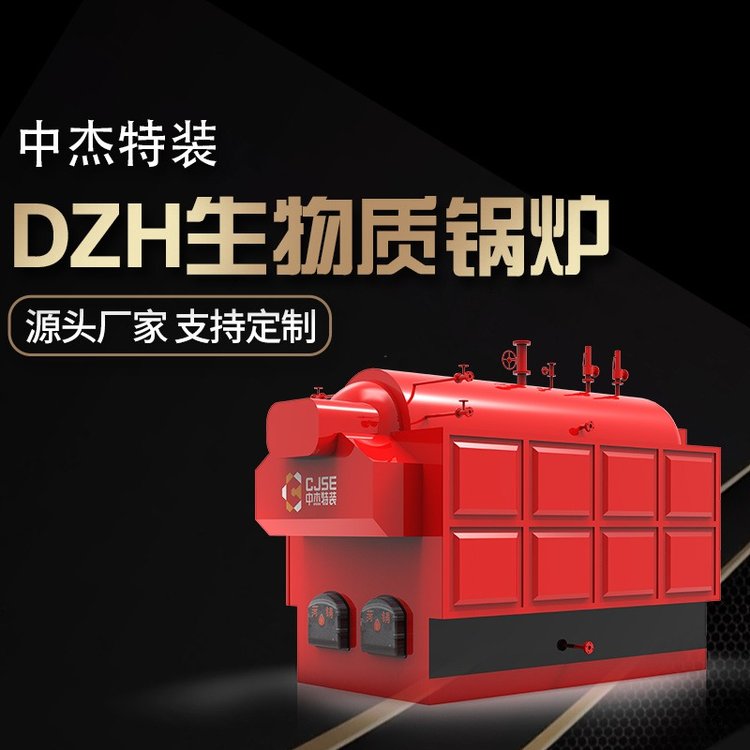
The DZL type quick-assembly biomass boiler is a common biomass boiler model with the following features:
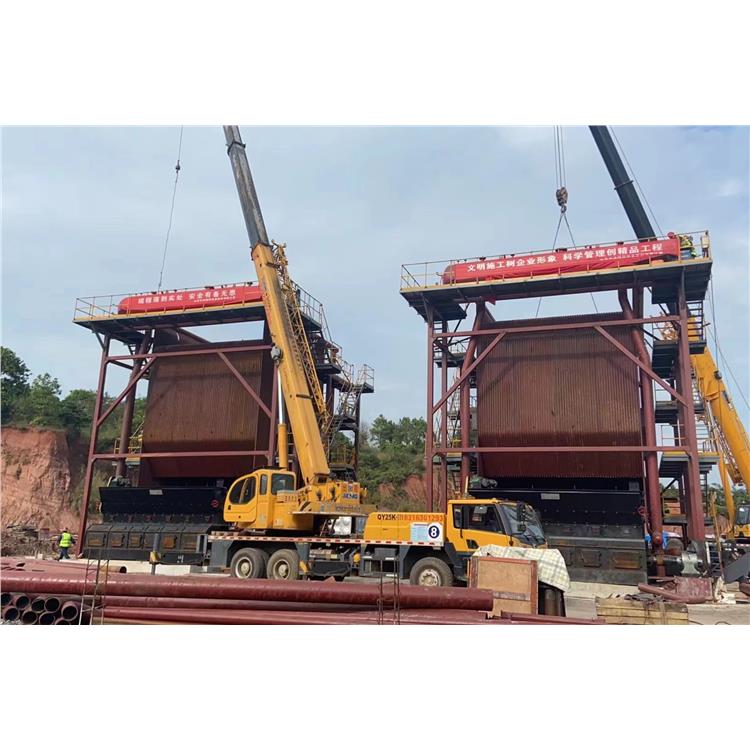
Quick Installation: The DZL model quick-install biomass boiler features a modular design. The boiler body and equipment are pre-assembled in the factory, allowing for only simple connections and adjustments on-site, significantly reducing installation time and project duration.
High combustion efficiency: Utilizes a special combustion chamber design and system, allowing biomass fuel to burn completely within the furnace, resulting in high thermal efficiency. Additionally, equipped with an economizer and flue gas recirculation unit to further enhance thermal efficiency.
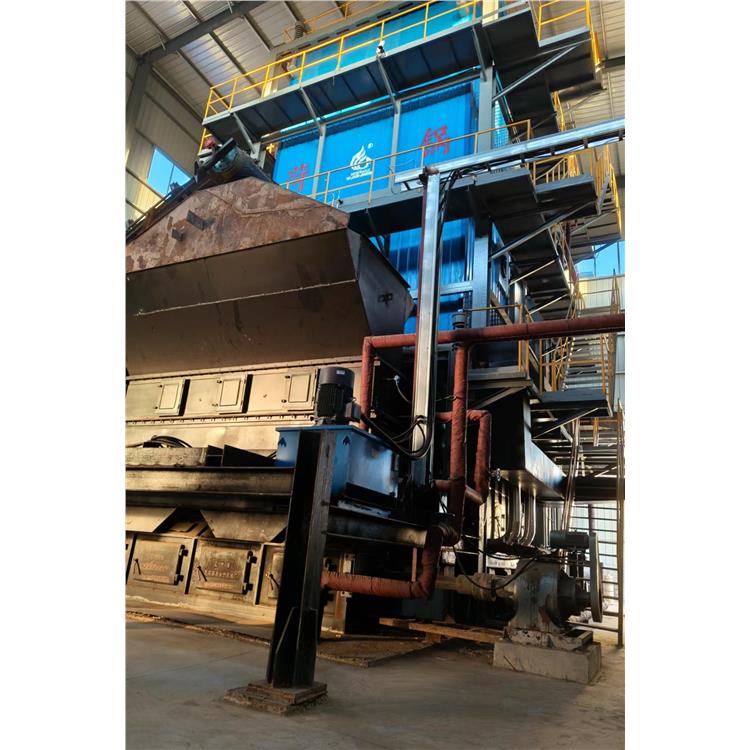
Automation Control: The DZL type quick-assembly biomass boiler is equipped with an automated control system, which enables the control and monitoring of the combustion process. With the PLC controller and touch screen, parameters such as fuel supply, air supply, and combustion temperature can be adjusted to ensure stable boiler operation.
Multiple Fuel Adaptability: The DZL type quick-assembly biomass boiler is suitable for various biomass fuels such as sawdust, straw, etc. Different fuels can be chosen according to actual conditions, enhancing the substitutability and flexibility of the fuel.
Environmental Protection and Energy Saving: The DZL type quick-assembly biomass boiler uses biomass fuel, resulting in relatively low emissions of flue gas and waste residue during combustion, and low pollution content in the combustion emissions. The biomass fuel itself has the characteristics of low sulfur and low nitrogen, and the waste residue after combustion can be reused as organic fertilizer or biomass fuel, reducing environmental pollution.
Compact Structure: DZL Type Quick Assembly Biomass Boiler
A fully automatic biomass boiler refers to a biomass boiler equipped with a fully automatic control system. Here are some important considerations:
Regular Maintenance: Although fully automatic biomass boilers come with an automatic control system, regular maintenance is still necessary. This includes cleaning the combustion chamber, heat exchangers, flue, etc., inspecting and replacing worn-out parts, to ensure the normal operation of the boiler.
Water Treatment: The quality of water in biomass boilers is crucial for their normal operation. Regularly inspect and treat the water quality, including water hardness, alkalinity, and impurities in the water. Take appropriate water treatment measures based on the water quality to prevent scale and corrosion, and protect the boiler's heat exchangers and pipelines.
Fuel Quality Control: The quality of fuel for biomass boilers is crucial for combustion efficiency and the stable operation of the boiler. Select an appropriate amount of biomass fuel and implement proper quality control, including moisture content and particle size of the fuel. Ensure the fuel quality meets the boiler's requirements to avoid incomplete combustion and blockages.
Regular Cleaning of the Combustion System: The combustion system of fully automatic biomass boilers requires regular cleaning, including the combustion chamber, burners, and burner nozzles. Accumulation of ash, sediment, and dirt maintains the unobstructed flow of the combustion system, preventing issues such as incomplete combustion and unstable flames.
Regular system inspections: The control system of fully automatic biomass boilers requires regular inspections and testing to ensure proper operation. This includes checking the accuracy of sensors and the stability of controllers. Promptly identify and resolve issues with the control system to ensure stable boiler operation.
Maintain records and monitoring: Document operational parameters and fault conditions of all active biomass boilers, and conduct monitoring and analysis. Identify and resolve issues promptly to prevent faults from occurring or escalating.
Here are some precautions to consider when using an all-active biomass boiler. Proper maintenance, care, and quality control can ensure the stable operation and performance of the boiler.
The brief steps for the biomass boiler kiln are as follows:
Prepare fuel: Select suitable biomass fuel such as wood chips, straw, etc., and carry out necessary pretreatment such as drying and crushing to enhance combustion efficiency.
Ignition: Place the fuel into the combustion chamber and ignite to start the combustion process. An igniter or other appropriate tool can be used for ignition.
Control the combustion process: Adjust the oxygen supply and fuel feed during combustion as needed to control the combustion temperature and heat output. This can be achieved by adjusting the burner's switch, control panel, or an automatic control system.
Oven Operation: Place the items to be baked into the oven according to specific baking requirements and ensure even heating. Depending on the oven design and requirements, appropriate measures can be taken, such as adjusting the combustion chamber temperature and flue ventilation, to achieve the desired baking results.
Monitoring and Adjustment: During the baking process, it is necessary to monitor the combustion status, heat output, and baking results. Adjust the combustion parameters and operating methods in a timely manner based on actual conditions to ensure stable operation and the required baking effects.
Shut down and cleaning: After the furnace operation is completed, stop the fuel supply and wait for the combustion chamber to cool down. Once the combustion chamber is fully cooled, proceed with cleaning and maintenance of the furnace chamber, removing ash and soot generated during the combustion process.
Above are the brief steps for the biomass boiler curing process. The specific operational procedures and precautions should be based on the boiler model, curing requirements, and the manufacturer's guidelines. During the operation process,
Biomass boilers may experience issues like ash accumulation and slagging during prolonged operation. These problems can affect the boiler's combustion efficiency and safety. Here are methods to address ash accumulation and slagging in biomass boilers:
Regular Cleaning: Regularly cleaning the ash and carbon deposits inside the boiler is crucial for preventing the buildup of scale and slag. A cleaning schedule can be established based on the boiler's usage, including the combustion chamber, flue, and heat exchanger. Appropriate tools and cleaning agents should be used during the cleaning process to ensure the removal of ash and carbon deposits.
Adjust combustion parameters: Properly adjusting the combustion parameters of biomass boilers can reduce the occurrence of ash accumulation and coking. For instance, adjusting the combustion temperature, oxygen supply, and combustion duration can enhance combustion efficiency and decrease the formation of ash and slag.
Additives Usage: During biomass combustion, special additives such as ash and slag inhibitors, and coking inhibitors can be added. These additives can reduce the formation of ash and carbon deposits, enhancing the boiler's cleanliness and combustion efficiency. The use of additives should be based on specific conditions and manufacturer recommendations.
Regular Inspections and Maintenance: Regularly inspect and maintain all components of the biomass boiler, including burners, fans, flues, and heat exchangers, to promptly identify and address issues like ash accumulation and slagging. During inspections, you can clear clogged parts, repair damaged components, and ensure the boiler operates smoothly.
Note that dealing with biomass boiler ash and slagging issues requires a case-by-case approach. Consult with boiler maintenance personnel or manufacturers for more detailed and accurate advice. Additionally, regular cleaning and maintenance are crucial measures to prevent ash and slagging problems.
Our company attaches great importance to technological innovation and R&D design. We have one municipal-level enterprise technology center in Heze City, equipped with testing facilities for non-destructive testing, physical and chemical testing, welding testing, hydrostatic testing, etc. We have over 600 various instruments and equipment, including CNC machine tools, X-ray flaw detectors, digital ultrasonic flaw detectors, mechanical property testing machines, chemical analyzers, spectrometers, tensile testing machines, plasma welding machines, and more. The key products and technologies we have developed, such as welding of temperature and pressure vessels, biomass boiler emission reduction, and waste heat utilization, have successively been selected for multiple Shandong Provincial Department of Industry and Information Technology science and technology innovation projects, Shandong Provincial key projects, and Heze City innovative and excellent projects. We have cumulatively obtained 27 authorized utility models, 16 authorized inventions, participated in drafting 2 standards, 2 industry standards, and registered 15 trademarks. Our technical team, in collaboration with Professor Yajiang Li of Shandong University, has developed deep cryogenic container processing technology using the international plasma arc + filler wire tungsten inert gas arc welding (PAW-GTAW) technology. After being appraised as a provincial-level scientific and technological achievement, our technology level has reached international standards in the field of deep cryogenic container manufacturing. Choose Zhongjie Special Equipment, let's create brilliance together!
WeChat Official Account

Scan to follow Official Account



















