


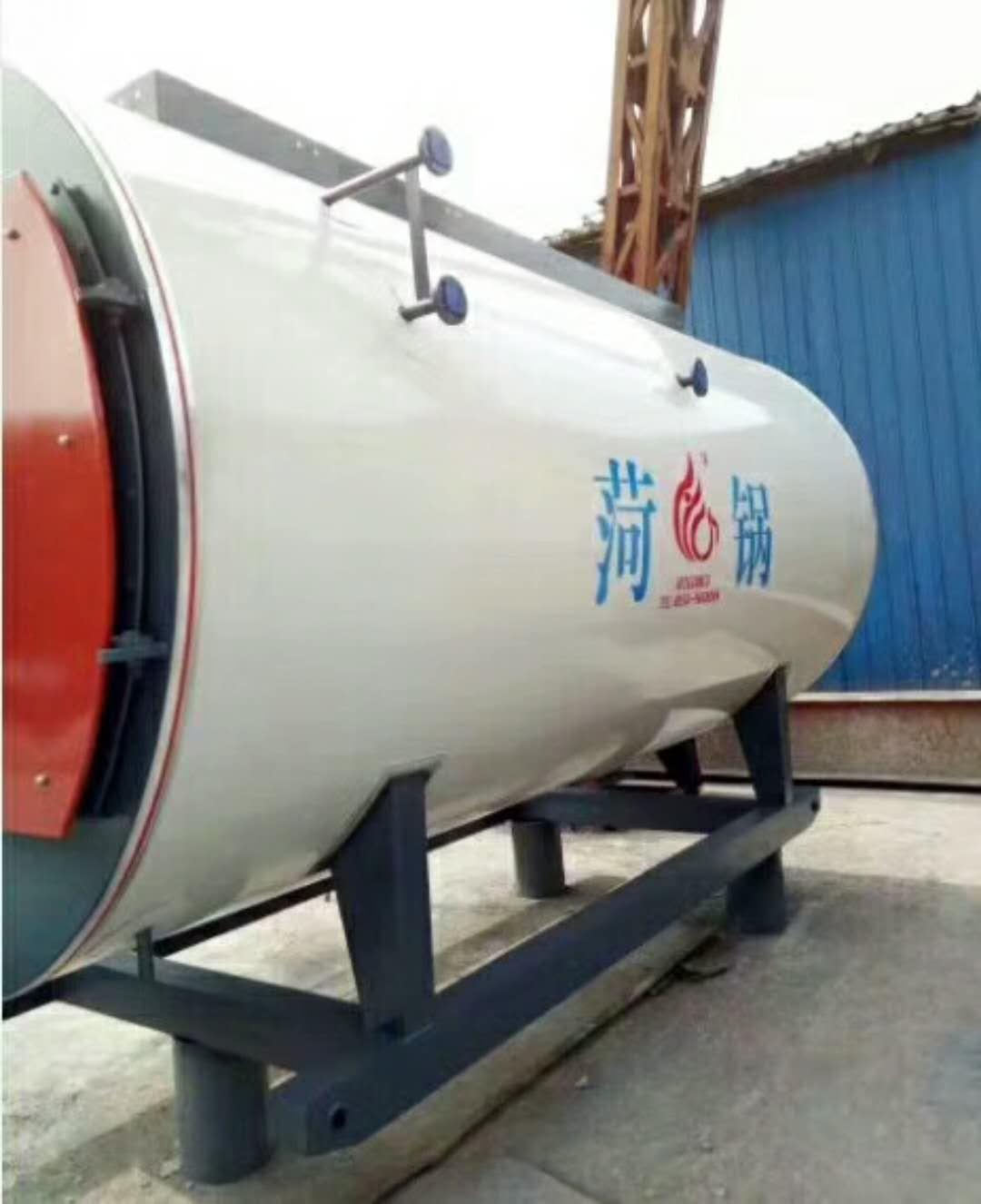

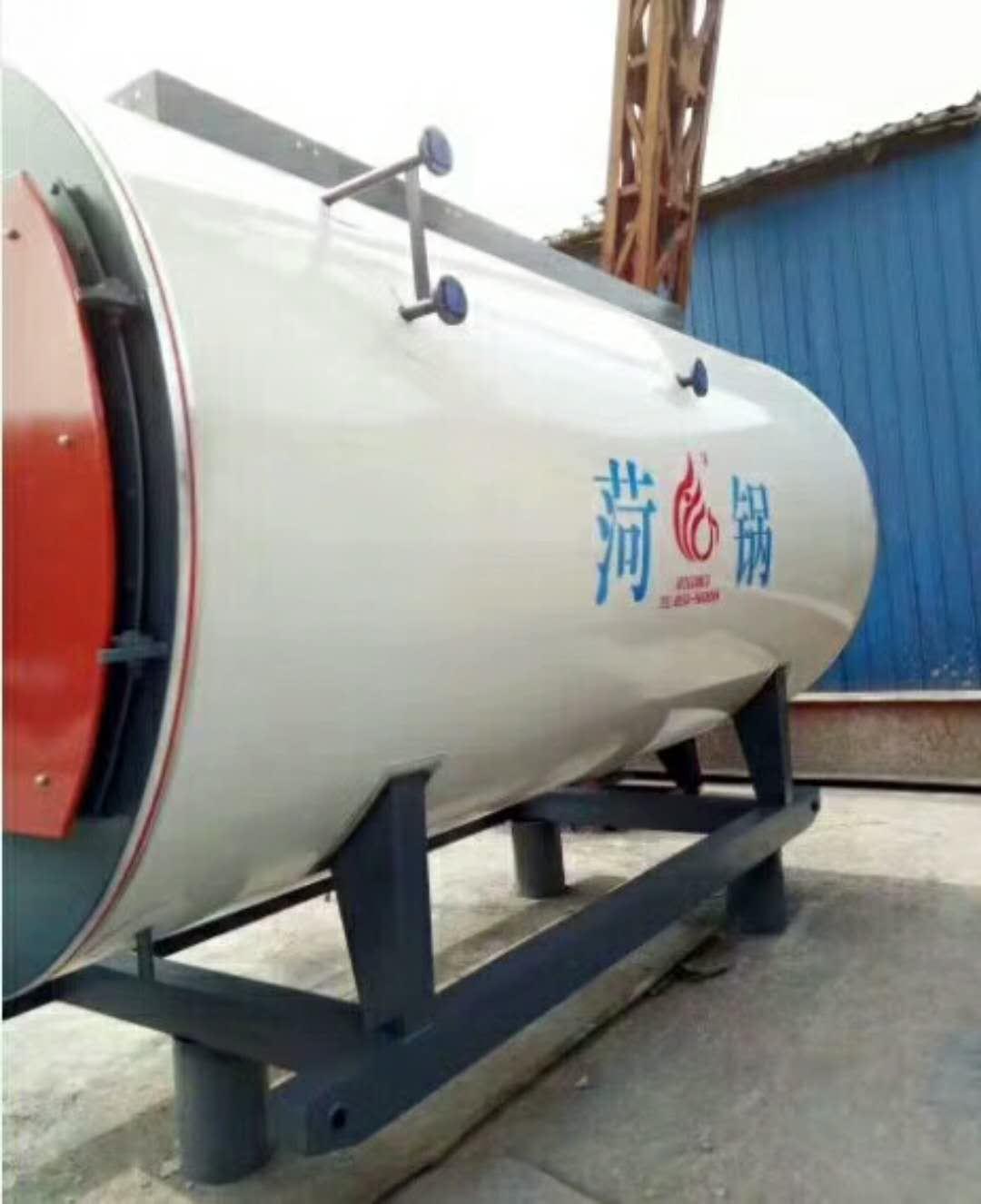
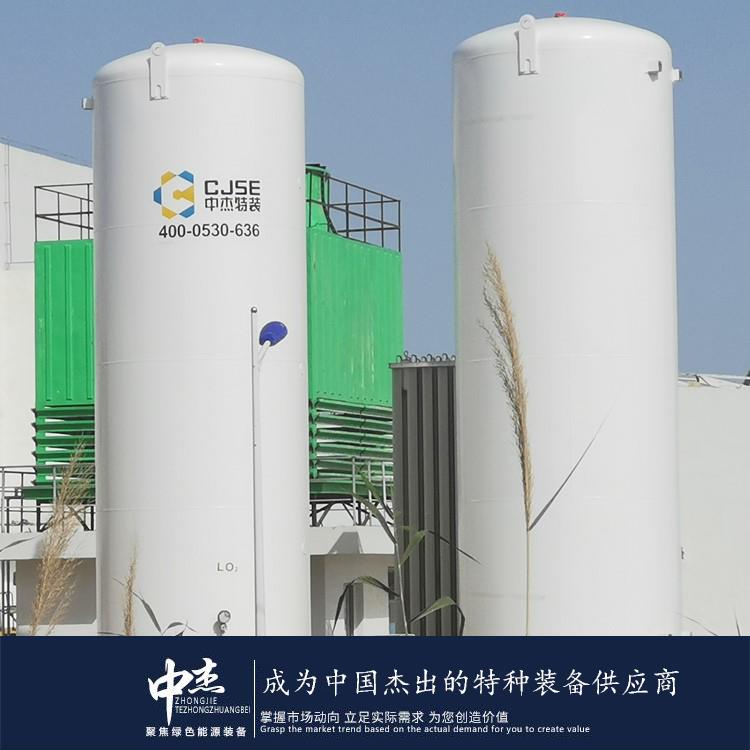


















Shandong Zhongjie Special Equipment (formerly Heze Boiler Factory Co., Ltd.) was established in 2001, located at No. 2218 Jinnan Road, Economic and Technological Development Zone, Heze City, with a registered capital of 50 million yuan and total assets of 500 million yuan. The company has 7 business centers: boilers, deep-freezing vessels, pressure vessels, central air conditioning, engineering installation, international trade, and Internet of Things. It has three factory sites on Jinnan Road, East Changjiang Road, and Bohai Road, covering a total area of 200,000 square meters, with the main workshop spanning 83,000 square meters. Currently, it has 710 employees, including 247 engineers and technicians and 82 intermediate-level technicians. In December 2016, it was recognized as a "High-Tech Enterprise" by the Science and Technology Department. In June 2021, it was identified as a "Specialized and New Enterprise in Shandong Province" by the Industry and Information Technology Department. In June 2022, it was recognized as a "Gazelle Enterprise in Shandong Province" and in August 2022, as a "Specialized and New Small Giant Enterprise" by the Ministry of Industry and Information Technology.
Several reasons have contributed to the peak popularity of low-temperature liquid storage tanks in recent years:
Rising Demand: With the development of industries such as manufacturing and scientific research, the demand for low-temperature liquids is continually increasing. Low-temperature liquid storage tanks can effectively store and supply liquid oxygen, liquid nitrogen, and other low-temperature liquids, meeting the needs of various fields.
Technological Advancements: In recent years, the manufacturing and material technologies for low-temperature liquid storage tanks have undergone continuous improvement and innovation. The application of new insulating materials, advanced refrigeration systems, and safety control devices has enhanced the performance and safety of the tanks, making them more reliable and secure.
Increased Environmental Awareness: Low-temperature liquid storage tanks enable effective storage and utilization of low-temperature liquids, reducing energy waste and environmental pollution. Amidst the heightened environmental awareness, low-temperature liquid storage tanks, as environmentally friendly and energy-saving equipment, have garnered more attention and applications.
Emerging Application Fields: The demand for low-temperature liquid storage tanks is continually increasing in emerging application fields. For instance, the application of liquid nitrogen in frozen food, biopharmaceuticals, and semiconductor manufacturing is becoming more widespread, propelling the development of low-temperature liquid storage tanks.
Policy Support: The government has provided support and encouragement for the development of low-temperature liquid storage tanks. Through policy guidance and financial support, the industry has been promoted and expanded.
In summary, the reasons for the peak popularity of low-temperature liquid storage tanks in recent years include increasing demand, technological advancements, enhanced environmental awareness, development in new application fields, and policy support. These factors collectively have driven the rapid growth of the low-temperature liquid storage tank industry.
Maintenance and protection of liquid argon tank accessories are crucial for ensuring the normal operation and extending the service life of the tank. The following are general methods for maintaining and protecting liquid argon tank accessories:
Valve Maintenance: Regularly inspect and maintain valves within the tank accessories, including intake valves, exhaust valves, and safety valves. Ensure valves operate smoothly and reliably with no leaks or obstructions. Regularly lubricate valves and clean away any debris and dirt.
Pressure Relief Device Maintenance: The pressure relief devices (such as safety valves) in the liquid argon storage tank accessories are critical components for ensuring the safety of the internal pressure. Regularly inspect and test the operational status of the pressure relief devices to ensure proper functioning. Clean and repair as needed.
Sensor and Gauge Maintenance: Sensors and gauges in the liquid argon storage tank accessories are used to monitor and control parameters such as the tank's temperature and pressure. Regularly calibrate and check the accuracy and reliability of the sensors and gauges. Keep the sensors and gauges clean and functioning properly.
Insulation Protection: The insulation layer on liquid argon storage tank accessories is crucial for maintaining the low temperature state of the liquid argon. Regularly inspect the integrity and insulating performance of the insulation layer, and repair or replace damaged insulation materials. Avoid mechanical damage or contamination to the insulation layer.
Cleaning and Antirust Protection: Regularly clean the accessories of the storage tank and remove impurities and dirt on the surface. Periodically inspect and maintain the antirust coating on the accessories to prevent corrosion and oxidation.
Regular Inspections and Maintenance: Conduct comprehensive inspections and maintenance of liquid argon cylinder accessories on a regular basis, including appearance, fittings, and seals. Promptly identify and address any damage, leaks, or other issues with the accessories.
Record and Document Management: Record the results of each maintenance and service, including the maintenance date, services performed, issues found, and measures taken. Establish comprehensive management records and documents to track and manage the operation of the attachments.
Note that maintenance and protection of liquid argon cylinder accessories should be performed by trained personnel, following relevant specifications and standards. Ensure safety during maintenance and operation, and consult with experts for accurate guidance.
Liquid nitrogen tanks are equipment used for storing and transporting liquid nitrogen. To ensure safe operation, here are some common operational protection procedures for liquid nitrogen tanks:
Tank Installation: Tanks should be installed on a solid and level foundation, far from any fire sources and flammable materials. Good ventilation around the tank is essential to prevent gas accumulation. Adequate safety distances should be maintained between the tank and other equipment and buildings.
Liquid Nitrogen Filling: Use liquid nitrogen transfer equipment during filling to avoid direct contact with the liquid nitrogen. Monitor the flow rate and pressure of the liquid nitrogen during the filling process to prevent overfilling and excessive pressure in the storage tank.
Tank Pressure Control: Tanks should be equipped with pressure control devices to ensure the internal pressure of the tank remains within a safe range. Regularly inspect and maintain the pressure control devices to ensure proper operation.
Leak Detection and Alarm Systems: Storage tanks should be equipped with leak detection and alarm systems to promptly detect and alert of any tank leaks. Regularly inspect and maintain the leak detection equipment to ensure proper functioning.
Fire and Explosion Prevention Measures: A fire-resistant isolation zone should be established around the storage tank, away from fire sources and flammable materials. The tank itself should adopt fire and explosion prevention measures, such as fire-resistant coatings, explosion-proof devices, etc., to prevent fires and explosions.
Regular inspections and maintenance: Conduct regular checks of the tank's appearance, valves, and connections to ensure they are undamaged. Regularly perform leak detection and pressure tests to ensure the tank's safety performance meets requirements.
Safety Training and Awareness Enhancement: Conduct safety training for operators to enhance their awareness and ability to handle liquid nitrogen tanks safely. Regularly hold safety training and drills to respond to emergencies.
Establish comprehensive management records and documents, including the usage of tanks, inspection logs, and maintenance records. Regularly review and update the management records to ensure the safe management and maintenance of the tanks.
Note that the above are some common protection procedures, which may vary depending on the type of tank and application. When using liquid nitrogen tanks, operate according to relevant specifications and standards, and consult with experts to ensure safety and effectiveness.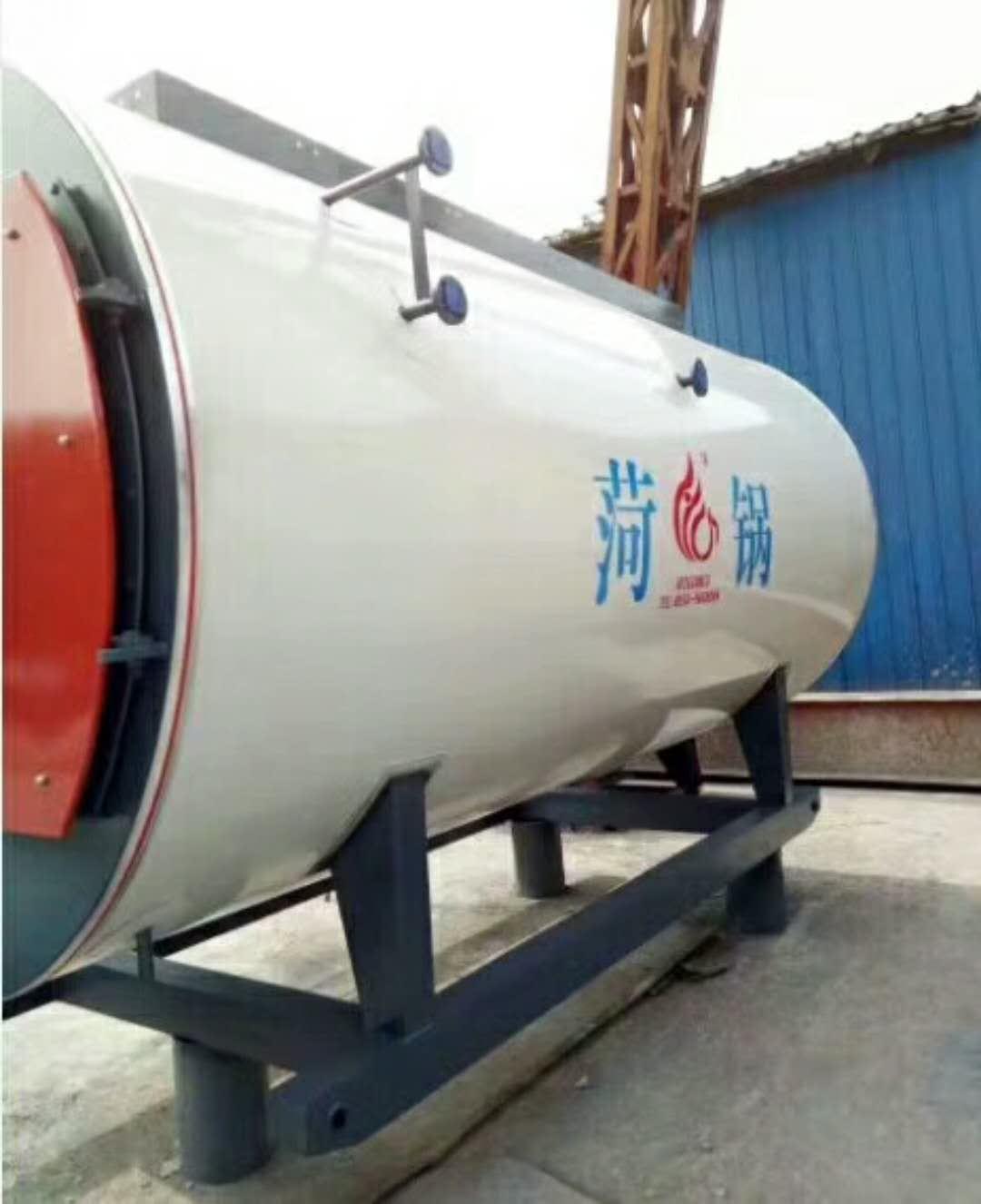
During the process of constructing low-temperature liquid oxygen storage tanks with central oxygen supply, special attention should be paid to the following aspects:
Safe Operation: Strict adherence to safety procedures and standards is mandatory during the storage tank installation process. Operators must be trained, familiar with the properties and safety requirements of liquid oxygen, and knowledgeable about the equipment and operational procedures to ensure safe operations.
Fire prevention measures: Liquid oxygen has a high oxygen content and is prone to causing fires. During the installation process, necessary fire prevention measures should be taken, such as setting up fire barriers, using fire-resistant coatings, and prohibiting open flames, to prevent fires from occurring and spreading.
Leakage Control: Pay attention to leakage control during the assembly process. Oxygen concentration can increase due to the leakage of liquid oxygen, which in turn raises the risk of fire and explosion. Leak detectors and alarm systems should be equipped to detect and control leaks in a timely manner, and appropriate emergency measures should be taken.
Oxygen Concentration Monitoring: During the installation process, the oxygen concentration around the liquid oxygen storage tank should be monitored regularly. High oxygen concentrations can intensify the combustion of flammable materials, increasing the risk of fire and explosion. Take timely measures to ensure the oxygen concentration remains within safe limits.
Grounding and Static Protection: During the liquid oxygen plant process, ensure proper grounding of the storage tank and related equipment to minimize static accumulation and discharge. Utilize static conductive materials and antistatic equipment to reduce the risks caused by static discharge.
Regular inspections and maintenance: After installation, the liquid oxygen tank should be regularly inspected and maintained. This includes visual inspections, pressure tests, leak detection, etc., to ensure the tank's safety and stability.
Note that during the installation of the central oxygen supply low-temperature liquid oxygen storage tank, it should be operated by experienced personnel and follow relevant safety operation procedures and standards. Throughout the installation process, safety risks should be closely monitored, and timely measures should be taken to ensure the safety and stability of the installation.
ZJ Special Equipment upholds the grand vision of "realizing employees' dreams, creating value for customers, and striving for the prosperity and strength of our motherland," and is dedicated to the development of the green energy equipment industry. We commit to society with high-value products and services!
WeChat Official Account

Scan to follow Official Account



















