


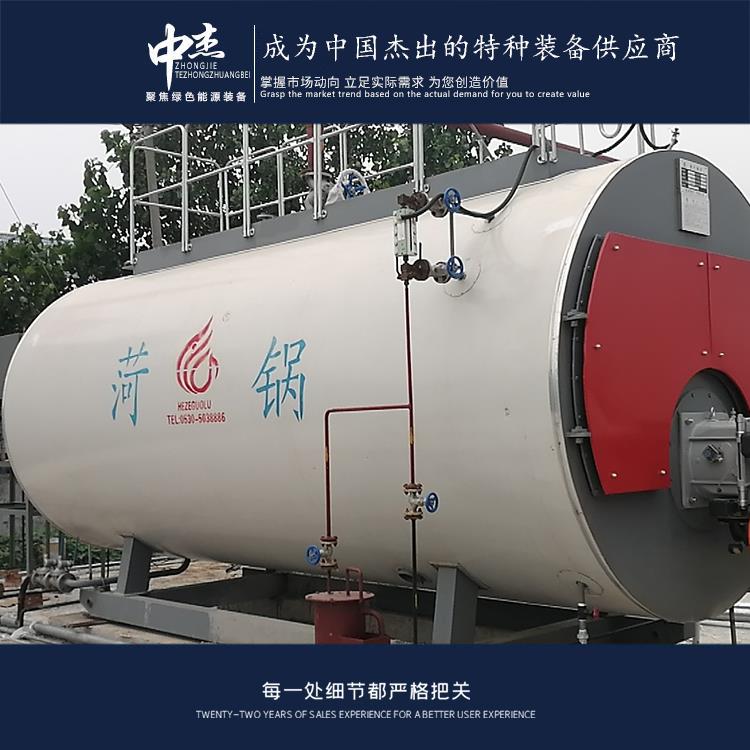

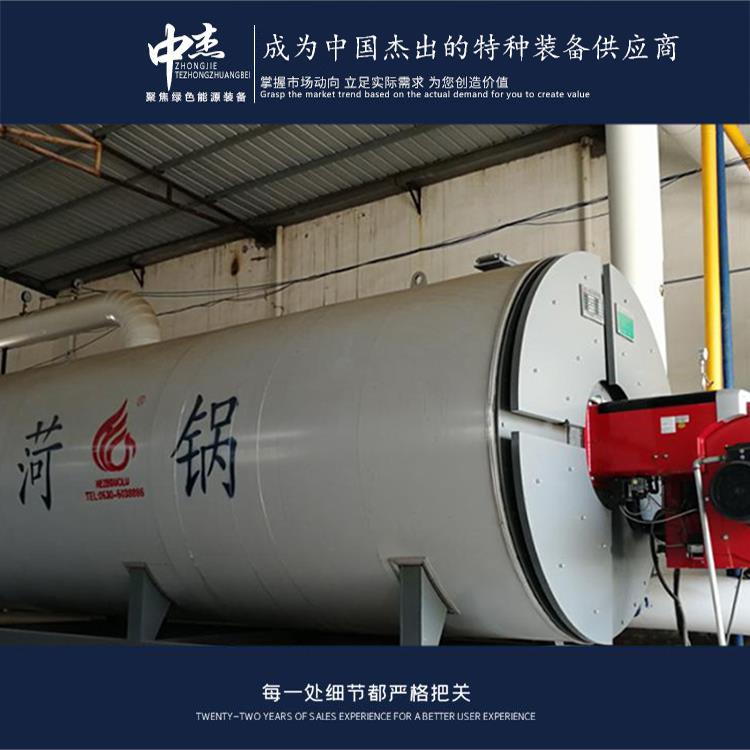
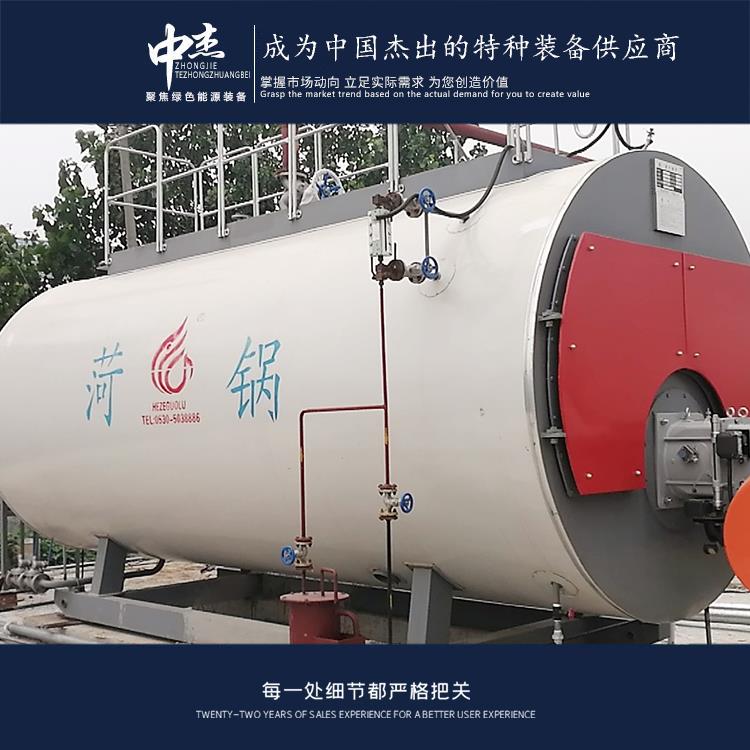


















Shandong Zhongjie Special Equipment (formerly Heze Boiler Factory Co., Ltd.) holds an A-grade boiler manufacturing license, A2-grade pressure vessel manufacturing license, A2-grade pressure vessel design license, B-grade boiler installation and GB2, GC2-class pressure pipeline installation licenses, as well as equipment and machinery installation contracting qualifications. It is a member of the China Boiler and Water Treatment Association, the China Chemical Equipment Association, and a director unit of the Shandong Equipment Manufacturing Association. The company has also passed certifications for the ISO9001 Quality Management System, ISO14001 Environmental Management System, OHSAS18001 Occupational Health and Safety Management System, and the U.S. ASME/U2 certification.
Steam boiler energy saving is an urgent mission for the following reasons: Energy Consumption: Steam boilers typically use fuel to produce steam, and the consumption of fuel directly impacts energy use. With the increasingly scarce energy resources and rising energy prices, energy saving has become a critical task. Environmental Protection: The emissions and waste smoke from fuel combustion pollute the environment, including air pollution and greenhouse gas emissions. By reducing fuel consumption through energy saving, the impact on the environment and carbon emissions can be decreased. Economic Benefits: Energy saving can lower energy consumption and operational costs, enhancing energy utilization efficiency. By implementing energy-saving measures, companies can reduce energy expenses and improve economic benefits. Sustainable Development: Energy saving is a key component of sustainable development. By reducing energy consumption, the lifespan of energy resources is extended, providing more energy reserves for future development. Legal and Regulatory Requirements: Many regions have established laws, regulations, and policies for energy conservation and emission reduction, requiring enterprises to adopt energy-saving measures and reduce energy consumption and environmental pollution. Therefore, steam boiler energy saving is an urgent task. By implementing effective energy-saving measures, energy consumption can be reduced, environmental pollution can be minimized, economic benefits can be improved, and sustainable development can be achieved.
The purpose of oxygen removal from boiler feed water in industrial boilers is to reduce oxygen corrosion and bubble formation within the boiler, ensuring the safety and normal operation of the boiler and pipeline system. The main methods of oxygen removal include:
1. Mechanical Oxygen Removal: This involves physically removing oxygen from the water. Common mechanical oxygen removal equipment includes deaerators and degassers. Deaerators remove oxygen by atomizing water into a thin film, taking advantage of the difference in gas solubility. Degassers, on the other hand, remove oxygen by atomizing water into fine droplets, utilizing the same principle of gas solubility differences.
2. Thermal Oxygen Removal: This method uses the property that oxygen solubility decreases with temperature by heating the water body. Common thermal oxygen removal equipment includes deaerating pots and deaerators. The deaerating pot releases oxygen from the water by heating it to saturation temperature, while the deaerator removes oxygen by heating the water and taking advantage of the reduced solubility of oxygen.
3. Chemical Oxygen Removal: This involves adding chemicals to react with the oxygen in the water, removing it from the water. Common chemical oxygen removal agents include salts and reductants. Chemical oxygen removal is often used in high-pressure boiler systems and can effectively remove oxygen from the water.
The choice and method of oxygen removal depend on the specific boiler system and water quality. In practical applications, a combination of various oxygen removal methods is often used to achieve the desired effect. The selection and operation of oxygen removal equipment should be assessed and adjusted based on the actual situation to ensure the safety and normal operation of the boiler system.
Gas boiler temperature control methods usually include:
1. Manual Adjustment: Temperature is controlled by manually operating valves or regulators. Adjust the valve opening or regulator settings as needed to reach the desired temperature.
2. Automatic Regulation: Gas boilers can be equipped with an automatic control system that uses sensors and controllers for automatic temperature regulation. Sensors detect the boiler temperature and send signals to the controller, which then automatically adjusts the gas supply and burner status within a set temperature range to maintain the desired temperature.
3. Proportional Control: Temperature regulation can also be achieved through proportional control. Adjust the valve or regulator opening based on temperature changes to maintain a certain proportional relationship between gas supply and burner status.
4. PID Control: PID control is a commonly used temperature regulation method. The PID controller adjusts the gas supply and burner status based on temperature deviation, rate of change, and integral values to achieve temperature control.
Note that different gas boilers may use different temperature control methods. The specific method and operation should be determined according to the boiler model and control system. When adjusting the temperature, follow safety operation procedures to ensure normal and safe boiler operation.
The gas steam boiler's annual gas consumption for a 1-ton unit depends on various factors, including the efficiency of the boiler, load conditions, and operating hours. Generally, it can be estimated using the following formula: Gas Consumption (m) = Boiler Efficiency × Rated Thermal Power × Operating Hours. Here, boiler efficiency refers to the boiler's thermal energy utilization efficiency, typically expressed as a percentage; rated thermal power is the boiler's rated thermal output, usually in kilowatts (kW); and operating hours are the duration the boiler operates, typically measured in hours. It's important to note that the boiler's efficiency and rated thermal power can be determined based on the specific model and parameters of the boiler, while operating hours need to be estimated based on actual usage. Therefore, to accurately calculate the annual gas consumption of a 1-ton gas steam boiler, it is recommended to refer to the technical specifications and operating records of the boiler, or consult the boiler manufacturer or engineer.
Shandong Zhongjie Special Equipment, welcome customers to our factory for business discussions.
WeChat Official Account

Scan to follow Official Account



















